





 Portuguese
  English
  Spanish
  4 min of reading
  1 comment


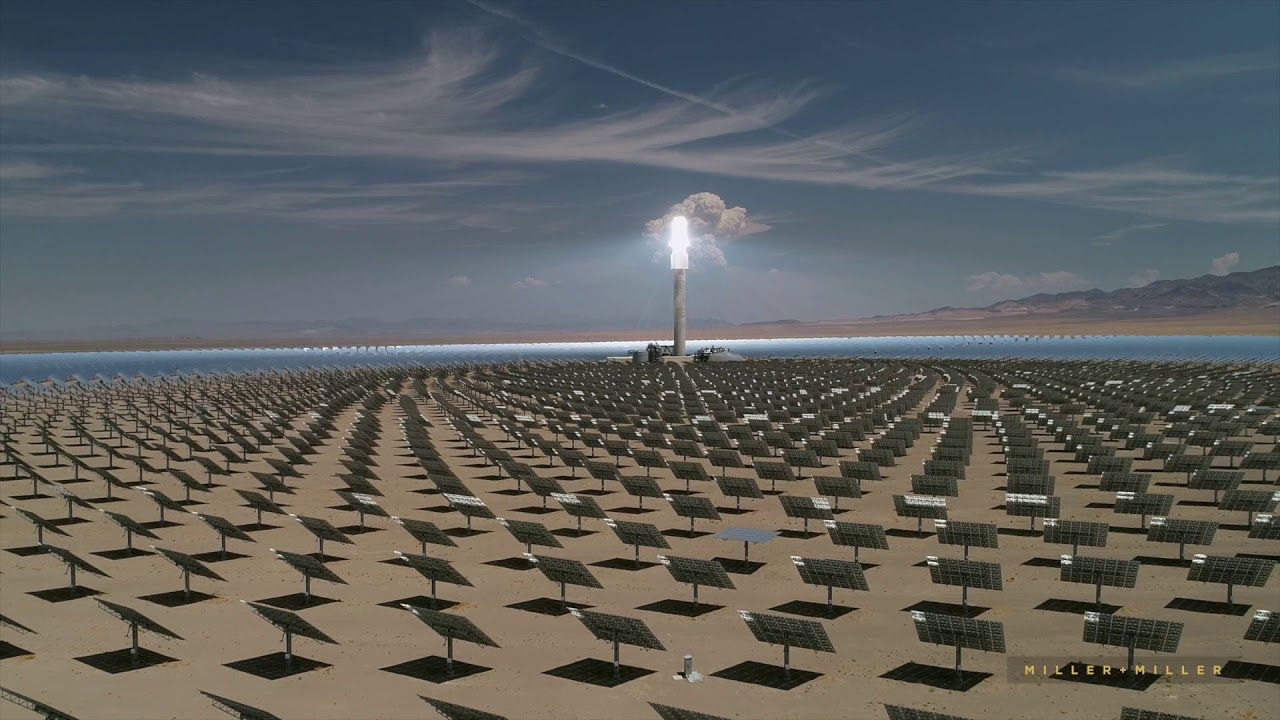


Ten Years Ago, A Mega Solar Power Plant Was Built In The Nevada Desert With An Audacious Promise: To Revolutionize Renewable Energy And Provide Clean Electricity To More Than 100,000 People. With 10,347 Mirrors Reflecting Solar Light To A 200-Meter Tower, The Crescent Dunes Seemed A Masterpiece Of Modern Engineering.
But reality hit hard. What should have been a landmark for solar energy became a financial disaster, resulting in lawsuits, bankruptcy, and a plant that, instead of generating electricity, turned into merely a futuristic backdrop in the middle of the desert. After all, why did a $1 billion project turn into one of the biggest failures in solar energy?
The Great Promise Of Crescent Dunes
The Crescent Dunes was developed by the company SolarReserve, with the support of heavyweight investors, such as Warren Buffet and Citigroup, as well as government-backed loans. The idea was ambitious: to use a technology known as CSP (Concentrated Solar Power), which allows for the storage of heat in molten salts to generate energy even when the sun isn’t shining.
Inspired by the pioneering Gemasolar in Spain, the solar power plant aimed to provide an efficient and stable alternative to traditional photovoltaic energy. The contract signed with NV Energy stipulated the delivery of 500,000 MWh annually for 25 years, ensuring a sustainable energy source for the people of Nevada.
-
Solar cells have just achieved the “impossible” with this 130% breakthrough.

-
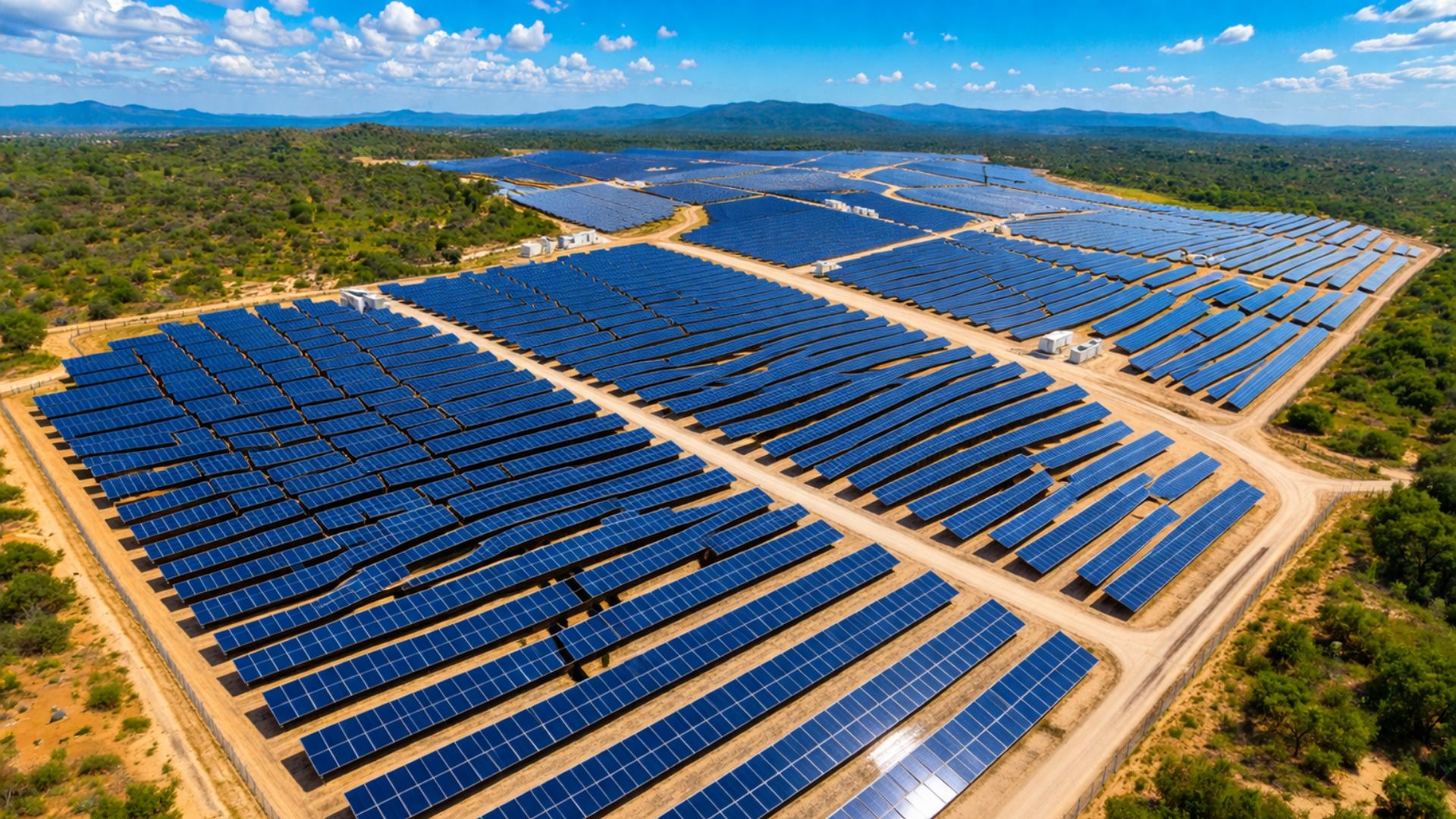
The Sol do Agreste Photovoltaic Complex begins operations in Pernambuco and accelerates the expansion of solar energy in Brazil, directly impacting the reduction of emissions and strengthening the sustainable energy matrix.
-
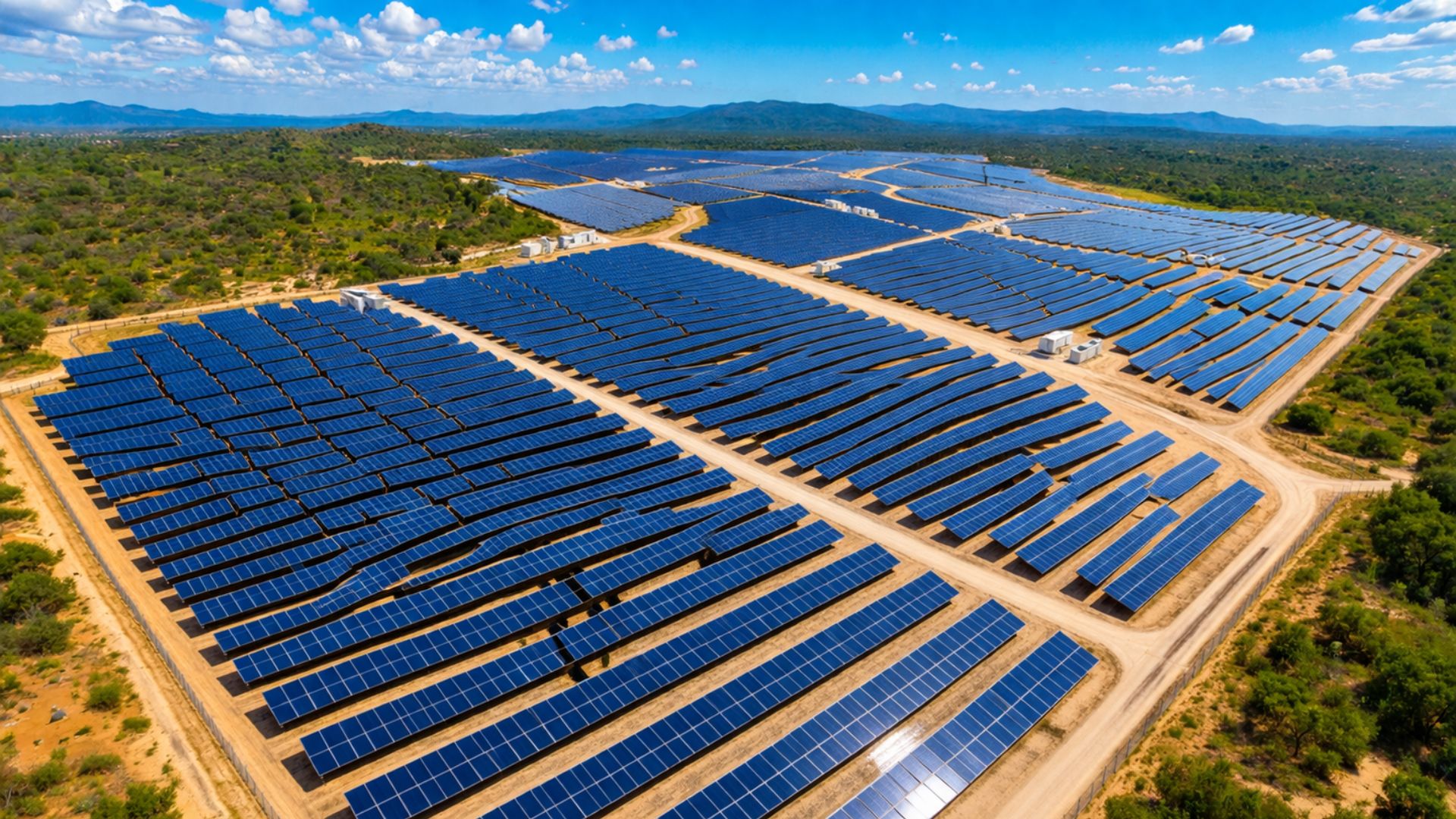
The Sol do Agreste Photovoltaic Complex begins operations in Pernambuco and accelerates the expansion of solar energy in Brazil, directly impacting the reduction of emissions and strengthening the sustainable energy matrix.
-
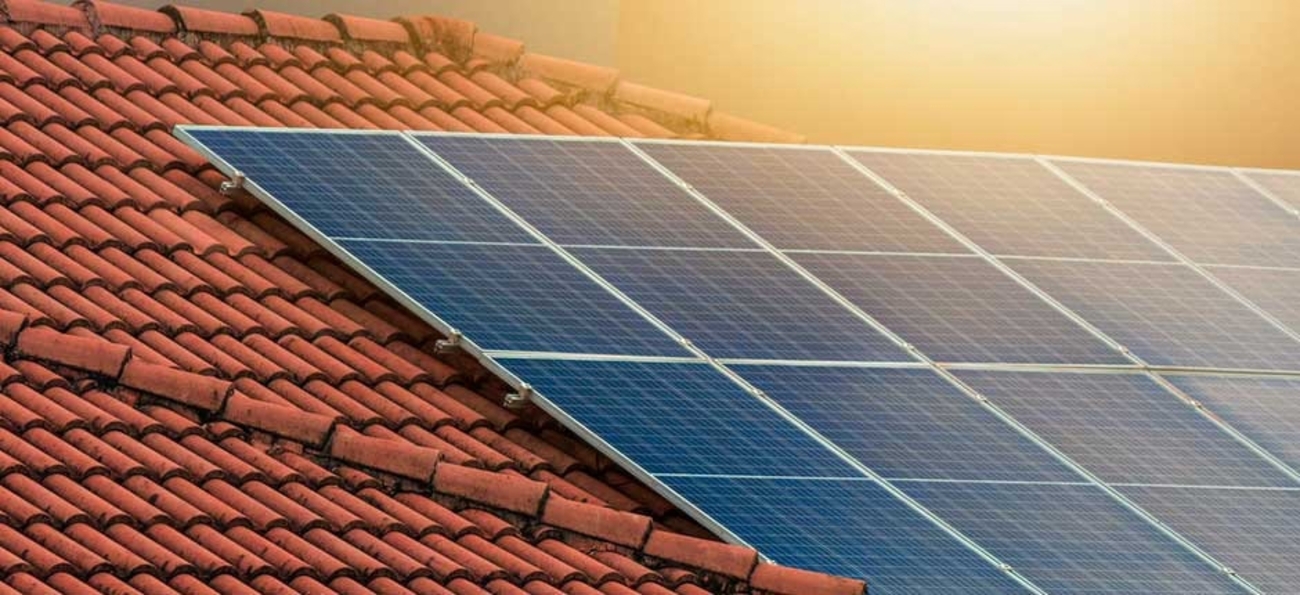
Roraima bets on the sun to escape high tariffs: Amid the energy crisis and price hikes, solar energy is growing in Roraima and transforming consumption in the North region.

How The Solar Thermal Plant Should Have Worked
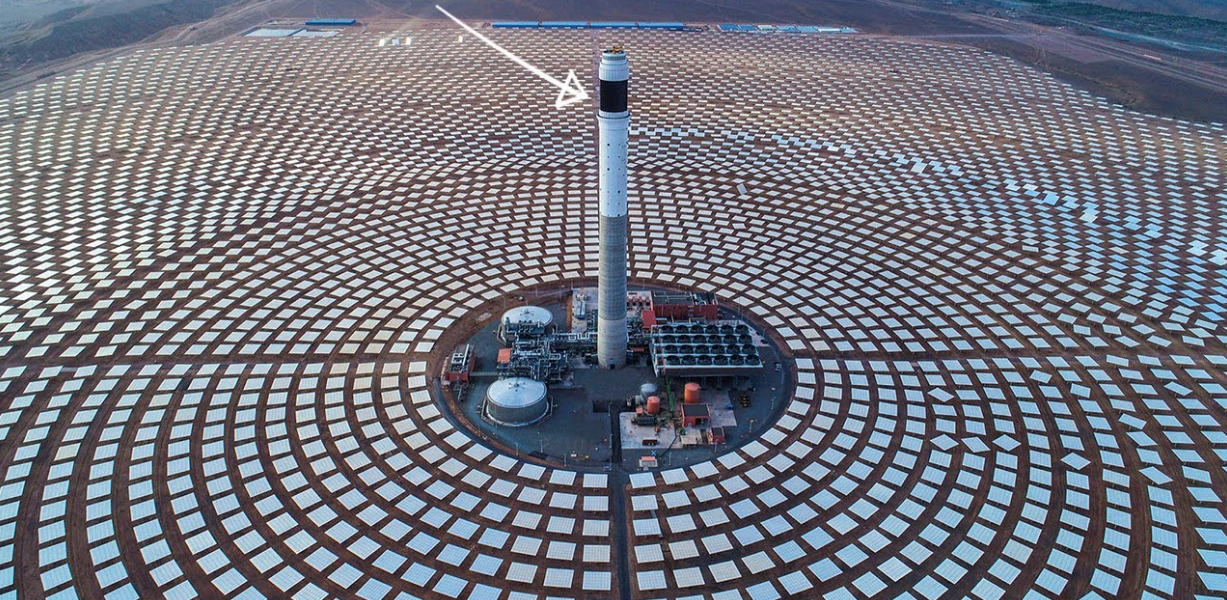
Unlike conventional solar panels that directly convert light into electricity, Crescent Dunes utilized a field of heliostats – mirrors that tracked the sun and directed its light to a receiver at the top of the tower. There, molten salts were heated to over 560°C, enabling the production of storable thermal energy.
In theory, this meant electricity 24 hours a day, even after sunset. But practice revealed a serious problem: the costs were too high to justify operation.
The Million-Dollar Waste And The Problems Of The Solar Energy Project
Building Crescent Dunes cost $1 billion, and it soon became clear that it was not economically viable. The high maintenance costs, combined with employee salaries, made the project too expensive to compete with conventional solar farms.
To make matters worse, the solar energy sold by the plant wasn’t cheap. While one megawatt-hour of photovoltaic energy could be generated for under $30, Crescent Dunes operated at an estimated cost of $135 per MWh. The math simply didn’t add up.
In 2019, after successive supply failures, NV Energy filed a lawsuit against SolarReserve, alleging the company was not fulfilling the contract. The final blow came when the investors themselves sued SolarReserve for mismanagement, claiming waste of resources.
The U.S. government, which had guaranteed part of the financing, also intervened, leading the plant to bankruptcy in 2020.
Why Did The Crescent Dunes Fail?
In 2015, when the plant was inaugurated, solar thermal energy was already losing ground. The technology of photovoltaic panels had rapidly evolved, becoming much cheaper and more efficient. While CSP still relied on complex equipment and expensive maintenance, solar panels simply worked, without the need for moving mirrors and thermal storage.
The main problem with Crescent Dunes was betting on a technology that was becoming obsolete. The growth of traditional solar plants, coupled with advances in energy storage batteries, made CSP an expensive and unattractive option.
The engineering of the solar power plant’s project also had flaws. Bill Gould, one of SolarReserve’s co-founders, blamed the Spanish company ACS Cobra, alleging that the molten salt storage tank was poorly designed, compromising the plant’s operation.
A New Chapter? The Attempt To Reactivate The Plant
Even after bankruptcy, Crescent Dunes was not completely abandoned. In 2021, ACS Cobra took control and signed a new contract with NV Energy, trying to reactivate the plant.
However, the results remain disappointing. In 2022, Crescent Dunes generated only 80,236 MWh, far below the original target of 500,000 MWh. In other words, even with new management, the plant is still far from being a success.








とても奇抜な光景に目を奪われ、記事を最後まで読んでしまいました。とても素晴らしいコンテンツです。