





 Português
  Inglês
  Espanhol
  5 min de leitura
  0 comentários


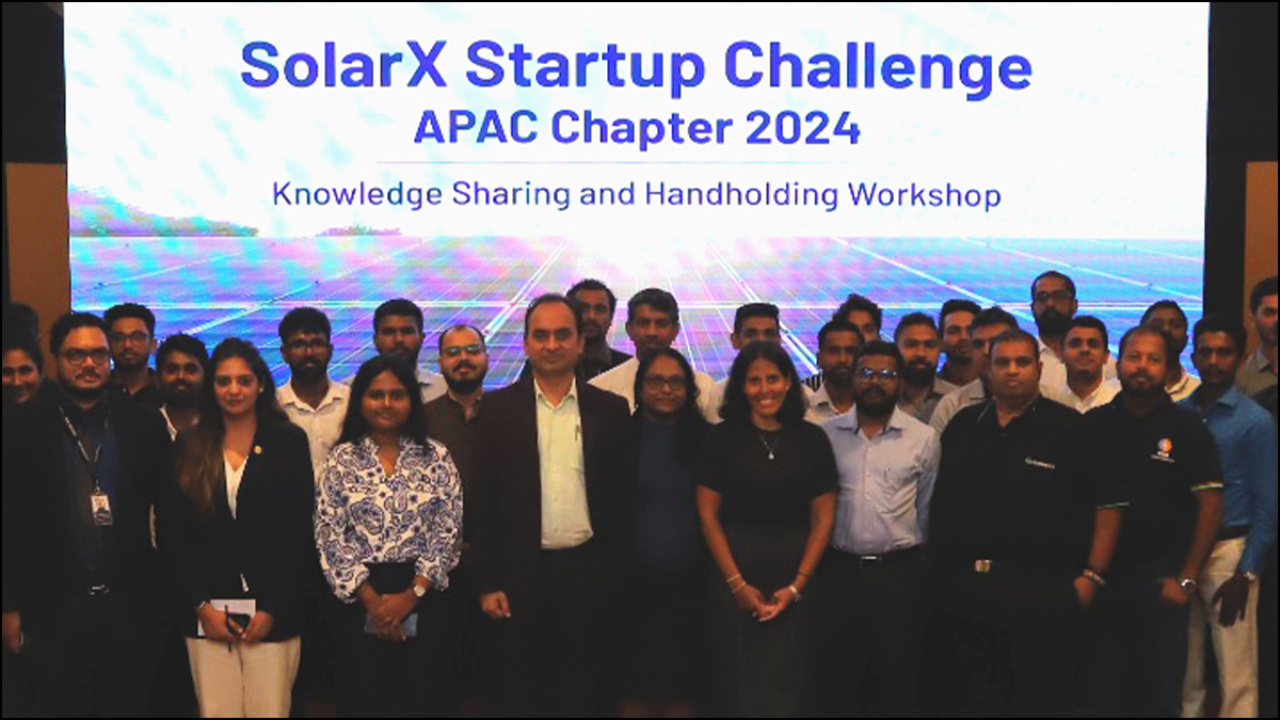
During the COP30, the International Solar Alliance highlighted new strategies and awarded startups from Latin America and the Caribbean, reinforcing the role of solar energy in the global energy future.
The discussion about solar energy has entered a new phase in the international arena. During COP30, held in Belém, Brazil, the International Solar Alliance (ISA) presented a more practical and results-oriented vision for the future of energy transition.
The focus is now less on declarative ambition and more on the effective implementation of solar solutions, especially in Global South countries, where access, financing, and infrastructure challenges still persist.
ISA Expands Activities and Reinforces the Role of Latin America and the Caribbean
Founded as an intergovernmental organization based on an international treaty, the ISA currently brings together 125 member countries. At COP30, the organization announced an important strategic step: the expansion of its operations in Latin America and the Caribbean.
-
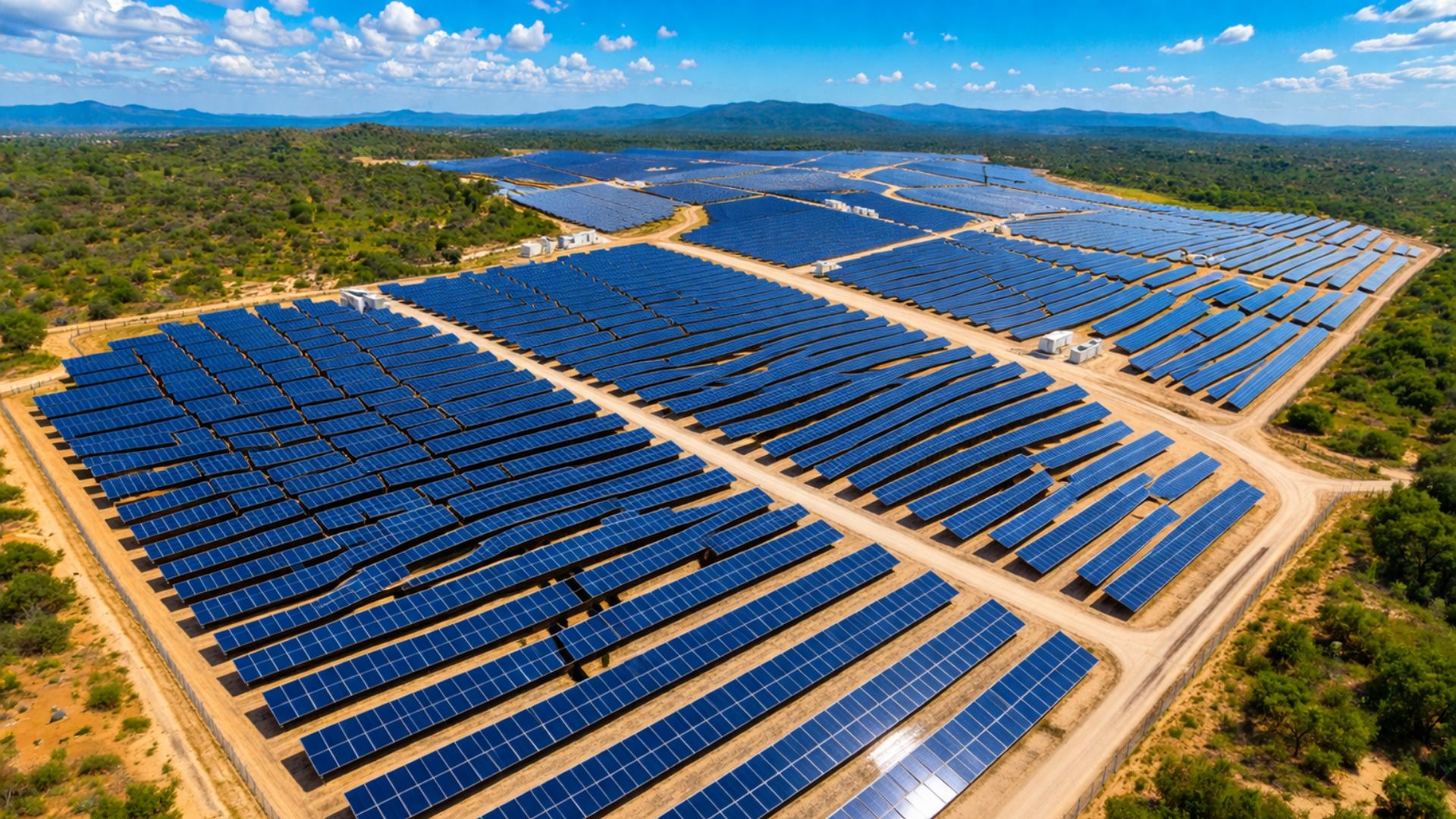
The Sol do Agreste Photovoltaic Complex begins operations in Pernambuco and accelerates the expansion of solar energy in Brazil, directly impacting the reduction of emissions and strengthening the sustainable energy matrix.
-
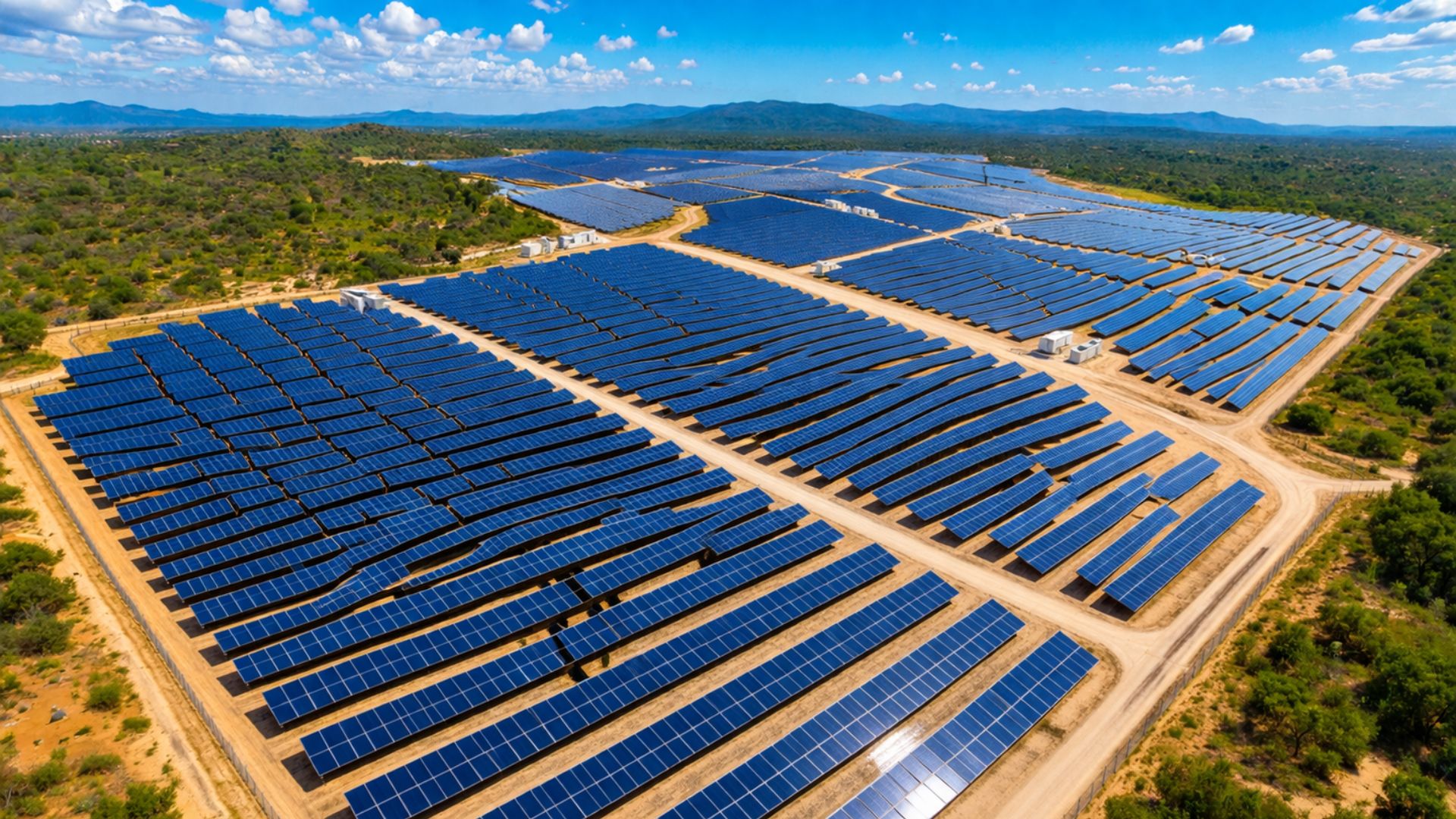
The Sol do Agreste Photovoltaic Complex begins operations in Pernambuco and accelerates the expansion of solar energy in Brazil, directly impacting the reduction of emissions and strengthening the sustainable energy matrix.
-
Roraima bets on the sun to escape high tariffs: Amid the energy crisis and price hikes, solar energy is growing in Roraima and transforming consumption in the North region.
-
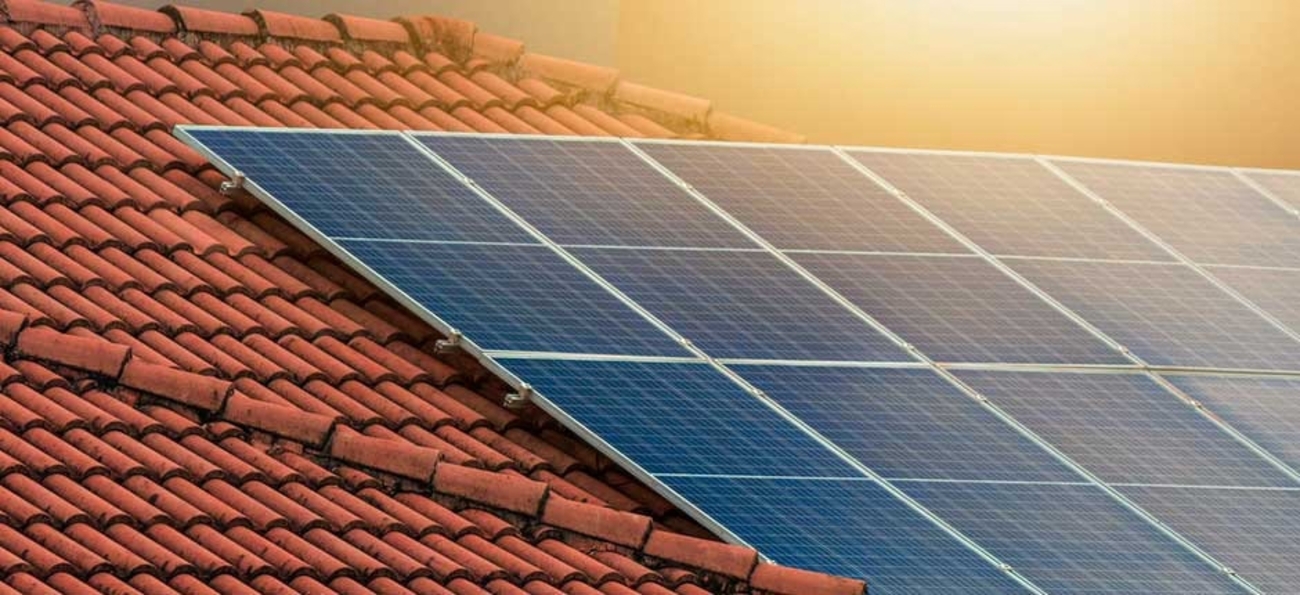
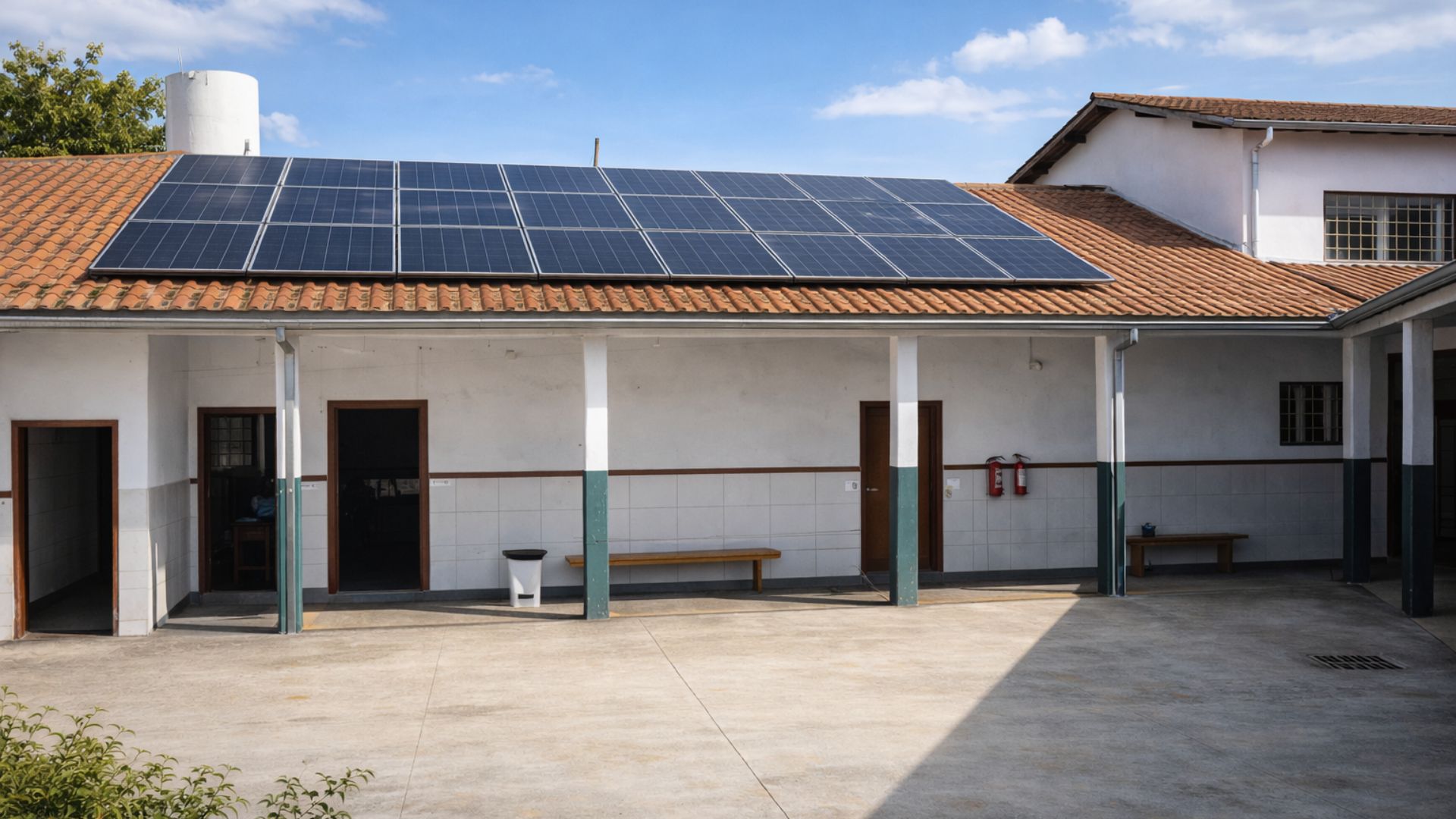
Copel boosts solar energy in Paraná and brings innovation to public schools, promoting savings on electricity bills, energy efficiency, and a direct impact on the quality of education.

Highlighting the announcement was the disclosure of the winners of the SolarX Startup Challenge – Latin America & Caribbean Edition (LAC), an initiative that reinforces the Alliance’s presence in the region.
A total of ten startups from nine countries were selected. Six of them are led by women, which also highlights diversity and inclusion in the solar energy sector.
The announcement took place during an official roundtable at COP30 and followed the history of previous editions of the challenge held in Africa and the Asia-Pacific.
Innovation as the Engine of Energy Transition in the Global South
In recent years, the ISA has supported around 50 startups in Africa and the Asia-Pacific, including India. This support has involved direct financial contributions and structured acceleration programs.
Now, upon reaching Latin America and the Caribbean, the organization seeks to identify scalable, accessible, and regionally adapted solar solutions.
This movement occurs in a symbolic context. By 2025, renewable sources surpassed coal as the main source of electricity generation in the world.
This milestone, mentioned during COP30, reinforces the role of solar energy as a central axis of the global energy transition.
Four Pillars Structure the ISA Strategy
The vision advocated by the International Solar Alliance is anchored in four strategic pillars. The first is Catalytic Financing, aimed at unlocking and mobilizing large-scale investments. In parallel, the entity focuses on Global Capacity Building and Digitalization, promoting innovation, digital platforms, and technical training in member countries.
In addition, the strategy includes Regional and National Engagement, with actions tailored to local needs, and the development of Technology and Policy Roadmaps, which accelerate the adoption of emerging solar technologies through public policies and technical instruments.
The Latin American edition of the SolarX Startup Challenge received 113 applications from 29 countries, a number that reflects the growing interest in practical solar energy solutions. From this pool, ten startups were selected based on criteria such as real impact, economic viability, and technological relevance.
Each winning company received a financial incentive of US$ 15,000. Furthermore, they will have access to technical mentoring programs, investor networks, and professional training offered by ISA partners. The goal is to strengthen business models capable of expanding access to clean energy and increasing the resilience of power grids.
Declaration Reinforces Commitment to Regional Solutions
According to ISA Director-General, Ashish Khanna, local innovation is one of the main pathways to accelerate energy transition. “These winners illustrate how local innovation can significantly support the energy transition in the region. Latin America and the Caribbean have significant solar potential, but continue to face challenges of access, affordability, and resilience. The SolarX Challenge aims to fill this gap by supporting entrepreneurs who are developing adaptable and impactful business models. The ISA remains committed to enabling these efforts and advancing towards a more sustainable future for the region,” he said.
His remarks reinforce that the expansion of solar energy depends not only on technology but also on financial models, public policies, and local training.
Additionally, the selected startups represent a wide range of solar applications. Kingo, from Guatemala, develops clean energy and connectivity solutions based on IoT for remote areas. Meanwhile, the Brazilian company Digital Grid operates with a SaaS platform aimed at automating shared solar generation, addressing operational and regulatory challenges.
Another company from Brazil, SQUAIR, works on integrated energy and temperature management in high-consumption environments, such as logistics centers. From Chile, Suncast offers advanced forecasting services for solar energy generation and pollution estimation without the use of physical sensors.
In Uruguay, Grinplus helps small solar generators monetize renewable energy certificates. The Argentine company HD Photovoltaics innovates by producing BIPV panels that also function as construction materials.
Social Solutions and Electric Mobility Also Gain Highlights
The list of winners includes initiatives with a strong social impact. The Ecuadorian company SUNNA develops solar heaters, lamps, and easy-to-install photovoltaic systems, aimed at various socioeconomic contexts.
Meanwhile, the Nicaraguan company Green Energy integrates water purification with off-grid solar generation through the Shagara WaterHub.
In Bolivia, Quantum Motors stands out for integrating solar panels directly into urban electric vehicles. The Quantum E4 Solar model features a flexible 100W panel on the roof, extending energy autonomy.
At the same time, Colombian Suno bets on digital finance to enable transparent and cross-border financing of community solar energy projects.
ISA Consolidates Its Role as a Global Solar Energy Connector
Founded in 2015 by India and France during COP21 in Paris, the International Solar Alliance has established itself as the first intergovernmental organization based in India.
Since its inception, the entity has partnered with governments to increase access to energy, strengthen energy security, and promote solar energy as the foundation of a sustainable model.
With an increasingly implementation-oriented approach, ISA reinforces its role in connecting innovation, financing, and public policies.
By supporting solutions tailored to local realities, the organization aims to transform communities, drive sustainable economic growth, and expand the availability of clean, reliable, and accessible energy on a global scale.








Seja o primeiro a reagir!