





 English
  Francês
  Alemão
  Italiano
  Japonês
  Norueguês
  Portuguese
  Spanish
  5 min of reading
  0 comments



Discover How Solar Energy in the Beverage Industry Increases Efficiency, Reduces Costs, and Lowers Carbon Emissions in Brazil.
The Brazilian has stood out globally for its potential in solar energy generation. Recently, industries have begun to explore this potential innovatively in beverage production.
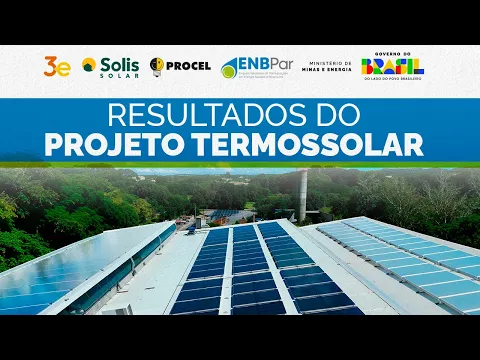
Moreover, a pioneering project, presented during a seminar in Brasília by the Ministry of Mines and Energy, showed that solar energy in the beverage industry not only works well but also offers efficiency and sustainability.
Historically, the beverage industry sought alternatives to reduce costs and environmental impacts. In the early 20th century, factories relied almost exclusively on electric power and fossil fuels to heat, pasteurize, and filter products.
-
Roraima bets on the sun to escape high tariffs: Amid the energy crisis and price hikes, solar energy is growing in Roraima and transforming consumption in the North region.

-
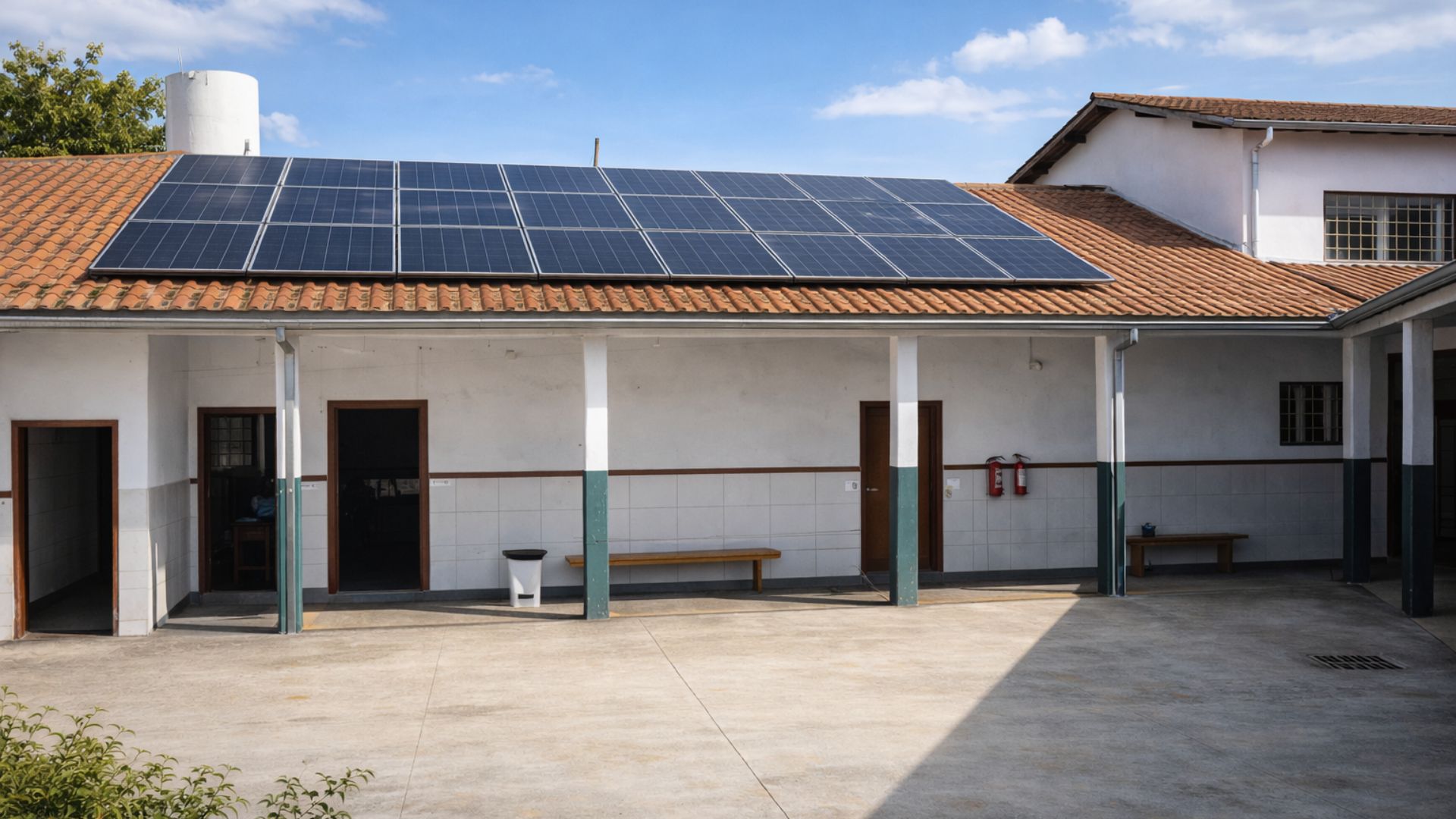
Copel boosts solar energy in Paraná and brings innovation to public schools, promoting savings on electricity bills, energy efficiency, and a direct impact on the quality of education.
-
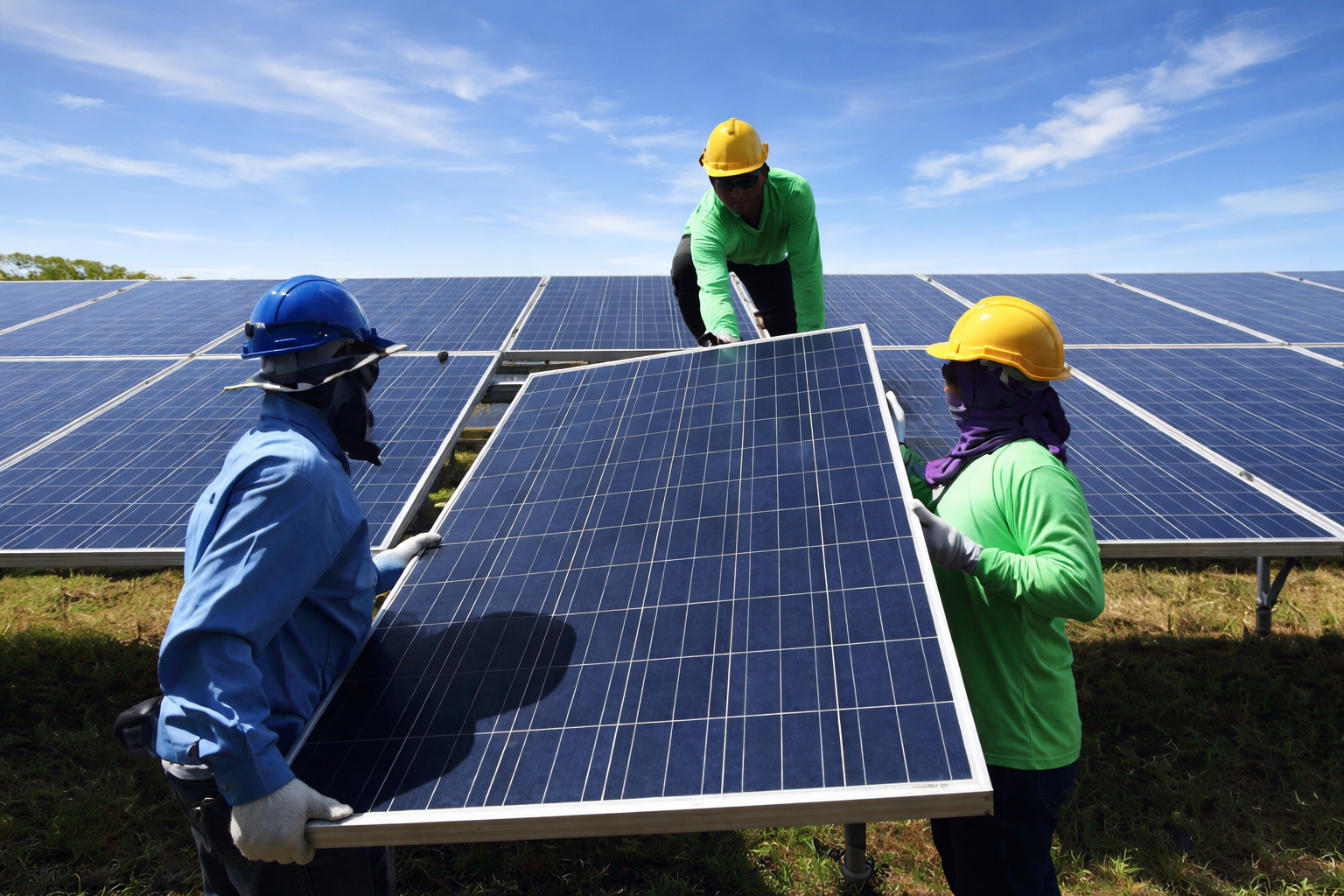
Brazil reaches historic milestone in solar energy: Sector surpasses 2 million accumulated green jobs and generates billions in the national economy even under market pressure.
-
Minas Gerais takes the lead in renewable energy: State surpasses historic mark of 14 GW in solar energy generation in MG and consolidates dominance in the Brazilian electric sector.


However, with technological advancement and increasing environmental awareness, cleaner solutions emerged, though still limited in industrial scale.
Therefore, the use of solar energy, especially through thermosolar systems, represents an important step in this evolution.
Additionally, the adoption of solar energy allows industries to prepare for future energy challenges.
Consequently, with the constant rise in electricity and fossil fuel costs, having a clean and renewable source becomes a strategic advantage.
Thus, solar energy in the beverage industry emerges as a practical and financially attractive solution, balancing productivity and environmental responsibility.
How Technology Transforms Industrial Processes
The Brazilian project tested the application of solar collectors at different stages of beverage production.
In this way, these systems capture solar radiation and convert it into heat, which factories use in industrial processes that require continuous and controlled heating.
Moreover, the innovation lies in the ability to integrate this technology into units that operate on a large scale, maintaining productivity and ensuring considerable economic gains.
The project also demonstrated that solar energy in the beverage industry significantly reduces carbon emissions. For example, the participating companies in the pilot reduced on average 34 tons of CO₂ per year.
To put it in perspective, this is equivalent to removing approximately 22 cars from the road or the annual energy consumption of about 26 households.
Thus, these numbers clearly show the potential of solar energy as a sustainability tool in the industrial sector.
In addition to the environmental impact, the project brought significant economic benefits. Consequently, the reduction in the consumption of fossil fuels and conventional electricity decreased the operational costs of factories.
Therefore, companies can invest in innovation, market expansion, or improvements in the quality of their products.
In this way, this integration between economy and sustainability reinforces the importance of public policies and incentives for the adoption of renewable energies in the industry.
Furthermore, another important benefit is the predictability in energy management. Unlike fossil sources, which suffer from price and availability fluctuations, solar energy offers greater stability, allowing companies to plan their long-term finances.
Therefore, this becomes crucial for industries that operate with large volumes and tight margins.
Brazil’s Potential in Industrial Solar Energy
Solar energy in the beverage industry not only improves energy efficiency but also represents a strategic advancement for the country, which has some of the highest solar incidence rates in the world.
Therefore, regions such as the Brazilian Northeast have high potential, becoming ideal for developing sustainable industrial projects.
Thus, the large-scale adoption of this technology can transform the Brazilian industrial sector, making it more competitive and aligned with global decarbonization trends.
Historically, Brazil began exploring renewable energies with hydropower generation, still predominant in the national energy matrix.
However, in recent decades, the need for diversification and industrial growth has stimulated research into alternative sources, such as wind and solar.
Therefore, the solar energy project in the beverage industry shows how this research translates into practical results, with direct impacts on the economy and the environment.
Moreover, another important point is the multiplier effect of projects like this.
By proving the efficiency of solar energy in production units, other industries begin to consider similar solutions.
This includes, for example, sectors that require intensive thermal processes, such as food, textiles, and chemicals.
Thus, the experience gained in the beverage sector can serve as a reference for the entire national industry, stimulating innovation, job creation, and technological development.
Additionally, the application of solar energy encourages partnerships between universities, research institutes, and companies, fostering the development of new technologies.
In this way, this virtuous cycle strengthens not only the industry but also science and education in the country.
Strengthening the Market and Environmental Awareness
The project contributes to strengthening the national solar collector market. Until now, thermosolar systems were more common in residential or small commercial applications.
However, the entry of the industry increases demand for specialized technologies, encourages local research, and promotes the training of qualified professionals.
Thus, these combined effects create a favorable environment for the sustainable expansion of the energy sector in Brazil.
Moreover, environmental awareness grows with industrial solar energy initiatives. Indeed, consumers value companies that invest in clean solutions.
Therefore, the adoption of thermosolar systems in beverage production reduces environmental impact and strengthens corporate image, adding value to the brand and reinforcing commitment to sustainability.
The energy transition of the Brazilian industry is advancing, and pioneering projects like this show that it is possible to combine efficiency and responsibility.
By integrating solar energy in the beverage industry, the country creates opportunities for economic growth, technological innovation, and environmental preservation.
Consequently, public policies, scientific research, and private initiative come together to generate concrete results.
Moreover, the strengthening of the internal market can attract foreign investments. International companies observe initiatives that combine technology and sustainability, creating opportunities for cooperation and business expansion in Brazil.
The Future of Solar Energy in the Industry
The future of the beverage industry in Brazil depends on the adoption of renewable energy solutions.
The experience with thermosolar systems shows that the technology is ready for large-scale application, generating savings and significantly reducing greenhouse gas emissions.
Therefore, the replicability of the project in different regions indicates that solar energy can become a central component of the industrial energy matrix.
In conclusion, the Brazilian solar energy project in the beverage industry represents a historic milestone.
Thus, it demonstrates that it is possible to unite energy efficiency, sustainability, and economic competitiveness.
The positive environmental impact, cost reduction, and expansion of the solar collector market indicate that this technology can transform the national industrial landscape.
Indeed, the history of solar energy in Brazil is starting to consolidate in the industry, and the application in sectors like beverages shows the way.
Therefore, by investing in clean and innovative solutions, the country strengthens its position in the global renewable energy scenario and establishes a solid foundation for sustainable development in the coming decades.










Seja o primeiro a reagir!