





 English
  Francês
  Alemão
  Italiano
  Japonês
  Norueguês
  Portuguese
  Spanish
 7 min of reading
  0 comments


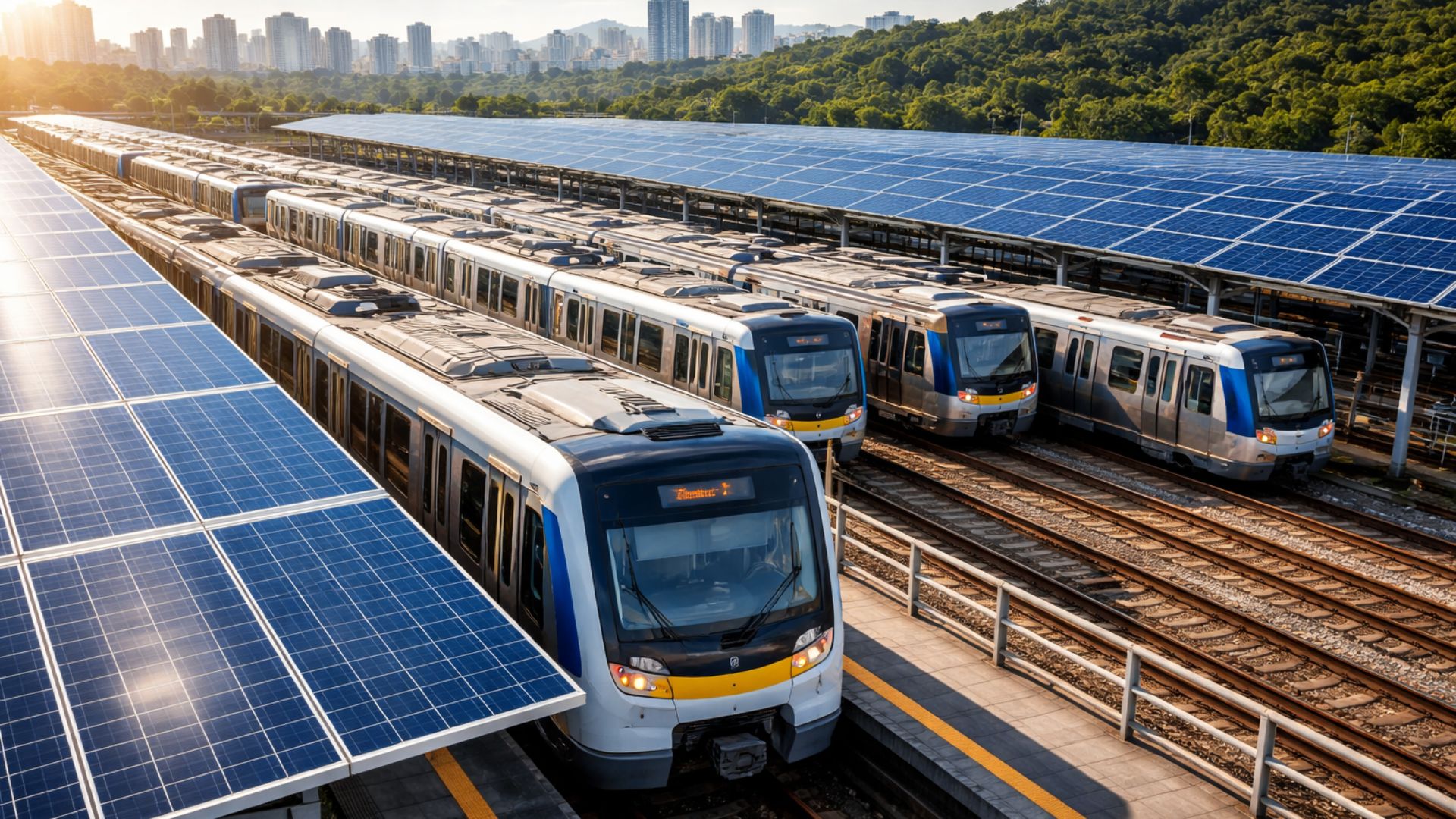
Solar Energy Advances in MetrôBH and Transforms Public Transport Infrastructure into a Renewable Energy Source in Belo Horizonte. Project with Thousands of Panels Can Supply Stations, Generate Energy Credits, and Reduce CO₂ Emissions in the Minas Gerais Capital.
The expansion of solar energy in the subway system of Belo Horizonte may mark a new chapter in Brazil’s urban energy transition. MetrôBH has begun implementing a photovoltaic plant capable of turning stations, rooftops, and operational yards into structures that produce renewable energy, reducing emissions and lowering operational costs of public transport.
According to an article published by Estado de Minas on March 4, the project already has thousands of panels installed at the São Gabriel Maintenance Yard and is expected to reach sufficient capacity to meet the entire electrical demand of the 20 stations of Line 1. In addition to the positive environmental impact, the initiative also generates energy credits that can benefit nearby residences to the subway system.
With an investment of R$ 16 million and a goal of achieving up to 95% of energy consumption from renewable sources by 2030, MetrôBH seeks to consolidate a model that integrates urban mobility and the large-scale production of solar energy. If the schedule is met, the plant could become one of the largest urban photovoltaic structures in Belo Horizonte, even surpassing the installed capacity of the traditional solar project at Mineirão.
-
Roraima bets on the sun to escape high tariffs: Amid the energy crisis and price hikes, solar energy is growing in Roraima and transforming consumption in the North region.
-
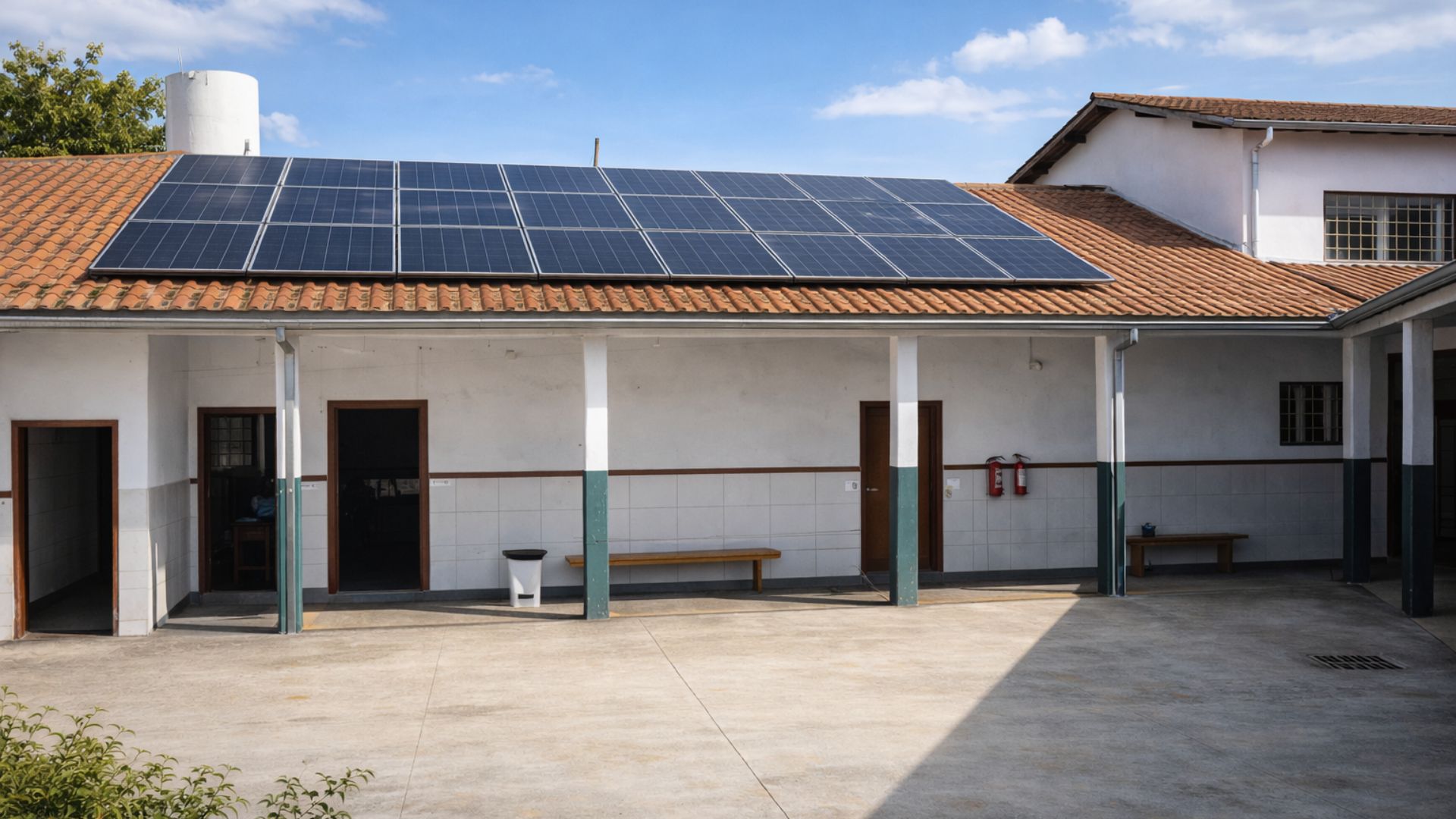
Copel boosts solar energy in Paraná and brings innovation to public schools, promoting savings on electricity bills, energy efficiency, and a direct impact on the quality of education.
-
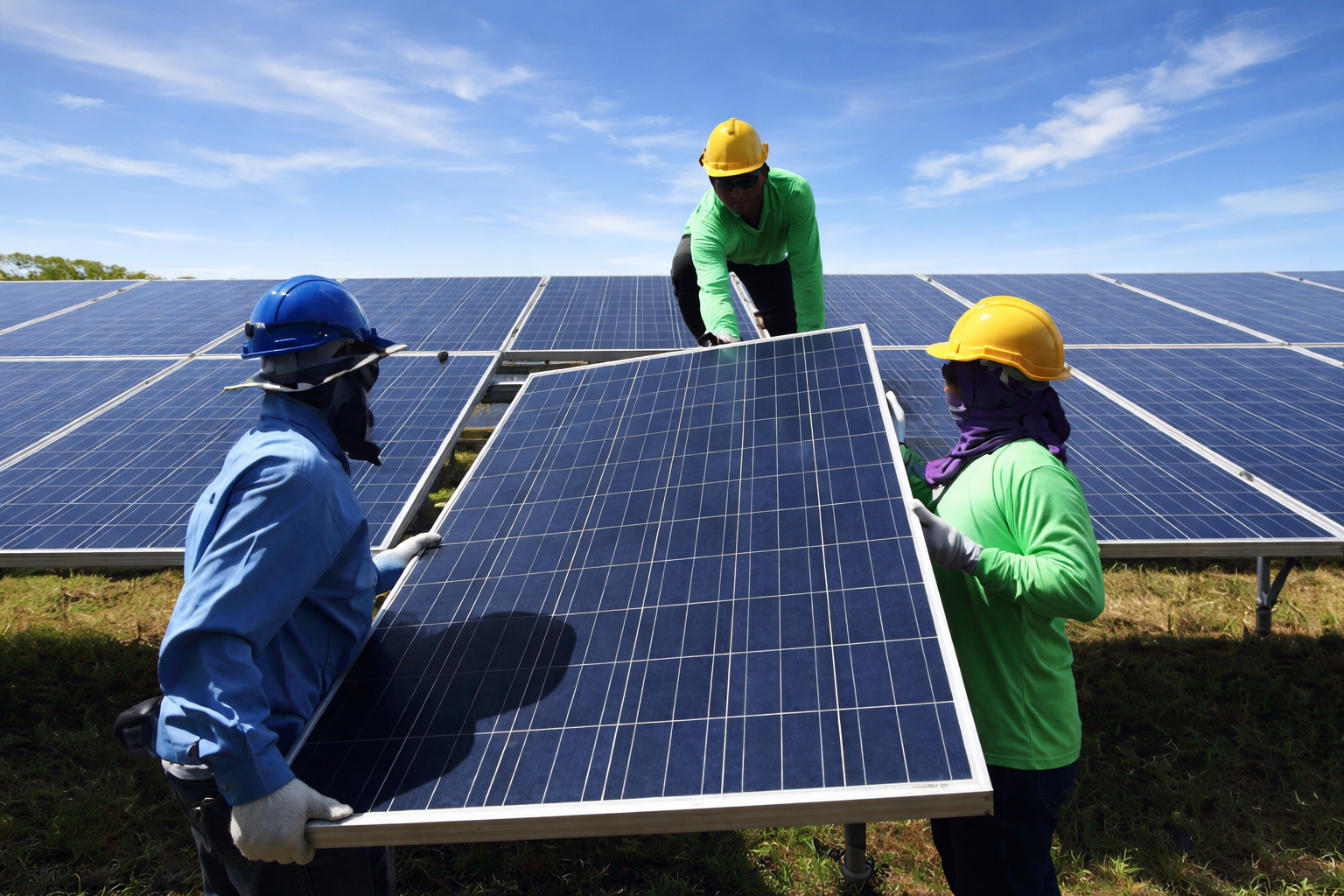
Brazil reaches historic milestone in solar energy: Sector surpasses 2 million accumulated green jobs and generates billions in the national economy even under market pressure.
-
Minas Gerais takes the lead in renewable energy: State surpasses historic mark of 14 GW in solar energy generation in MG and consolidates dominance in the Brazilian electric sector.
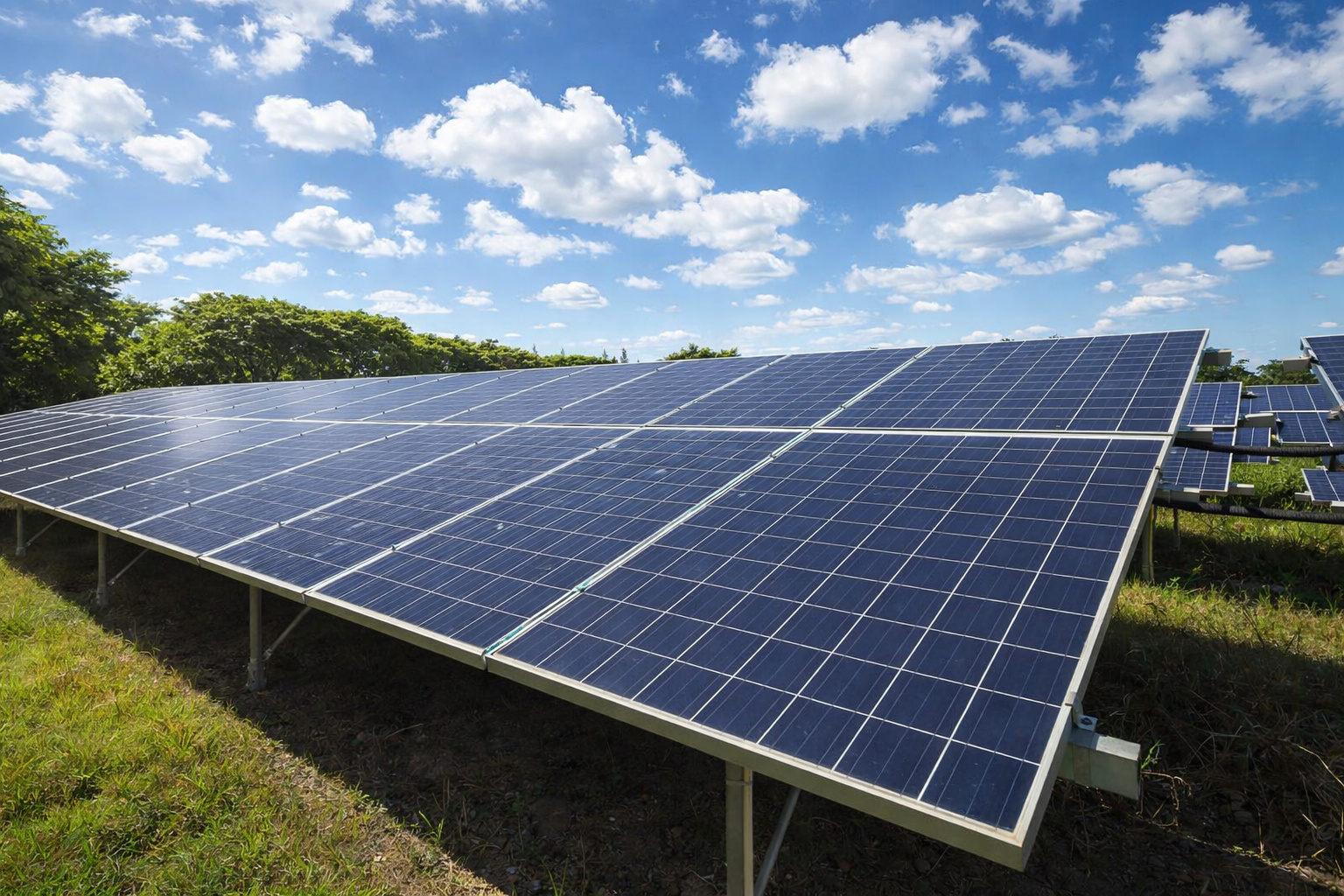

Solar Energy Project in MetrôBH Transforms São Gabriel Yard into an Energy Generation Hub
The first phase of the photovoltaic plant installed by MetrôBH is already in operation and represents a significant advancement in the use of solar energy within the urban infrastructure of Belo Horizonte.
In this initial phase, 1,966 solar panels were installed on the roof of one of the blocks at the São Gabriel Maintenance Yard. The structure has an estimated generation capacity of 900 kW per month, sufficient electricity to meet an important part of the complex’s operations.
The generated energy is used to power essential equipment for the functioning of the subway system. Among them are maintenance machinery, lighting in operational areas, air conditioning systems, overhead cranes, and other equipment used in the workshops responsible for train maintenance.
The project was designed to take advantage of already urbanized surfaces, mainly rooftops and technical areas of the railway yard. This way, the implementation of the plant occurred without the need to clear vegetation, reinforcing the sustainable nature of the initiative and expanding the environmental benefits associated with the use of renewable energy.
Expansion of the Solar Plant in Belo Horizonte Expected to Exceed 7,000 Panels by Project Completion
The solar plant of MetrôBH is still in the process of expansion and is expected to achieve even more impressive numbers in the coming months. The concessionaire responsible for the system announced that the next phase of the project includes the installation of an additional 4,000 photovoltaic panels on the ground, increasing the total generation capacity of renewable energy.
With this expansion, the structure is expected to reach around 7,000 solar panels installed by the expected completion of the installation, set for June of this year. The expectation is that the energy production will reach approximately 5,220 MWh per year, enough to meet the entire electrical demand of the Line 1 stations.
This level of generation corresponds to the average annual consumption of approximately 2,800 residences, a commonly used indicator for sizing the capacity of solar energy projects in urban areas.
When the plant is fully operational, the subway system may achieve an installed capacity of around 2.65 megawatts (MW). This way, MetrôBH could surpass the photovoltaic generation capacity of Mineirão, which currently has an installed capacity of 1.42 MW.
This growth places the subway among the largest urban producers of clean energy in Belo Horizonte, reinforcing the importance of public infrastructure in the expansion of renewable sources.
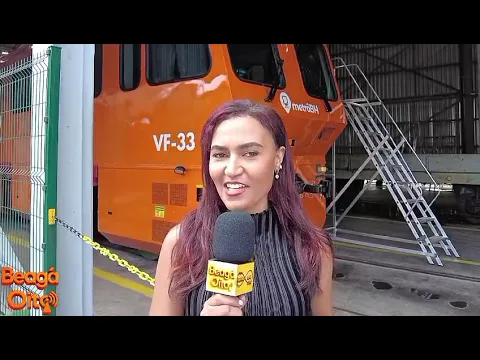

Renewable Energy Generated by MetrôBH Also Benefits Nearby Residences
Another important aspect of the project is related to the energy compensation model used by the concessionaire. Part of the solar energy generated at São Gabriel Yard is consumed directly by the operational structures of MetrôBH, but the excess production is directed to the electric grid.
This surplus is converted into energy credits with the concessionaire Cemig, which manages the electricity distribution in Belo Horizonte. These credits can be used to offset energy consumption in different units of the subway system.
Additionally, part of these credits has also been directed to supply residences located near the subway stations. According to data released by the concessionaire, approximately 380 homes have already benefited from energy generated by the solar plant.
This model expands the social impact of the project and demonstrates how renewable energy initiatives can generate direct benefits for the urban population, in addition to contributing to the sustainability of public transport operations.
Reduction of Emissions and Positive Environmental Impact for Belo Horizonte
The adoption of solar energy in MetrôBH also brings relevant environmental benefits for Belo Horizonte. According to estimates released by the concessionaire, the new photovoltaic plant will allow for the avoidance of approximately 469 tons of carbon dioxide (CO₂) per year.
This volume of avoided emissions is equivalent to the annual absorption capacity of around 47,000 mature trees, a comparison often used in environmental studies to illustrate the positive impact of renewable energy projects.
The reduction of emissions occurs because the energy generated by solar panels replaces electricity that, in many cases, could come from more carbon-intensive sources within the energy system.
Moreover, the installation of the panels in already constructed areas avoids additional environmental impacts. The use of rooftops and existing technical spaces demonstrates how large urban infrastructures can be adapted to generate clean energy without compromising green areas. This type of strategy has been increasingly adopted in large cities seeking to reduce their emissions and meet climate goals.
Expansion of Line 2 and New Opportunities for Solar Energy in MetrôBH
The advancement of solar energy within MetrôBH may gain new dimensions with the expansion of the subway system of Belo Horizonte. The concessionaire is already considering the possibility of expanding photovoltaic generation for structures related to the future Line 2.
This new line is scheduled to be completed by 2028 and is expected to add 10.5 kilometers to the railway network of the Minas Gerais capital. With the expansion, the subway system will grow from 28.15 km to 41.1 km in length, significantly increasing public transport coverage.
The first two stations of Line 2 — Nova Suíça and Amazonas — are expected to open in July of this year. Once fully operational, the line is expected to carry around 50,000 passengers per day, connecting important regions of the city.
Among the neighborhoods served by the new route are Nova Gameleira, Nova Cintra, Vista Alegre, and Ferrugem, enhancing urban integration and creating new opportunities for the installation of renewable energy projects associated with transportation infrastructure.
Other Brazilian Capitals Also Advance in Energy Efficiency of Subways
Investment in renewable energy and energy efficiency in subway systems is not exclusive to Belo Horizonte. Several Brazilian capitals have already been adopting similar strategies to reduce operational costs and minimize the environmental impact of urban transport.
The subway system in Fortaleza, known as Metrofor, has three solar energy generation plants. In total, 882 photovoltaic panels were installed at the Padre Cícero and Juscelino Kubitscheck stations, in addition to 662 panels at the Maintenance Center located in the Vila União neighborhood. These structures have an estimated production capacity of 42,000 kWh per month.
Another relevant example is the São Paulo subway, which has a network with 6 lines, 104.2 kilometers in length, and 91 stations. In 2022, the system announced investments in energy recovery technologies, including the use of traction inverters capable of capturing electricity generated during the trains’ braking.
Additionally, the São Paulo Metro replaced 150,000 fluorescent lamps with LED lighting, a measure that generates an estimated annual savings of R$ 2 million.
In Rio de Janeiro, MetrôRio has also adopted energy efficiency strategies. The company replaced 8,000 lamps in its facilities and plans to save 45,000 MWh by 2027, an amount equivalent to the energy consumption of about 2,500 families over five years. These initiatives demonstrate that subway transport can play an important role in cities’ energy modernization.
Urban Mobility and Renewable Energy Meet in the Energy Future of Belo Horizonte
The implementation of the solar energy plant in MetrôBH shows how urban infrastructure can play a strategic role in the energy transition. By transforming rooftops and operational yards into units for generating renewable energy, the subway system increases its contribution to the sustainability of Belo Horizonte.
The project brings together environmental, economic, and social benefits. The reduction of carbon emissions, the utilization of urbanized areas, the generation of energy credits, and the potential to supply thousands of residences demonstrate that initiatives of this kind can go far beyond simple electricity production.
At the same time, the integration of mobility and clean energy generation creates a replicable model for other Brazilian cities. As new lines and stations are built, the potential for expanding the use of solar energy within the subway system is likely to grow.
If the expansion and energy generation plans are maintained, MetrôBH could establish itself as one of the most relevant examples of how public transport and renewable energy can work together to build more sustainable cities.








-

Uma pessoa reagiu a isso.