





 English
  Francês
  Alemão
  Italiano
  Japonês
  Norueguês
  Portuguese
  Spanish
  3 min of reading
  0 comments


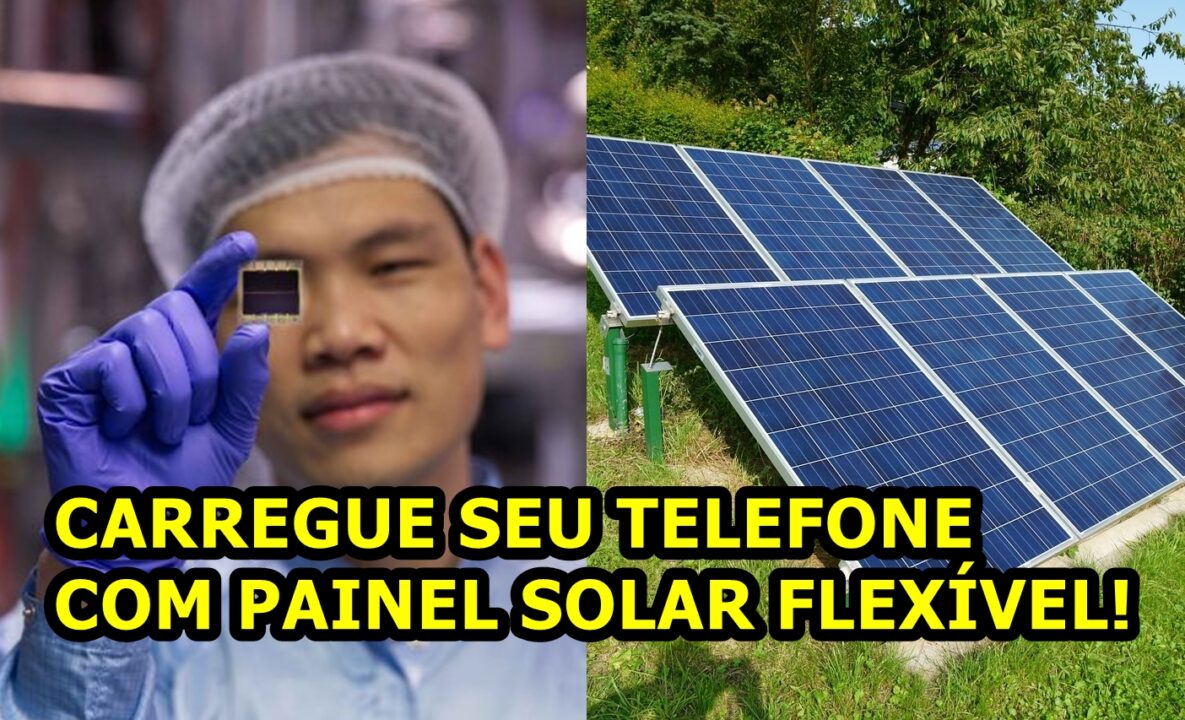
How A Flexible And Efficient Solar Coating Could Power Your Phone And Other Devices Without Losing Performance
When we talk about solar energy, the image that usually comes to mind is of vast areas covered by black panels, made up of silicon semiconductor solar cells. These panels have been instrumental in reducing the cost of solar energy by about 90% since 2010, providing an essential renewable source.
However, there is more to the possibilities of solar energy than simply installing massive solar farms or panels on rooftops.
Innovation In Materials: Perovskites And Solar Efficiency
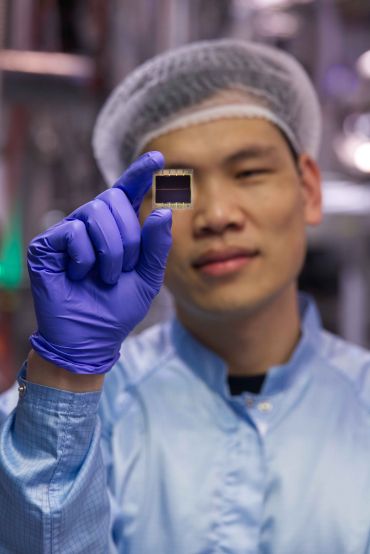
A recent study revealed that researchers at the University of Oxford developed a new type of material capable of absorbing light without relying on the traditional and rigid silicon photovoltaics that currently dominate. This technological advancement utilizes a “multi-junction approach,” which involves layering several perovskite layers, a light-absorbing material, into a single solar cell.
-
A study reveals the expansion of renewable energy procurement in Brazil and shows how companies are taking advantage of opportunities to reduce expenses, ensure energy efficiency, and strengthen strategic environmental commitments.

-
Mato Grosso do Sul excels in the sugar-energy sector: the state reaches a milestone of 22 operating mills and accelerates the production of clean energy in MS with a focus on sustainability.

-
National energy dilemma: Brazilians support clean energy but reject increases in tariff costs to finance the sustainable transition.

-
Research indicates that Brazilians support clean energy and wish to advance in the energy transition, but reject paying more on their electricity bill, showing a direct conflict between cost and sustainability.

Testing And Impressive Efficiency Results
The National Institute of Advanced Industrial Science and Technology of Japan (AIST), renowned for its contributions in calibration, standards, and photovoltaic measurements, confirmed that this new solar cell achieved an impressive efficiency of 27%.
This means that 27% of the solar light that hits the cell is converted into usable energy, a considerable milestone, especially considering that this efficiency rate is usually only achieved under ideal laboratory conditions. Researchers indicate that this is just the beginning of even more promising possibilities.
The greatest advantage of this new technology, beyond high efficiency, is its flexibility. With a thickness of just over one micron — about 150 times thinner than a traditional silicon wafer — this material acts more like a coating that can be applied to numerous surfaces, from backpacks and vehicles to cell phones. This significantly expands the potential for solar energy capture, potentially reducing reliance on less sustainable energy sources.
Despite the promises, innovation with perovskites faces challenges, such as comparatively lower durability than other solar technologies. However, advancements have been made to overcome these obstacles. Oxford PV, a spin-off company from the University of Oxford established in 2010, is at the forefront of these efforts, having started mass production of these hybrid solar cells in 2023 through a pilot production line.
Henry Snaith, co-founder and chief scientist of Oxford PV, highlighted the transformative potential of these advancements. “The recent innovations in materials and solar techniques demonstrated in our labs have the potential to underpin a new industry. This could generate solar energy in a more sustainable and cost-effective way, integrating it into buildings, vehicles, and existing objects,” said Snaith in a statement.
These innovations do not suggest that we should slow down the pace of installing conventional solar panels, especially considering the urgency in combating climate change. However, the possibility of covering more surfaces with solar cells that efficiently harness free solar energy could benefit everyone, marking a significant step towards a more sustainable and energy-efficient future.










Seja o primeiro a reagir!