





 Portuguese
  English
  Spanish
 6 min of reading
  0 comments


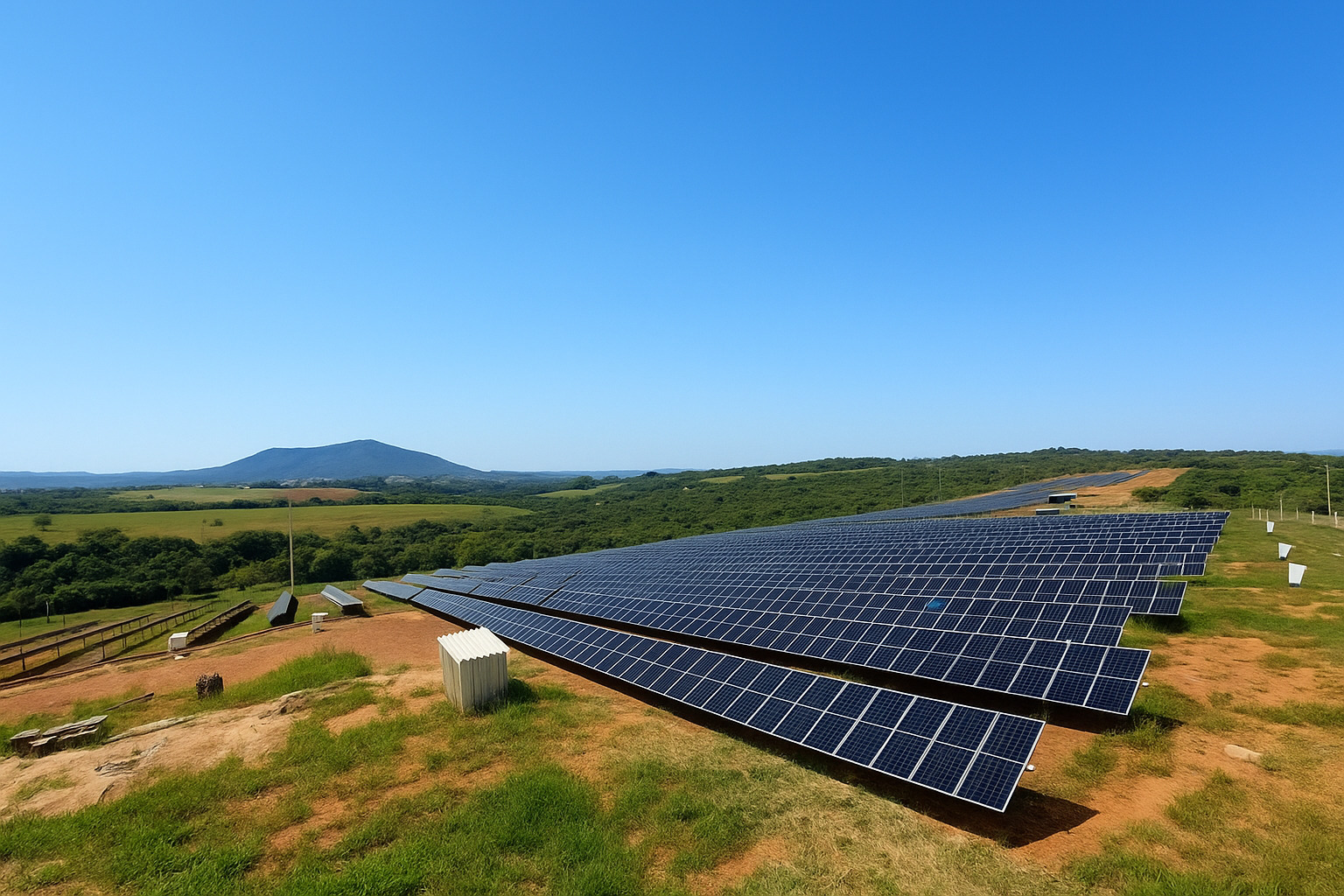
Discover How Subscription Solar Energy in Minas Gerais Is Growing, Offering Economy, Sustainability and Easy Access to Clean Energy Without the Need for Panel Installation.
In recent years, Brazil has witnessed a significant transformation in how it produces and consumes energy. Therefore, among the most promising alternatives, solar energy stands out as a strategic source to diversify the energy matrix and reduce dependence on fossil fuels.
Within this scenario, the subscription solar energy model in Minas Gerais has gained prominence, offering sustainable and accessible solutions for homes, businesses, and industries.
Historically, Brazil has based a large part of its energy matrix on hydroelectric plants, taking advantage of the abundance of rivers and water resources. However, the increasing demand for electricity, combined with climate change and the variability of reservoirs, has highlighted the need for energy diversification.
-
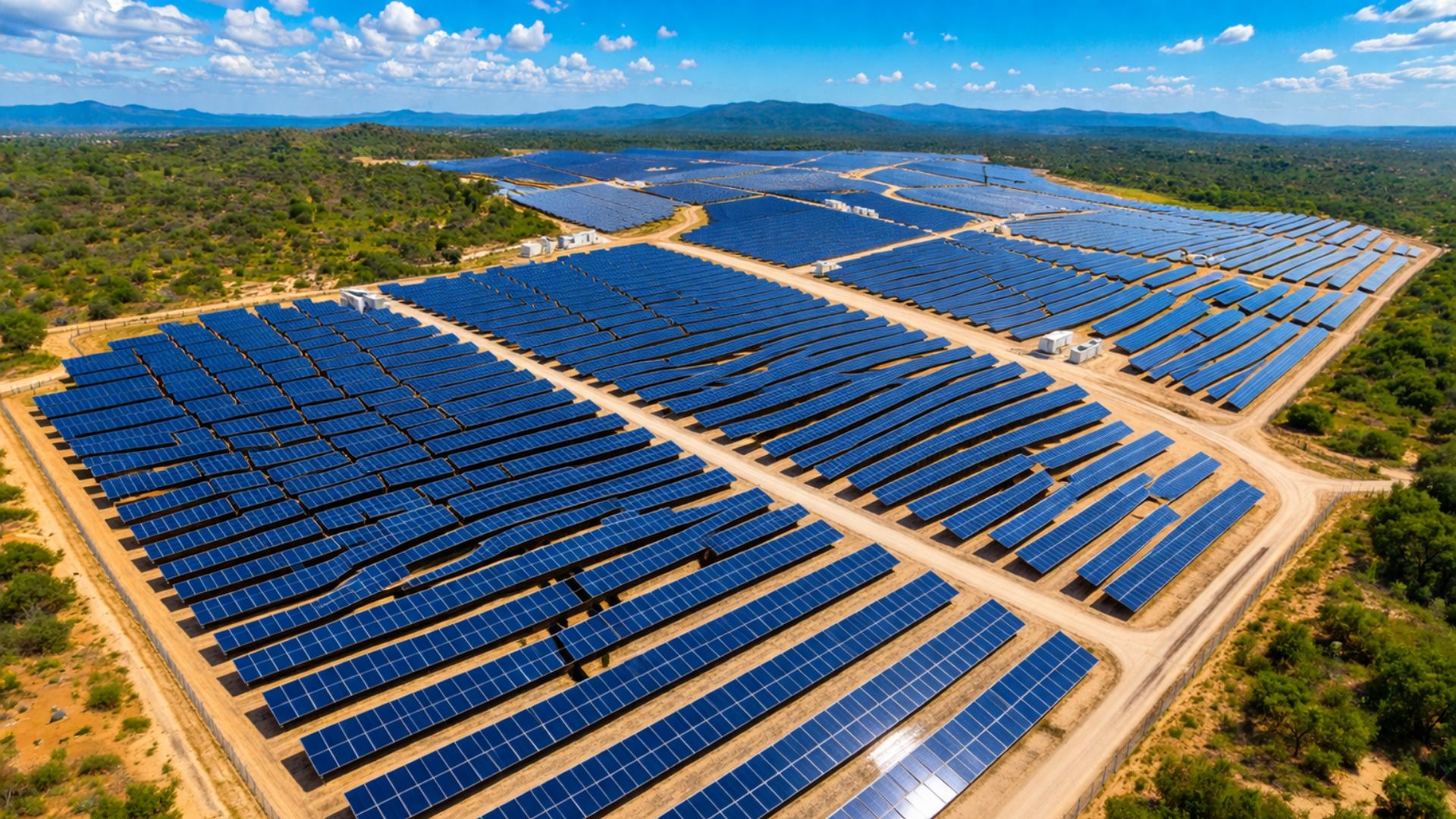
The Sol do Agreste Photovoltaic Complex begins operations in Pernambuco and accelerates the expansion of solar energy in Brazil, directly impacting the reduction of emissions and strengthening the sustainable energy matrix.
-
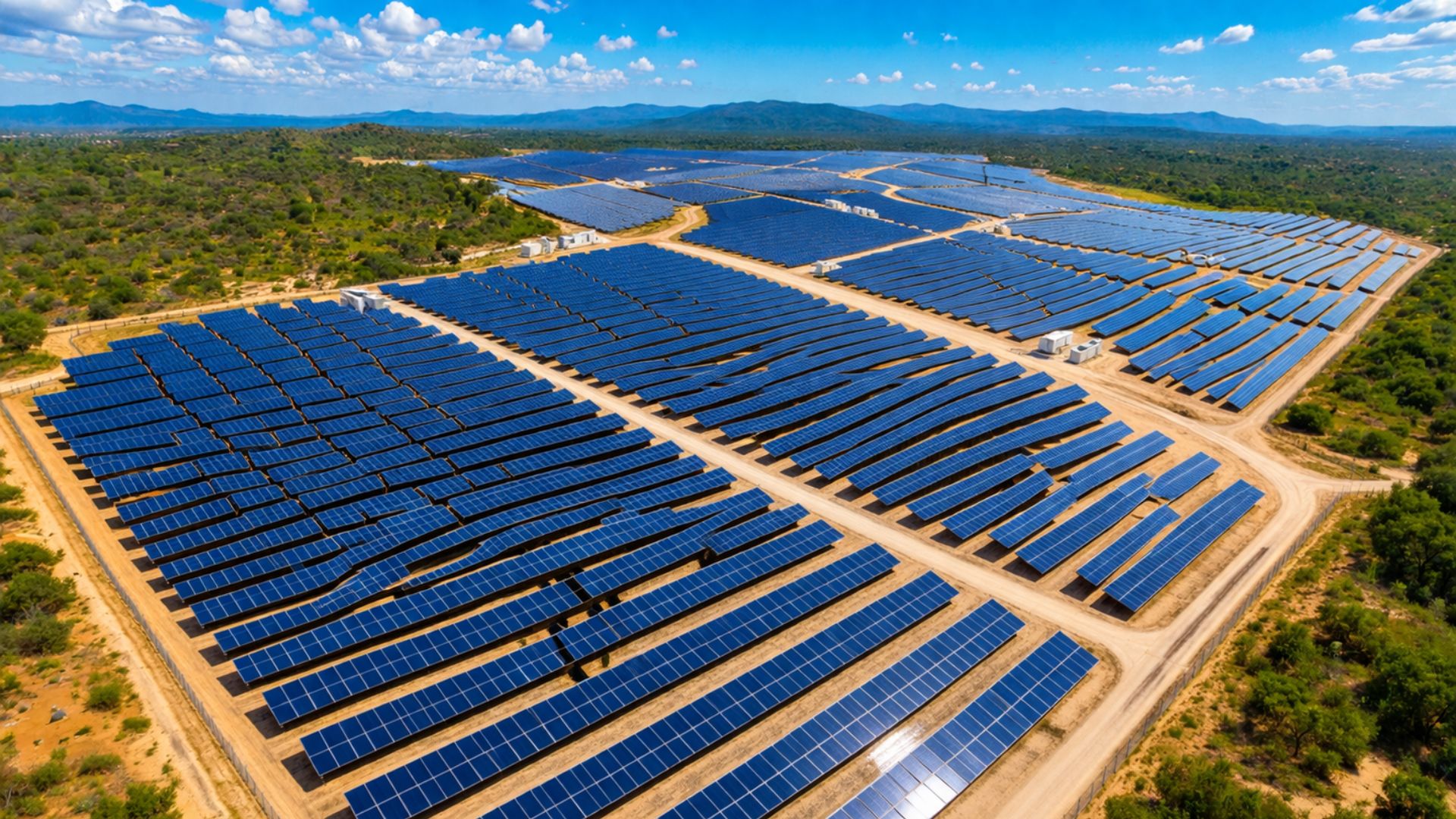
The Sol do Agreste Photovoltaic Complex begins operations in Pernambuco and accelerates the expansion of solar energy in Brazil, directly impacting the reduction of emissions and strengthening the sustainable energy matrix.
-
Roraima bets on the sun to escape high tariffs: Amid the energy crisis and price hikes, solar energy is growing in Roraima and transforming consumption in the North region.
-
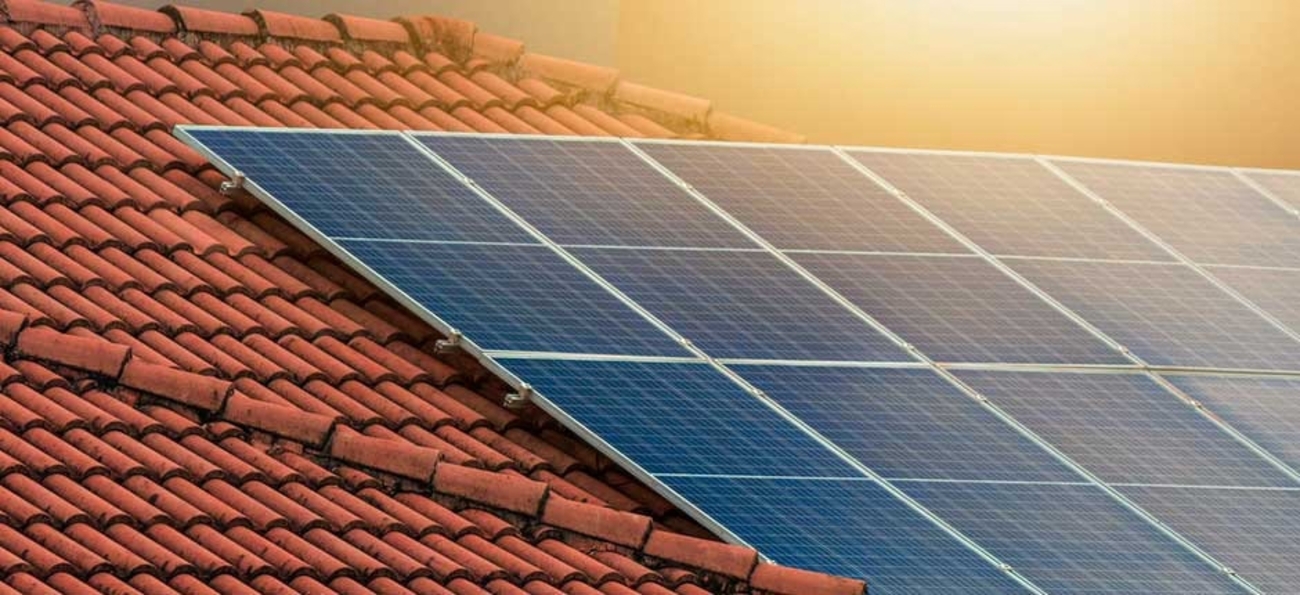
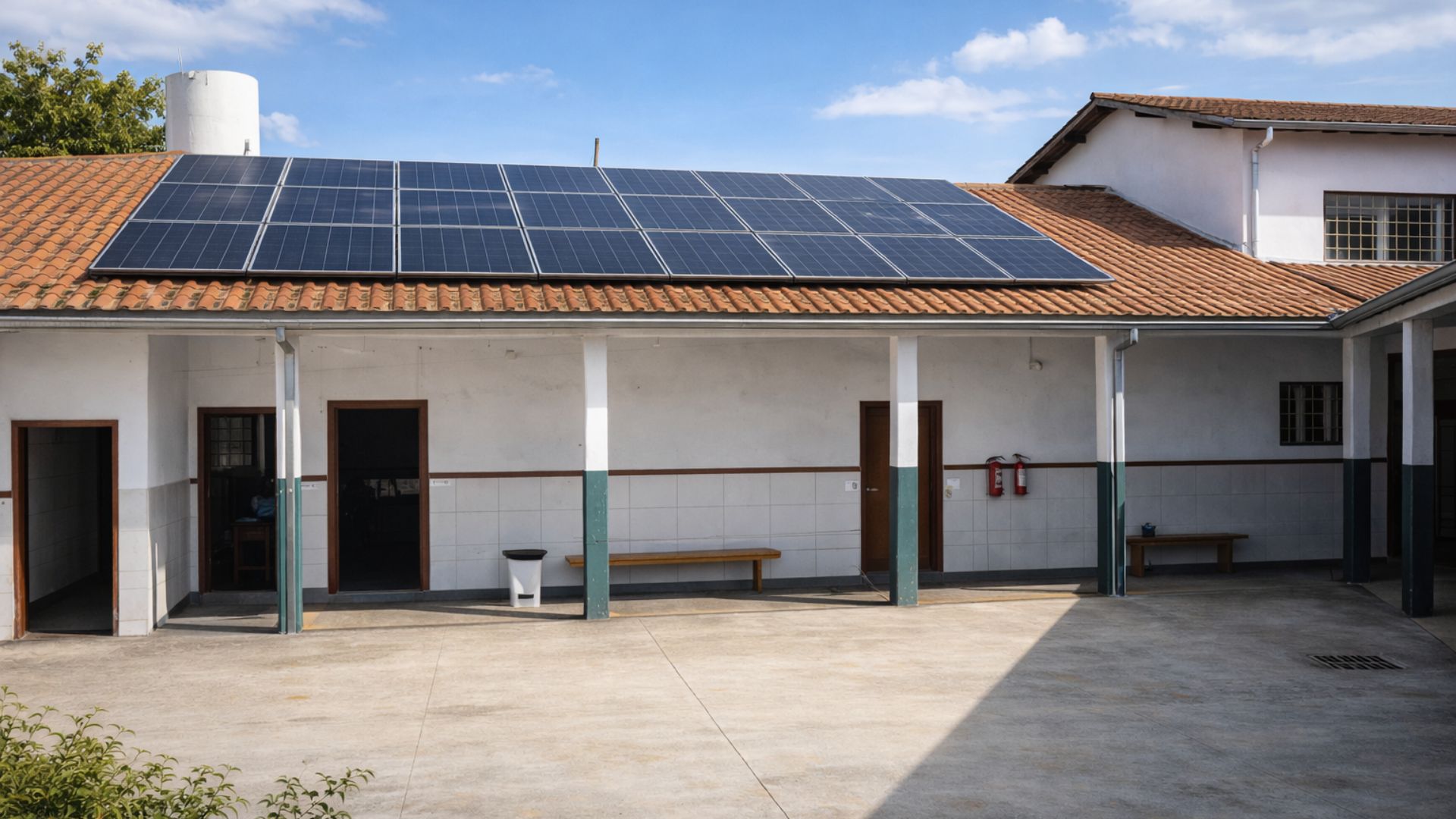
Copel boosts solar energy in Paraná and brings innovation to public schools, promoting savings on electricity bills, energy efficiency, and a direct impact on the quality of education.
In this sense, solar energy has emerged as a viable, efficient, and low environmental impact alternative. In Minas Gerais, a state with high solar potential, the use of this source began to expand systematically from the 2010s onwards.
The growth has been driven by public policies to encourage distributed generation and private investments in solar farms.
Additionally, the adoption of subscription solar energy also reflects the technological evolution of the electricity sector. The development of more efficient solar panels, smart inverters, and remote monitoring systems has allowed large plants to serve thousands of consumers simultaneously.
This way, the subscription model has become feasible, which would have been difficult to implement on a large scale previously.
Advantages of the Subscription Solar Energy Model
The subscription solar energy model in Minas Gerais represents an evolution in access to clean energy. Unlike the traditional installation of solar panels in homes, which requires a significant initial investment and suitable space, the subscription allows the consumer to use energy generated in large solar plants without needing to carry out construction or maintenance.
Companies like ClickLivre Energia, which operates in cities such as Mateus Leme, Japonvar, Jequitibá, Lontra, São Francisco, São Romão, Brasilândia de Minas, and Coração de Jesus, offer clients a proportional quota based on consumption, directly reflecting in savings on the electricity bill.
Furthermore, the growth of the photovoltaic sector in Minas Gerais does not occur in isolation. Data from the Brazilian Association of Photovoltaic Solar Energy (Absolar) show that solar energy currently represents 22.5% of the national energy matrix, being the second largest source in the country, second only to hydroelectric plants.
Therefore, Brazil has over 56 gigawatts (GW) of installed capacity, generating jobs and mobilizing billions of reais in investments. Since 2012, the photovoltaic sector has accumulated over R$ 254 billion in investments and created approximately 1.7 million green jobs, strengthening the economy and promoting social and environmental development.
Another important point is that subscription solar energy offers predictability to consumers. With traditional electricity rates constantly fluctuating, having a quota of clean energy allows for efficient financial planning and encourages conscious consumption habits.
Thus, adopting solar energy has become an economic, strategic, and environmental decision.
Sustainability and Environmental Awareness
The expansion of subscription solar energy in Minas Gerais accompanies a cultural shift in the perception of energy and sustainability. Consequently, consumers are increasingly aware of the need to adopt environmentally responsible practices and seek alternatives that provide savings without compromising the environment.
The subscription model allows families and businesses to consume clean energy without facing infrastructure barriers or high installation costs.
Moreover, subscription solar energy reinforces the energy security of the state. Minas Gerais, with its diversified economy and high demand for electricity, benefits from decentralized sources that reduce the risk of overload on traditional networks and increase the resilience of the electrical system.
Distributed generation, regulated by the National Electric Energy Agency (ANEEL), ensures that all the energy used by subscribers comes from renewable sources, complying with quality and safety standards.
On the other hand, environmental concern goes beyond reducing carbon emissions. The expansion of solar farms reduces pressure on water resources and helps preserve local ecosystems.
This advantage is particularly relevant for Minas Gerais, where the use of water for hydroelectric generation has historically influenced the entire regional economy. Thus, solar energy contributes to a sustainable balance between economic development and environmental preservation.
Technology and Innovation in the Solar Sector
Companies operating in this model continuously invest in technology and innovation. Modern solar farms use high-efficiency panels and advanced monitoring systems.
Thus, the generated energy maximizes outcomes and reaches clients reliably. ClickLivre Energia, for example, already serves around 10,000 consumers in Minas Gerais, demonstrating how the subscription model can expand quickly when market demands and public policies align.
Additionally, the historical context of solar energy in the state shows the importance of government policies and financial incentives. Specific credit lines for renewable energy, tax exemptions, and programs to encourage distributed generation have stimulated the implementation of solar projects, especially in smaller municipalities and less urbanized regions.
These incentives have reduced entry barriers and allowed more families and businesses to access clean energy, creating a sustainability culture that grows every year.
Even more, innovation is not limited to energy production. Smart metering systems and digital consumption management platforms allow subscribers to monitor their usage.
Thus, users adjust habits and make better use of contracted energy. This way, transparency increases and the relationship between suppliers and consumers strengthens.
Social and Economic Impacts
Another relevant aspect is the social contribution of subscription solar energy. Therefore, by generating green jobs, promoting regional economic development, and providing affordable energy solutions, the photovoltaic sector transforms entire communities.
The presence of solar farms in various cities of Minas Gerais positively impacts the local economy, stimulating businesses, infrastructure, and professional training. This way, the expansion of solar energy goes beyond reducing costs on electricity bills, promoting social and environmental inclusion.
The growing popularity of subscription solar energy in Minas Gerais also reflects changes in consumer behavior. Today, sustainability has become an important selection criterion.
Companies offering innovative solutions gain trust and loyalty. The subscription model, by eliminating sign-up fees and ensuring access to clean energy, has become an attractive alternative, allowing any consumer to participate in the energy transition, regardless of their initial investment capability.
Furthermore, the economic impact also appears in the attraction of external investments. The development of subscription solar projects encourages partnerships between national and international companies.
These partnerships promote technology transfer and local technical training, consolidating Minas Gerais as a clean energy hub. Thus, engaged consumers contribute to reduce waste and strengthen practices of energy efficiency.
Perspectives for the Future
In summary, the expansion of subscription solar energy in Minas Gerais results from a combination of factors: abundant solar potential, public incentive policies, private investments, environmental awareness, and technological innovation. Therefore, this model offers clear benefits for consumers and society.
It provides economy, sustainability, and economic development. Looking to the future, we can envision a state increasingly integrated with clean energy sources.
In this scenario, conscious citizens, responsible companies, and a more diversified and resilient energy matrix are solidifying.
The trajectory of solar energy in Minas Gerais shows that when planning, innovation, and sustainability come together, the results last and transform. The subscription model proves that it is possible to democratize access to renewable energy, allowing society to reap the benefits of a clean source without technical or financial complications.
Thus, the state is consolidating itself as an example of how solar energy can grow continuously and efficiently, positively impacting the lives of people and contributing to a sustainable future.









Seja o primeiro a reagir!