





 English
  Francês
  Alemão
  Italiano
  Japonês
  Norueguês
  Portuguese
  Spanish
  4 min of reading
  0 comments


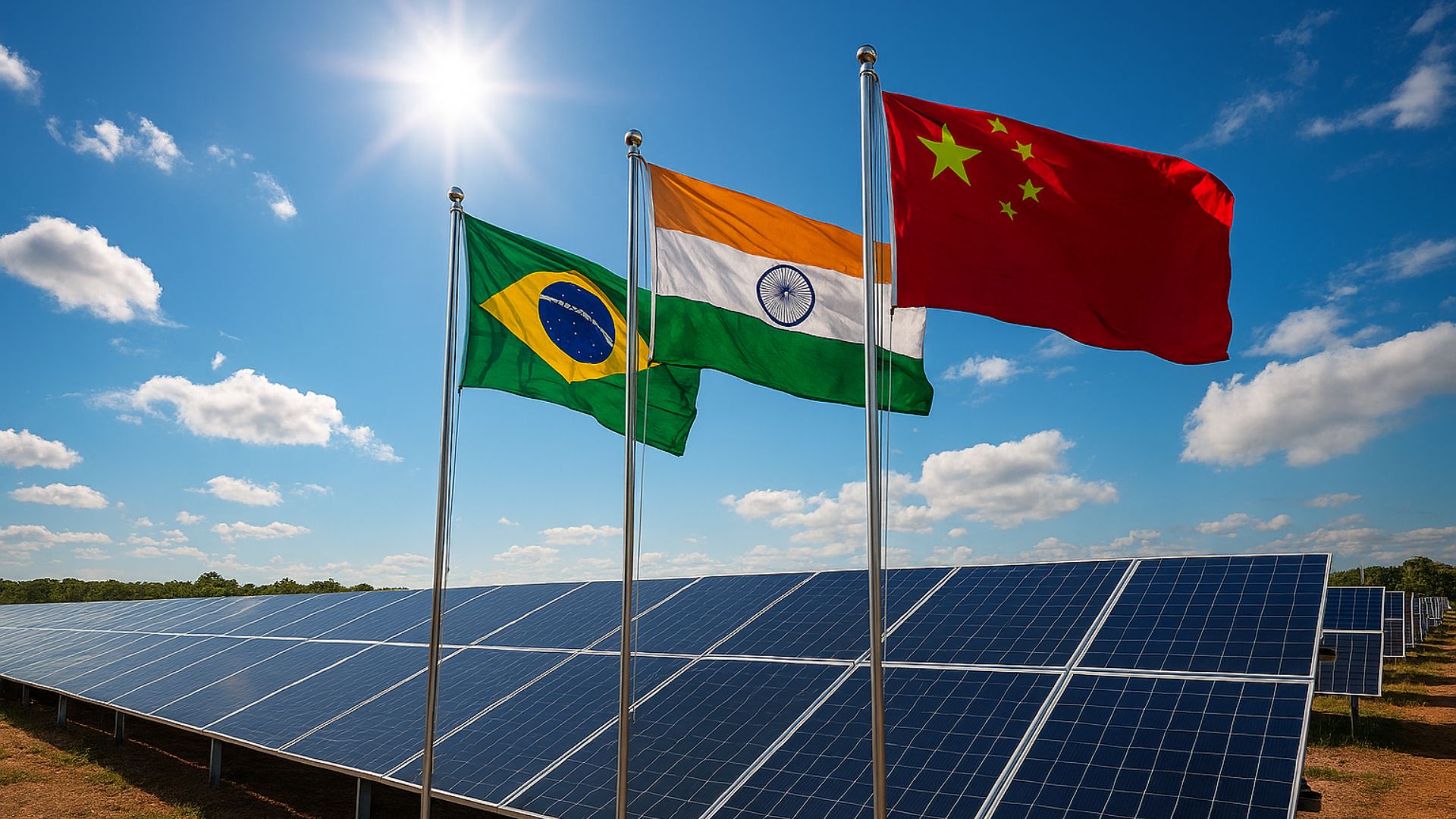
International Study Points Out That Solar Energy Has Become The Cheapest Source In Several Regions, Reducing Costs And Boosting The Energy Transition In Countries Like Brazil, China, And India
According to an article published by Olhar Digital this Tuesday (7), a study from Surrey University in the United Kingdom, published in the journal Energy and Environment Materials, revealed that solar energy has become cheaper than coal and gas in various parts of the world.
This discovery represents a turning point in the global energy transition, with direct impacts on strategic countries like Brazil, China, and India, which lead investments in renewable sources. Solar energy has ceased to be a futuristic promise and has become the most economical and sustainable option today.
Solar Energy: The Cheapest And Cleanest Source On The Planet
According to the study, in regions with high solar incidence, the cost of photovoltaic generation has fallen to just £0.02 per unit of energy — about R$ 0.14.
-
Roraima bets on the sun to escape high tariffs: Amid the energy crisis and price hikes, solar energy is growing in Roraima and transforming consumption in the North region.

-
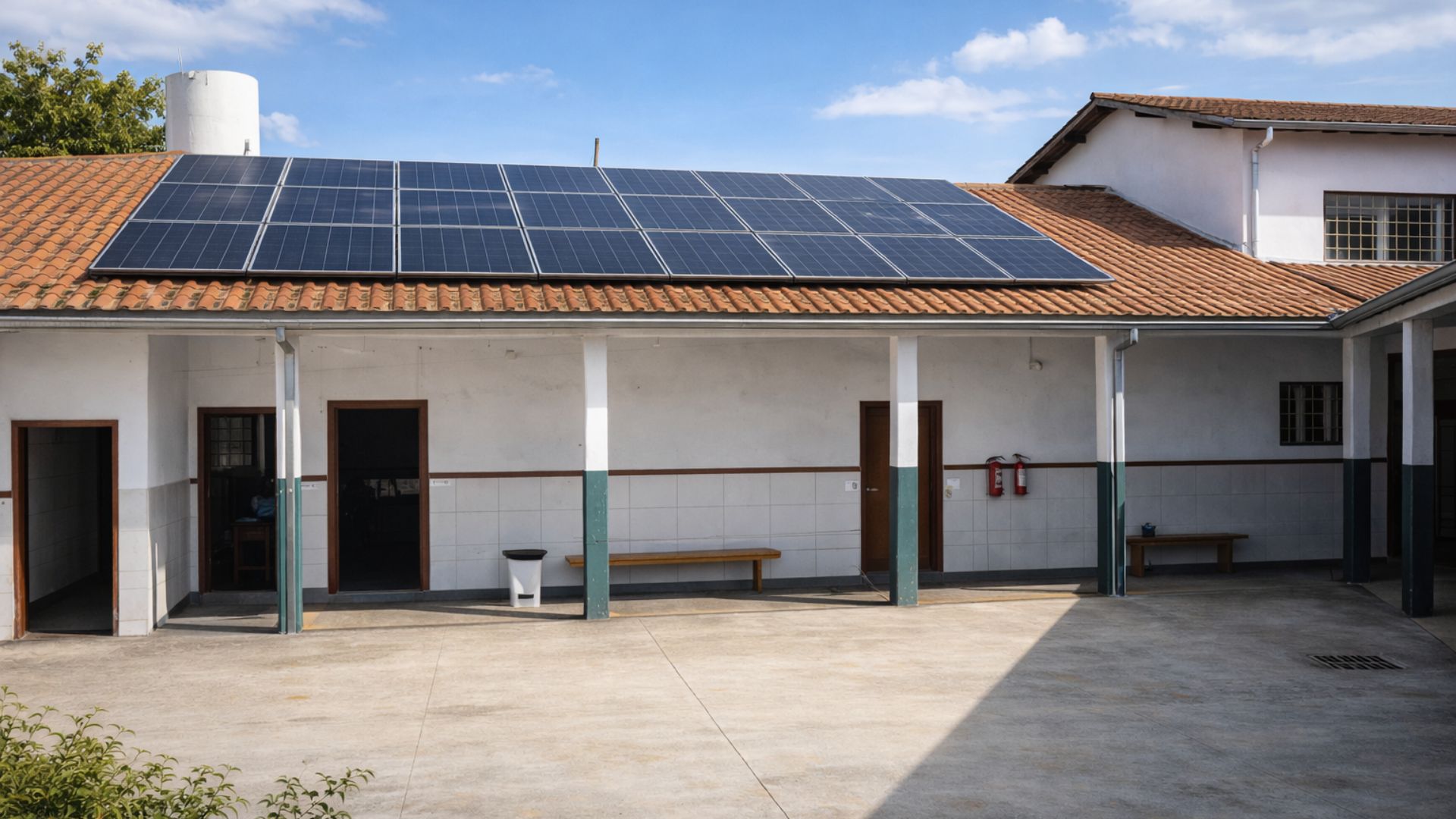
Copel boosts solar energy in Paraná and brings innovation to public schools, promoting savings on electricity bills, energy efficiency, and a direct impact on the quality of education.
-
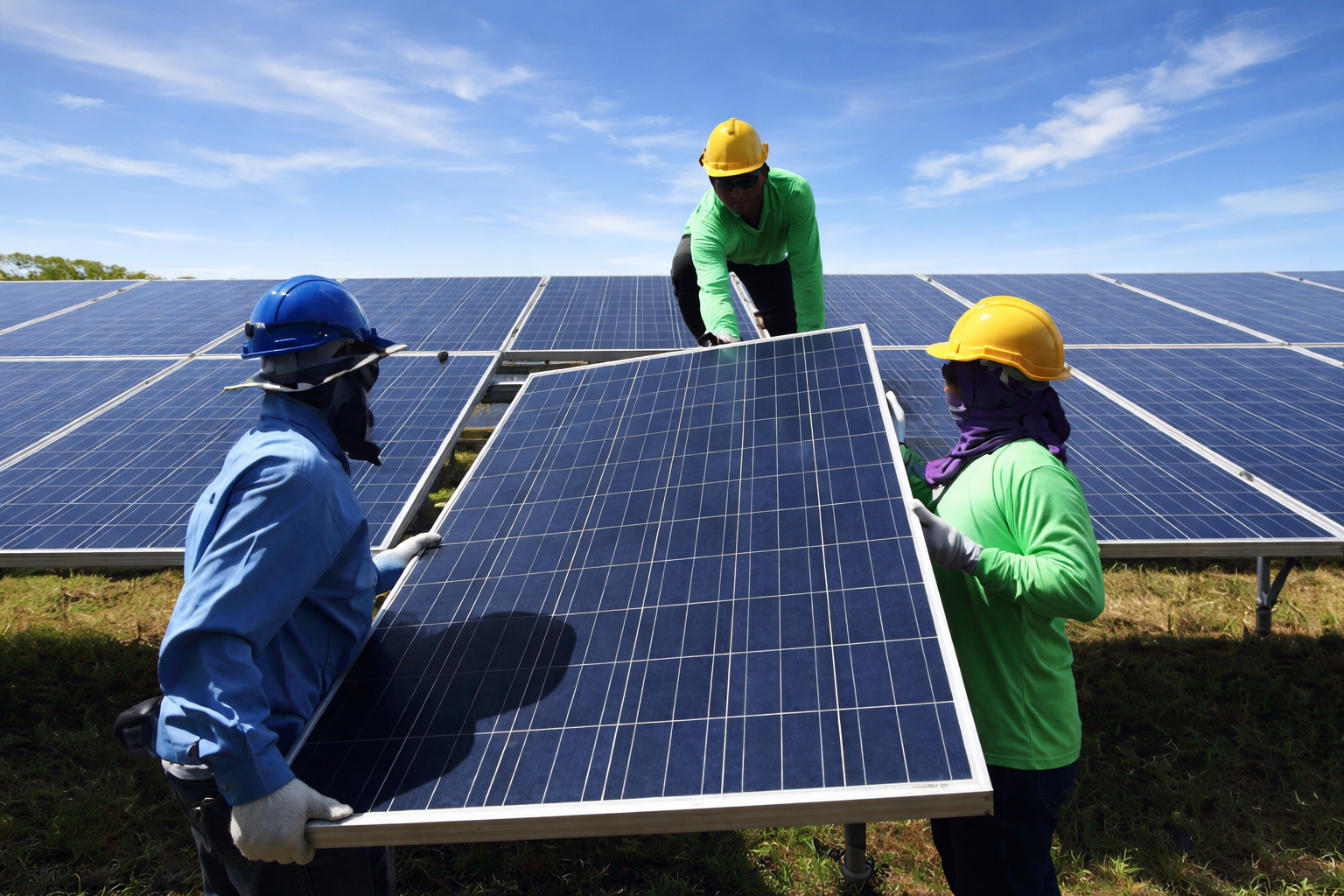
Brazil reaches historic milestone in solar energy: Sector surpasses 2 million accumulated green jobs and generates billions in the national economy even under market pressure.
-
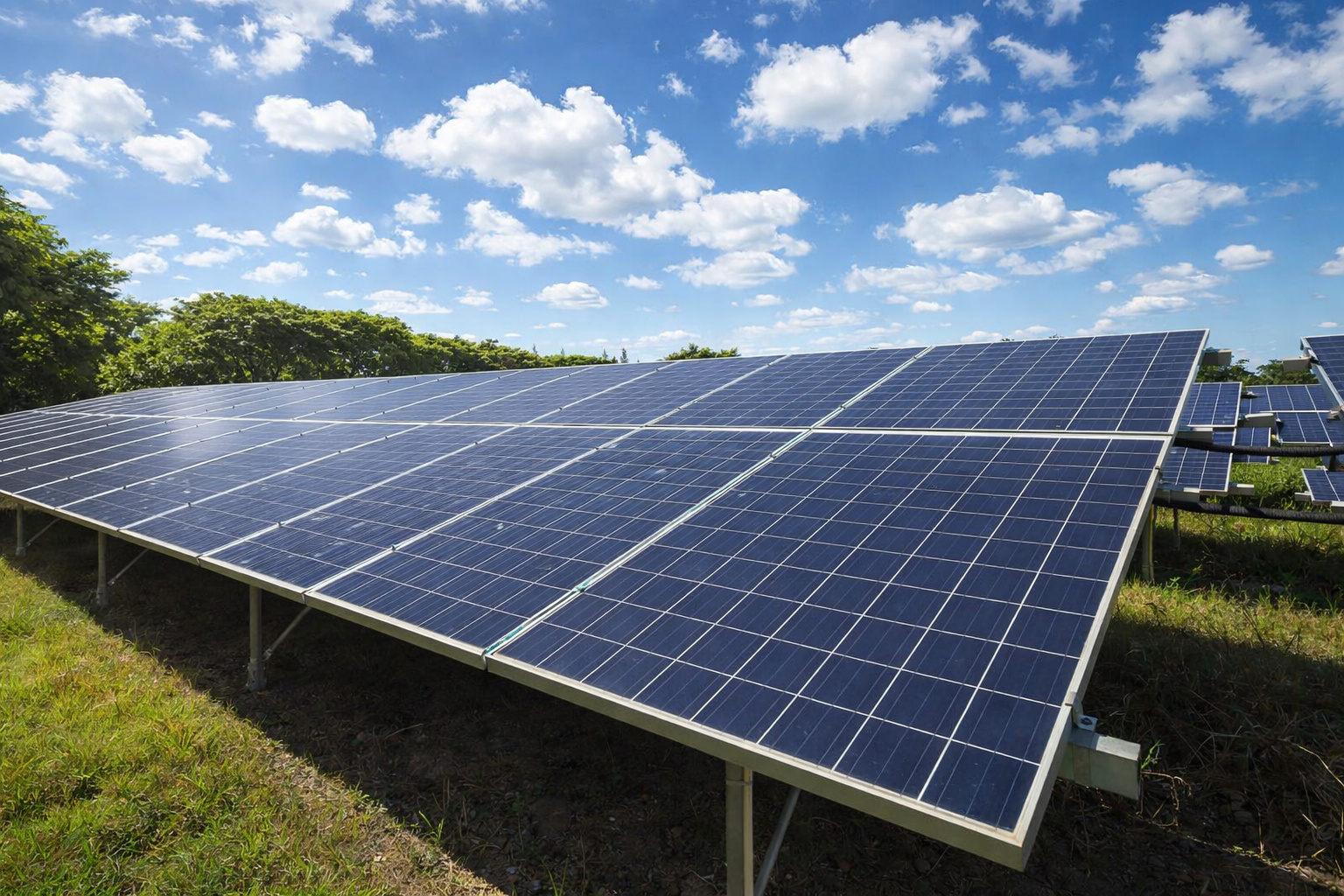
Minas Gerais takes the lead in renewable energy: State surpasses historic mark of 14 GW in solar energy generation in MG and consolidates dominance in the Brazilian electric sector.

This decline was driven mainly by a 89% reduction in lithium-ion battery prices since 2010, making hybrid systems (solar panels + storage) highly competitive.
Moreover, the global installed capacity of solar energy surpassed 1.5 terawatts in 2024, double the amount recorded in 2020. This volume is enough to supply hundreds of millions of households worldwide. Photovoltaic energy leads the race for a clean, resilient, and low-carbon energy matrix.
Comparison: Solar Energy And Coal And Gas
Historically, coal and gas have dominated electricity generation due to their availability and established infrastructure. However, technological advances and incentives for clean energy have changed this scenario. Today, solar energy not only outperforms coal and gas in cost, but also offers environmental and operational advantages:
- Zero carbon emissions during generation;
- Less environmental impact in installation and operation;
- Storage capacity for on-demand use;
- Reduction of dependence on fossil fuels.
Energy Transition In Strategic Countries: Brazil, China, And India
The energy transition is underway in several nations, but Brazil, China, and India stand out for their public policies, investments, and favorable climatic conditions.
Brazil: Accelerated Growth Of Solar Energy
Brazil already has more than 2.3 million photovoltaic installations, according to the Brazilian Association of Photovoltaic Solar Energy (Absolar). In 2024, photovoltaic energy was responsible for 39.51% of the growth in national energy capacity, becoming the third largest source of generation, behind only hydro and wind.
Investments exceeding R$ 39 billion are lowering the costs of solar systems, even for residential use, and generating more than 280,000 jobs in the sector. The country has also excelled in large-scale solar plant projects in the Northeast, especially in Maranhão, Piauí, and Bahia.
China: Global Leadership In Solar Energy
China leads the world in installed photovoltaic capacity, with aggressive policies to incentivize local production of panels and batteries. The country faces challenges like grid congestion, but is investing in smart grids and artificial intelligence to optimize distribution.
In 2024, China surpassed 500 GW of installed solar capacity, accounting for over 30% of global production. Additionally, the country is responsible for over 70% of global solar panel manufacturing, which reduces costs and accelerates adoption in other markets.
India: Democratization Of Solar Energy
India has been expanding its solar capacity with support from programs like the National Solar Mission and tax incentives. The country is betting on hybrid systems to ensure stability in power supply, especially in rural and remote areas.
In 2024, India reached 100 GW of installed capacity, with projections to double that number by 2030. Photovoltaic energy has been used to power schools, hospitals, and irrigation systems, promoting energy inclusion and social development.
Innovation And Challenges In The Integration Of Solar Energy
Despite advancements, the study from Surrey University warns of challenges in integrating solar energy into existing power grids. In places like California and China, high solar generation has already caused wasting of energy due to lack of adequate infrastructure.
Proposed solutions include:
- Smart grids with demand forecasting;
- Robust regional connections;
- Consistent and long-term public policies;
- Material innovation, such as perovskite cells, which increase efficiency by up to 30%.
Moreover, energy storage remains a critical point. Although lithium-ion batteries have become more accessible, there is still a need for more durable and sustainable technologies, such as solid-state batteries and green hydrogen systems. Solar energy requires continuous innovation and political support to reach its maximum potential.
Economic And Environmental Impact Of Solar Energy
The large-scale adoption of solar energy brings benefits that go beyond the economy:
- Reduction of greenhouse gas emissions;
- Diversification of the national energy matrix;
- Stimulus to the local clean technology industry;
- Creation of skilled jobs;
- Strengthening of energy security.
According to the International Energy Agency (IEA), the transition to renewable sources could generate more than 30 million jobs by 2030, with a focus on the solar sector. Additionally, it is estimated that the replacement of coal and gas with solar energy could avoid the emission of more than 20 gigatons of CO₂ by 2050.

The New Global Energy Paradigm
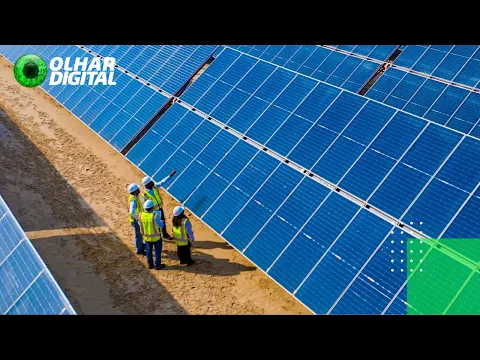
The published study confirms that solar energy is already cheaper than coal and gas, marking a turning point in the history of world energy. With countries like Brazil, China, and India leading the energy transition, the world is moving toward a cleaner, more accessible, and resilient matrix.
More than a trend, solar energy represents a new energy paradigm, where sustainability, innovation, and economy go hand in hand. The historic drop in costs, together with technological advancement and political engagement, makes solar energy the main bet to face climate challenges and ensure a secure energy future.







Seja o primeiro a reagir!