





 Português
  Inglês
  Espanhol
 3 min de leitura


Obstacles to the Evolution of Renewable Energies in Brazil
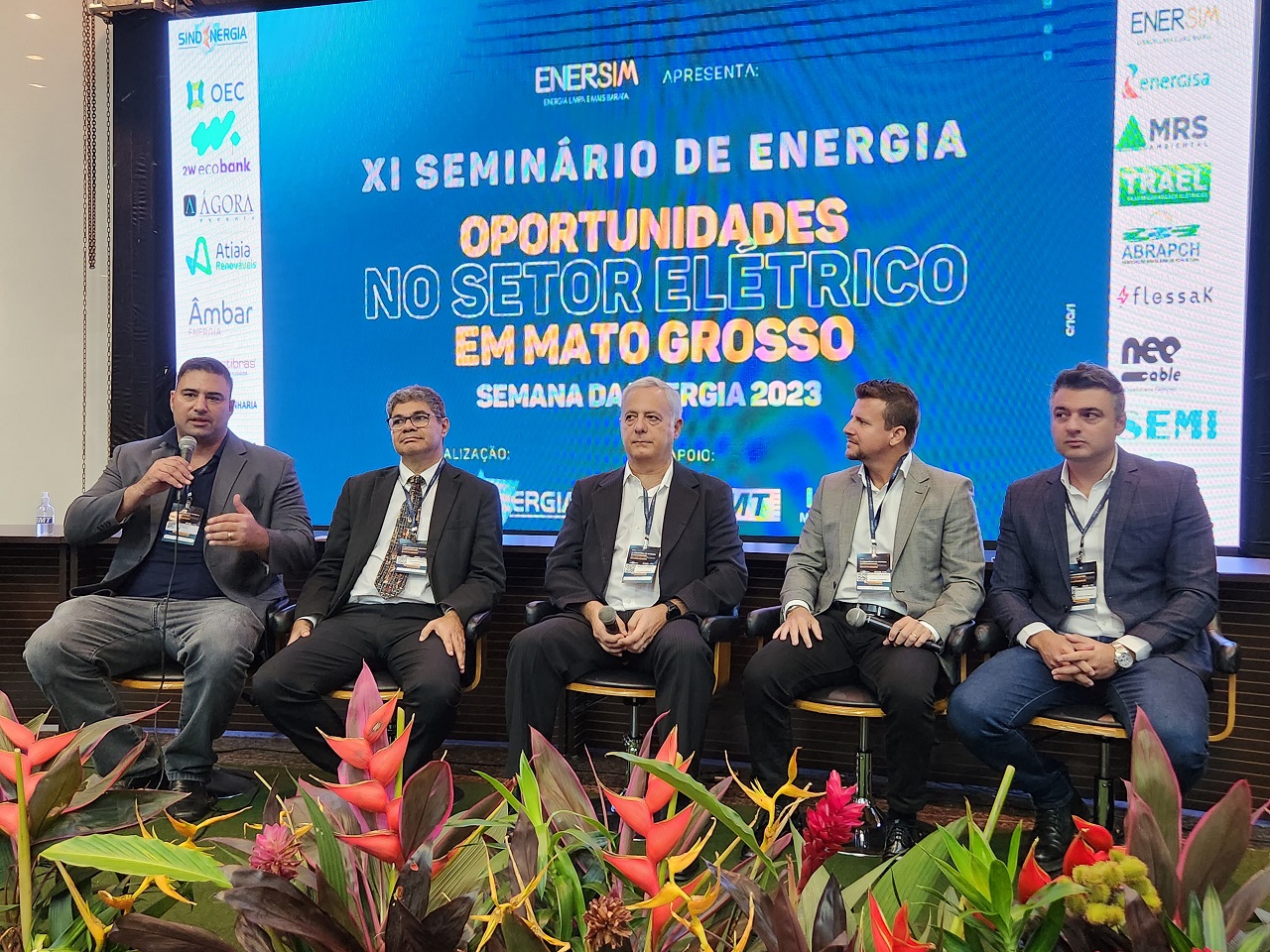
The dissemination of false information about renewable energies, such as solar energy, hydropower, biodiesel, biogas, and biomethane, has emerged as a significant obstacle to the growth of these sectors. This issue was discussed during the closing of the XI Energy Seminar, held by Sindenergia/MT at the Federation of Industries of Mato Grosso (Fiemt), from May 8 to 10.
In the video below, a brief overview of the event on the Fiemt YouTube channel


Fake News and Its Consequences for Each Sector
Fake news has specific characteristics in each sector. In the biodiesel context, for example, fake news associates the biofuel with problems in diesel engines and equipment.
-
Renewable energy advances over protected areas in Brazil, and a survey by the Energy Transition Observatory reveals silent impacts that challenge environmental conservation and pressure sensitive traditional territories.

-
Rio Grande do Sul accelerates energy transition: State invests in renewable technologies and consolidates decarbonization strategies and pathways to attract billions in new industrial investments.

-
With 160,000 m² of collectors, an area larger than 20 football fields, Silkeborg, in Denmark, hosts a solar thermal plant that heats 19,500 homes and could become the largest solar heating plant in the world.

-
A study reveals the expansion of renewable energy procurement in Brazil and shows how companies are taking advantage of opportunities to reduce expenses, ensure energy efficiency, and strengthen strategic environmental commitments.


Regarding solar energy, the dissemination of erroneous information about constant maintenance, functionality on cloudy or rainy days, or even the notion that it is a system only for rich people has hindered the expansion of this energy source. Small Hydroelectric Plants (PCHs) are mistakenly pointed out as subsidized.
Unity of Renewable Sectors to Demystify Fake News
During the event, participants identified a common need: to combat the fake news that harms the renewable energy sectors. According to the president of the Council of the Brazilian Association of Small Hydroelectric Plants (ABRAPCH), Paulo Arbex, the root of the problems lies far from the efficiency of renewable sources. “Brazil is one of the few countries in the world that could smoothly make the definitive transition to 100% renewables even at a lower cost than the current fossil sources,” declared Arbex.
Arbex also pointed to the need to reduce bureaucracy and create greater synergy among renewable energy sectors. He argued that the largest subsidies today are aimed at fossil fuels, amounting to R$ 123 billion a year. Renewable energy in Brazil, according to him, is cheaper than fossil, but the rules of the electric sector allow contracting fossil thermoelectric plants at R$ 2,500, while they do not permit contracting 100% Brazilian PCHs with lower carbon footprints at R$ 300.
To combat fake news and bring more synergy to the energy market, it is necessary to unite the strengths of all generating sources in the country, stressed the president of Sindenergia and organizer of the event, Tiago Vianna Arruda. The creation of a Working Group (GT) with Fiemt and unions involved with renewable energy was proposed, seeking solutions to the problem of false news in the sector.
Together Against Fake News: Joint Action of Renewable Energy Sectors
The vice president of Fiemt, Rodrigo Guerra, emphasized that the entity is a partner in this fight for the truth about the sector. He acknowledged the challenges, given the novelty of the renewable energy sector and the number of adversaries. Guerra highlighted the need to join forces to advance as a block, and pointed out Fiemt as a partner in this progress.
“When we unite all sources – solar, PCHs, biogas, biomethane, biodiesel – we will achieve a safer electric system and lower prices in the medium and long term for consumers,” pointed out Arruda.
The president of Sindibio, Rômulo Morandin, emphasized the urgency of combating fake news and suggested creating a document to be sent to national associations, as well as working with the State.
The Future of Renewable Energies: Combating Fake News and Sustainable Growth
Facing fake news is essential to ensure the sustainable growth of renewable energies in Brazil. Awareness of the efficiency and accessibility of renewable sources, combined with the fight against false information, will be decisive for consolidating the sector and enabling the transition to a cleaner and more sustainable energy matrix.
The unification of renewable energy sectors in a joint effort to combat fake news demonstrates the importance of an integrated and collaborative approach to overcoming the challenges in the sector. The future of energy in Brazil undoubtedly lies in expanding renewable sources and demystifying the false information surrounding these sectors.










Seja o primeiro a reagir!