





 English
  Francês
  Alemão
  Italiano
  Japonês
  Norueguês
  Portuguese
  Spanish
  5 min of reading
  0 comments


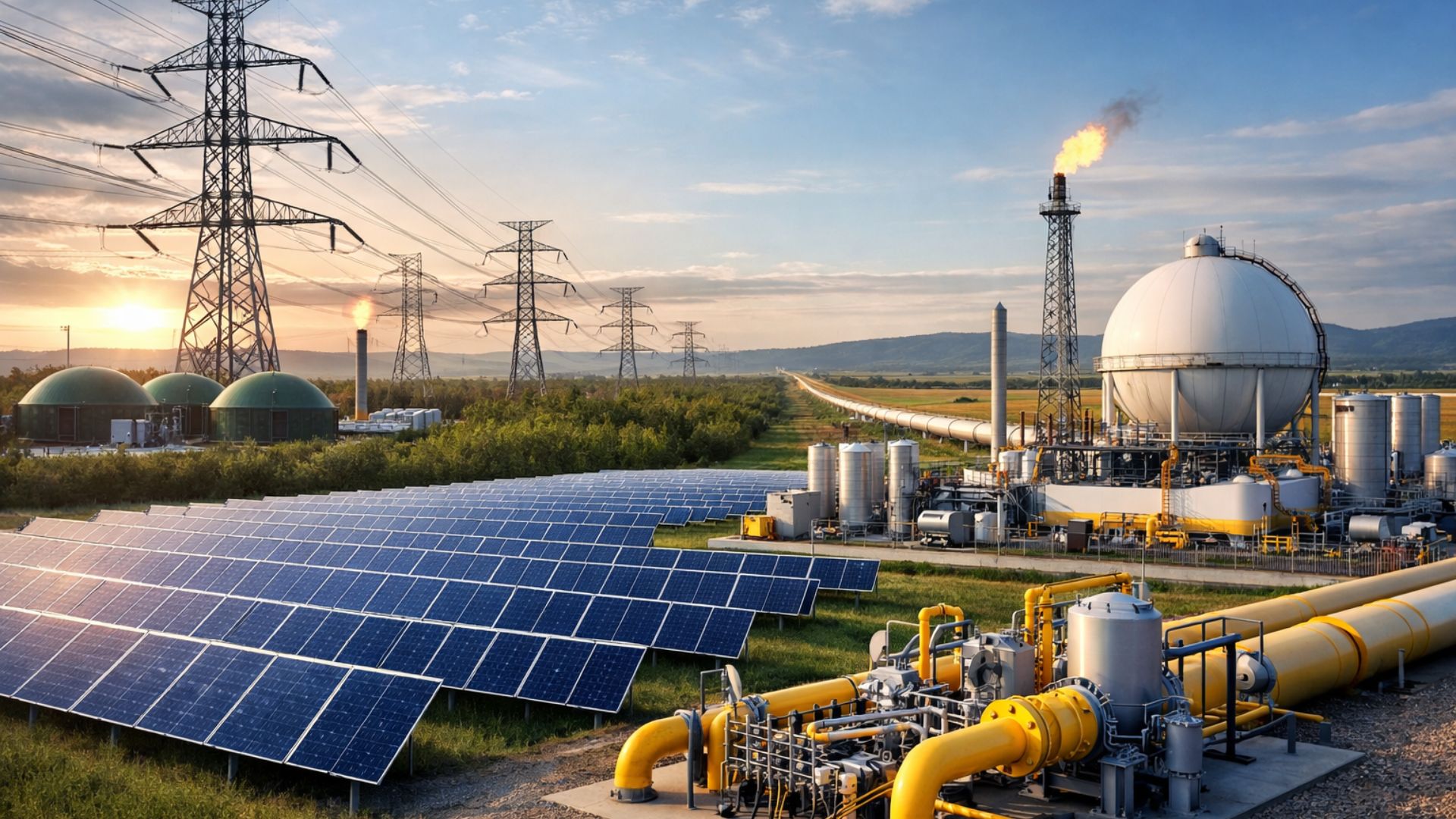
Energisa Details New Billion-Dollar Investment Plan for 2026 Focused on Modernizing the Energy Grid, Expanding Connections and Growing Natural Gas Business
Energisa officially announced on February 19 a robust investment plan of R$ 7 billion for the year 2026. The amount will be primarily directed towards modernizing the electricity energy infrastructure and expanding the gas business, reinforcing the group’s sustainable growth strategy.
Of the total amount, approximately R$ 6.5 billion — equivalent to 92% of CAPEX — will be allocated to electricity distribution companies. The decision comes at a strategic time, marked by the anticipation of the early signing of renewal contracts for four group distributors in the states of Mato Grosso, Mato Grosso do Sul, Sergipe, and Paraíba.
This move increases the planned investments for 2026 compared to 2025 and strengthens regulatory predictability. For consumers, the expectation is for improved reliability in supply and higher quality of service.
-
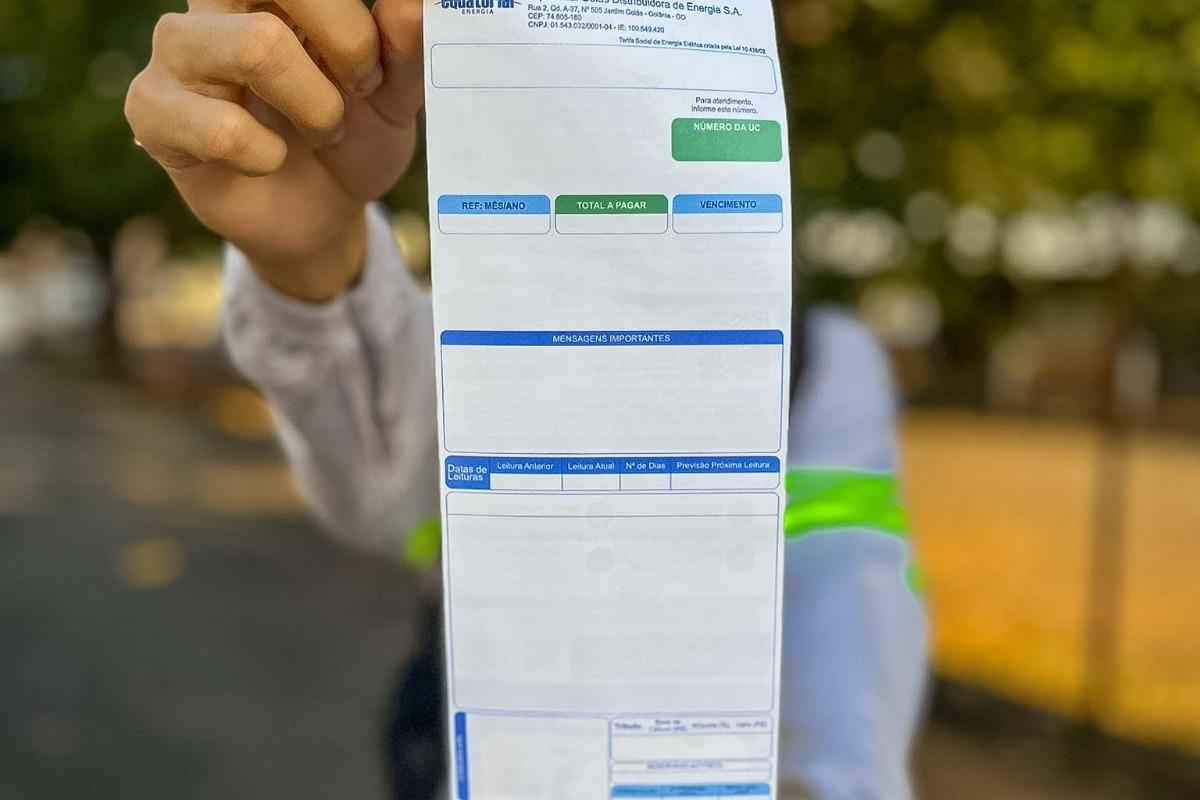
Equatorial adopts new national number for consumer units on electricity bills starting in April, following ANEEL standards and modernizing energy bills in several states.
-
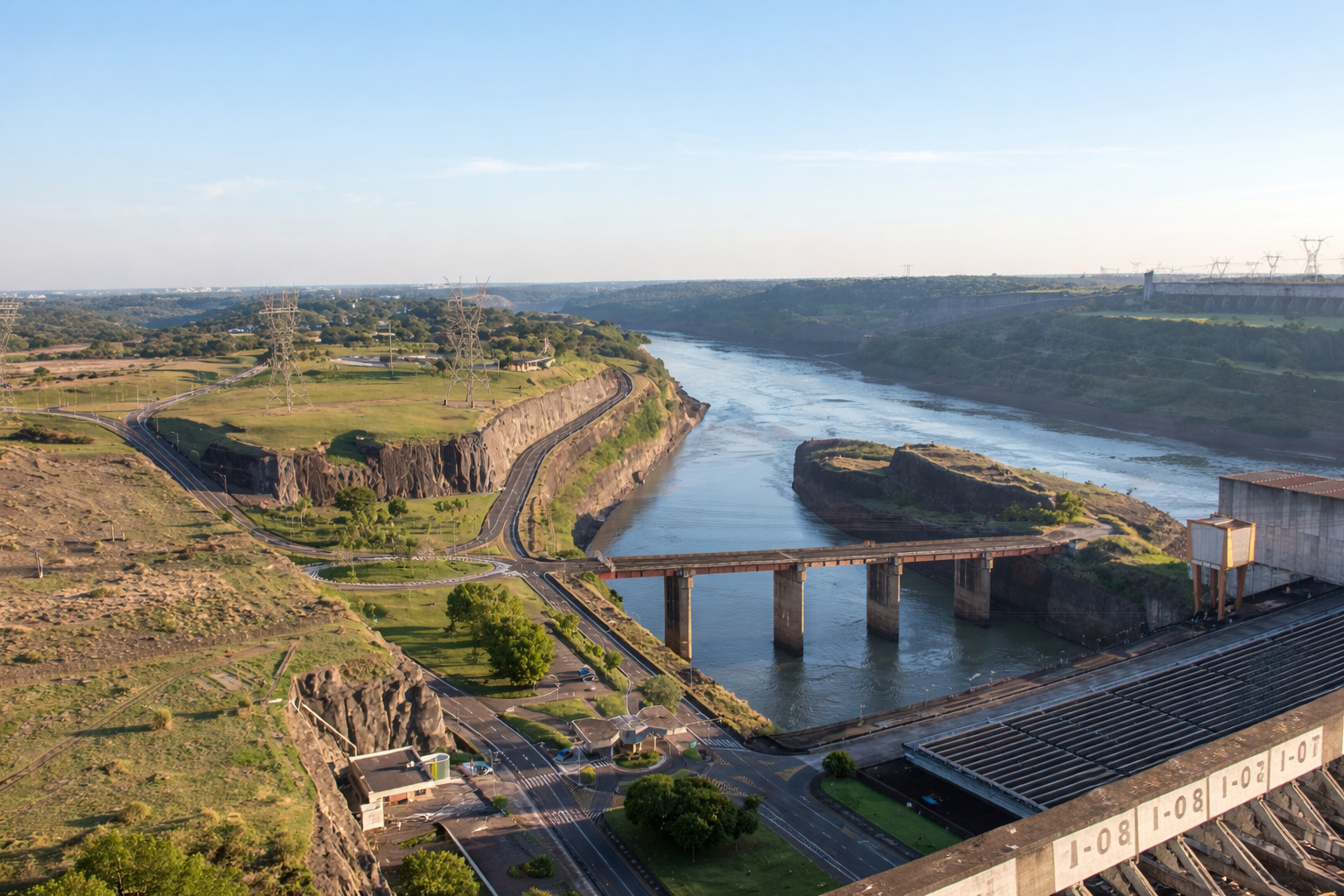
Itaipu Impresses the World: Hydroelectric Plant with 20 Turbines and 14,000 MW Generates Over 2.9 Billion MWh and Leads Global Clean Energy Production
-
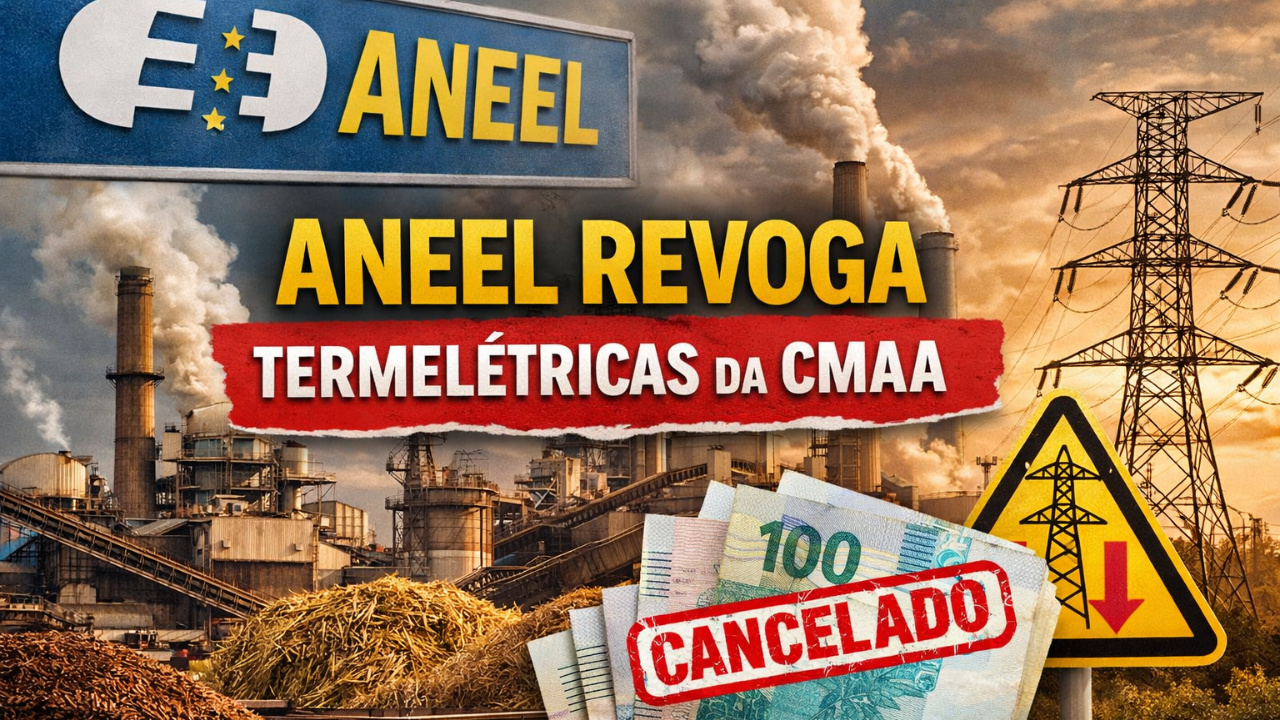
Aneel Revokes CMAA Thermal Power Plants After Network Restrictions and Excess Energy in the System
-
13-Year-Old Scientist Creates Clean Energy Device For Just R$ 16, Wins $25,000 Prize And Surprises The World With Affordable Solution


Modernization of the Electrical Grid Concentrates the Major Part of the Energy Investment Plan
The main focus of the investment plan from Energisa is concentrated on modernizing the electrical energy grid. The company will direct R$ 6.5 billion to the distributors, prioritizing structural improvements, asset reinforcement, and increasing operational capacity.
According to the new regulatory guidelines governing the concessions, the investments aim to elevate quality and safety standards in supply. This involves replacing equipment, reinforcing networks, expanding substations, and increasing system automation.
A relevant fact is that 37% of investments in distribution will be allocated to making new connections. This percentage demonstrates Energisa‘s commitment to expanding access to electricity, contributing to regional development and social inclusion in areas served by the group.
The expansion of the grid directly impacts communities that gain formal access to energy, in addition to supporting the growth of commercial and industrial activities.
Early Renewal of Concessions Strengthens Security for Energisa’s Expansion
The prospect of early renewal of concessions in the states of Mato Grosso, Mato Grosso do Sul, Sergipe, and Paraíba was pivotal for the expansion of Energisa‘s investment plan.
The renewal offers greater legal security and stability for long-term planning. In a capital-intensive sector like energy, longer-lasting concession contracts allow for broader modernization cycles and spreading investments over the years.
This predictability benefits not only the company but also consumers, who will have a more structured network ready to meet growing demand.
Moreover, the expansion of electrical infrastructure has a multiplying effect on the regional economy, favoring job creation and attracting new ventures.
Transmission Investments Increase Reliability of the Energy System
The investment plan from Energisa also includes contributions to the energy transmission segment, considered strategic for ensuring supply stability.
Investment of R$ 180.3 million is planned to strengthen supply reliability in the metropolitan area of Manaus, Amazonas. The region faces specific logistical and structural challenges, making the reinforcement of transmission infrastructure essential.
Another highlight is the implementation of a new transmission line in Maranhão, a project won in the 2024 auction. Projects of this type help reduce overload risks, improve system integration, and enhance operational safety.
With these contributions, Energisa aims to consolidate a more resilient energy network prepared to meet regulatory demands and consumption growth.
Energy Solutions and Distributed Generation Expand Energisa’s Portfolio
In the energy solutions segment, (Re)energisa will continue to expand with a planned investment of R$ 109 million. The focus is on distributed generation and value-added services. Currently, the brand has 125 solar power plants and 467 MWp of installed capacity. This volume highlights the significance of solar generation within the group’s diversification strategy.
Operations include generation, commercialization of energy in the free market, and offering customized solutions for corporate clients. The growth of distributed generation follows a national trend towards decentralizing energy production. By investing in this segment, Energisa expands its presence in higher value-added areas and strengthens its competitiveness in an increasingly dynamic market.
Investment Plan in Gas Strengthens Diversification and Growth of Energisa
In addition to electricity energy, the investment plan from Energisa anticipates R$ 373.3 million allocated to gas business in 2026. ES Gás, the natural gas distributor from Espírito Santo acquired in 2023, is expected to receive R$ 132.2 million, according to the five-year plan disclosed in 2025. The goal is to expand the distribution network and strengthen the customer base for industrial, commercial, and residential clients.
The four gas distributors in the Northeast — Algás, Copergás, Potigás, and Cegás — in which the group has minority stakes, will receive R$ 197 million in investments. The expansion of natural gas helps diversify revenues, reduce risks, and broaden operations in different segments of the energy market.
Biomethane Joins Gas Strategy with New Structural Investments
In the biosolutions segment, Energisa progresses with specific investments in biomethane. Lurean, acquired in 2025, will receive R$ 42 million for a project that will allow the production of 28,000 m³/day of biomethane and biofertilizers.
In the first quarter of 2026, the group’s first biomethane plant will be inaugurated through Agric, located in Campos Novos (SC), with expected production of 25,000 m³/day.
Biomethane emerges as a renewable alternative to fossil natural gas and integrates the company’s energy transition strategy. Entry into this segment broadens the scope of the investment plan, positioning Energisa within productive chains related to sustainability.
Direct Impacts for Consumers and for Expansion of Infrastructure
The announced investments have direct repercussions on the daily lives of residential, commercial, and industrial consumers. The modernization of the grid tends to reduce interruptions and improve the quality of the provided energy. The expansion of new connections, which represents 37% of investments in distribution, helps widen access to the service.
In the gas segment, the allocations strengthen the expansion of networks and increase supply for different customer profiles. The growth of energy infrastructure supports regional development and enhances economic competitiveness.
With R$ 7 billion in allocations for 2026, of which R$ 6.5 billion is directed to electricity distribution companies, R$ 180.3 million in transmission, R$ 109 million in energy solutions, and R$ 373.3 million in gas business, Energisa reinforces its role as one of the leading private groups in the sector.
What Energisa’s Investments Signal for the Future of the Energy and Gas Sector
The new investment plan demonstrates that Energisa is betting on structured growth, diversification, and modernization as strategic pillars. By focusing 92% of CAPEX on electricity energy distributors, the company reinforces its commitment to quality and reliability. At the same time, investments in gas, distributed generation, and biomethane indicate a long-term vision and adaptation to market transformations.
The combination of R$ 7 billion in investments for 2026, expansion of concessions, new transmission projects, and strengthening of natural gas and biomethane businesses positions the company for greater resilience and competitiveness.
For consumers and investors, this movement signals operational stability, expansion of infrastructure, and commitment to the evolution of the Brazilian energy system.









Seja o primeiro a reagir!