





 Portuguese
  English
  Spanish
  3 min of reading
  0 comments


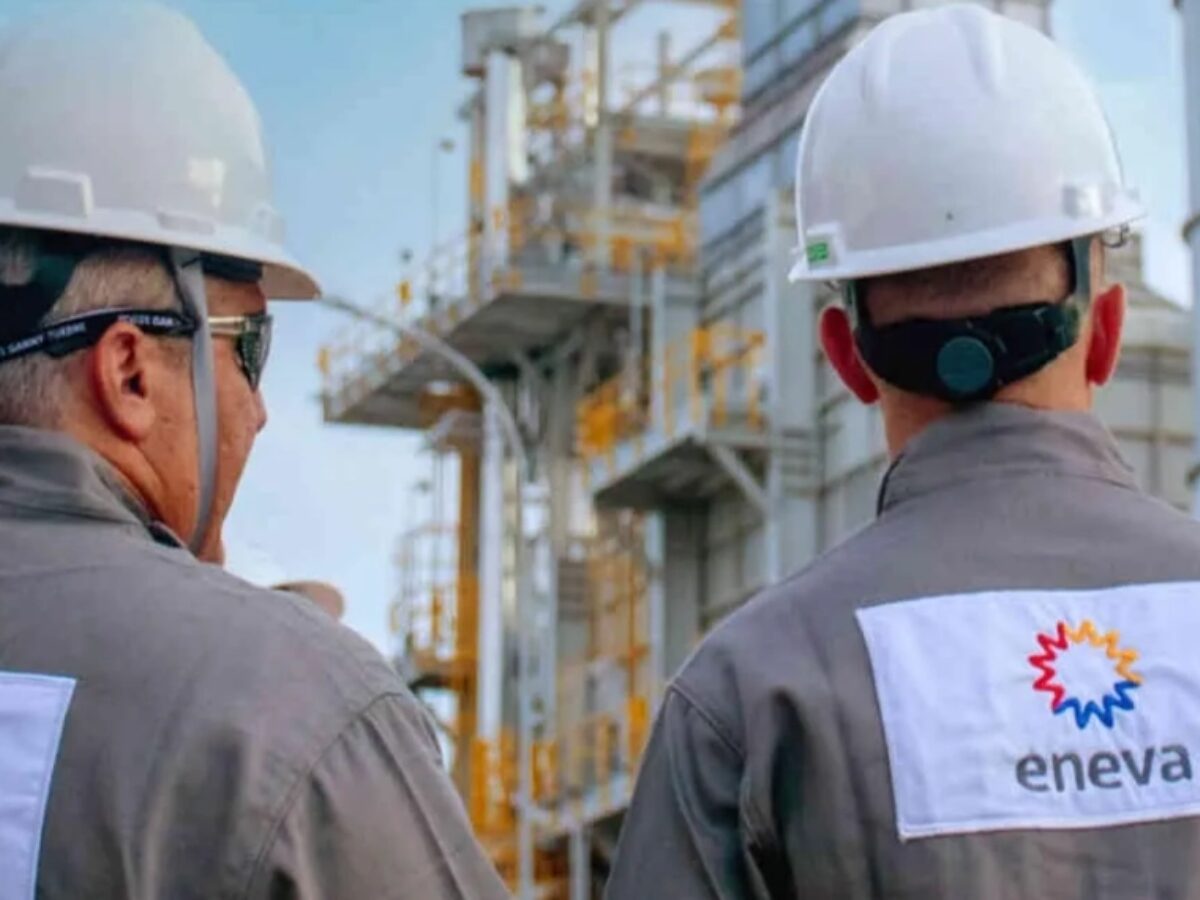
Eneva Received Authorization from ANP to Import Gas from Argentina and Bolivia for Two Years. Operation Expands Supply Routes and Strengthens Energy Security in Brazil.
Eneva, a Brazilian energy company, obtained authorization from the National Agency of Oil, Natural Gas and Biofuels (ANP) on Thursday (8) to import natural gas from Argentina and Bolivia. The authorization, valid for two years, will allow the company to bring in up to 3 million cubic meters per day of the fuel, with deliveries expected in three Brazilian cities: Corumbá (MS), Cáceres (MT), and Uruguaiana (RS).
The measure aims to expand access to natural gas in national territory, diversifying the supply and reinforcing energy security in Brazil. The operation will be carried out through existing pipelines at the borders with neighboring countries.
New Gas Routes with Argentina and Bolivia
Bolivia remains a strategic route in the energy integration between Brazil and Argentina. In Corumbá (MS), the entry point of the traditional Bolivia-Brazil Pipeline (Gasbol) is operated by TBG.
-
Brazilian giant expands borders in the Southeast: Petrobras confirms new oil discovery in ultra-deep waters in the pre-salt of the Campos Basin.

-
Alert in the global energy market: Severe tropical cyclone hits the coast and disrupts gas production at major plants in Australia, threatening global supply.

-
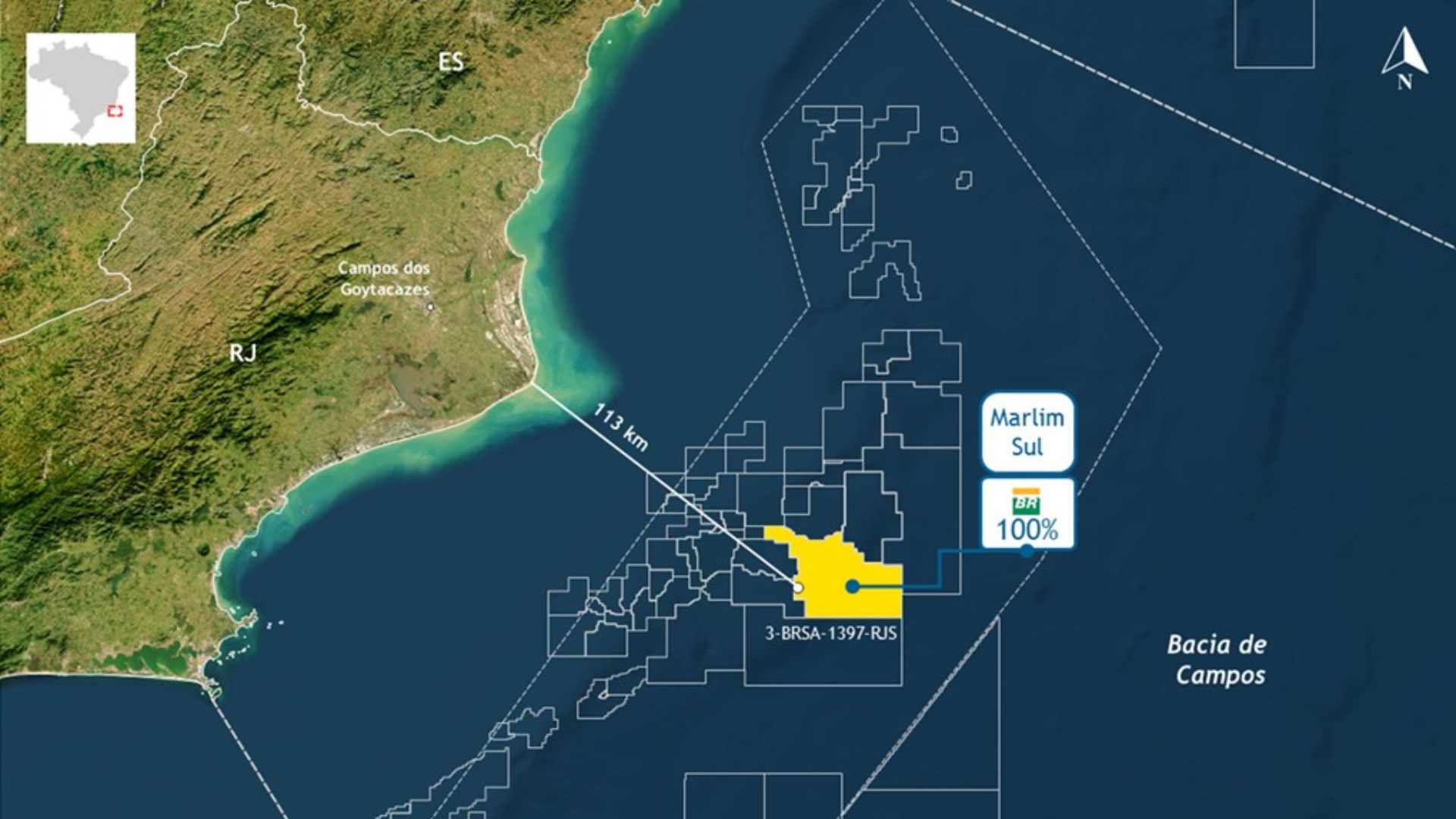
Petrobras finds high-quality oil in the pre-salt at 113 km from RJ and reignites expectations about strategic reserves in the Campos Basin.

-
Ocyan opens registrations for startups focused on innovation in the oil and gas sector and will select projects for Innovation Day with the support of Nexio.


In Cáceres (MT), the gas will arrive via the isolated branch of GasOcidente, known as Lateral Cuiabá. Finally, in Uruguaiana (RS), the infrastructure of TSB (Sulbrasileira de Gás) will be used, which connects the city to Argentina, although without direct interconnection to the national grid.
The ANP’s authorization reinforces Eneva’s strategy to expand its presence in the natural gas sector, taking advantage of international opportunities to supply the Brazilian domestic market.
Agreement with Pampa Energía Expands Gas Supply
In March, Eneva formed a partnership with Pampa Energía, one of the largest energy companies in Argentina. The agreement provides for the importation of up to 1 million m³/day of Argentine gas via Bolivia, valid until May 2027.
Pampa has already requested authorization from the Argentine government to facilitate the export of the fuel. The gas will primarily come from the reserves of the Vaca Muerta formation, located in Patagonia, one of the largest unconventional reserves in the world.
Feasibility Tests in the Argentina–Bolivia–Brazil Corridor
Recently, Tradener, a Brazilian energy trader, also conducted its first test import of Argentine gas through this new corridor.
110 thousand cubic meters were delivered, aiming to verify the technical feasibility of the operation.
According to Tradener’s CEO, Guilherme Avila:
“The operation marks the opening of a new supply route for the Brazilian market.”
Avila emphasizes that this new logistical option represents an important advancement for competitiveness and energy security in the country. Tradener has been importing Bolivian gas since 2022.
Benefits of the New Gas Route for Brazil
The ANP’s authorization for Eneva and the tests conducted by Tradener signal a positive change in the national energy scenario. Among the main benefits are:
- Greater diversification of natural gas suppliers;
- Reduced dependence on rigid contracts with Bolivia;
- Increased energy security in border regions;
- Possible cost reduction in the medium term, with increased competition.
Gas from Argentina Could Change the Energy Market
The opening of a gas route from Argentina to Brazil via Bolivia could be a landmark in South American energy integration.
The bet by Eneva and other companies showcases the potential for a more dynamic market, benefiting both consumers and the productive sector.
The initiative reinforces the role of natural gas as a transition energy fuel and as a vector for sustainable economic development.
As a result, Brazil, Argentina, and Bolivia strengthen their commercial relations in the energy sector, at a time when the country seeks efficient solutions to meet its domestic demand with security and more competitive prices.
With information from Eixos.








Seja o primeiro a reagir!