





 Portuguese
  English
  Spanish
  2 min of reading
  39 comments


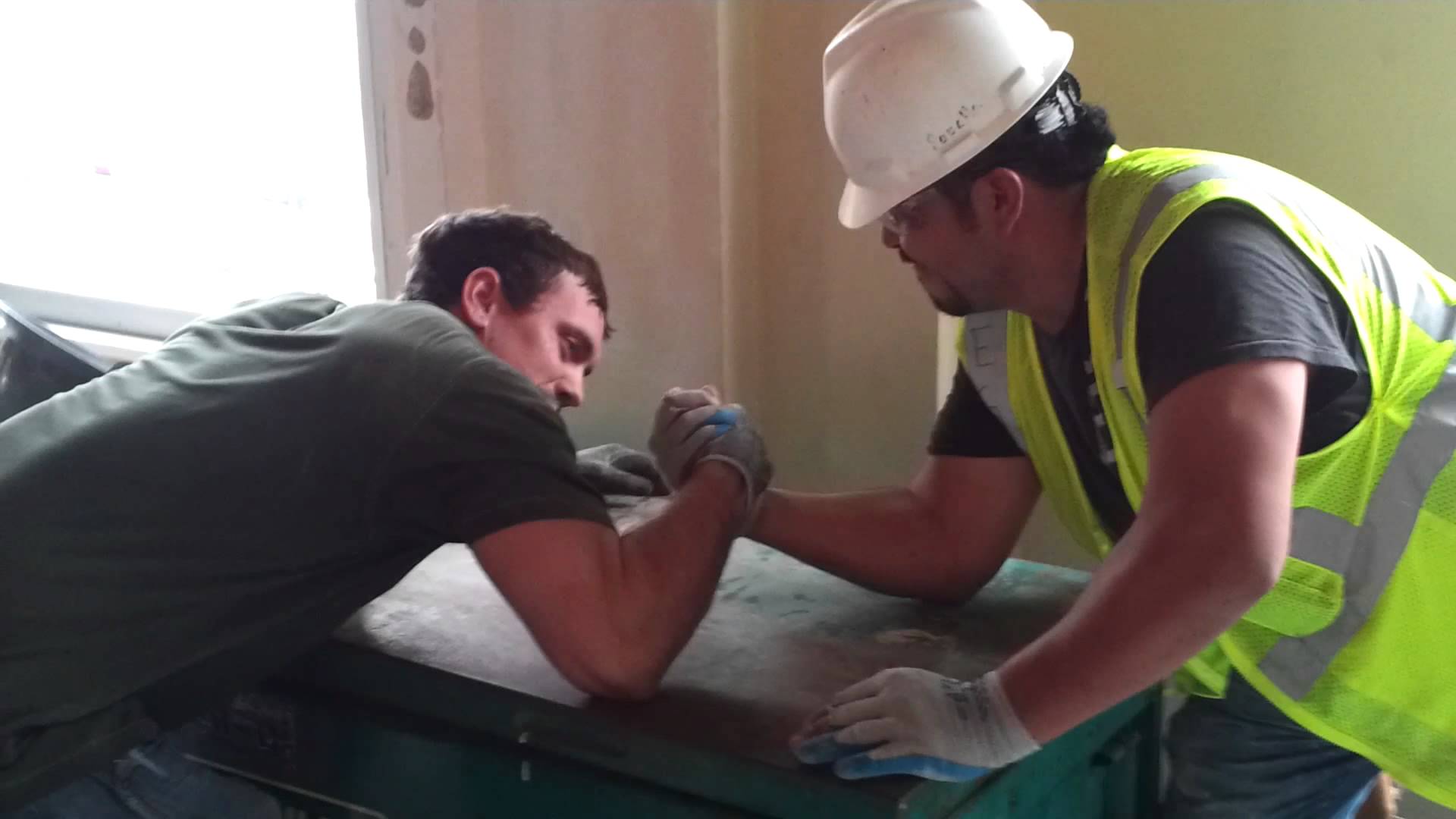
To Get a Job in This Field, Should I First Pursue Engineering or Technical Training? Discover the Foolproof Method to Achieve Professional Success.
The number of people who reach out to us asking which course to take to start their careers, especially in the oil and gas sector, is impressive. Many still have little information about the industry or are just casual supporters. Today, I want to talk a bit about a very common question: “To get a job in this field, should I first pursue engineering or technical training?”. Remembering that this short text is based on personal experiences; I am not a coach or guru in this field.
Firstly, it’s important to emphasize that all professions are valuable. Regardless of the level of education and salary, there must be a balance among positions occupied in a company or in the related sector. After all, if you have professional training, it’s because you probably don’t want to clean sewers, but without them, our streets would be dirty and smelly. So it doesn’t matter the level of humility or education of a worker; they are DIRECTLY important to everyone!
Technical education aims to train individuals for a specific segment of the industry in a short time, usually from 1 to 2 years, specializing them for operational activities. It often opens up more opportunities for those with this level of education.
Now, a higher degree in engineering, depending on the area, typically requires studying for over 5 years, and since it is usually required for managerial and leadership positions (generally responsible for the technicians), their salaries are higher when considering they work in the same company. The problem is that there aren’t as many openings, and the selection processes are typically quite competitive.
-
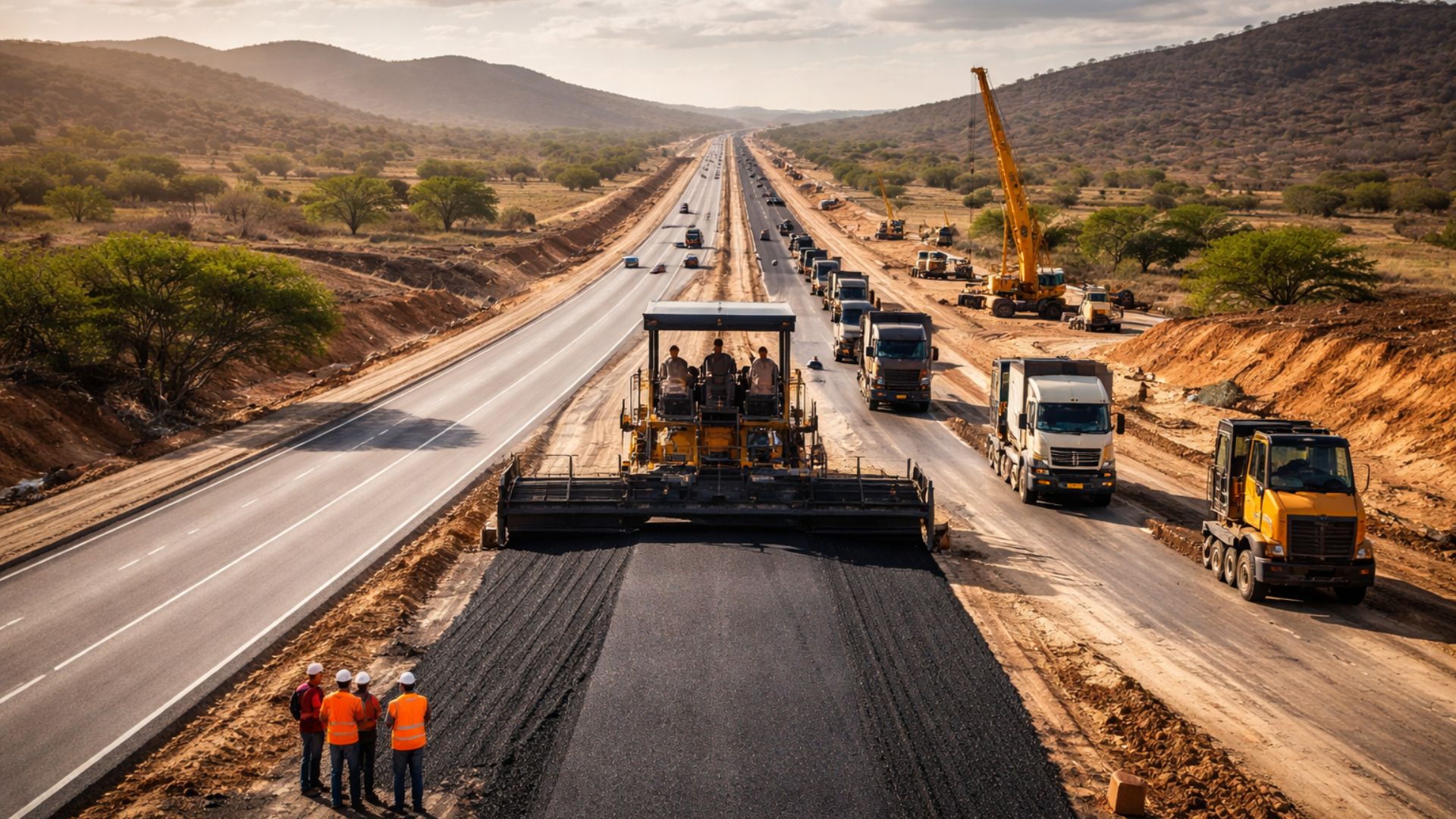
Government unlocks R$ 554 million for a highway that has been requested for decades and accelerates the duplication of BR.
-
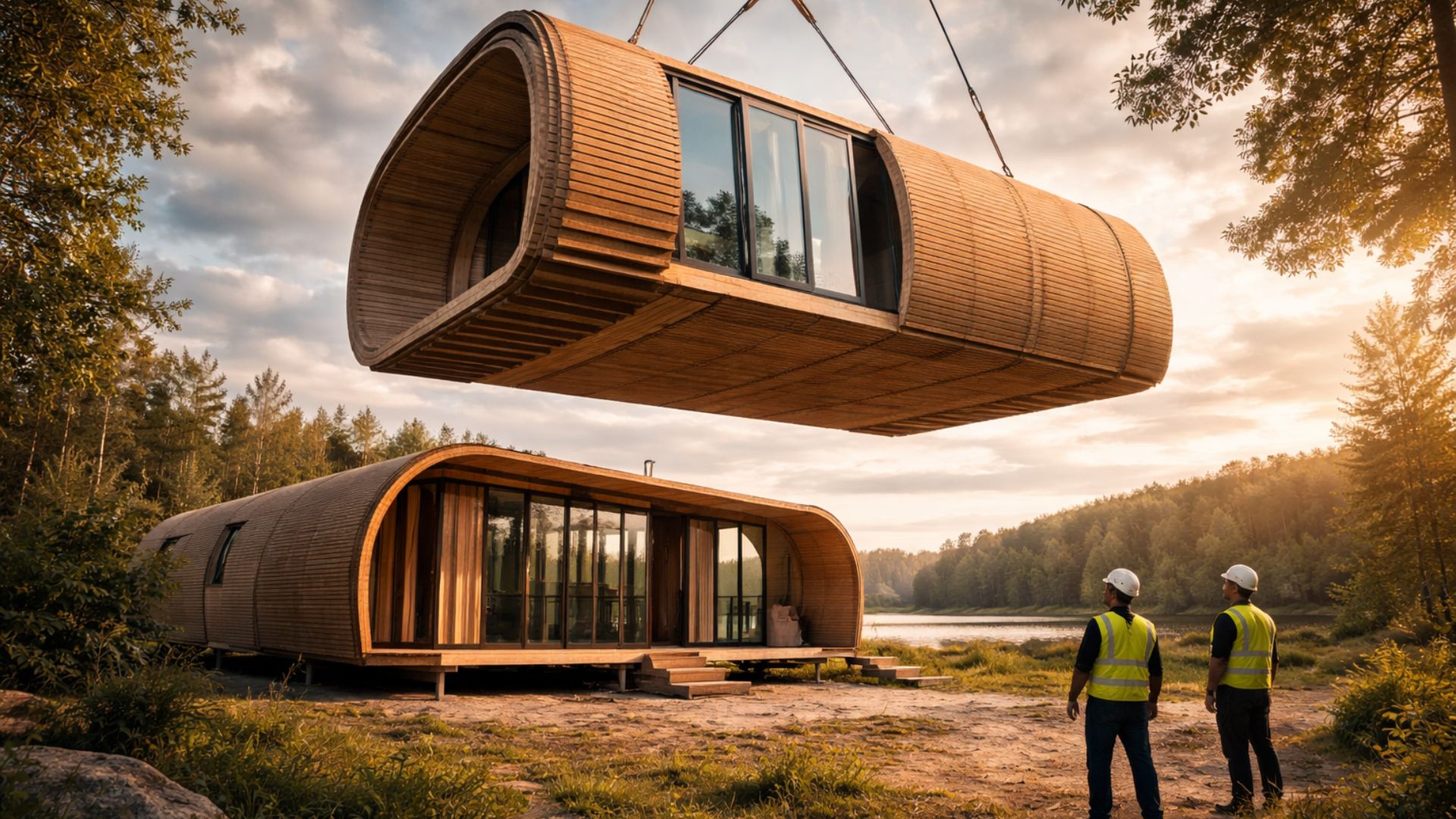
Without bricks, without cement, and without endless construction: the cardboard house that is assembled in modules and can be moved.
-
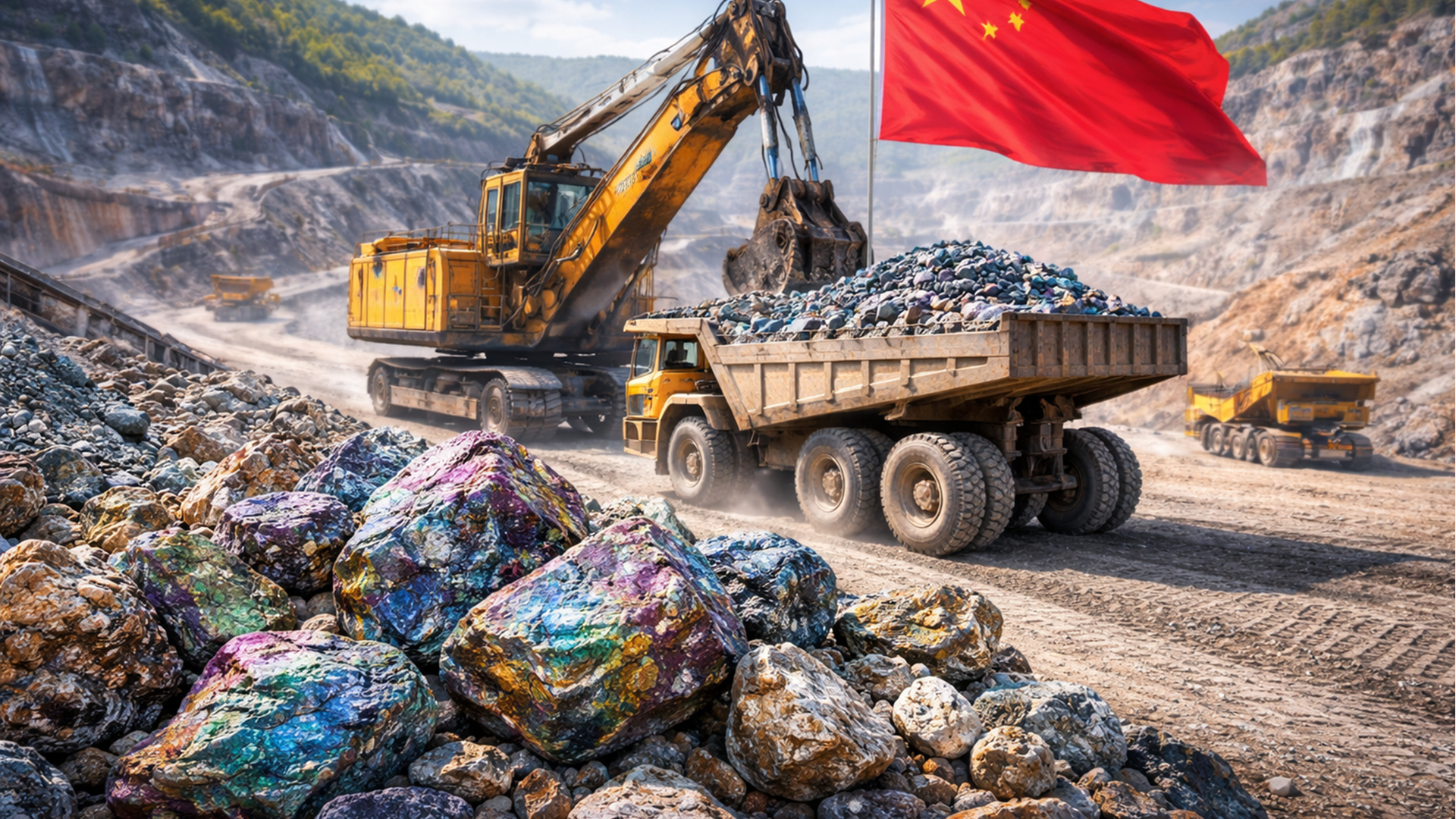
Billions of barrels on the equatorial margin could lead Amapá to double its oil production in Brazil — the state aims to enter the route of companies in the Campos Basin, attract investments, and boost jobs and businesses in the oil and gas sector.
-
Without bricks, without cement, and without endless construction: the cardboard house that is assembled in modules and can be moved.

Our advice is: If you are young, have time available, and don’t have a “little bird to feed,” DO both! Start with technical training to secure a position a bit faster. Once established in the company, start pursuing a degree in engineering; research the job and salary plan there. Be helpful, proactive, and maintain a good relationship with everyone; make yourself noticeable, and we guarantee your success.
Furthermore, it is necessary to consider market fluctuations; having both qualifications maximizes your range of possibilities in ways never seen before! Versatility is the key. The focus of this page is the oil and gas market; therefore, we recommend the article “Want to Work Offshore in the Oil and Gas Sector? Discover the Definitive Step-by-Step Guide”
check it out; it’s worth it.









Seja o primeiro a reagir!