





 Portuguese
  English
  Spanish
  3 min of reading
  0 comments


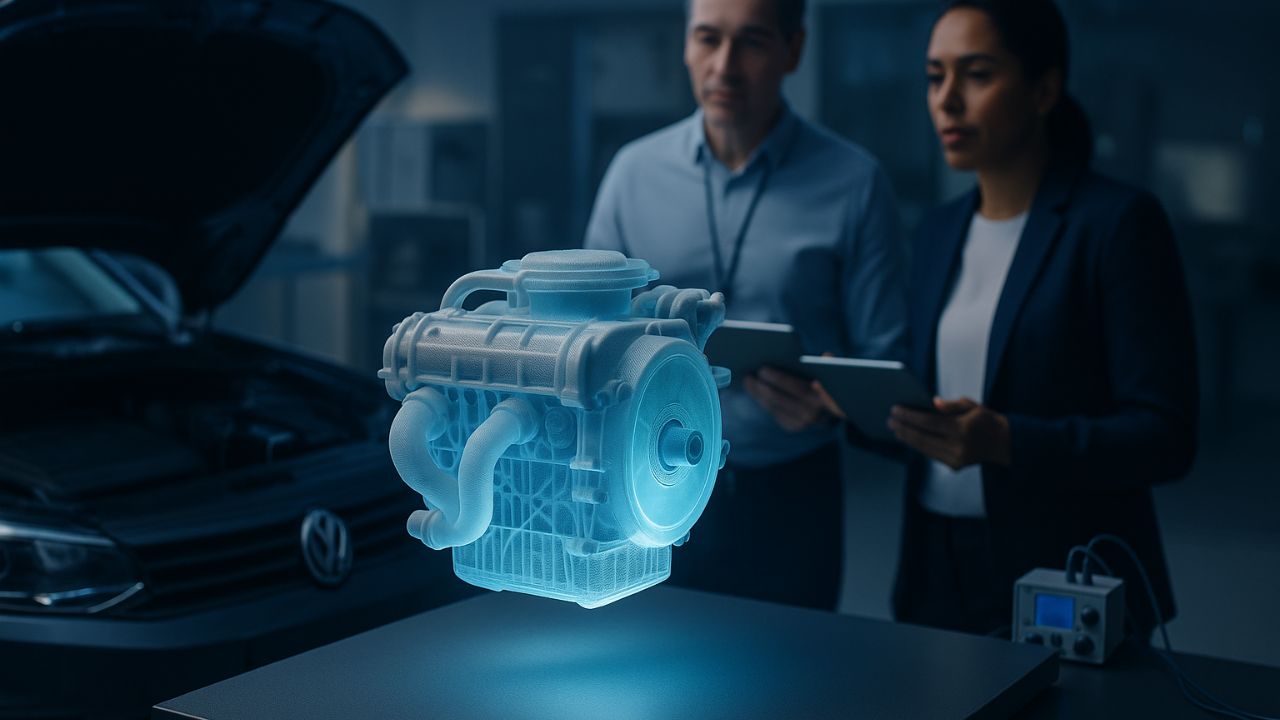
Brazilian Discovery Could Redefine the Future of Cars: An Air Engine That Is Printed, Is Pollution-Free, and Dreams of Moving the Most Popular Vehicles.
The search for cleaner transportation drives innovation. Compressed air engines and 3D printing come together in this scenario. We explore the feasibility and challenges of adapting these engines for popular cars, focusing on environmental impact.
The Promise of Zero-Emission Vehicles
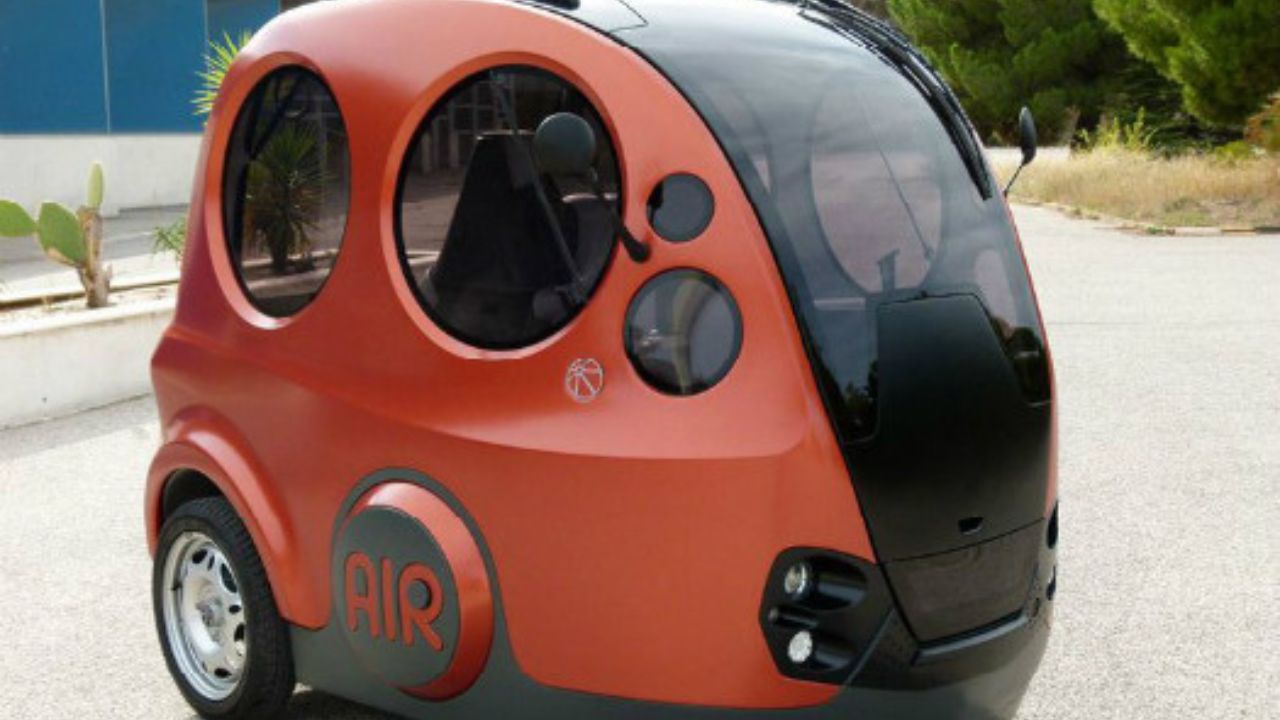
3D printing is revolutionary for prototyping, but its application in high-performance compressed air engines for commercial vehicles still has limits. Companies like Motor Development International (MDI) and Zero Pollution Motors (ZPM) focus on urban mobility with vehicles like the AIRPod, which promises zero emissions at the exhaust. However, scalability, range, and market acceptance are significant challenges. The real environmental benefit depends on the energy source used to compress the air.
3D Printing and Compressed Air Engines
Compressed air engines convert potential energy from pressurized air into mechanical work, eliminating direct emissions due to the absence of combustion. Despite the apparent simplicity, achieving high efficiency, power, and durability requires complex engineering.
-
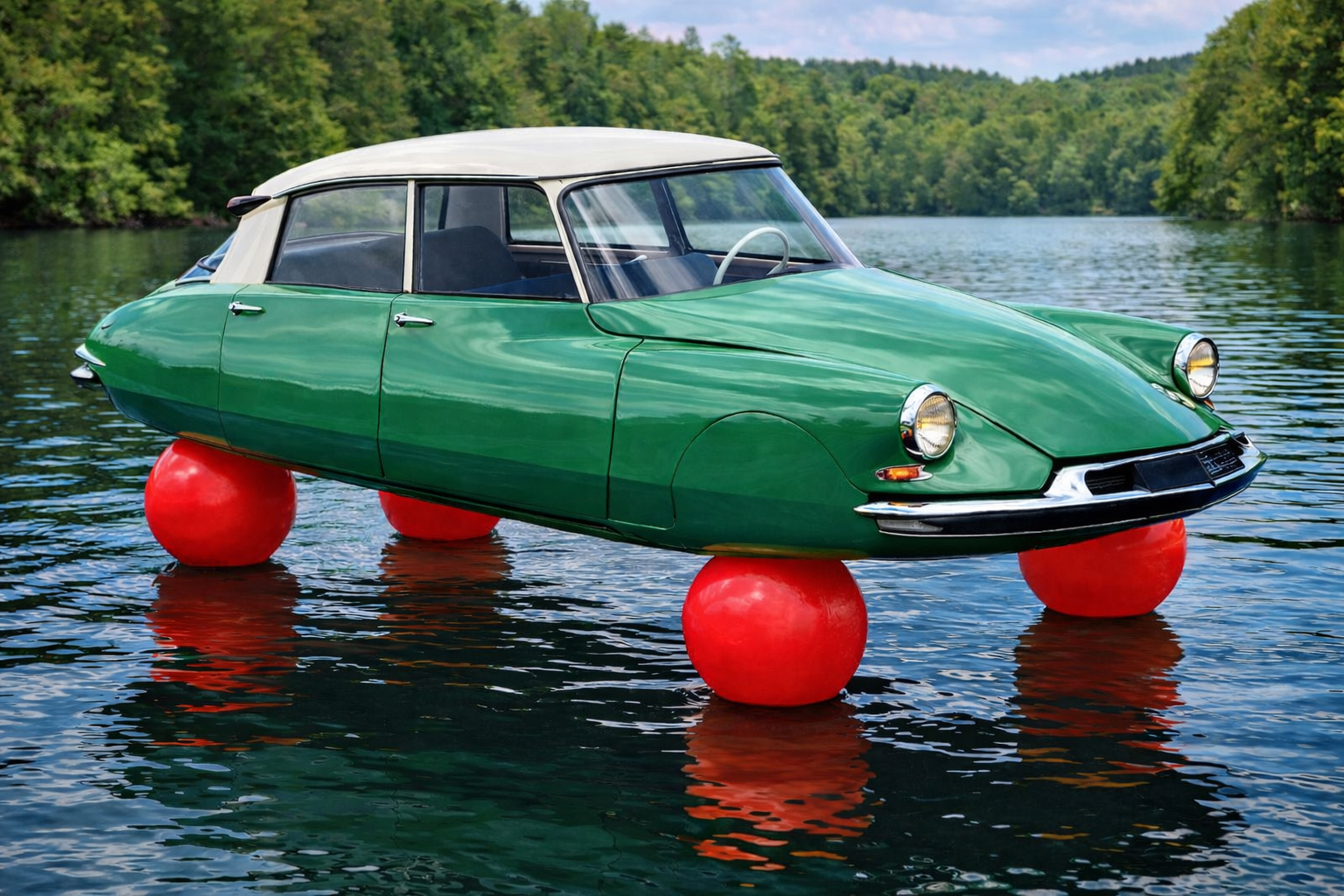
A French brand placed a car on four huge red balloons to prove that its suspension made the vehicle “float,” and the surreal scene became one of the most iconic and unusual images in automotive history.
-
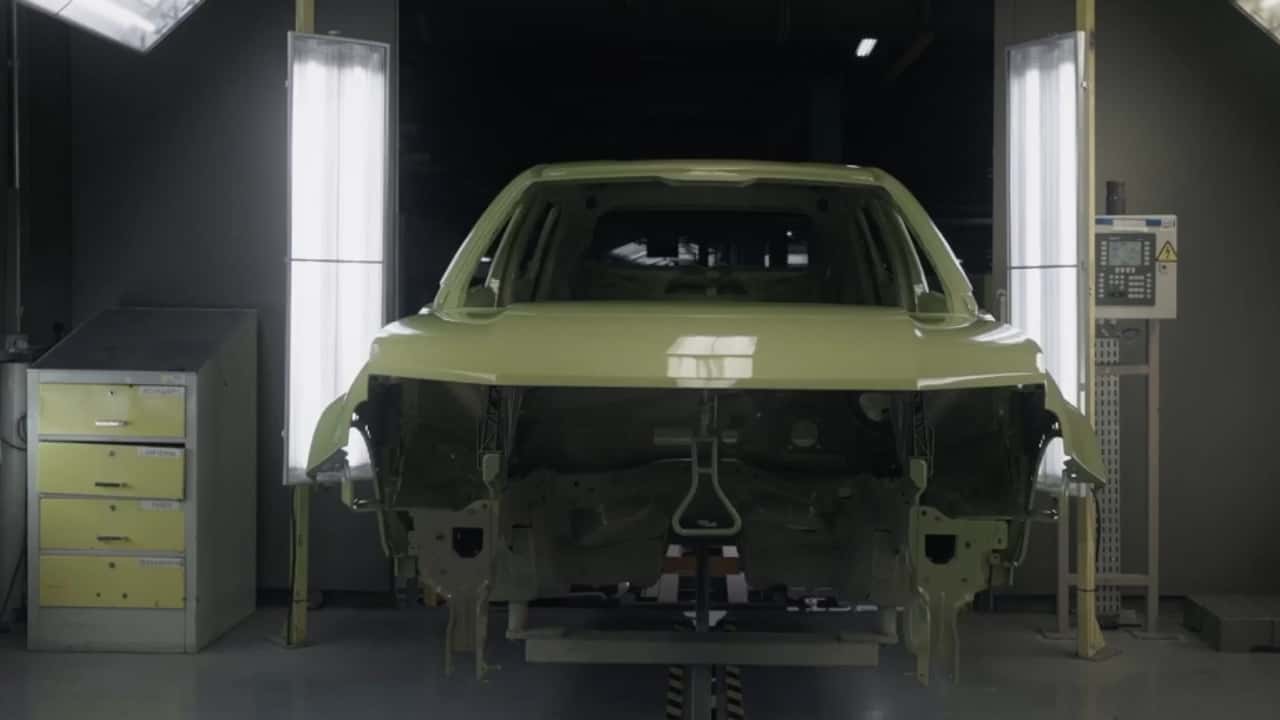
Jeep Avenger begins production in Brazil, debuting as the brand’s new entry-level SUV and inaugurating an unprecedented phase by becoming the first national Jeep manufactured outside of Goiana, as part of a R$ 3 billion plan.
-
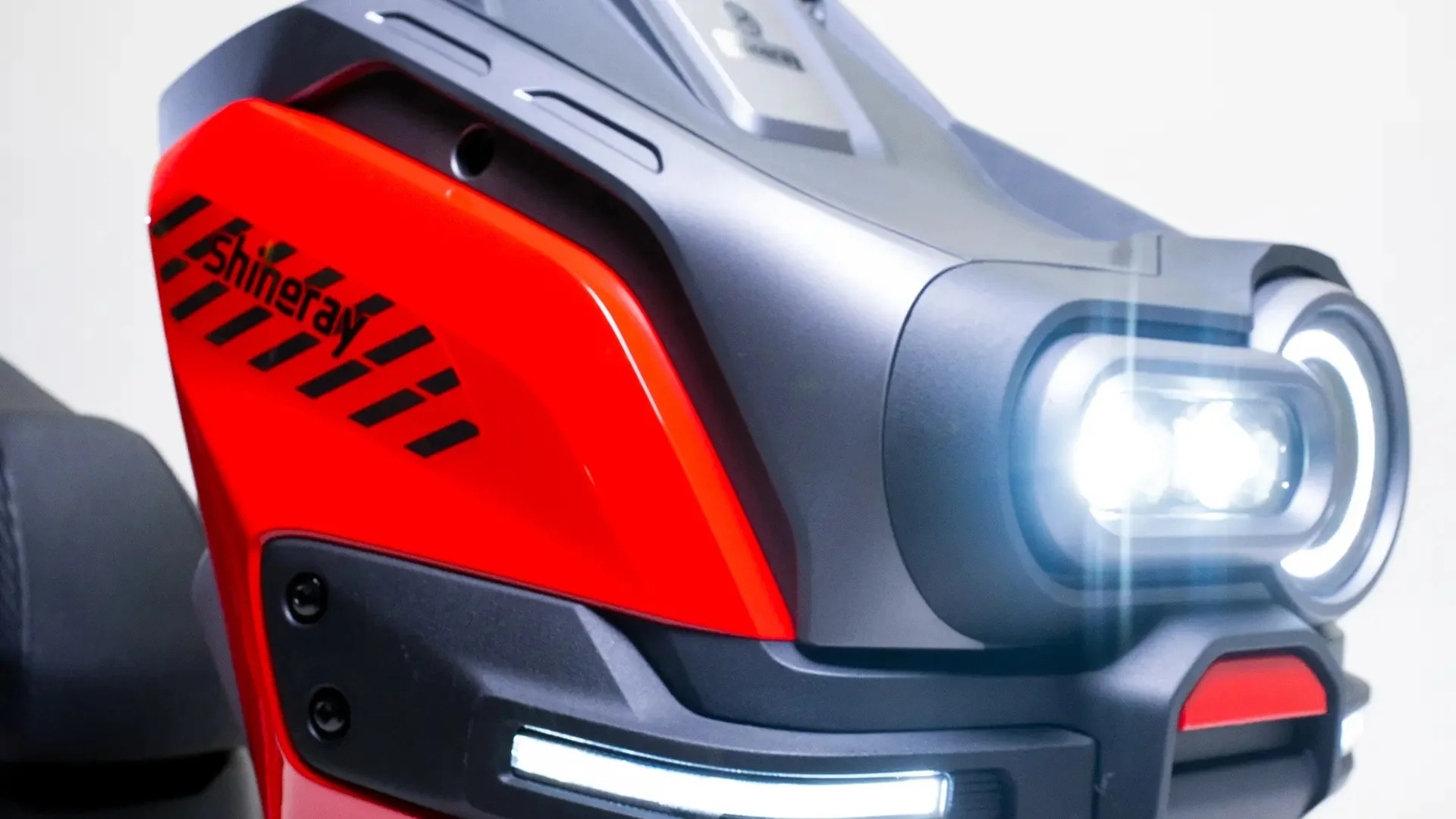
Costing R$ 12,490, the new Shineray Urban Lite 150 “cheap one” arrives in Brazil with a CVT transmission, digital dashboard, and LED lights, making it more affordable than the Biz and targeting those who want to abandon the bus.
-
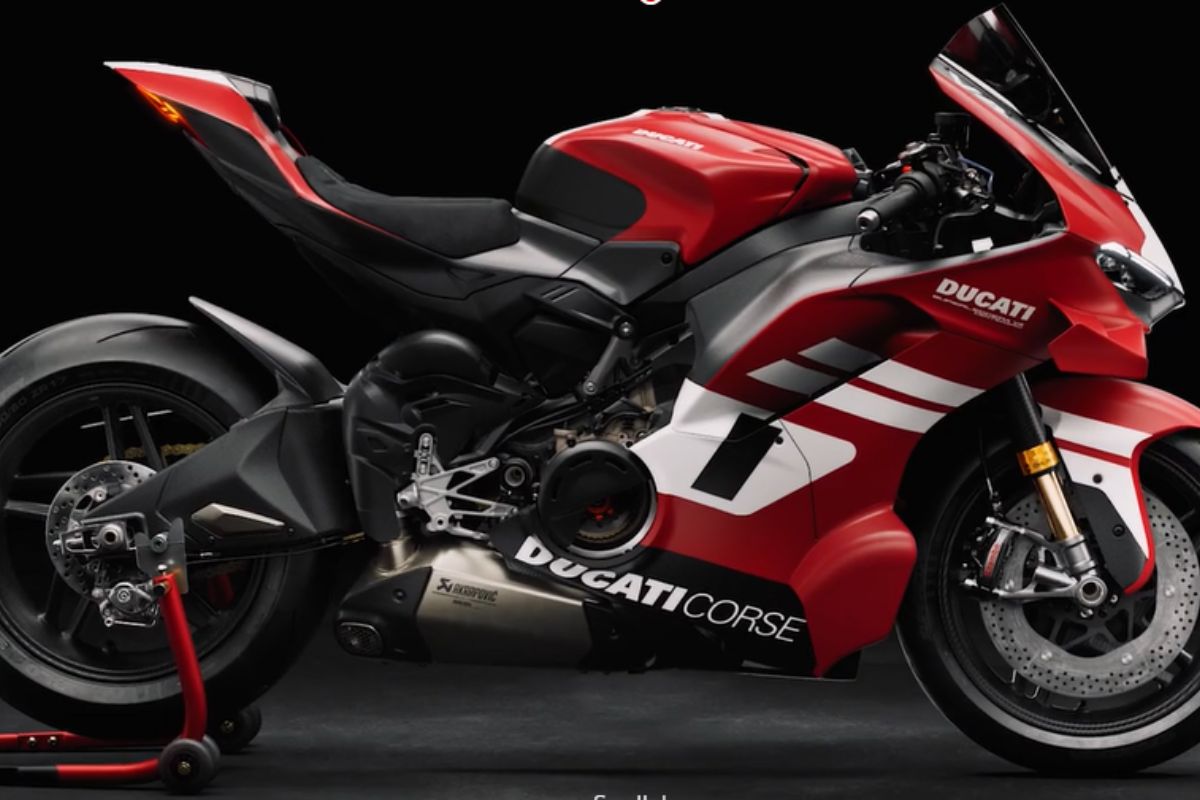
Ducati brings to Brazil the Superleggera V4 Centenario: 228 hp that become 247 with a track kit, carbon fiber and carbon-ceramic brakes, estimated price between R$ 1.5 and 2 million, deliveries only in 2027.

Potential and Limitations in Automotive Production
3D printing allows for complex geometries and rapid prototyping in the automotive sector, using high-strength materials like metal alloys. However, for compressed air engines in popular cars, common 3D printing materials for hobby use lack the strength, durability, and sealing required. The gap between the promise of the technology and its application in high-demand situations is a challenge.
From the Garage to Industry, Where Are We?
Enthusiasts demonstrate the feasibility of 3D printing in prototypes of air engines, but face challenges such as durability, sealing, and precision. Often, critical components need to be made conventionally or require intensive post-processing. Consumer-grade 3D printers are insufficient for robust automotive engines.
MDI is a pioneer in compressed air engines, with ZPM licensing the technology in the U.S. for vehicles like the AIRPod. It is compact, with zero emissions at the exhaust, a top speed between 45 and 70 km/h, and a range of 100-128 km solely on compressed air. Refueling is quick (1.5-3 min at stations). MDI also developed a hybrid system for greater range.
Despite the promises, no mass-produced car from MDI has been realized by 2018. Partners such as Tata Motors and Catecar S.A. faced difficulties, with Catecar abandoning the technology. Commercial developers do not use 3D printing for the mass production of core engine components, only for prototyping and design.
The True Hidden Environmental Impact
The significant advantage is the absence of emissions at the exhaust, eliminating pollutants during operation.
A comprehensive assessment requires analysis “from the well to the wheel”. An AIRPod needs 11 kWh of electricity for 100 km to compress the air. The carbon footprint depends on the source of this electricity: if renewable, the environmental benefit is high; if from fossil fuels, the impact diminishes.
Compressed air vehicles offer quick refueling and are lightweight, with durable tanks. The operating costs are potentially low, but range and speed are limited compared to electric and hybrid vehicles. The initial cost is moderate to high for a “popular car,” and the refueling infrastructure is still in its infancy.
Feasibility and Challenges for Adaptation in Popular Cars
The low energy density of compressed air limits range and power. The range of 100-220 km is insufficient for popular cars, requiring hybrid systems. The refueling infrastructure is nonexistent, and home charging is slow.
Automotive engines operate under high pressures. 3D printing materials still face challenges of strength, durability, and sealing for critical production engine components. The necessary precision and surface finish are difficult to achieve at scale.
The cost of the AIRPod is not competitive as a “popular car”. MDI’s “microfactories” strategy is innovative, but scaling globally while maintaining quality and cost-effectiveness is a challenge. Public skepticism and historical production delays hinder mass acceptance.
Do you believe we will see air-powered cars on Brazilian streets soon?









-

Uma pessoa reagiu a isso.