





 Português
  Inglês
  Espanhol
  4 min de leitura
  2 comentários


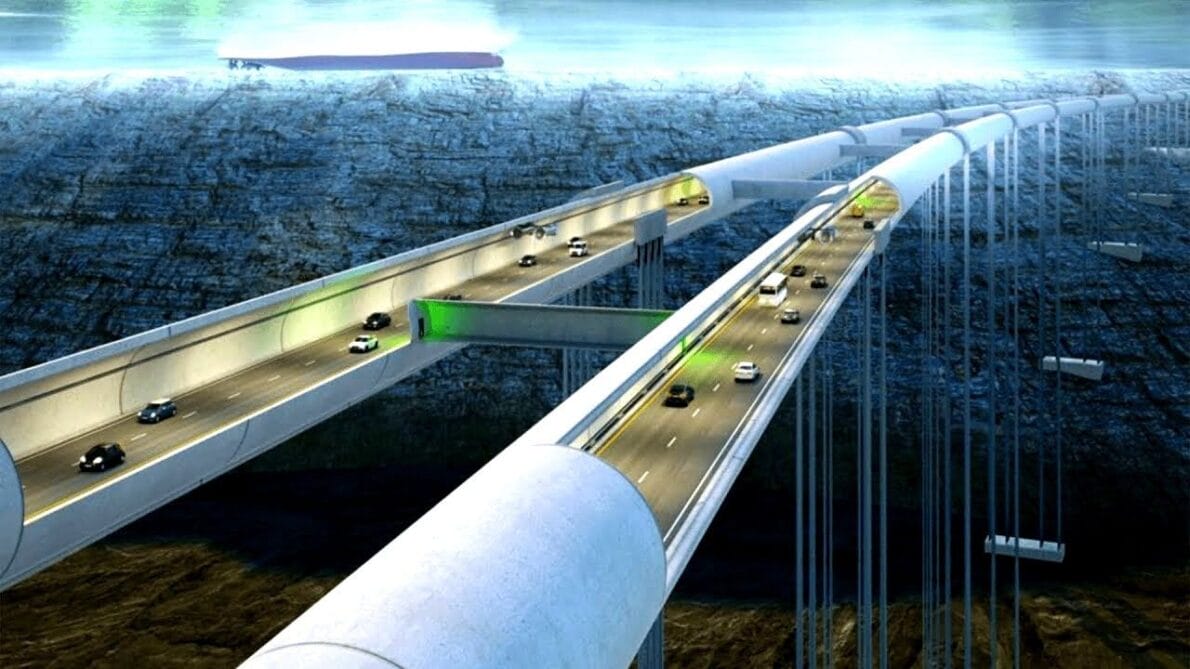

The Ambitious Floating Highway Project by Norwegian Engineers Promises to Revolutionize Global Infrastructure.
You won’t believe what the Norwegian engineers are planning! A floating highway costing US$ 47 billion that has even left China speechless. The coastal area of Norway is home to some of the most stunning landscapes on the planet, mostly composed of fjords — large ocean inlets between high rocky mountains formed by the erosion caused by ancient glaciers. The country has over 1,000 fjords, and the largest one is about 200 km long and over 1 km deep.
With such a large number of landscapes, the travel route through eastern Norway, via the E39 highway, is quite complicated. Its 1,100 km stretch would normally take 14 hours to traverse, but due to the fjords, this time increases by 50%, or 21 hours. Thus, the Norwegian government is taking action to improve this access, implementing the largest infrastructure plan in the country that will transform the E39 into a unique road.
Floating Highway in Norway Will Change Everything
The Norwegian engineers are planning to completely eliminate the use of ferries on the E39, building a large sequence of bridges through each of these landscapes. Due to the fact that the fjords are quite wide and deep for traditional infrastructure like simple bridges or underground tunnels, innovative new solutions have been developed.
-
A megaproject worth R$ 89 billion is advancing in Iraq and promises to change the game in global trade by creating a new corridor between Asia and Europe, reducing traditional routes and repositioning the country as a logistics powerhouse.
-
Goodbye bedside table: floating shelves become a trend in 2026 by freeing up space in the bedroom, improving circulation, bringing visual lightness, and integrating technology without taking up floor space.

-
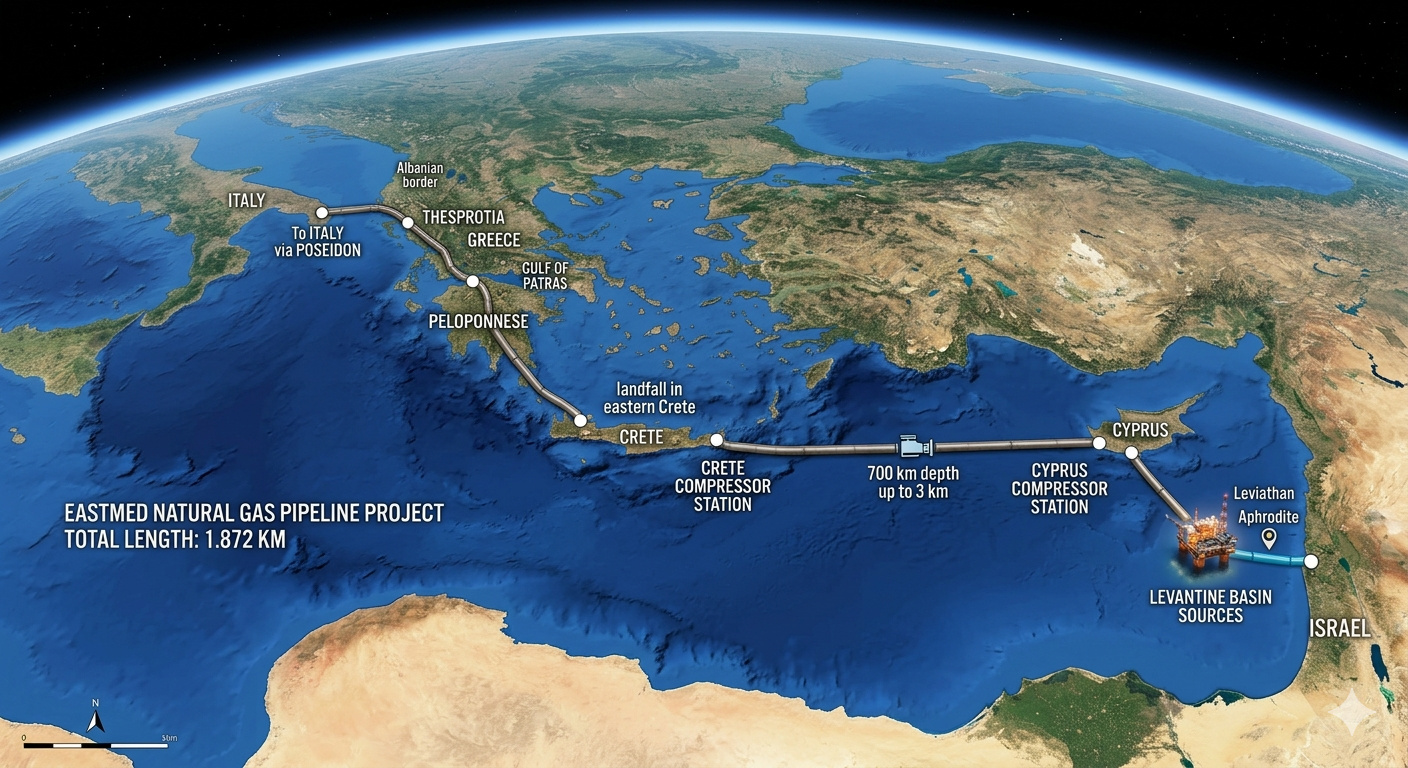
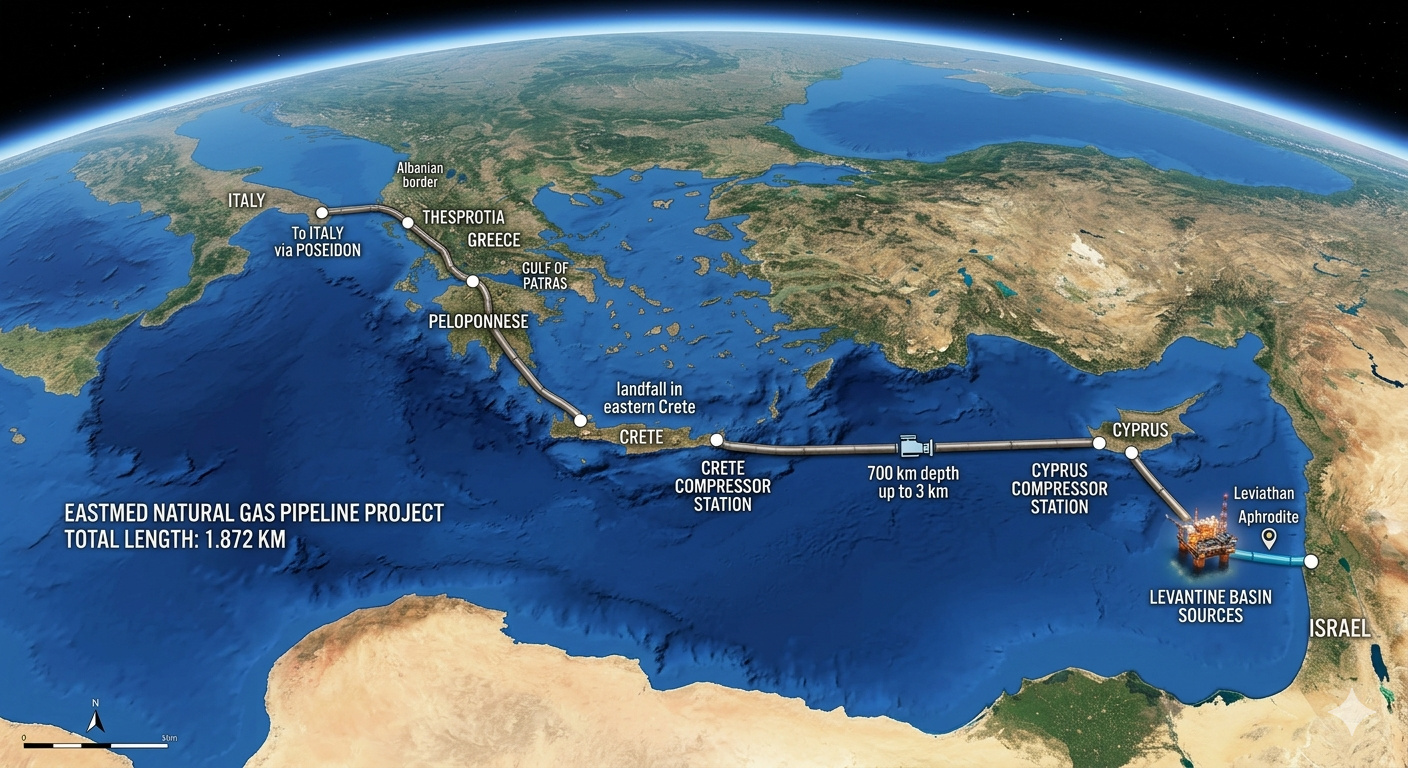
Israel, Greece, and Cyprus signed an agreement in 2020 to transport gas from the Mediterranean to Europe via a 1,872 km pipeline, but Turkey claimed sovereignty over part of the maritime route, and the project never materialized.
-
Israel, Greece, and Cyprus signed an agreement in 2020 to transport gas from the Mediterranean to Europe via a 1,872 km pipeline, but Turkey claimed sovereignty over part of the maritime route, and the project never materialized.

Rogfast Project
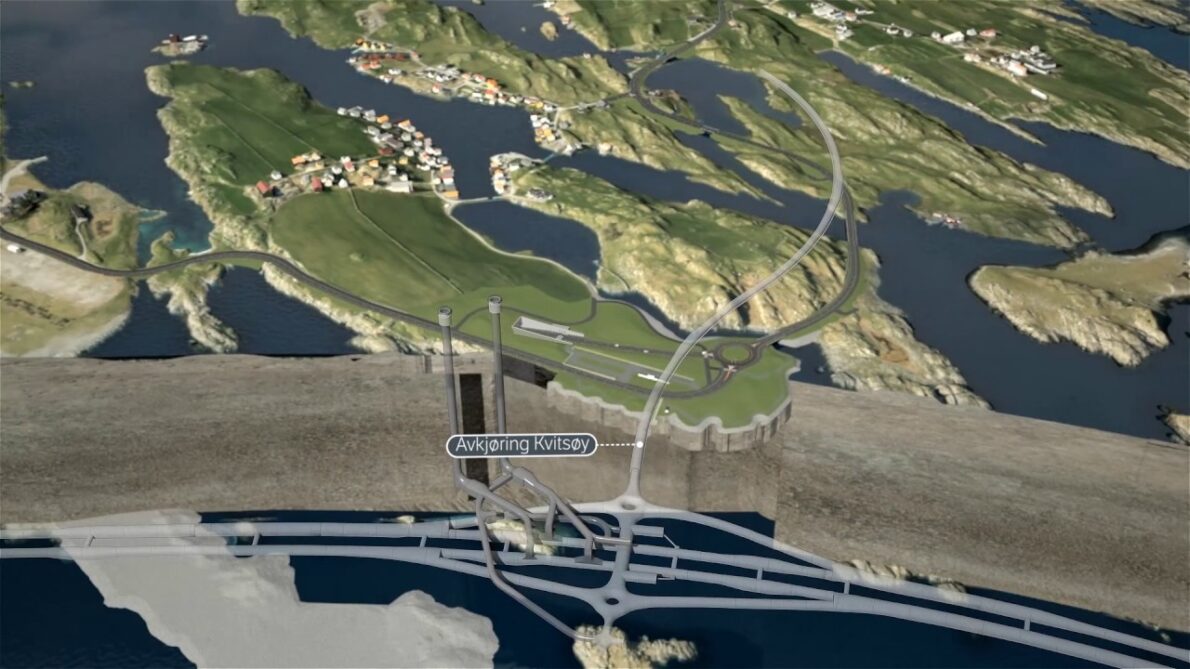
The Rogfast project is the first of a series of crossings that will connect the E39 to Stavanger via a 27 km submarine tunnel, at a depth of up to 390 meters. This would make it both the deepest road tunnel and the largest in the world. This monumental work is expected to be completed by 2026, costing US$ 2 billion.
While the Rogfast works are already underway, other plans are posing an even greater challenge for engineering developers. To the south of the city of Bergen is a fjord called Bjørnafjorden, which is up to 10 km wide and, in narrower sections, 5 km wide with a depth reaching 600 meters. A floating bridge anchored to the shore at either end has been proposed to cross it.
Floating and Submerged Tunnel
The crossing of Sula Fjorden has received two potential solution ideas. The first is a suspended bridge with three towers in sequence, with one in the middle connected to the seabed at about 400 meters deep below the waterline, and two at the ends anchored to the shore. The other alternative would be a floating and submerged tunnel, with two tubes side by side, anchored to the seabed by high-strength cables.
All of these projects are already quite impressive, but even more complex and ambitious is the coastal crossing at Sognefjord, simply the largest and deepest fjord in Norway and Europe. With over 200 km in length, 3.7 km in width, and 1.3 km in depth at its lowest point, the “king of fjords” presents a huge challenge to the Norwegian engineers. They must take into account the significant number of ships that regularly pass through the fjord.
To Develop a Final Solution, Planners Are Considering Several Crossings for This Fjord:


- A common suspended bridge with a span of 3,700 m, which would require towers nearly 500 meters high.
- A floating bridge, which would require adjustments each time a large vessel approached, delaying car traffic.
- A floating and submerged tunnel, supported by floating blocks that would allow ships to pass overhead without interference.
- A hybrid proposal, combining a floating bridge with a floating and submerged tunnel, creating the first structure of its kind in the world.
- A cable-stayed bridge with multiple spans, consisting of four floating pillars anchored to the seabed, as is done in oil platforms.
The US$ 47 billion floating highway is set to become a new benchmark in engineering capabilities and a model for future infrastructure planning worldwide. With environmental and safety concerns being of utmost importance to engineers, this vast project is advancing considerably and is expected to be completed by 2035.
But will this ambitious project manage to overcome all the challenges and truly transform the way we build roads? Share your thoughts in the comments!










Hoje, nada é IMPOSSÍVEL PARA HUMANIDADE.
SEMPRE PRESERVANDO A NATUREZA.
Pmarabéns aos Mestres da engenharia da Noruega.
A Noruega é por natureza um país lindo e com um clima maravilhoso para quem ama o frio que é o meu caso. Acredito que toda forma de construção que sirvam principalmente para preservar a natureza, é louvável. Parabéns aos engenheiros e a Noruega pela excelente iniciativa!