





 Português
  Inglês
  Espanhol
  3 min de leitura


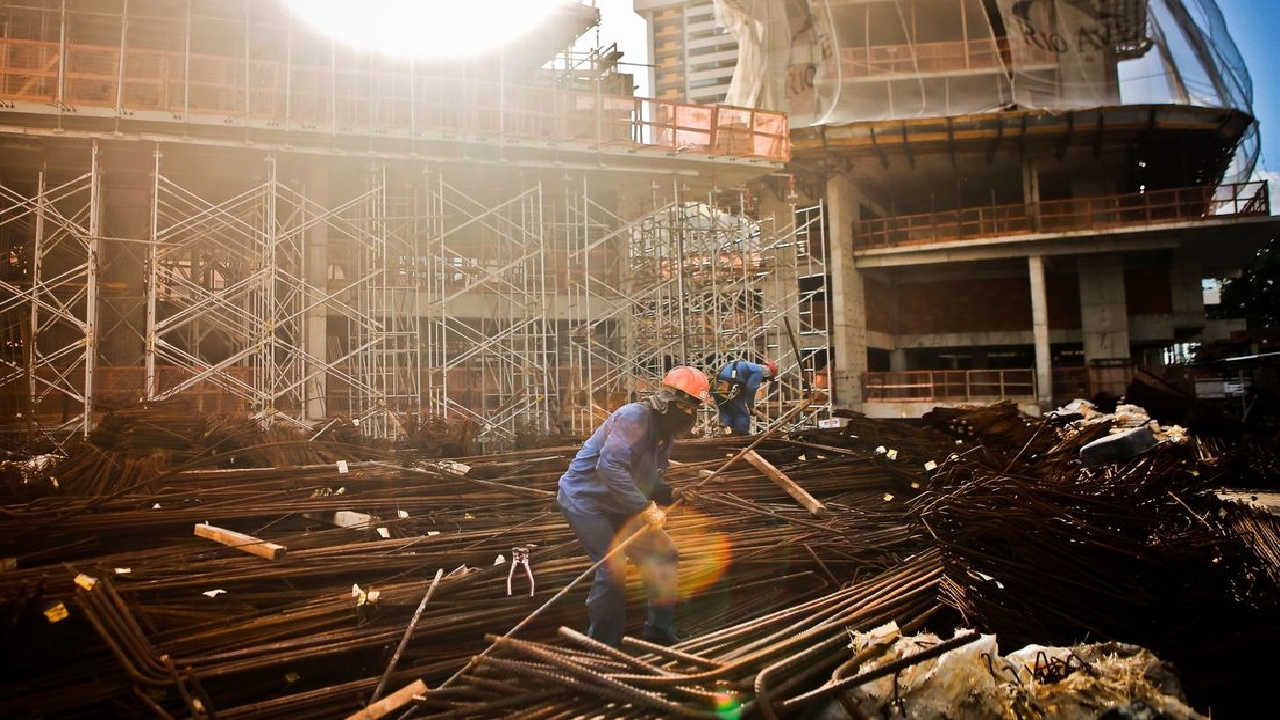
Innovation In Technology In The United States Seeks To Improve The Construction Industry Through Innovation In Concrete
Concrete is a very versatile and important material in the construction industry. With advances in technology and research, new types of concrete are being developed with special characteristics, such as greater strength, durability, ease of maintenance, among others, making it increasingly important in the construction sector.
Recently, some new concrete models have stood out, among them, we can mention “space concrete” and “talking concrete.”
Researchers In The United States Develop Technology That Allows Concrete To Provide Data
Professor Luna Lu from Purdue University in the United States has developed an extremely robust sensor to be integrated directly into the concrete mix.
-
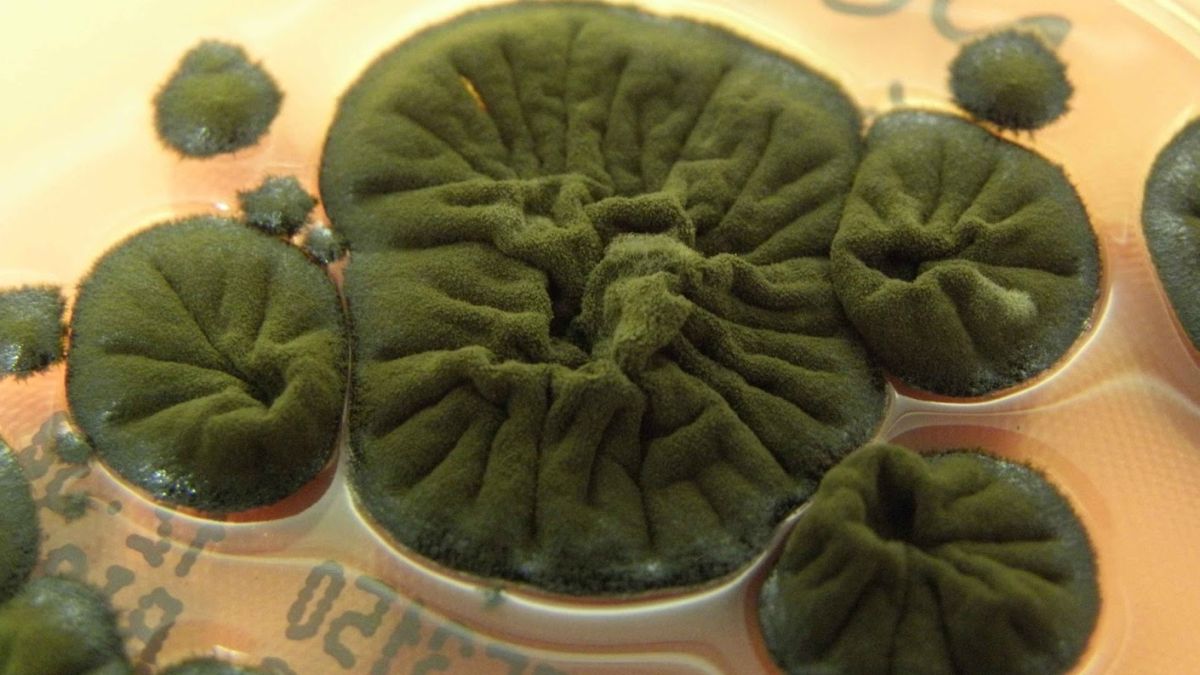
Found in one of the most radioactive places on Earth, this Chernobyl fungus may be doing something with radiation that no one has been able to explain to this day.
-
A bright yellow mushroom imported from Asia escaped from a cultivation farm in the United States in 2010 and is now aggressively spreading across 25 states, destroying entire communities of native fungi in American forests.

-
Buried under China, a colossal machine weighing 20,000 tons began operating as the largest neutrino detector on the planet and, in just 59 days, surpassed results that science took half a century to achieve.

-
Iran enters the center of a climate alert after the war emitted 5.6 million tons of CO2 in two weeks, surpassing the annual pollution of entire countries.


This technology is believed to help monitor the structural integrity of buildings, bridges, and other concrete infrastructures in real-time, allowing engineers to detect and correct possible issues before they become serious.
The existing concrete sensors to date can be easily damaged and often fail to provide accurate and reliable data about the condition. The new sensor developed by Professor Luna Lu in the United States can be directly integrated into the concrete mix, a technology that makes it much more robust and durable. It can continuously monitor the structure’s strength and generate real-time data, enabling engineers to monitor the concrete condition in real-time and identify any areas that may need repair.
Researchers In England Develop Technology For Concrete To Be Used In Space
Aled Roberts and Nigel Scrutton from the University of Manchester in England have created a concrete made from simulated Martian soil, potato starch, and a pinch of salt. This type of research is crucial for developing technology that can be used in future manned missions to the red planet.
The idea is that instead of transporting large amounts of building materials to Mars, astronauts could use local materials to construct habitats and other necessary structures. This would significantly reduce the cost and complexity of missions, making them more viable.
The concrete created by the researchers in England made from a mixture of simulated Martian soil, potato starch, and a pinch of salt. The potato starch is added as a binder to join the materials and create a solid structure, while the salt helps to strengthen the material. Preliminary tests of this technology have shown that the concrete can support significant loads and has good compressive strength.
Research like this developed in England may help open new possibilities for space exploration and the colonization of other planets in the future. With advances in technology, it is possible that future missions to Mars will utilize local materials to construct habitats and other structures, making the missions more viable and sustainable.






Seja o primeiro a reagir!