





 English
  Francês
  Alemão
  Italiano
  Japonês
  Norueguês
  Portuguese
  Spanish
  5 min of reading
  0 comments


Engie Expands Its Operations in Clean Energy by Signing Long-Term Strategic Agreement with PepsiCo UK, Betting on Biogas as a Solution to Reduce Emissions, Strengthen the Industrial Energy Transition, and Accelerate Decarbonization in the UK.
Engie announced the signing of a biogas supply agreement with PepsiCo UK, establishing a long-term contract valid for ten years. According to a statement made by Engie on its website Além da Energia on February 2, the commitment includes the construction of a new dedicated anaerobic digestion plant, capable of providing 60 GWh of renewable energy annually, concretely reinforcing the energy transition of the food and beverage industry in the UK.
Long-Term Contract Between Engie and PepsiCo UK Ensures Energy Predictability
The agreement represents a milestone for the British industrial sector and for PepsiCo in the EMEA region, being the first contract of this type signed by the company in Europe, the Middle East, and Africa. From 2027, when the facility becomes operational, the renewable gas will be directed to the supply chain of PepsiCo UK, directly contributing to emission reductions and the use of low-carbon energy sources.
The Biogas Purchase Agreement (BPA) signed between Engie and PepsiCo UK will last for ten years, a decisive factor for enabling investments in renewable energy infrastructure. Contracts of this type provide demand predictability and financial stability, essential elements for large-scale industrial projects.
-
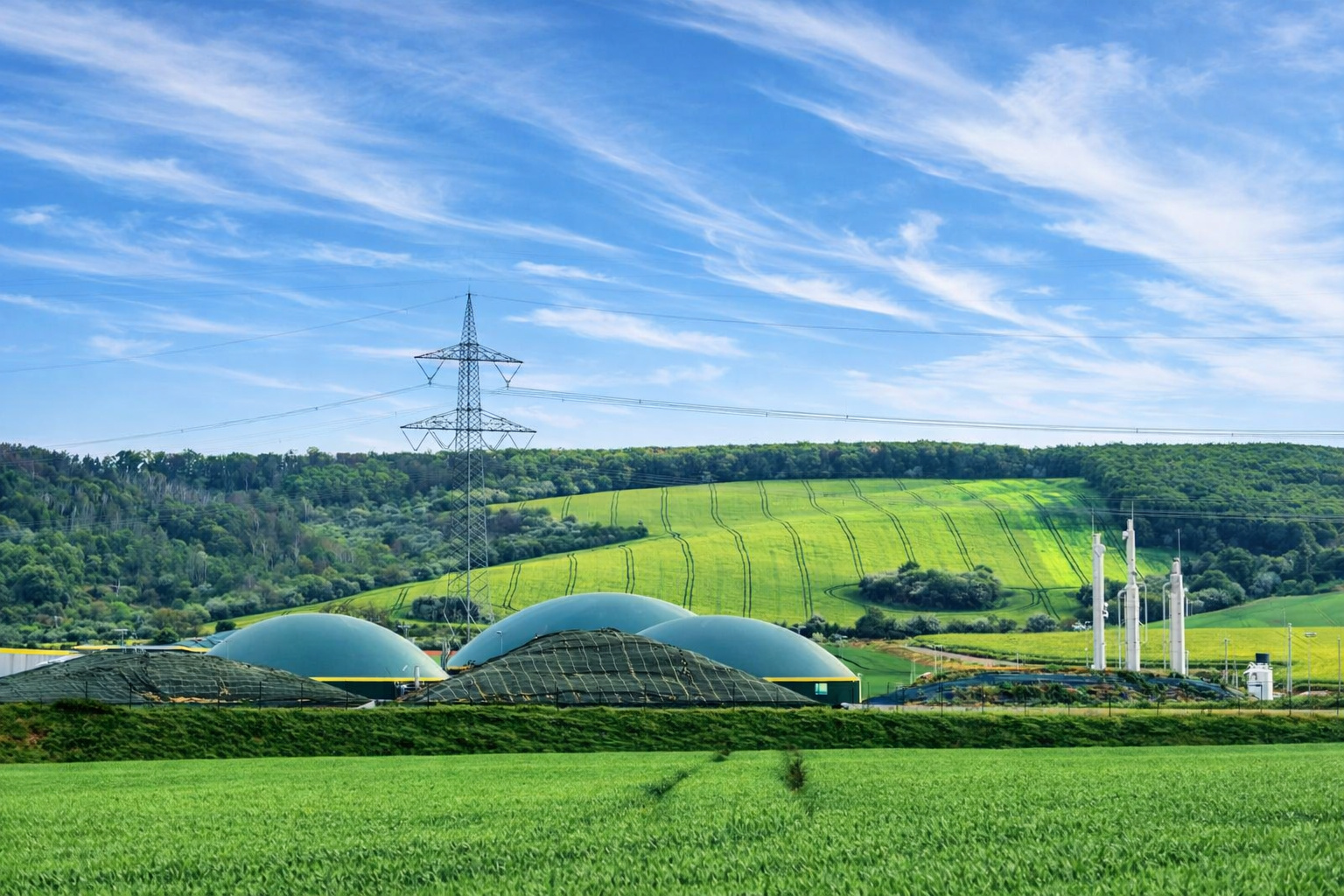
Brazil accelerates decarbonization in the South: International forum in Foz do Iguaçu gathers leaders to discuss the advancement of biomethane in the energy matrix and the potential of “caipira pre-salt.”
-
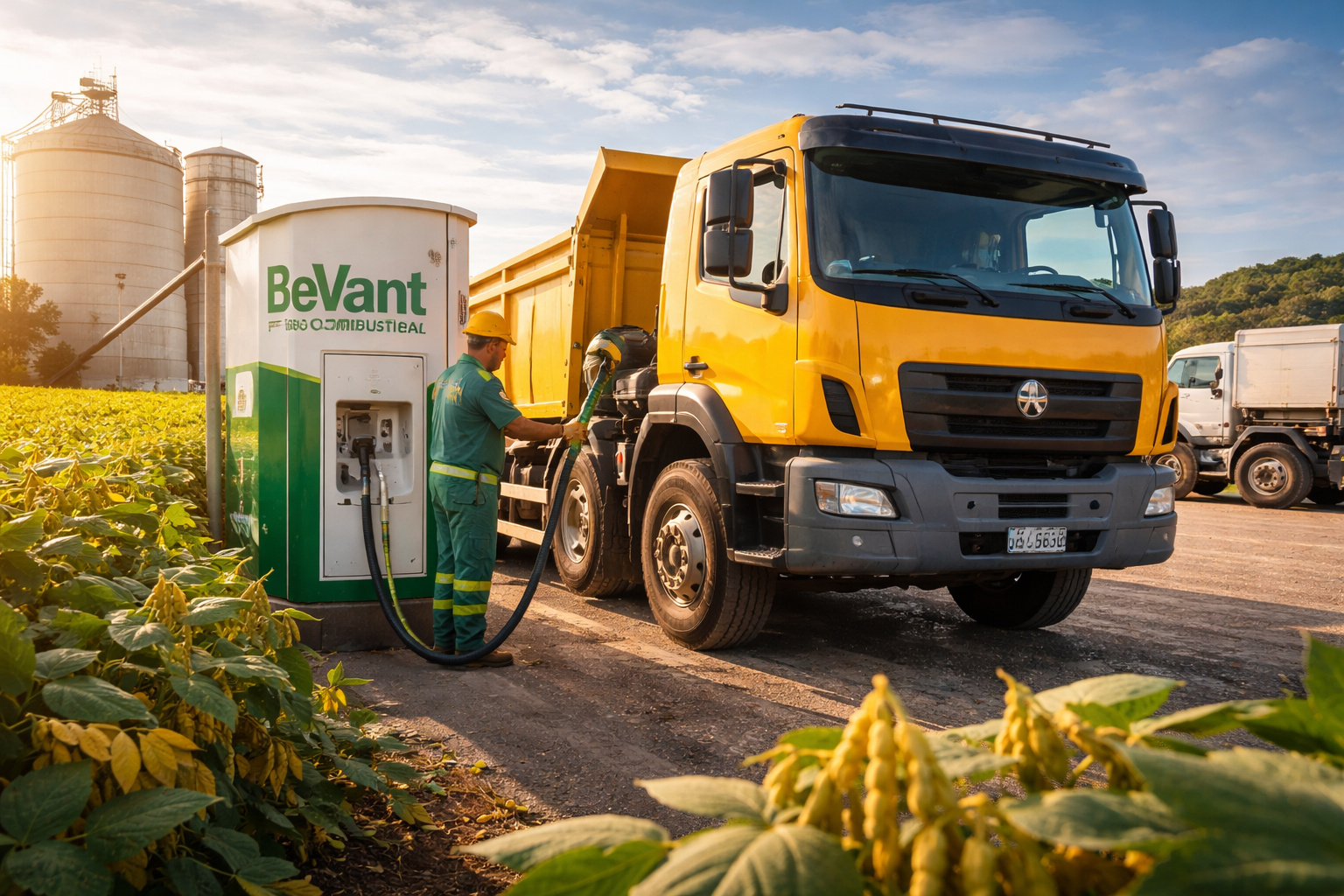
As diesel prices soar due to conflicts in the Middle East, a Brazilian city decides to test a little-known biofuel that promises to completely replace fossil fuel without adaptation and could change the future of energy in the country.
-
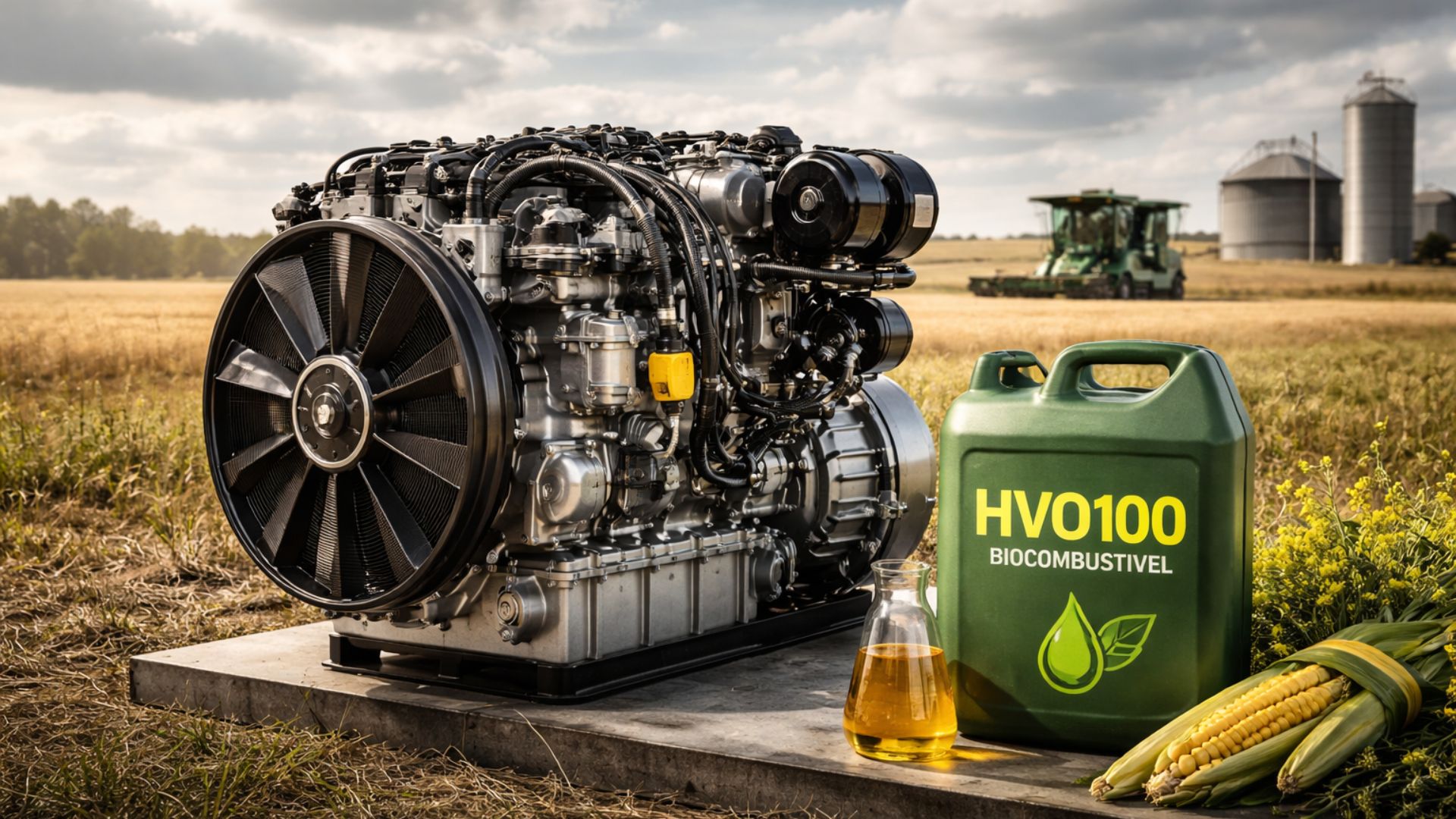
Innovation with biofuel engines transforms agribusiness by replacing diesel without the need for major adaptations, ensuring energy efficiency and helping to reduce dependence on oil.
-
Used Cooking Oil Transforms Into Kerosene: How 1 Million Tons of Used Fat Are at the Center of an Aviation Fuel Market That Could Attract Over $1 Trillion in Investments, Already Fuels Planes with Up to 80% Lower Emissions, and Triggered a Global Competition for This Waste


The new anaerobic digestion plant will produce 60 GWh of biogas per year, a volume equivalent to the average annual gas consumption of approximately 5,000 homes in the UK. All the gas will be directly injected into the national grid, allowing for immediate use without the need for technical alterations to existing systems.
This technical characteristic makes biogas a highly efficient solution for the industrial energy transition, as it reduces emissions without compromising already established production processes.
Significant Emission Reductions Reinforce the Energy Transition of PepsiCo UK
One of the most relevant impacts of the contract is the reduction of greenhouse gas emissions. According to the estimates released, the supply of biogas will allow PepsiCo UK to reduce its CO₂ emissions by over 10,900 tons per year.
This represents a significant environmental gain, especially for an energy-intensive sector like food and beverage. The initiative strengthens the company’s commitment to the PepsiCo Positive (pep+) program, which sets clear decarbonization targets across the value chain.
By replacing fossil natural gas with a locally produced renewable source, the company consistently advances its climate strategy and contributes to the UK’s national carbon neutrality goals. It is worth mentioning that, in Brazil, PepsiCo also has similar initiatives:


Engie Expands Biogas Production and Reinforces Energy Sovereignty in the UK
In the UK, Engie already operates four biogas plants located in the southwest of England. Together, these units inject over 210 GWh of biogas per year into the country’s gas grid, strengthening local renewable energy production.
This installed capacity directly contributes to British energy sovereignty, reducing dependence on imported fossil fuels and increasing the resilience of the national energy system.
With the new project dedicated to PepsiCo UK, Engie expands its presence in the UK’s biogas market, considered one of the most promising in Europe in terms of public policies, industrial demand, and growth potential.
Biogas as a Strategic Alternative for the Industrial Energy Transition
Biogas is a renewable alternative to conventional natural gas. It is produced from the anaerobic digestion of organic waste, such as agricultural, industrial, and food waste, resulting in gas with a molecular composition identical to that of fossil gas.
This technical equivalence allows biogas to be utilized in existing distribution networks, boilers, and industrial processes, without the need for adaptations or additional investments in equipment.
From an environmental perspective, the fuel offers a reduction of at least 80% of carbon emissions, considering lifecycle analysis. Furthermore, it contributes to the circular economy by valuing waste and reducing environmental impacts associated with improper disposal. These advantages make biogas one of the most effective solutions for the energy transition of heavy and hard-to-electrify industries.

Statements from Engie and PepsiCo UK Reinforce the Strategic Importance of the Project
According to Cécile Prévieu, Executive Vice President of Engie, responsible for Infrastructure activities, the new project exemplifies the group’s strategy to accelerate the development of biogas through long-term supply contracts. The executive also highlighted that the initiative contributes to the company’s ambition to achieve 10 TWh of annual biogas production capacity in Europe.
Meanwhile, Sian Hamson, Senior Sustainability Manager of PepsiCo UK, emphasized that the reduction of greenhouse gas emissions is a central priority for the company’s operations in the UK. For her, local sourcing of biogas will be a fundamental pillar of the decarbonization strategy. The statements highlight a clear alignment between energy strategy and corporate climate goals.
Investment in Biogas Drives Regional Growth and Clean Energy
The project involves an investment of £70 million, as reported by British authorities. According to the Minister of State for Energy Security and Net Zero, Alan Whitehead, the initiative is expected to boost economic growth in northern England.
In addition to the positive environmental impact, the new biogas plant is expected to generate direct and indirect jobs, strengthen local production chains, and stimulate innovation in the renewable energy sector.
The energy transition, in this context, also acts as a driver of regional economic development, combining sustainability and competitiveness.
Engie’s European Expansion and the Role of Biogas in the Energy Future
At the European level, Engie already operates 1.2 TWh of annual biogas production capacity, distributed across 42 units in France, England, Belgium, and the Netherlands. Currently, the group supplies over 7 TWh of green gas to its customers.
The company’s stated ambition is to reach 30 TWh of renewable gas supply by 2030, consolidating biogas as one of the pillars of its sustainable growth strategy and its contribution to the energy transition in Europe. This positioning reinforces Engie’s role as a leader in developing low-carbon energy solutions for the industry.
What This Contract Represents for Industry and the Future of Energy?
The ten-year contract between Engie and PepsiCo UK symbolizes a concrete advance in the adoption of renewable energy solutions by the industry. More than a commercial agreement, it represents a structural change in how large companies consume energy.
By combining local sourcing, contractual predictability, and significant emission reductions, the project establishes itself as a replicable model for other industrial sectors. The use of biogas demonstrates that the energy transition can be viable, scalable, and compatible with complex industrial operations.
For the European market, the initiative reinforces that strategic partnerships between energy producers and large consumers will be decisive in accelerating decarbonization and building a more sustainable, resilient energy system aligned with global climate goals.








Seja o primeiro a reagir!