





 Portuguese
  English
  Spanish
  5 min of reading
  0 comments


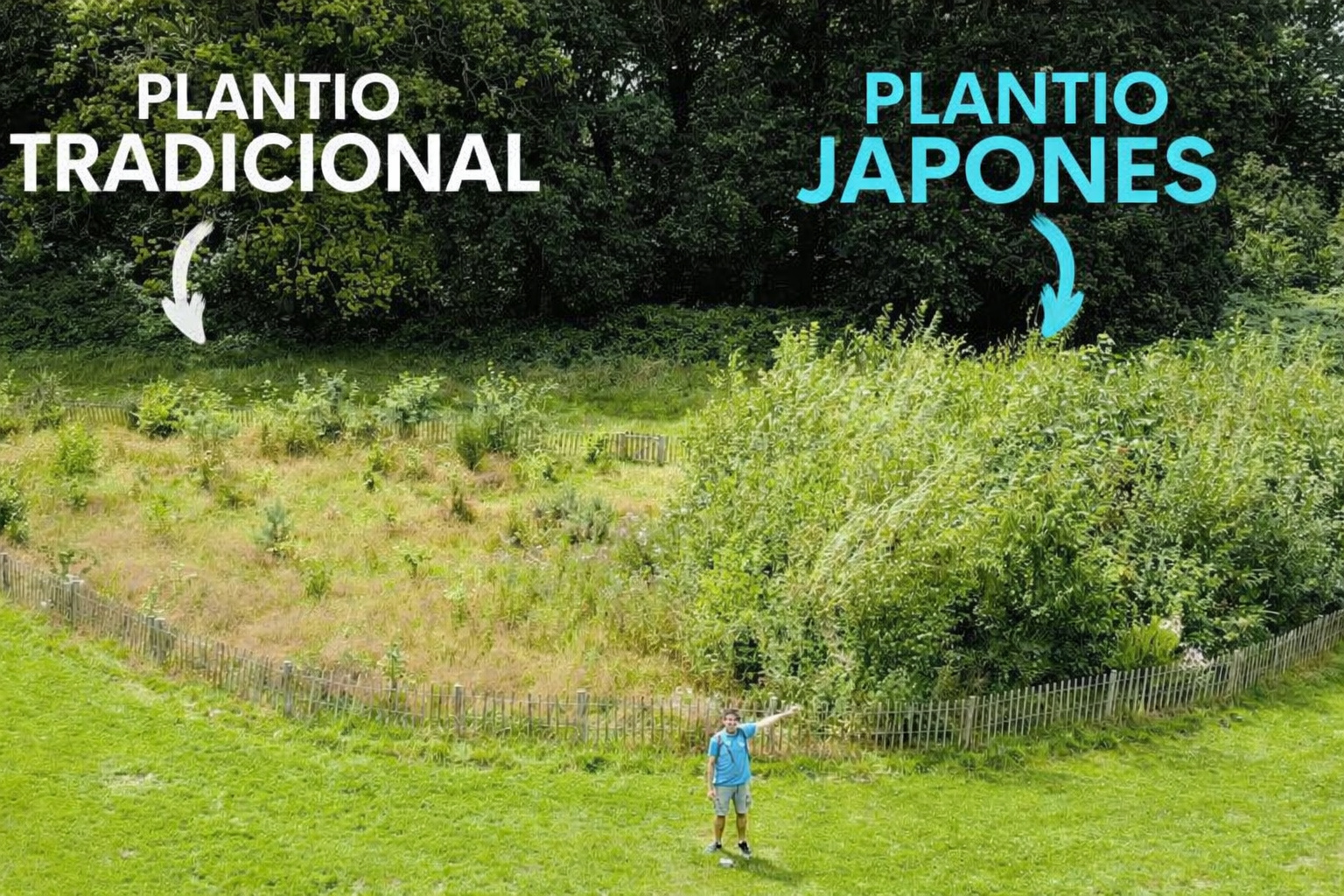
Reforestation method accelerates forest growth using local biomass and reduces environmental recovery costs.
In 2011, Indian industrial engineer Shubhendu Sharma, in India, initiated a project that drew global attention by adapting a Japanese technique to create dense forests in degraded areas. According to the organization Afforestt, founded by Sharma, the method allows for the transformation of small degraded plots into complete forest ecosystems in just a few years, using local biomass and native species. The technique is based on the method developed by Japanese botanist Akira Miyawaki, which is widely documented in scientific literature. According to studies published on the Miyawaki method, such as those compiled by the United Nations and academic research on accelerated reforestation, this approach can significantly accelerate forest growth and increase plant density compared to natural regeneration processes.
The most striking data is that areas that would take decades to regenerate naturally can reach advanced stages of development in just a few years. According to analyses of Miyawaki forests applied in different countries, including case studies and environmental reports, the method promotes rapid recovery of biodiversity and forest structure, altering the traditional logic of costs and time in reforestation.
What is the Miyawaki method and how was it adapted in India
The Miyawaki method was developed in Japan starting in the 1970s, based on the idea of recreating dense native forests using local species planted intensively.
-
Unable to pass through Hormuz, Brazil activated a plan B that uses Turkey as a gateway to the Middle East: the route through Gibraltar and the Mediterranean is longer and more expensive but ensures that chicken, beef, and corn continue to reach Arab markets.

-
You grew up hearing that the good coffee from Brazil goes all abroad and the bad coffee stays for Brazilians, but this story has completely changed, and the numbers show that in the 1980s, thirty percent of the coffee sold here was adulterated with corn and barley.

-
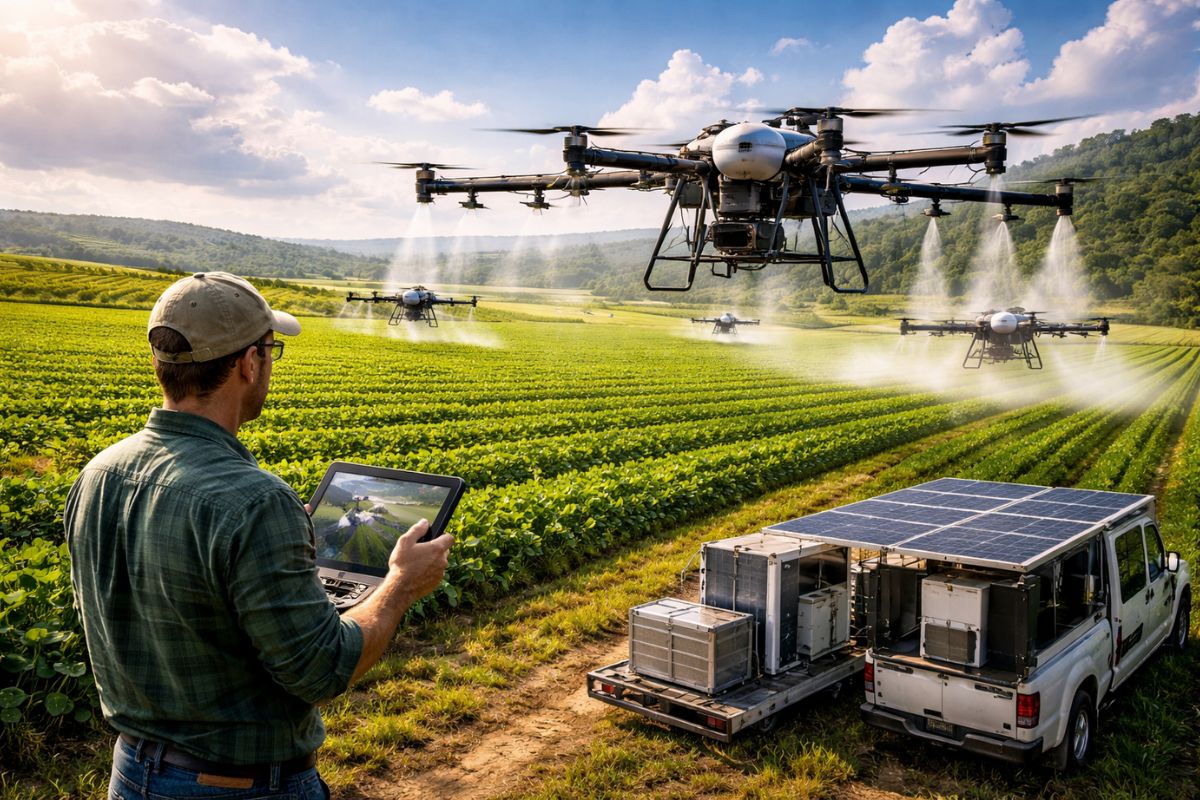
Alone, the producer applies 7,400 hectares with the T100 drone in an optimized structure, replaces the generator with a silent battery, and demonstrates how technology reduces costs, increases productivity, and even challenges the uniport in the field.
-
China banned the export of 22 tons of meat from Argentina.

Shubhendu Sharma had direct contact with Akira Miyawaki during a Toyota project in India, where the technique was applied to restore degraded industrial areas.
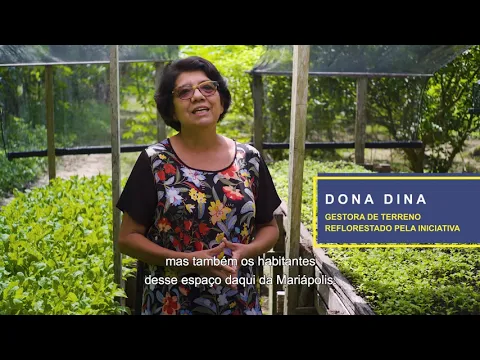

From this experience, Sharma adapted the method to the climatic and soil conditions of India, creating a more accessible and replicable model in different regions.
The main innovation was the intensive use of local biomass to enrich the soil, reducing the need for external inputs and making the process more economical.
How accelerated reforestation works in practice
The process begins with a detailed analysis of the soil. Samples are collected to identify nutritional deficiencies and physical characteristics.
Based on this, the soil is prepared using locally available organic materials, such as:
- agricultural residues
- dried leaves
- bark
- organic compost
This biomass improves water retention and increases fertility. Then, various native species are planted at high density, usually between 3 to 5 seedlings per square meter, which is significantly higher than traditional reforestation.
This high density creates natural competition among the plants, causing them to grow faster in search of sunlight.
Accelerated growth and formation of microecosystems
One of the most impressive aspects of the method is the speed of growth. While conventional reforestation can take decades to reach maturity, forests created with this method begin to structure themselves in just a few years.
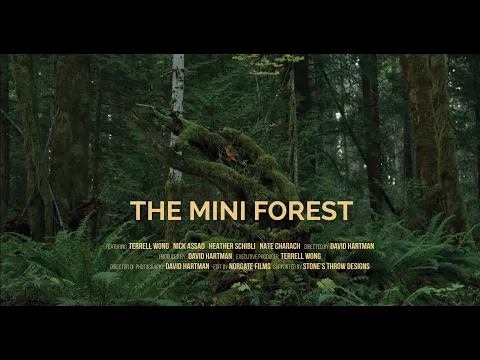
In about:
- 1 year: intense initial growth
- 2 to 3 years: canopy formation
- 10 years: structure similar to mature forests
This accelerated growth occurs because the environment is designed to mimic the ideal natural conditions of a forest from the start. Additionally, these areas begin to attract insects, birds, and other organisms, creating a functional ecosystem.
Cost reduction through the use of local biomass
One of the factors that make this method attractive is the relatively lower cost compared to traditional reforestation projects. By using biomass available on-site, the method reduces expenses with:
- industrial fertilizers
- transportation of materials
- prolonged maintenance
Although it is not a zero-cost system, the reduction of external inputs can make the process significantly more accessible, especially in urban and small-scale projects.
Moreover, the need for maintenance is concentrated in the first few years. After this period, the forest becomes self-sustaining.
Applications in urban and industrial areas
The method has gained prominence not only in rural areas but also in urban environments. Cities have begun to use this technique to create:
- urban forests
- ecological corridors
- environmental recovery areas
Companies have also adopted the method for environmental compensation and improving sustainable image. These dense forests occupy small spaces but offer significant benefits, such as temperature reduction, improved air quality, and increased biodiversity.
Environmental impact and recovery of degraded areas
The recovery of degraded areas is one of the main global environmental challenges. According to data from the United Nations, millions of hectares of land suffer degradation every year.
Traditional reforestation methods are often slow and costly, limiting their large-scale application. The approach based on high density and the use of local biomass emerges as an efficient alternative to accelerate this process and increase the success rate.
Additionally, these forests contribute to:
- carbon sequestration
- water retention in the soil
- erosion reduction
Difference between traditional reforestation and the Miyawaki method
Traditional reforestation generally involves spaced planting of seedlings, with slower growth and prolonged maintenance needs. In contrast, the Miyawaki method works with high density and species diversity.
This structural difference creates a more competitive and balanced environment, resulting in accelerated growth and greater ecological resilience.
Another important difference is the focus on native species, which are adapted to local conditions and require less intervention over time.
Limitations and challenges of the method
Despite the advantages, the method is not applicable in all situations. It is most effective in small or medium areas and may not be ideal for large commercial reforestation expanses.
Additionally, the initial cost may be higher compared to conventional methods due to intensive soil preparation. Another challenge is the need for technical knowledge for proper species selection and land preparation.

With the advance of climate change and the growing need for environmental recovery, faster and more efficient methods gain relevance. Projects based on the Miyawaki method have already been implemented in various countries, including India, Europe, and Latin America.
The trend is that solutions based on local biomass and high planting density will continue to be explored as viable alternatives to accelerate environmental regeneration.
The work initiated by Shubhendu Sharma represents a significant shift in how reforestation is conducted. By combining ecological knowledge with practices adapted to local conditions, the method demonstrates that it is possible to accelerate natural processes without compromising sustainability.
With rapid growth, efficient use of resources, and positive environmental impact, this approach consolidates itself as one of the most promising alternatives to combat environmental degradation on a global scale.






Seja o primeiro a reagir!