





 Portuguese
  English
  Spanish
  4 min of reading
  0 comments


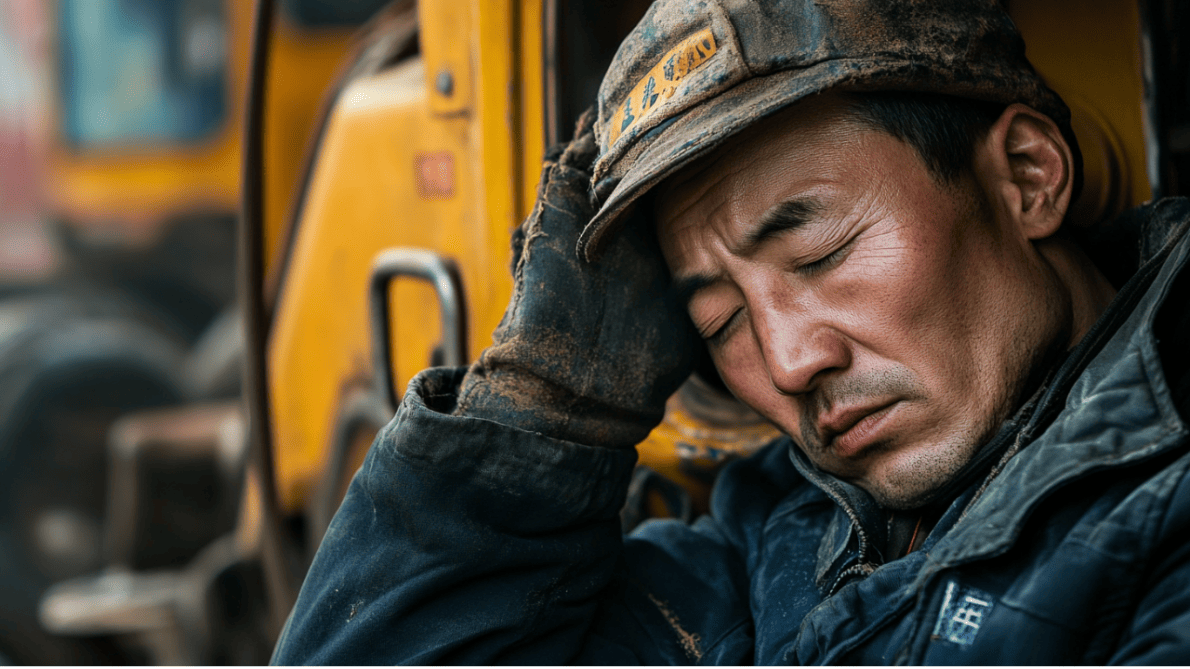
Measures In Response To Water Crises And The Pressure On Workers Show How Different Nations Handle Working Hours
Amid a water crisis and a cultural shift in labor practices, Venezuela and China are adopting unexpected measures to adjust their working hours.
While Venezuela responds to a climate emergency, China seeks to alleviate pressure on its workers in a competitive environment.
Water Crisis In Venezuela And The Reduction Of Working Hours
In light of the water crisis affecting the country’s energy reservoirs, the government of Venezuela decided to implement a reduction in the working hours of public servants.
-
If the USA were to go to war with Brazil, Washington’s greatest fear would not be the attack itself, but facing a vast territory, prolonged resistance, and a costly, chaotic, and unpredictable occupation.

-
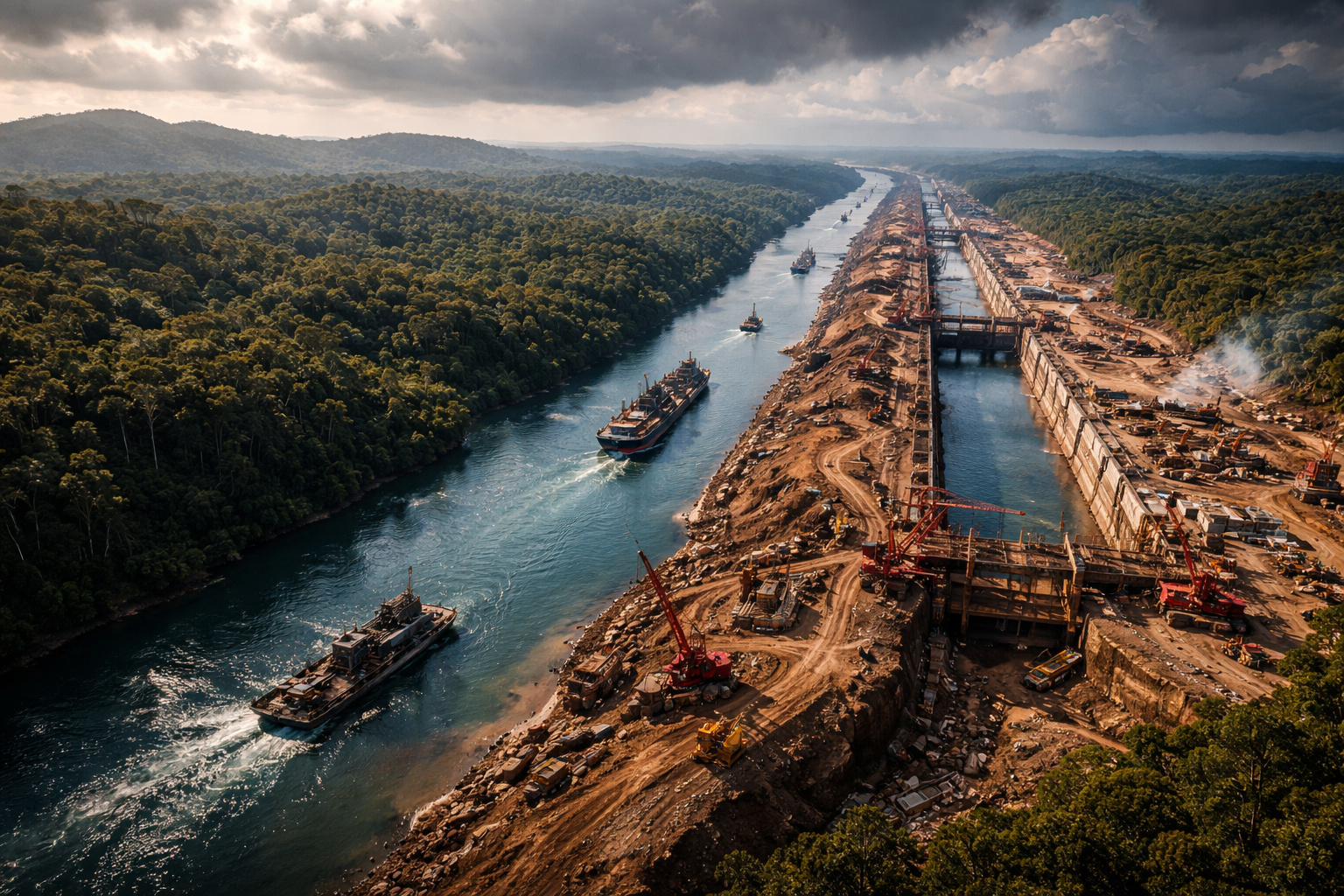
In 2013, Nicaragua sold the concession for a canal to rival Panama to a Chinese billionaire who lost 85% of his fortune, disappeared, and was declared bankrupt. Now the project resurfaces with a new route, a new Chinese partner, and a cost of $64.5 billion.
-
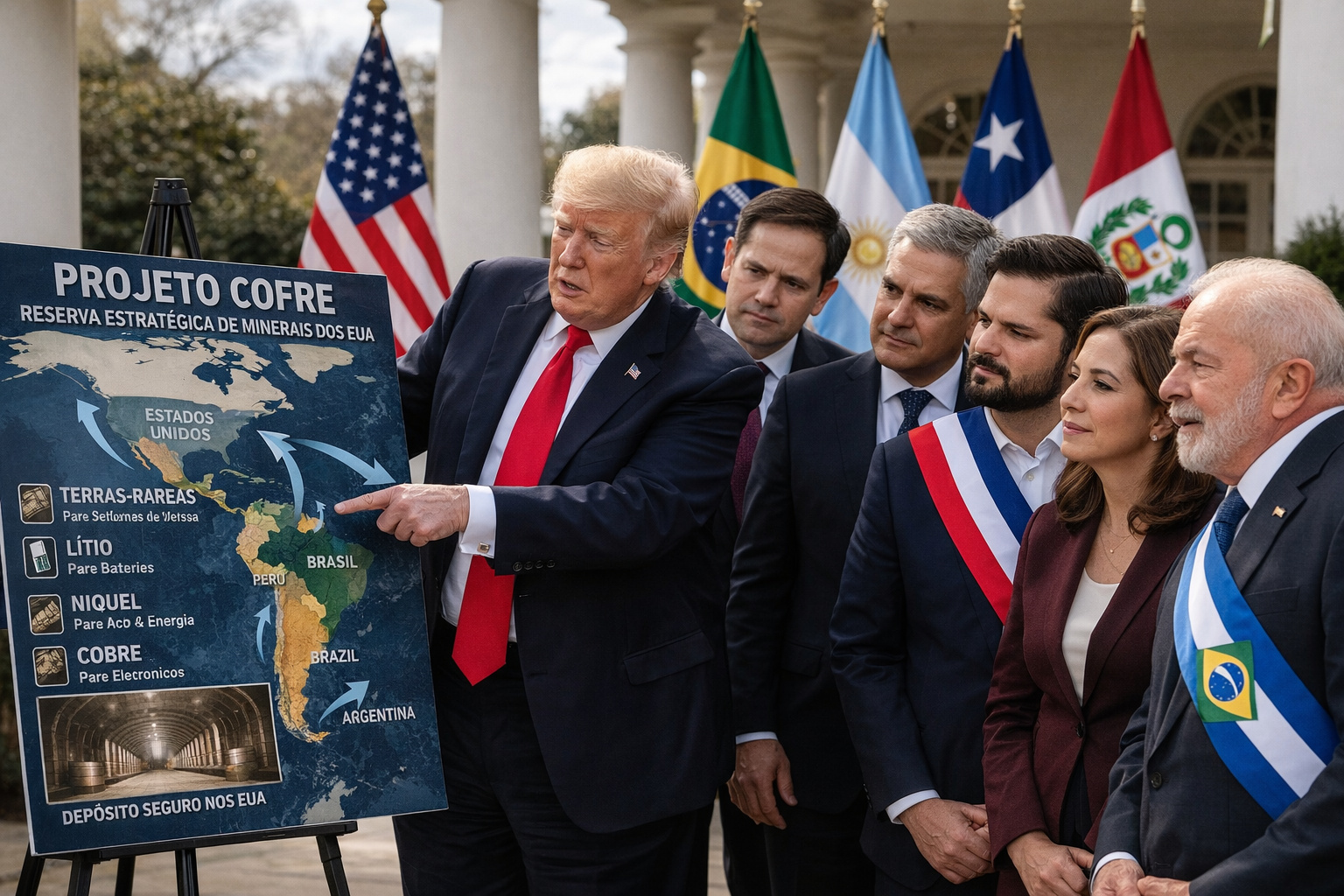
The USA announces a mysterious billion-dollar vault project to store critical minerals, but what intrigues experts is not just the plan itself, but why Latin America, including Brazil, has entered the center of this global dispute against China.
-
Trump Announces Bombing of U.S. Military Targets on Iranian Island Responsible for About 90% of Iran’s Oil Exports, Warns of Further Attacks if Navigation in Strategic Strait of Hormuz Is Threatened


This measure, announced at the end of March, came after the declaration of a “climate emergency” that compromised energy supply in several regions.
The new working hours were established from 8 AM to 12:30 PM during an initial period of six weeks.
Additionally, the government implemented a 1×1 schedule, allowing workers to work one day on and one day off.
However, essential sectors, such as health and safety, continued to operate normally.
The goal of this reduction is to decrease energy consumption amid extreme weather and prolonged drought.
Context Of The Energy Crisis
This is not the first episode of energy crisis in Venezuela; similar measures were adopted in 2016 and 2018, when the low level of the Guri hydropower plant — responsible for about 80% of the country’s energy — also led to a reduction in working hours.
Now, the situation worsens with rising temperatures and decreasing rainfall.
The Venezuelan government has urged the population to cooperate with energy consumption reduction, recommending actions such as setting air conditioning to 23 °C, utilizing natural light, and turning off electronic devices that are not in use.
These initiatives seek to promote a more conscious use of energy at all levels of society.
Changes In China: The 996 Culture And The New Approach
While Venezuela adopts measures to deal with the water crisis, China stands out for its innovative approach to working hours.
Known for the 996 culture — which involves working from nine in the morning to nine at night, six days a week — China is now facing a significant shift.

Recently, the drone manufacturer DJI implemented a policy requiring its employees to leave work exactly at nine at night.
A human resources team patrols the company’s headquarters, ensuring that all employees leave their posts, as if it were an emergency evacuation.
This change surprised many workers and sparked discussions on social media, where one employee commented: “It was the first time I was kicked out of the office“.
Reasons Behind The Change
The term neijuan, which can be translated as “involution”, refers to the need to reduce excessive competition in certain sectors of the economy.
The new policy in China aims to prevent companies from wasting resources in inefficient competition that exhausts workers without bringing significant advances in profitability or innovation.
Although the 996 culture has been defended by prominent figures in the Chinese industry, such as Jack Ma, an increasing number of companies, including Haier and Midea, are adapting to the government’s new guidelines, limiting their employees’ working hours.
Haier, for example, ordered its employees to respect the two days off on the weekend, while Midea started requiring employees to clock out by 6:20 PM instead of 9 PM.
Implications Of The Changes In Working Hours
The decisions made in both Venezuela and China reflect a global trend toward adapting labor laws and seeking more humane working conditions.
In Venezuela, the reduction of working hours is a direct response to an environmental crisis, while in China, the change aims to alleviate pressure on workers in a highly competitive system.
These initiatives also highlight the importance of a healthy work-life balance, encouraging an environment where employees can be productive without sacrificing their mental health and well-being.
In an increasingly connected and technology-dependent world, how companies manage their working hours can have a significant impact on employee satisfaction and talent retention.
Reflections On The Future Of Working Hours
In this context, both Venezuela and China are adapting to new realities, showing that reducing working hours can be a viable solution to face economic and social challenges.
As more countries consider implementing changes to their labor standards, the experiences of Venezuela and China may serve as valuable examples for other nations seeking a more sustainable and balanced future for their workers.
Through the analysis of practices in different parts of the world, it is clear that changes in working hours not only affect employees but also have significant repercussions on the economic and social environment.
The quest for a balance between productivity and worker well-being is a challenge that will continue to shape the future of work worldwide.
SOURCE: CAPITALIST









Seja o primeiro a reagir!