





 English
  Francês
  Alemão
  Italiano
  Japonês
  Norueguês
  Portuguese
  Spanish
  3 min of reading


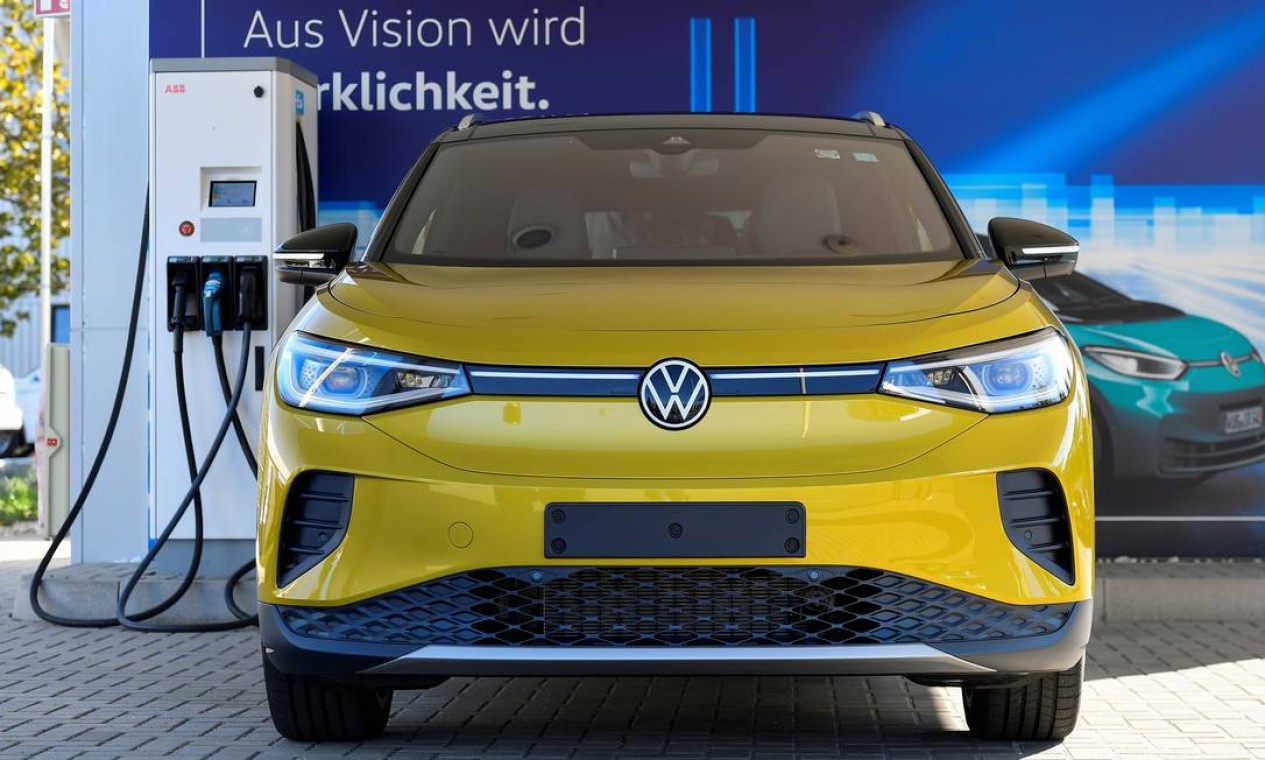
Volkswagen Is Focusing On The Use Of Ethanol In The Brazilian Market, Heading In A Different Direction From Its Bets In China And Europe
While Europe And China Bet On Electric Cars, Volkswagen is investing in another form of sustainable mobility in emerging markets and outlines how its new research and development center for biofuels in Latin America will operate. It will be a unit focused on research and advancement of new solutions based on ethanol and other biofuels.
Volkswagen’s Research Center Will Begin Operations In September
According to a statement released by the automaker, the unit being developed at the Anchieta plant, located in São Bernardo do Campo (SP), will have the support of 10 dedicated engineers, with help from local universities.
The projection is that Volkswagen’s ethanol research and development center will begin operations as early as September, following the concept of an open space inspired by coworking, where the automaker’s team works in constant collaboration to foster the advancement of innovative solutions.
-
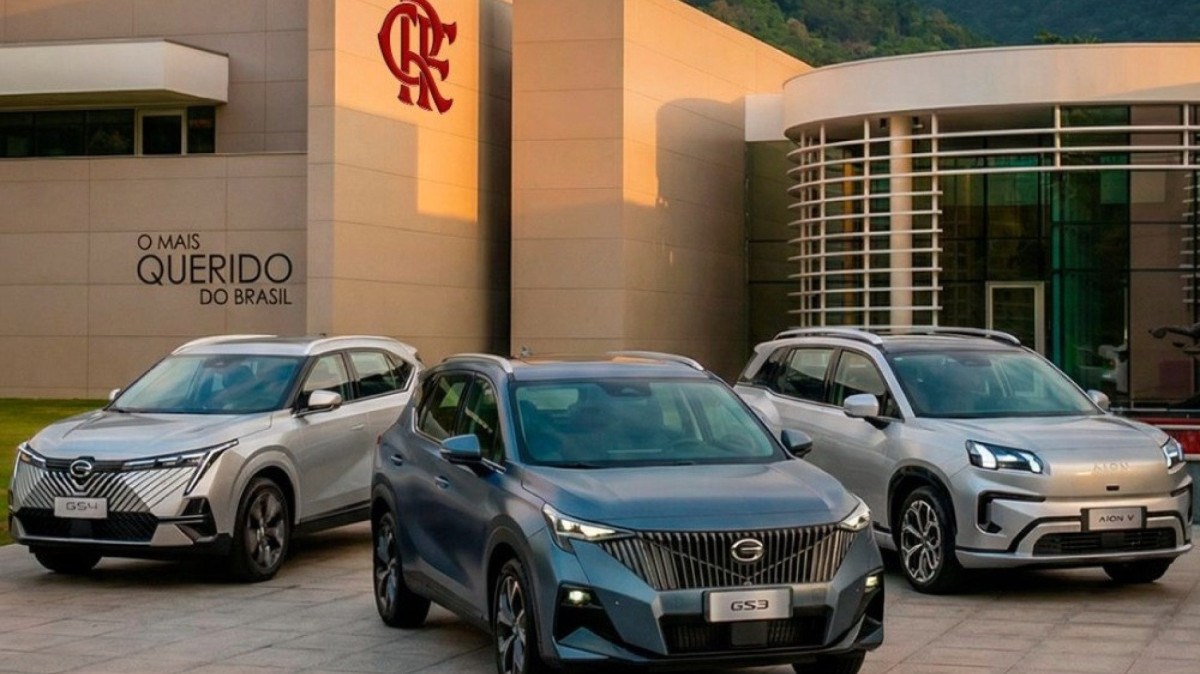
After launching the new GS3 with a 1.5 turbo engine producing 170 hp, GAC partners with Flamengo, enters the field with the largest fan base in Brazil, and accelerates an ambitious offensive to gain scale and confidence in the national market.
-
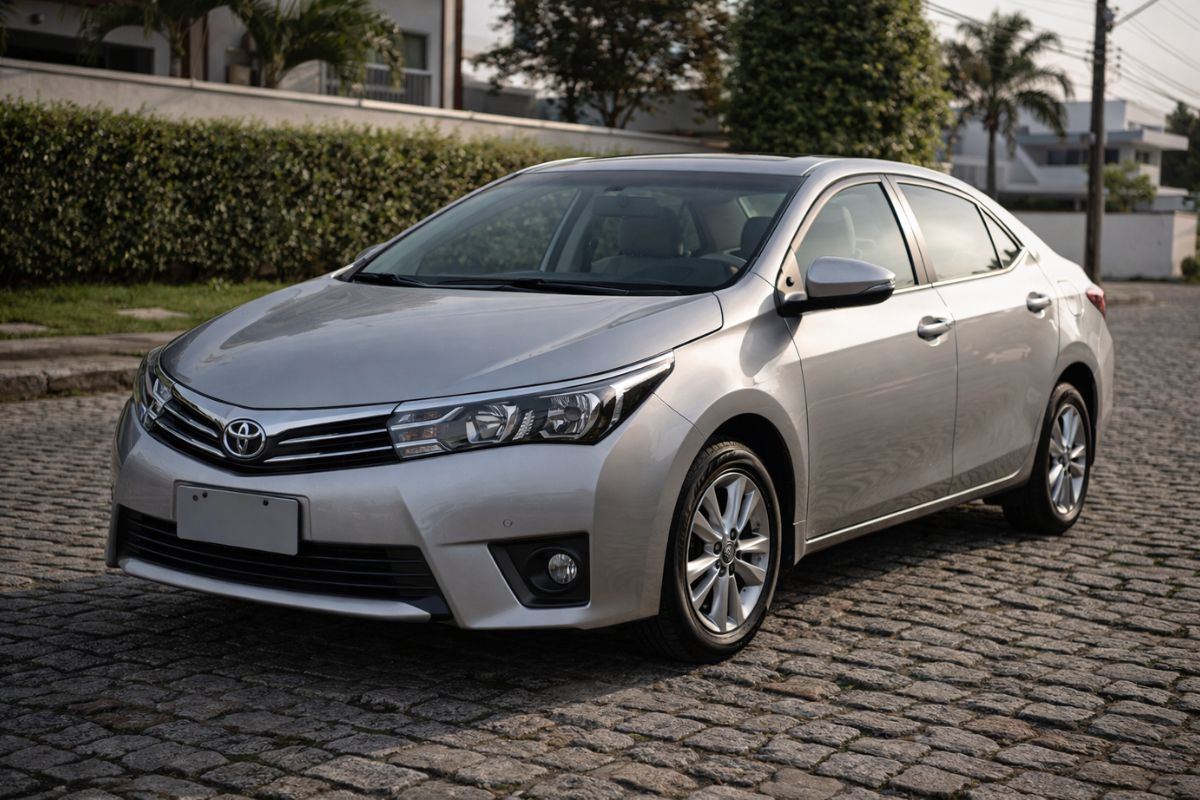
The Corolla from 2015 to 2019 depreciates so little that a 10-year-old model is still worth over 76 thousand reais, and owners treat this sedan as a safe investment thanks to its reputation for durability that no competitor has been able to match.
-
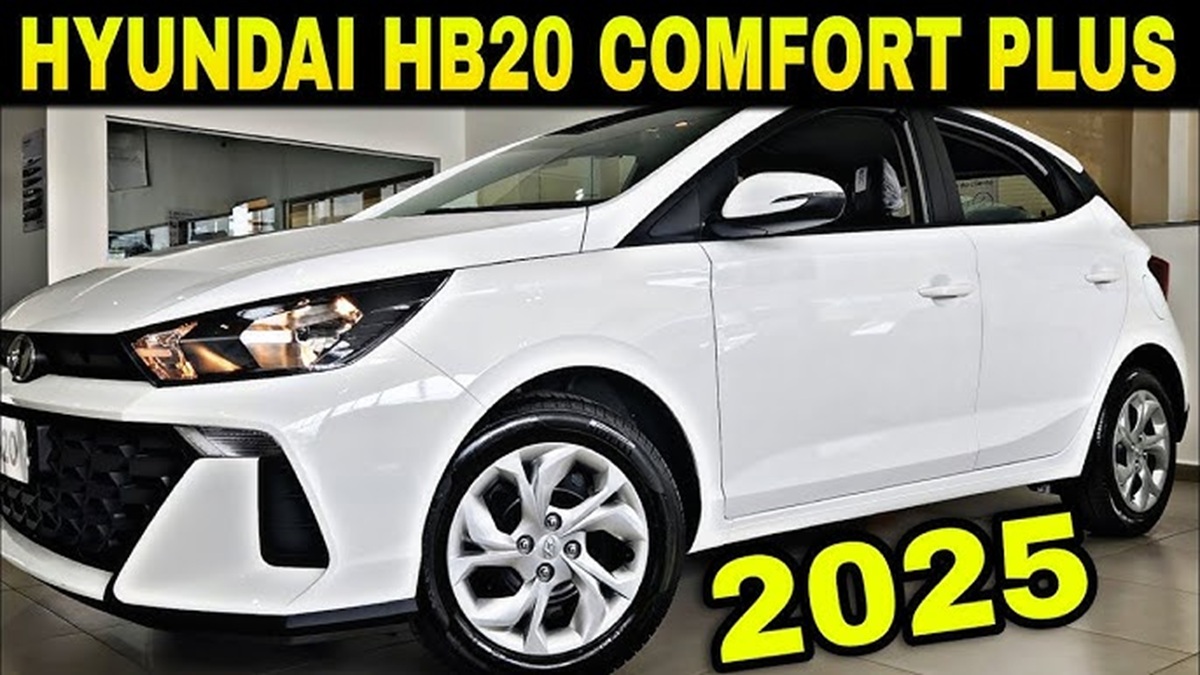
Is it worth considering a financed 2025 HB20 Comfort? A simulation with R$ 50,000 in the bank shows installments ranging from R$ 5,687 to R$ 2,365.
-
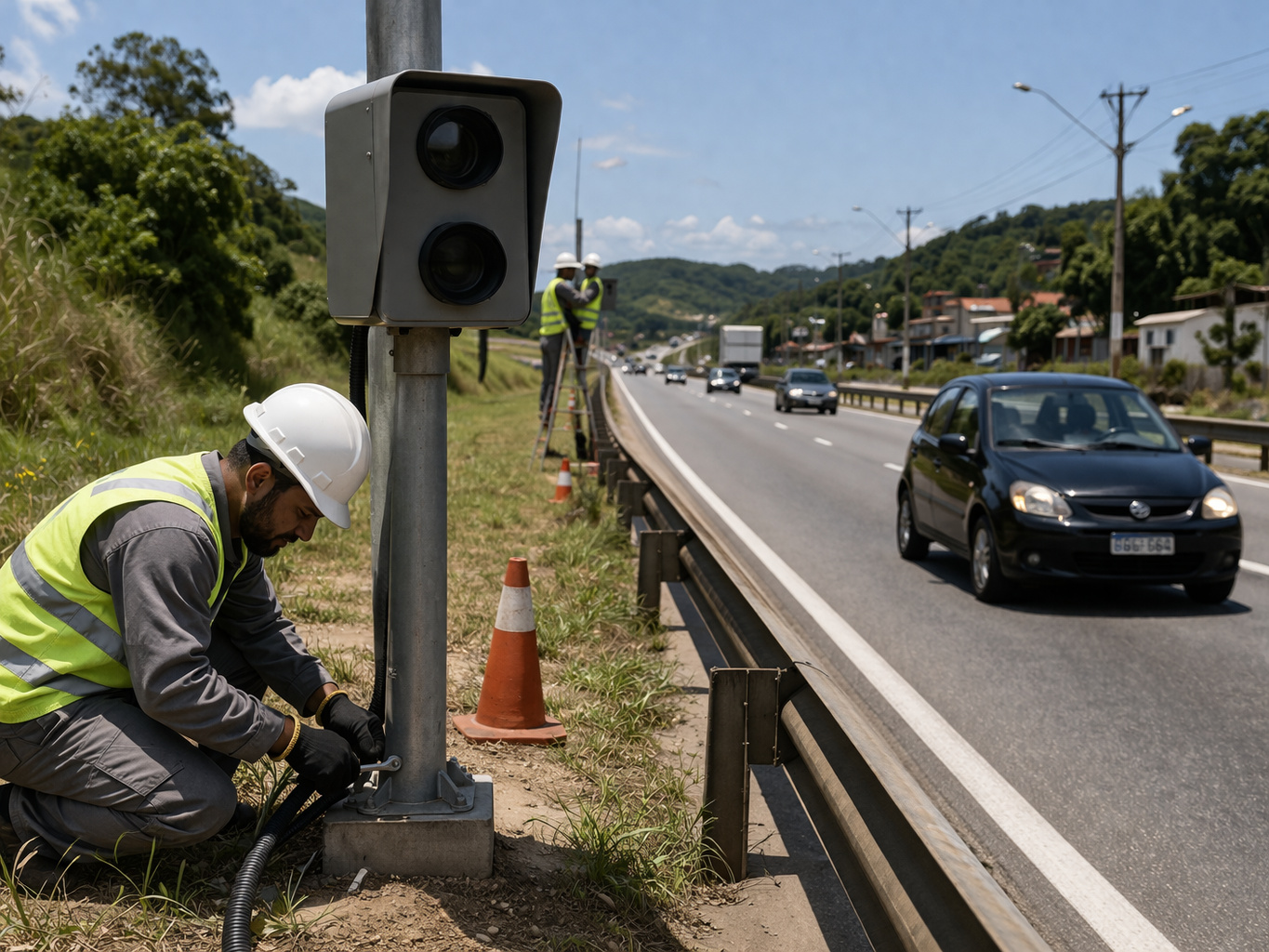
Road surveillance in Rio de Janeiro enters a new phase with the installation of more than 140 speed cameras on highways RJ-106 and RJ-104, and DER-RJ expands speed control in high-traffic areas.

Volkswagen’s project, which aims for sustainable mobility without electric cars, unlike China and Europe, will also use a lot of natural lighting, flexible spaces for varied interaction between work teams, and integrated greenery in the environment.
The CEO of VW reports that the main component of an electric model is its batteries, which are currently large, heavy, and expensive. Herbert Diess states that to have electric vehicles representing half of the group’s sales by 2030, as the EU requires, about six gigafactories of batteries would need to be ready and operational by 2028.
It will be necessary to purchase all the machines, build the factories, find locations, train professionals, and ensure the supply and quality of raw materials. According to the executive, it is a tremendous challenge and also notes that this would only be to serve Europe, a continent where Volkswagen represents about 20% of the market. Therefore, abandoning combustion cars and replacing them with electric ones is basically impossible.
Volkswagen Comments On The Opening Of Its Research Center Focused On Ethanol And Other Biofuels
According to Matthias Michniacli, Vice President of Product Development & Series at Volkswagen, in the SAM region and Brazil, biofuels such as ethanol, as well as electric cars which are the focus of China and Europe, present a great strength to contribute to the Global Way To Zero Strategy, which aims for carbon neutrality by 2050.
Through the biofuels research center, Volkswagen plans to establish partnerships with local universities, companies, and institutes to explore the region’s expertise and knowledge regarding the subject. Moreover, the ethanol unit also aims to find solutions for sustainable mobility as an alternative to electric cars, which are the focus of other markets such as China, Europe, and the USA.
According to the global strategic plan of the Volkswagen group, the goal is to boost the presence of electric cars in Europe to 70%, and 50% in the United States, in the company’s total sales by the next decade. Volkswagen’s plans are to gradually eliminate the manufacturing of combustion cars in Europe by 2035, slightly later than in China and the United States.
Volkswagen Enters Into Partnership With Raízen
In the case of Brazil, there is still no specific target for electric cars, unlike the markets in Europe and China. The automaker does not sell its electric cars in the country, limiting itself to showcasing the VW ID.3 and ID.4 models, which may be launched in the near future. However, they still do not have an official date to reach the national market.
Although there is no forecast for the arrival of VW’s electric cars in Brazil, the automaker recently entered into a partnership with Raízen for the development of a charging infrastructure for electric cars at the network’s stations in the country.









Seja o primeiro a reagir!