





 Português
  Inglês
  Espanhol
  4 min de leitura
  0 comentários



On Wednesday, July 9, the largest city in the country slows down. But behind the scenes, a complex operation of inventory anticipation, re-routing, and industrial planning works to the limit. Understand how.
On Wednesday, July 9, millions of residents in São Paulo will have a well-deserved day off to celebrate the date of the Constitutional Revolution of 1932. Traffic decreases, offices empty out, and the city takes on a calmer pace. But while the metropolis seems to take a break, an invisible and frantic logistics operation enters its most critical moment.
Have you ever stopped to think about why, even with one less business day, milk doesn’t disappear from the supermarket, fuel doesn’t run out at the gas station, and your online order still arrives on time? The answer lies in a complex and fascinating planning engineering that happens weeks before you even think about the holiday. This is the story of holiday logistics in Brazil.
The Domino Effect: Why a Holiday on Wednesday Is the Biggest Logistical Challenge?
For Supply Chain Management, a holiday in the middle of the week is the most complex scenario. Unlike “extended” holidays on Monday or Friday, which create a long and predictable weekend, a break on Wednesday “breaks” the week into two short and intense blocks.
-
Brazilian city gains industrial hub for 85 companies that is equivalent to 55 football fields.

-
Peugeot and Citroën factory in Argentina cuts production by half and opens a layoff program for more than 2,000 employees after Brazil drastically reduced purchases of Argentine vehicles.

-
A Brazilian city gains a factory worth R$ 300 million with the capacity to process 200 thousand tons of wheat per year, a mill of 660 tons/day, silos for 42 thousand tons, and an industrial area of 276 thousand m².

-
Havan will leave the shopping mall in Blumenau to inaugurate something that the chain has never done before: a megastore in half-timbered style in the Historic Center of the city, which is expected to be completed in May and change the landscape of local retail.


This creates a domino effect:
- Deliveries that were supposed to happen on Wednesday need to be moved up to Tuesday or postponed to Thursday.
- Thursday becomes a day of pent-up demand, with nearly double the volume of deliveries and pickups.
- All transportation, storage, and production flow needs to be replanned to avoid bottlenecks and supply disruptions.
The Supermarket Battle: Anticipating Demand
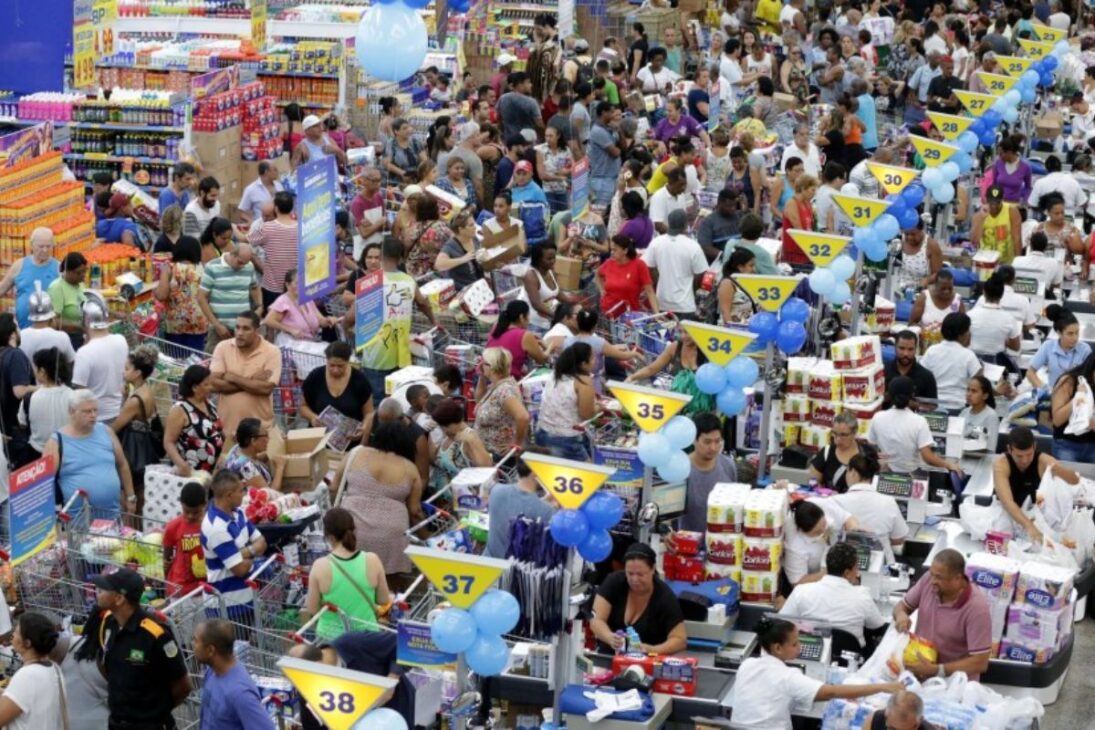
The supply of supermarkets during holidays is a science. Days before, analysts from major retail chains are already running their demand forecasting software. They know that, on the eve of the holiday, there will be a spike in purchases of certain items, such as barbecue meats, beverages, and bread.
To deal with this, the operation is anticipated. Distribution Centers (DCs) work at an accelerated pace on Monday and Tuesday to “push” a larger volume of stock to the stores. The goal is to ensure that the shelves are not only stocked for the day before the holiday but also have enough inventory to support Wednesday (when no goods are received) and Thursday morning.
The E-Commerce Puzzle: Reprogramming Routes and Deadlines
When you buy a product online, the promised delivery time already considers the holiday in its calculation. The algorithms of carriers and marketplaces are adjusted not to count July 9 as a business day.
Behind the scenes, logistics teams work to optimize routes and maximize the number of deliveries made by Tuesday. Sorting centers and logistics warehouses, in turn, prepare for a massive volume of packages on Thursday, the day when the pent-up flow is released all at once.
Industry in ‘Stop-and-Go’: How Factories Plan for the Interruption
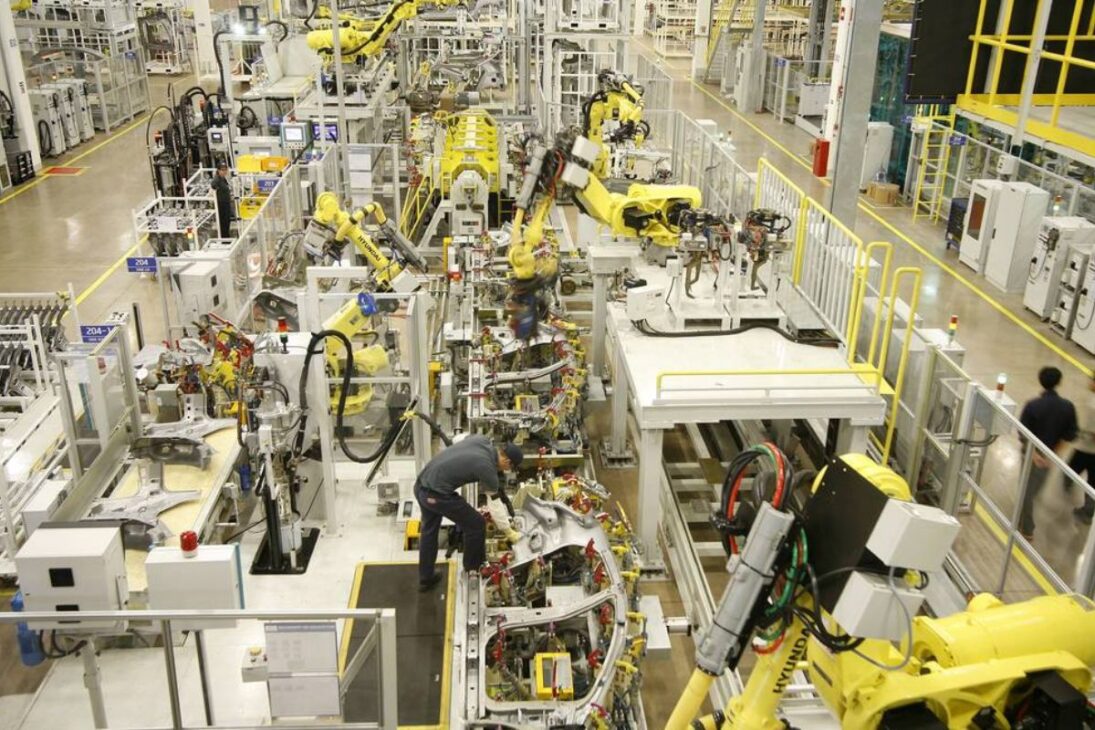
The impact of the holiday on industry is equally complex. For an assembly line, stopping and restarting has a cost. Therefore, the industrial production planning is done weeks in advance.
Many factories take advantage of the holiday in the middle of the week to conduct scheduled maintenance on heavy machinery, optimizing downtime. Others, with continuous processes (like steel mills or glass factories that cannot turn off their furnaces), need to operate with special work shifts, which implies higher labor costs.
Essential Cargoes: The Operation That Never Stops
While most of the logistics adapts, a part of it can never stop. The transportation of essential cargo, such as medicines for hospitals, oxygen, perishable food, and fuels, has robust contingency plans. These operations rely on dedicated fleets, on-call teams, and often special authorizations to ensure that vital services for the population are never interrupted.
The next time you enjoy a holiday, remember: behind your break, there is an army of planners, analysts, drivers, and operators working double to ensure that your break is perfect and that, the next day, everything returns to running like clockwork.
Had you ever stopped to think about all the logistics operation behind a day off? What other “invisible” processes in daily life are you curious to understand?









Seja o primeiro a reagir!