





 Português
  Inglês
  Espanhol
  3 min de leitura
  0 comentários



How Oil Prices, A Crucial Variable In The Global Oil Market, Directly Influence Your Daily Budget And The Global Economy, From Fuel Costs To The Prices Of Consumer Goods And International Economic Decisions.
Oil prices are determinants for many global economic dynamics and have a direct impact on the daily lives of individuals, affecting everything from transportation costs to the prices of basic goods. As a crucial commodity in the global economy, any fluctuation in oil prices can trigger significant waves across various areas, from consumer price inflation to industrial production costs. Oil types such as Brent, which originates in Europe, and WTI, which comes from North America, serve as global benchmarks, influencing economic policies and energy prices worldwide.
In the current scenario, understanding how oil prices affect daily life is essential for everyone, from consumers to business owners and policymakers. Price variations can result from geopolitical factors, such as tensions in the Middle East, or political decisions, like economic sanctions and trade agreements. These prices not only determine the cost of gasoline and diesel, directly influencing household budgets, but also affect the cost of products that rely on transportation for distribution. Thus, a clear understanding of these dynamics can help anticipate changes in the cost of living and appropriately adjust personal and business budgets.
Oil Prices Have Global Influence


Oil, as one of the main commodities traded globally, plays a central role in the world economy. The price of Brent crude oil, a global benchmark primarily extracted in the North Sea, and WTI, which is light and preferred in the U.S., influences everything from gasoline prices to the cost of petroleum-derived products. This price variation can be attributed to various factors, including geopolitical conditions, trade agreements, and fluctuations in global demand.
-
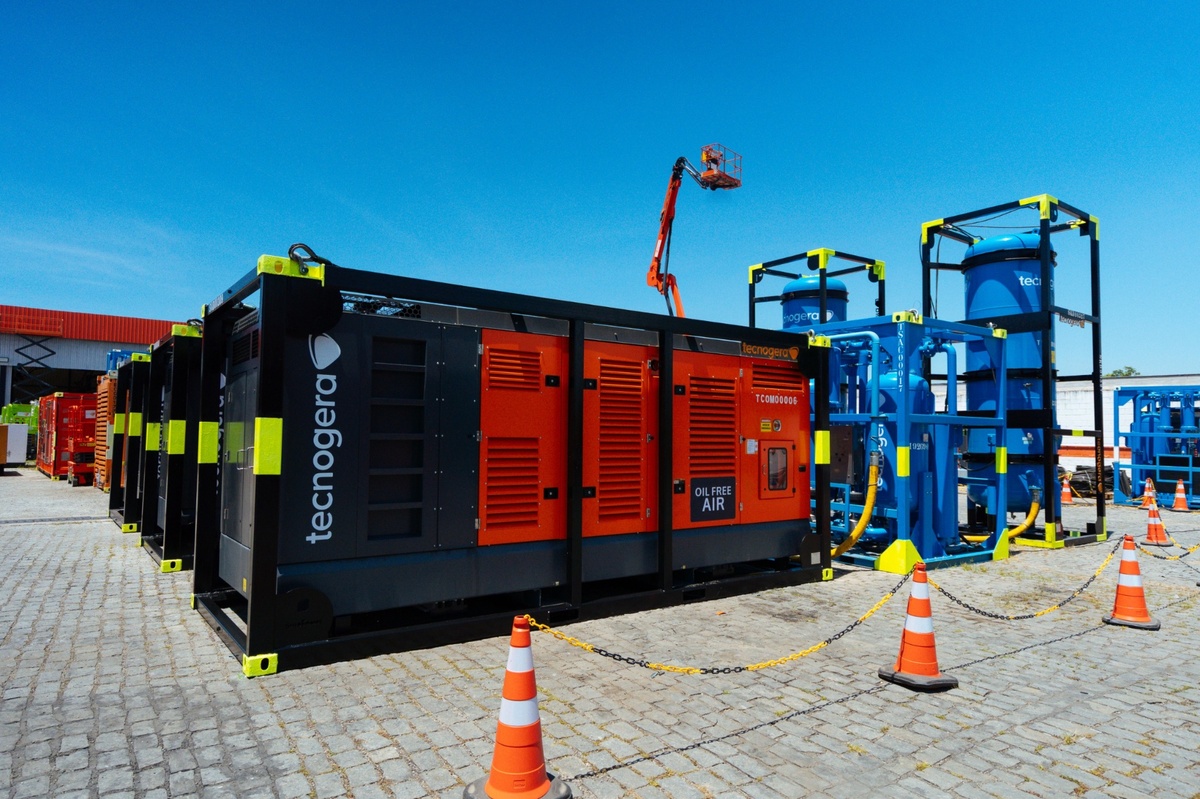
Offshore industrial demand in Macaé skyrockets with the recovery of oil and gas and could grow by up to 396% by 2026 in the Campos Basin.
-
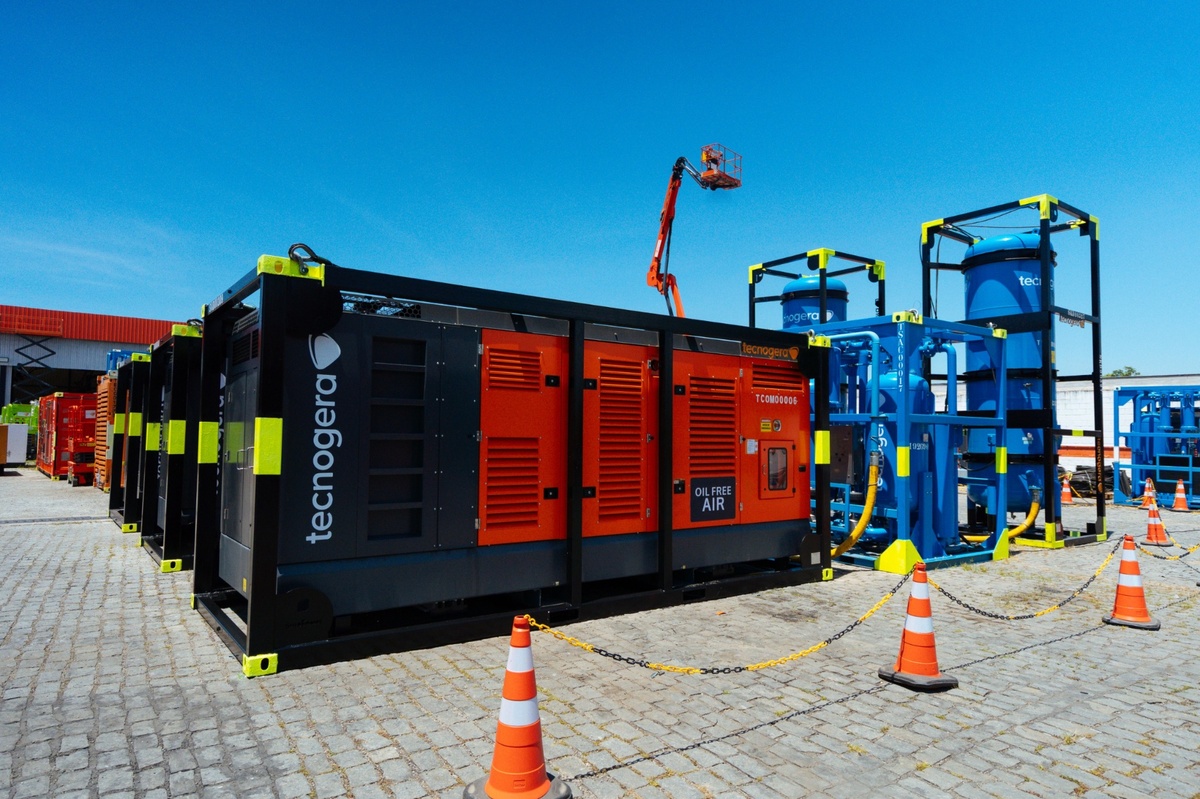
Offshore industrial demand in Macaé surges with the recovery of oil and gas and could grow by up to 396% by 2026 in the Campos Basin.
-
Brazilian giant expands borders in the Southeast: Petrobras confirms new oil discovery in ultra-deep waters in the pre-salt of the Campos Basin.

-
Alert in the global energy market: Severe tropical cyclone hits the coast and disrupts gas production at major plants in Australia, threatening global supply.


For instance, an increase in oil prices typically leads to a direct rise in fuel costs, such as gasoline and diesel. This affects not only drivers but also the cost of products transported by these vehicles, thereby raising consumer prices of everything from food to manufactured goods. In Brazil, for example, the fuel pricing policy is directly influenced by the international oil quotation and exchange rates, which can lead to significant increases in the cost of living.
The Oil Market Is Intrinsically Linked To Political And Economic Decisions
Agreements such as those made between the U.S. and Venezuela, or the purchase of Russian oil through intermediaries, demonstrate how nations maneuver within this market to meet their national interests, often resulting in global economic impacts. These dynamics affect not only oil prices but also the economic stability of producing and consuming countries.
Understanding how oil prices affect the global economy and daily living costs is crucial in an increasingly interconnected world. With recent global events increasing market volatility, it becomes even more important for consumers and investors to stay informed about these developments. This way, they can better anticipate and mitigate the effects of these fluctuations on their personal finances and investment decisions.










Seja o primeiro a reagir!