





 English
  Francês
  Alemão
  Italiano
  Japonês
  Norueguês
  Portuguese
  Spanish
  6 min of reading
  0 comments


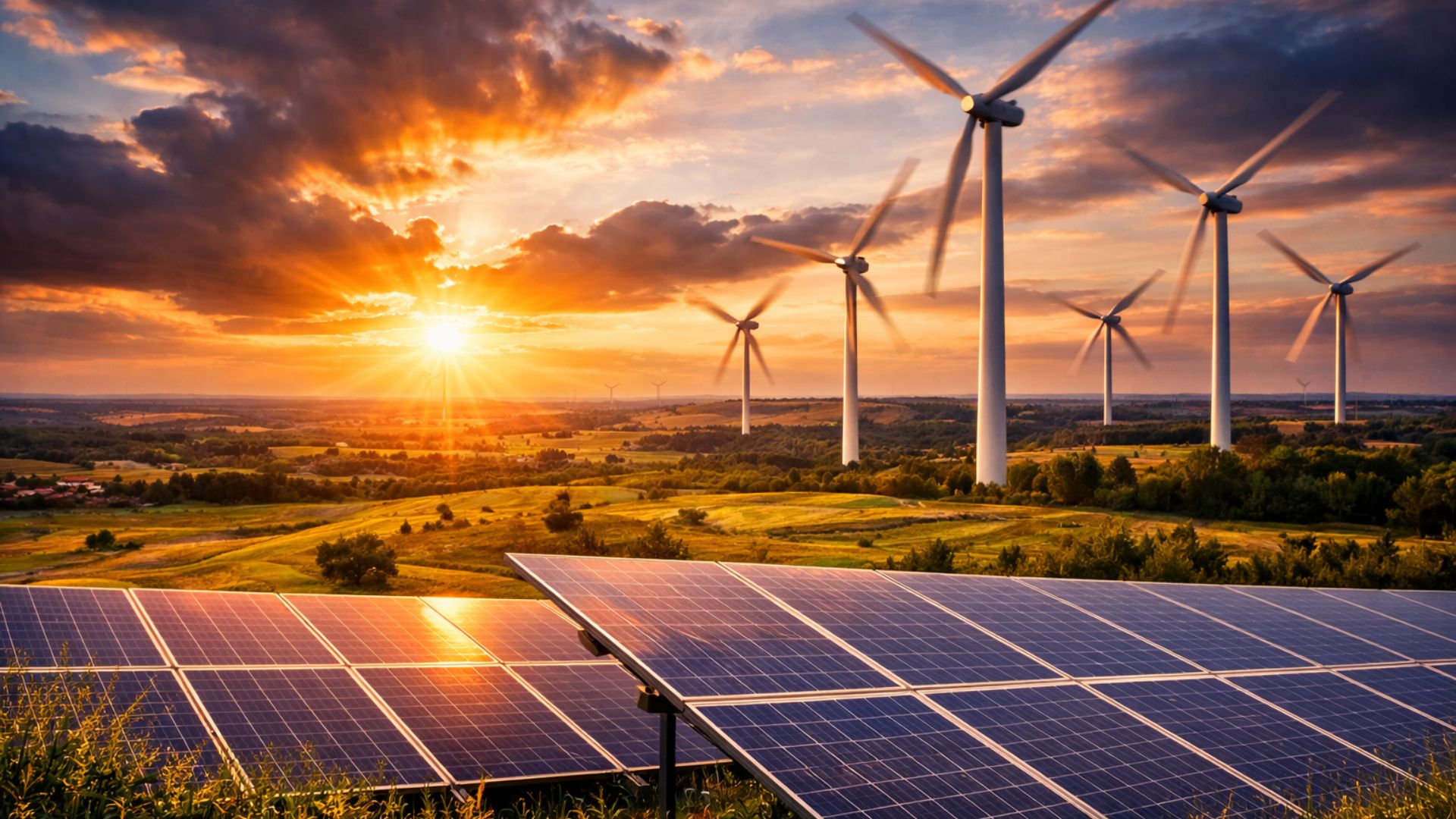
The Escalation of the War in the Middle East Puts Pressure on Oil, Expands Geopolitical Risks, and Accelerates the Race for Renewable Energies. Understand How Global Instability Is Redirecting Investments and Creating Strategic Opportunities in the Energy Transition.
The escalation of the war in the Middle East has reignited a central debate for governments and companies: to what extent does dependence on oil compromise global energy security? The recent tension involving Israel, Iran, and the United States has put pressure on the international energy market, driving the barrel to accumulate a nearly 8% increase, approaching US$ 85.
According to an article published by Exame on March 3, the movement raises alarms about the structural vulnerability of the global energy matrix. According to the International Energy Agency, about 80% of the energy consumed globally still comes from fossil fuels. A large portion of this production is concentrated in sensitive geopolitical regions, which increases the risks of disruptions and price volatility.
Volatility in the Middle East Transforms Energy into a Strategic Variable
In this scenario, the perception grows that renewable energies have ceased to be just an environmental agenda. They begin to represent cost predictability, strategic security, and new investment opportunities.
-
A study reveals the expansion of renewable energy procurement in Brazil and shows how companies are taking advantage of opportunities to reduce expenses, ensure energy efficiency, and strengthen strategic environmental commitments.

-
Mato Grosso do Sul excels in the sugar-energy sector: the state reaches a milestone of 22 operating mills and accelerates the production of clean energy in MS with a focus on sustainability.

-
National energy dilemma: Brazilians support clean energy but reject increases in tariff costs to finance the sustainable transition.
-
Research indicates that Brazilians support clean energy and wish to advance in the energy transition, but reject paying more on their electricity bill, showing a direct conflict between cost and sustainability.


The Middle East is responsible for a significant share of global oil production and exportation. Whenever there is an escalation of conflict, the market reacts immediately. The current war adds a component of unpredictability that goes beyond a momentary shock.
Experts consulted by Exame assess that when oil becomes associated with instability, corporate decisions change. Energy-intensive companies start to consider not only the current price of the barrel but also the structural exposure to geopolitical crises.
This reasoning gained strength after Russia’s invasion of Ukraine, which had already altered global natural gas flows. Now, the tension in the Middle East reinforces the understanding that energy security and foreign policy go hand in hand. The direct consequence is the increased valuation of local sources that are less subject to international conflicts, such as solar, wind, and biomass.
Renewable Energies Gain Traction with Oil Price Hike and New Investments
The expansion of renewable energies has already been accelerating. In 2023, the world added more than 500 gigawatts of renewable capacity, according to the International Energy Agency, setting a historical record.
With the recent war in the Middle East, this trend is likely to strengthen. As the barrel approaches US$ 85 and accumulates an 8% increase, solar and wind projects become even more competitive against fossil sources.
The World Energy Investment 2024 report from the International Energy Agency projects that global investments in clean energy will exceed US$ 2 trillion this year. This amount is significantly higher than that allocated to the expansion of oil, gas, and coal.
For institutional investors, stability is a strategic asset. Unlike oil, whose price depends on geopolitical factors, renewable energies offer greater predictability after asset installation.
Investments in Clean Energy Exceed Fossil Fuels Amid War
Data from BloombergNEF shows that global investments in the energy transition exceeded US$ 1.7 trillion in 2023. The total includes renewable generation, storage, electric networks, and electric mobility.
The war in the Middle East reinforces the trend of redirecting capital. When geopolitical risk increases, investors seek assets that are less exposed to conflicts and logistical disruptions.
Still, there is caution in the short term. High volatility environments can delay long-term decisions. Large projects require regulatory security, currency predictability, and political stability. Nevertheless, the structural trajectory remains favorable to renewable energies and the expansion of investments in the sector.
Brazil Emerges as a Strategic Destination for Renewable Energy Investments
In a world impacted by the war in the Middle East, Brazil becomes part of the global energy security equation. According to the Energy Research Company, more than 80% of Brazil’s electric matrix is composed of renewable sources.
This characteristic places the country in a differentiated position compared to the global average. The strong presence of hydropower, the consistent expansion of wind and solar energy, and a consolidated biofuels industry form a rare competitive base.
Moreover, Brazil gathers relevant strategic assets. The country maintains diplomatic stability, has no regional conflicts, and holds critical mineral reserves essential for clean technologies. Amid the instability of the Middle East, these factors increase the potential to attract international investments.
However, experts warn that the country is not completely insulated. Brazil exports crude oil but imports derivatives like diesel, which is essential for heavy transportation. In scenarios of external shocks, such as the current one, it may face pressures in the domestic market.
War and Dependence on Fossil Fuels Expose Fragilities of the Energy System
The current war reinforces a historical lesson. In the 1970s, the shock caused by the Organization of the Petroleum Exporting Countries promoted energy efficiency policies and diversification of sources.
Today, the scenario repeats itself under new conditions. The stock of natural gas in Europe, for example, is around 30%, according to data mentioned by industry experts, while dependence on imports keeps countries vulnerable to external shocks.
What happens in the Middle East shows that fossil fuels are not just pollutants. They also carry significant supply risks. The volatility associated with the war increases logistical costs, pressures currencies, and impacts global production chains. In this context, expanding the share of renewable energies in the global energy matrix becomes not only desirable but strategic.


Green Industrialization as a Structural Response to Instability in the Middle East
The opportunity lies not only in generating clean energy. Experts advocate that Brazil and other countries with a solid renewable base advance towards a strategy of green industrialization.
Instead of merely exporting energy commodities, the proposal is to use renewable energies to produce higher value-added industrial goods, such as low-carbon steel, sustainable fertilizers, and strategic inputs.
There is also the debate about the export of green hydrogen. While promising, this alternative involves logistical challenges and high costs. Transforming clean energy into industrial products can be a more efficient way to capture value.
In an environment marked by war and tensions in the Middle East, adding value internally reduces exposure to external shocks and strengthens domestic production chains.
A Historical Window to Accelerate the Energy Transition
The instability in the Middle East makes it clear that energy is no longer just an environmental issue. It has become a central variable in economic and geopolitical strategy.
With oil prices accumulating an almost 8% increase and approaching US$ 85 per barrel, and with fossil fuels still representing about 80% of the global matrix, the world faces a clear dilemma. Continue to depend on regions susceptible to conflict or accelerate the expansion of renewable energies.
For Brazil, this moment represents a historical window. The combination of a predominantly renewable electric matrix, geopolitical stability, and industrial potential creates favorable conditions to attract capital and strengthen green production chains.
In the short term, volatility is expected to persist. In the medium and long term, however, the trend points towards a structural reconfiguration of the global energy system. In a world more attuned to the risks of the Middle East, the expansion of renewable energies and the strategic direction of investments may define the winners of the new low-carbon economy.








Seja o primeiro a reagir!