





 Portuguese
  English
  Spanish
  4 min of reading
  0 comments


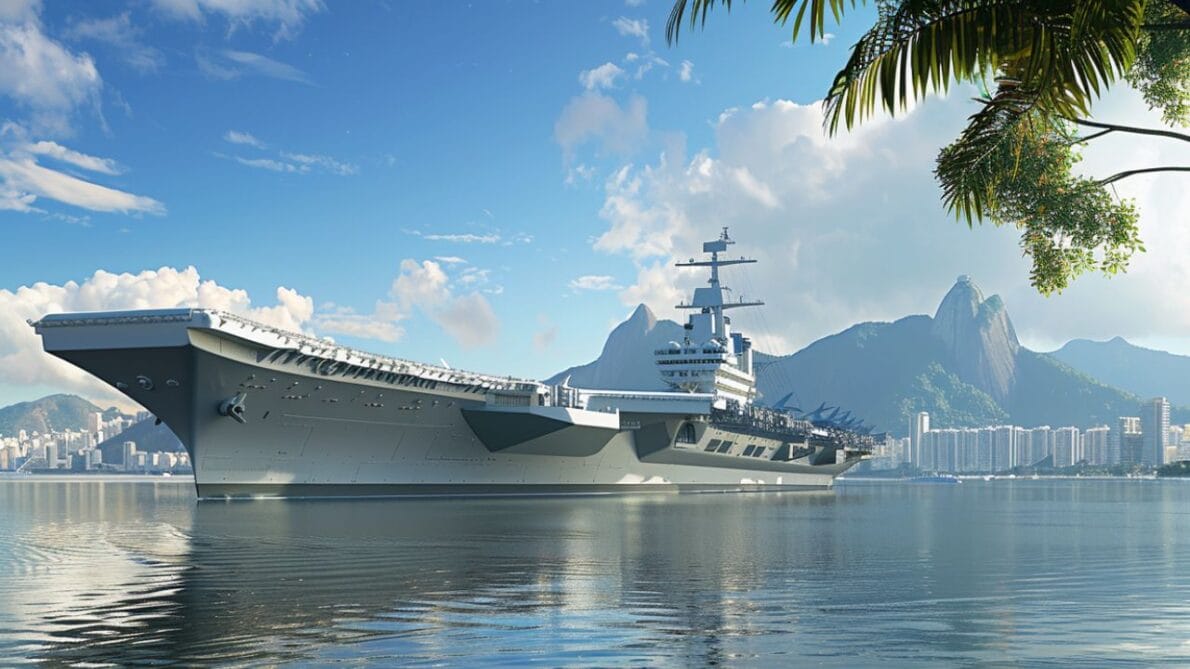
Discover How A Nuclear Aircraft Carrier Operates Like A True Floating City, Utilizing Nuclear Reactors For Power And Innovative Steam Catapult Systems And Arrestor Wires That Allow Fighters To Take Off And Land In Extremely Limited Spaces.
Have you ever wondered how a nuclear aircraft carrier can operate so efficiently, even with the challenge of being practically an airport in motion in the middle of the ocean? These gigantic floating structures are true marvels of modern engineering, powered by nuclear energy, which allows them to navigate the world without the need for frequent refueling. Even more impressive is how the fighters take off and land in such limited space.
On an aircraft carrier, every inch of the deck is utilized to maximize the efficiency of air operations. Thanks to innovative steam catapult systems and arrestor wires, combat aircraft can take off and land on a runway that is only a fraction of the size of that in a conventional airport.
What Is On An Aircraft Carrier?
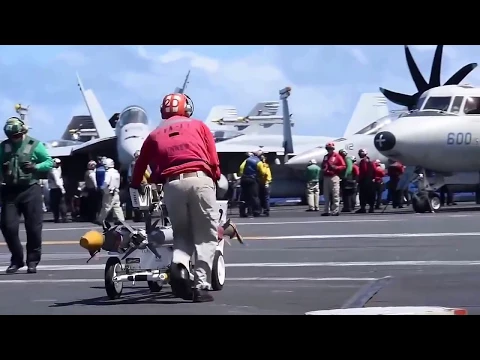

An aircraft carrier is like a small floating city, divided into many different areas, each with a specific function. At the top, we have the flight deck, where planes take off and land. This deck is equipped with catapults that launch the planes into the air and wires that aid in safe landings. Just below is the command bridge, where the captain and his crew steer the ship, and air traffic control towers coordinate the flight operations.
-
Historic bankruptcy of Centauro shocks the market, and the century-old company puts more than 500,000 products, machines, and complete infrastructure up for online auction.

-
New shoe factory in Ceará is expected to create 400 jobs and strengthen the local economy.

-
No one imagined it, but a mixture of sawdust with a mineral that fights fires surprises scientists with a result that changes the course of fire-resistant construction.

-
From empty land to a high-end house, wooden construction uses a lightweight system, metal structure for the foundation, ventilated ceramic cladding, and special windows to create an efficient and comfortable living space throughout the year.

Further down the ship, we find the gallery deck, which is the nerve center for combat operations and mission control. Here, teams monitor any combat activity and manage internal and external communications. Descending even further, we reach the hangars, which are large spaces where the planes are stored when not in use. At the bottom of the ship are the nuclear reactors that provide the necessary power to keep the ship operating, and the enormous generators that distribute this power throughout the aircraft carrier.
How Does A Nuclear Aircraft Carrier Work?
A nuclear aircraft carrier is powered by nuclear reactors, which are essentially large furnaces that use uranium to generate heat. This heat is so intense that it turns the surrounding water into high-pressure steam. This steam is then directed to gigantic turbines, which begin to spin forcefully. These turbines are connected to electric generators and the shafts of the ship’s propellers. When the turbines spin, they drive the generators that produce electricity for the ship and turn the propeller shafts, which in turn move the ship through the water.
The interesting thing about nuclear energy is that it can produce a tremendous amount of power from a small amount of fuel. This means that a nuclear aircraft carrier does not need to refuel frequently and can stay at sea for long periods without interruption. The energy generated by the reactors is used to operate all systems of the ship, from running the lights and radar to propulsion and launching the planes. This efficient and powerful use of nuclear energy makes aircraft carriers some of the most self-sufficient and robust machines in operation today.
How Do Fighters Manage To Take Off And Land In Just A Few Meters
The aircraft carriers are equipped with very special systems that allow fighters to take off and land in a very short space—something that would be impossible at a normal airport. To take off, the planes use something called a “steam catapult.” Basically, it is a large machine that connects to the aircraft and launches it forward at incredibly high speed in just a few seconds. This allows the plane to gain the speed necessary to take off in just a fraction of the length of a conventional airport runway. Some aircraft carriers have a kind of ramp to further boost the aircraft.
To land, the process is a little different. The fighters use a tail hook that latches onto one of the several cables stretched across the flight deck of the aircraft carrier. When the aircraft touches down on the deck, this hook grabs onto one of the cables and, with the help of the system, rapidly slows the plane down, allowing it to stop in a very short distance. This cable system is known as “arrestor wires,” and it is crucial for ensuring that the planes can land safely in such limited space.









-

-

2 pessoas reagiram a isso.