





 Portuguese
  English
  Spanish
  4 min of reading
  0 comments


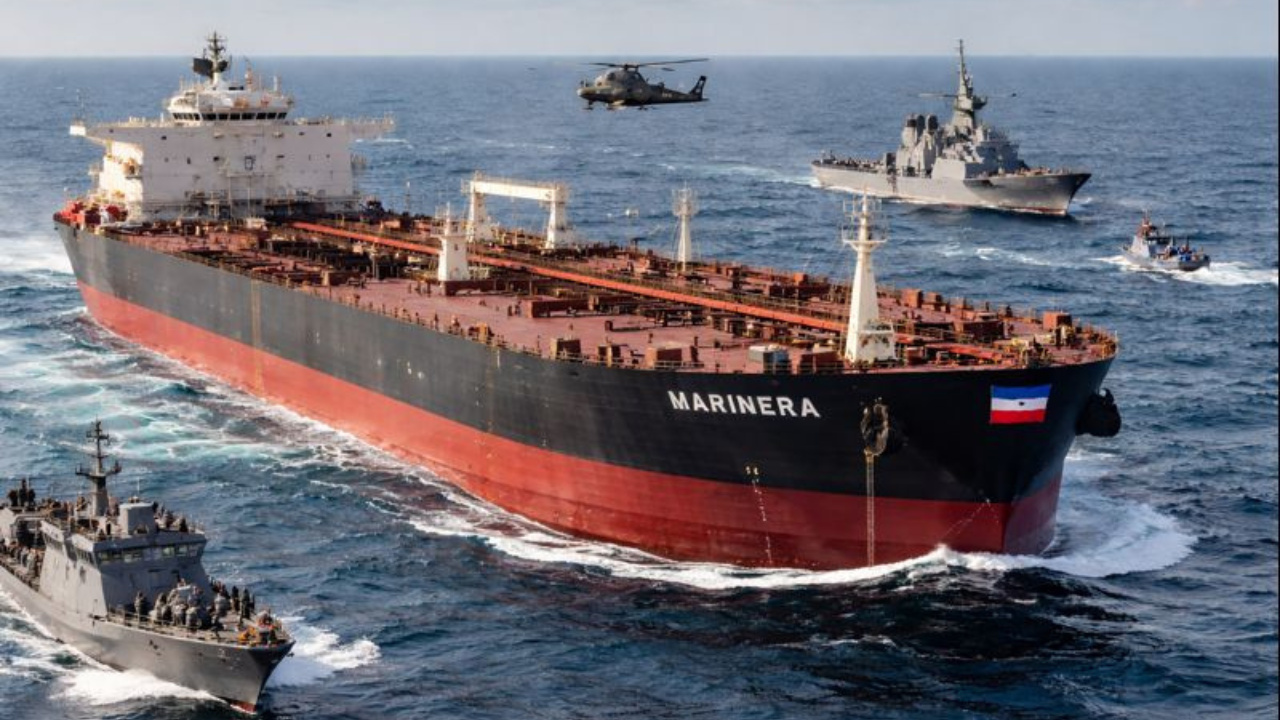
Seizure of Tanker with Venezuelan Oil Shows Tightening of U.S. Sanctions and Reinforces International Maritime Blockade.
The seizure of a tanker announced on Wednesday (7) by the United States once again placed global energy trade at the center of geopolitics.
The ship Marinera, associated with Venezuelan oil and operating under Russian flag, was intercepted in international waters after weeks of monitoring.
The action took place in the Atlantic Ocean, involved U.S. troops, and reignited tensions between the U.S. and Russia, amid the tightening of U.S. sanctions against Caracas and its allies.
-
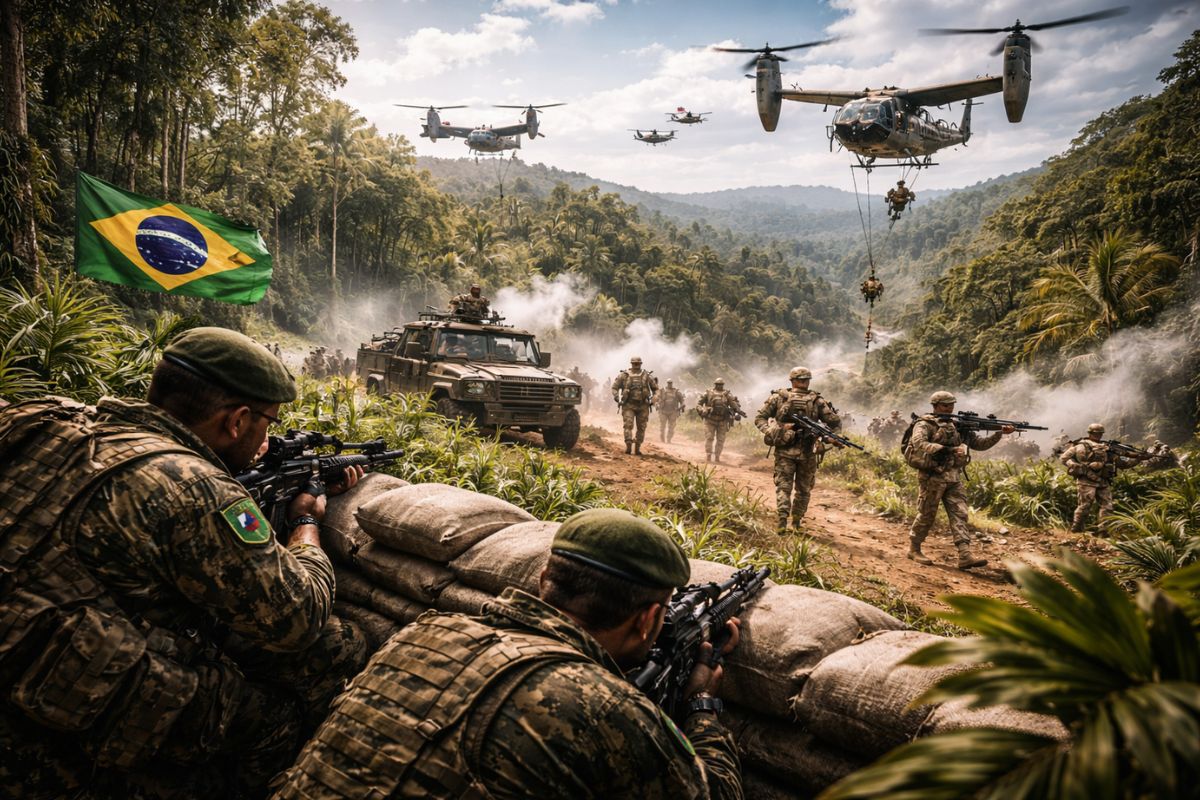
If the USA were to go to war with Brazil, Washington’s greatest fear would not be the attack itself, but facing a vast territory, prolonged resistance, and a costly, chaotic, and unpredictable occupation.
-
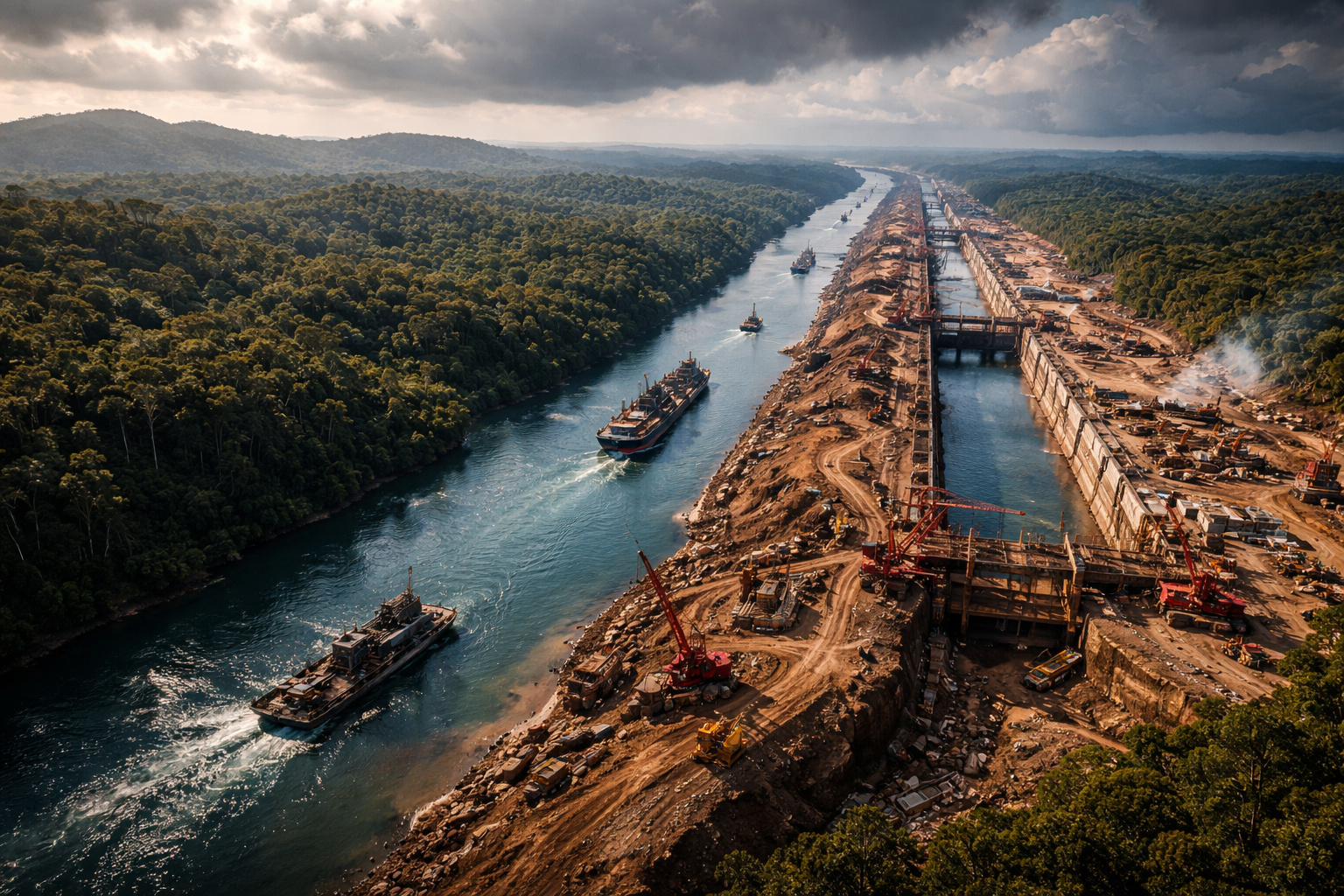
In 2013, Nicaragua sold the concession for a canal to rival Panama to a Chinese billionaire who lost 85% of his fortune, disappeared, and was declared bankrupt. Now the project resurfaces with a new route, a new Chinese partner, and a cost of $64.5 billion.
-
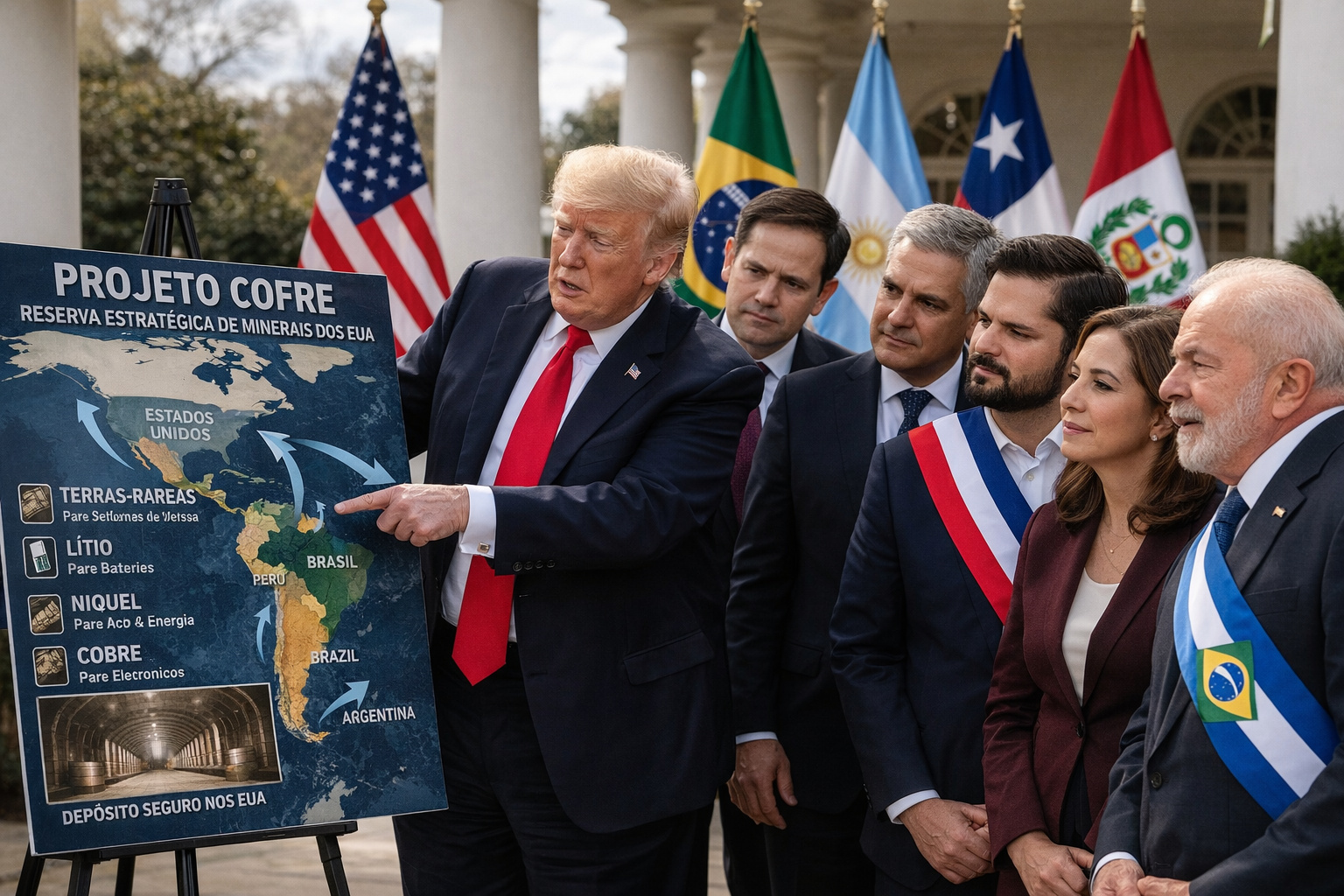
The USA announces a mysterious billion-dollar vault project to store critical minerals, but what intrigues experts is not just the plan itself, but why Latin America, including Brazil, has entered the center of this global dispute against China.
-
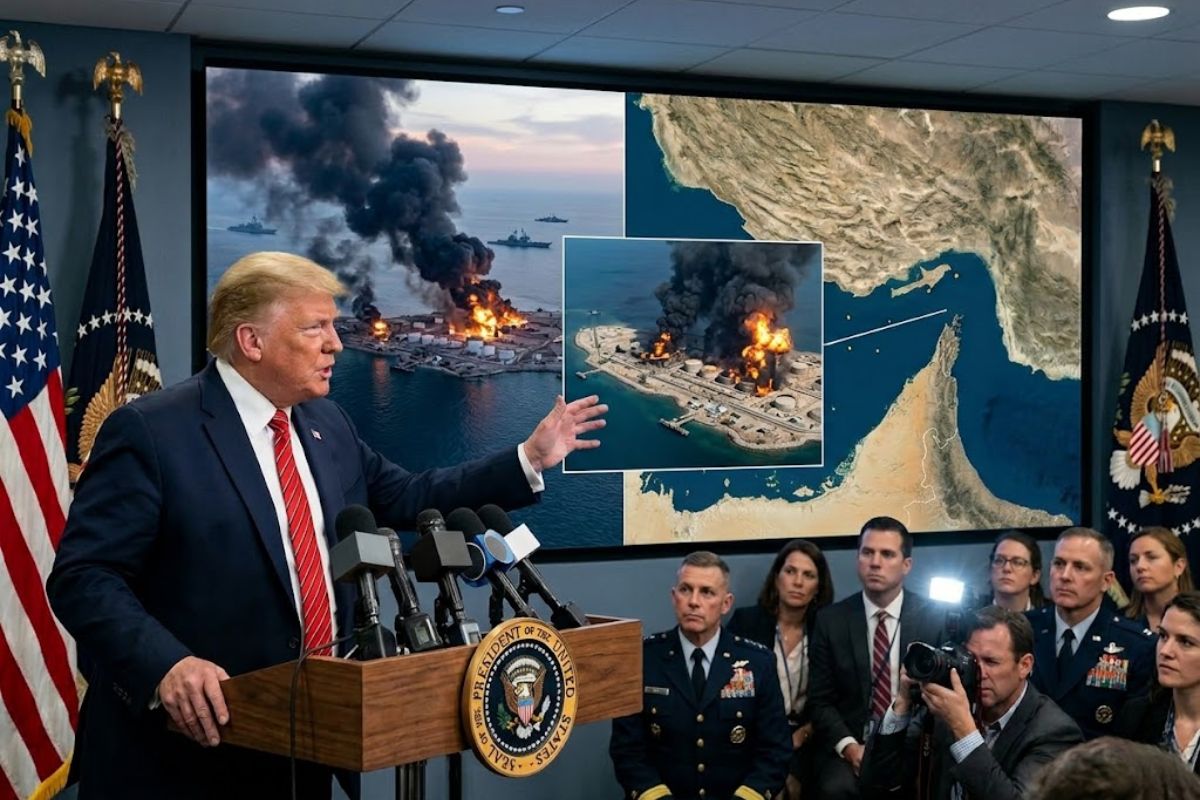
Trump Announces Bombing of U.S. Military Targets on Iranian Island Responsible for About 90% of Iran’s Oil Exports, Warns of Further Attacks if Navigation in Strategic Strait of Hormuz Is Threatened

According to information released by the Associated Press, U.S. military personnel boarded the tanker after deeming that the vessel was sailing under a false flag.
The case symbolizes a new chapter in the international maritime blockade imposed on the flow of oil from Venezuela.
Who Is the Seized Ship and Why Is It Strategic
The Marinera is a large oil tanker, classified as VLCC, which stands for “Very Large Crude Carrier.”
Built in 2002, it measures 333 meters in length and 60 meters in width, with a capacity to transport up to 318,000 tons of oil or chemical derivatives.
Throughout its operational life, the ship has changed names and registrations several times, a common practice in international maritime trade.
It has operated as Mtov, Overseas Mulan, and Xiao Zhu Shan, before being known as Bella 1 and, most recently, Marinera. Until recently, it was registered under the flag of Guyana.
On the eve of last Christmas, Russia’s Ministry of Transport granted the ship a temporary license to operate under the Russian flag, which raised the level of attention from U.S. authorities.
Venezuelan Oil and the History of Sanctions
The tanker’s history weighs against it.
The Marinera had already been targeted by U.S. sanctions during the administration of Joe Biden, for transporting Iranian oil.
Now, Washington accuses the vessel of being part of a sanctions evasion network used to siphon Venezuelan oil to allied countries of the Chavista regime, such as Russia, China, and Iran.
According to the White House, the boarding of a ship using a false flag does not violate international law.
This interpretation legally supports the seizure of the tanker in international waters, even in the face of criticism from Moscow.
Moscow Reacts and Claims Violation of Maritime Law
The Russian government condemned the operation and stated that the United States had no jurisdiction to use force. Moscow also called for the crew to receive “humane and dignified treatment.”
The White House maintains that the action complies with international navigation norms.
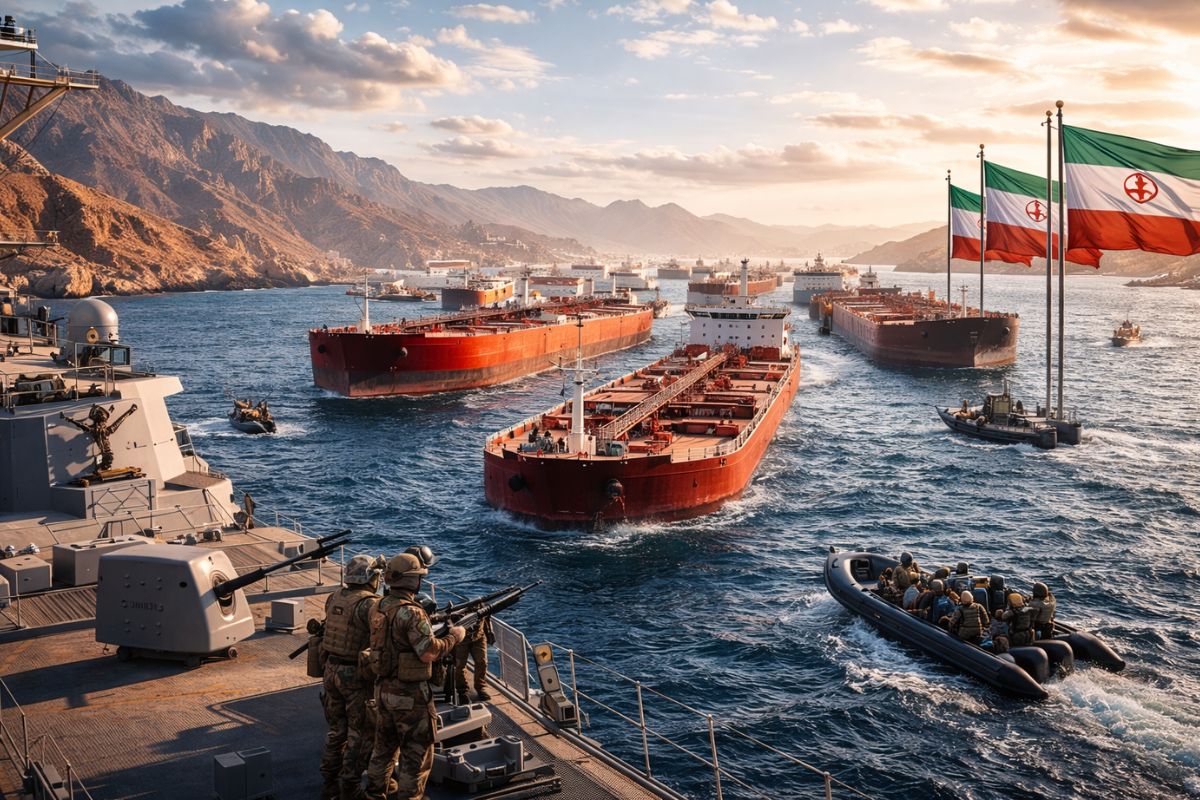
The incident heightened tensions between the U.S. and Russia, especially since, in the days leading up to the seizure, the tanker had received escort from a Russian submarine and other military vessels, according to officials interviewed by Reuters.
British Support and Reinforcement of the International Maritime Blockade
The United Kingdom confirmed support for the operation after a formal request from the U.S.
British Defense Secretary John Healey stated that the country’s armed forces provided operational support, including the use of military bases, a warship, and aerial surveillance.
Healey described the ship’s history as “nefarious” and said it is linked to Russian and Iranian networks for evading sanctions.
The British involvement reinforces the character of international maritime blockade against Venezuelan oil.
Military Escalation and Surveillance in the Caribbean
U.S. authorities confirmed that Russian military ships, including a submarine, were in the general area of the operation, although there are no indications of direct confrontation.
Still, the scenario contributes to the rising tension between the U.S. and Russia.
After the seizure, U.S. Defense Secretary Pete Hegseth stated that the blockade of Venezuelan tankers “remains in effect worldwide.”
In December, President Donald Trump announced a “total blockade” on maritime exports of oil from Venezuela and has already determined the seizure of other vessels in 2025.
Pursuit Began in December
The pursuit of the then Bella 1 began on December 16, when the U.S. Coast Guard intercepted the vessel as it approached Venezuela.
At that time, the crew resisted, changed course, and fled to the Atlantic Ocean, initiating a prolonged surveillance operation.
Thus, according to the newspaper The New York Times, the ship was coming from Iran and intended to load oil in Venezuela. To obtain protection, the crew reportedly painted a Russian flag on the hull and radioed that they were navigating under Moscow’s authority.
Empty Tanks and Geopolitical Impact
At the time of the seizure, the tanks of the Marinera were empty, according to maritime tracking data analyzed by the Associated Press.
Still, the symbolism of the operation is strong. The tanker seizure signals that U.S. sanctions against Venezuelan oil are entering a stricter phase, with intensive use of military means.
Moreover, the episode illustrates how the international maritime blockade has become a central tool of economic pressure, raising the risks of diplomatic and military friction among major powers.









-

Uma pessoa reagiu a isso.