





 Portuguese
  English
  Spanish
  4 min of reading
  11 comments


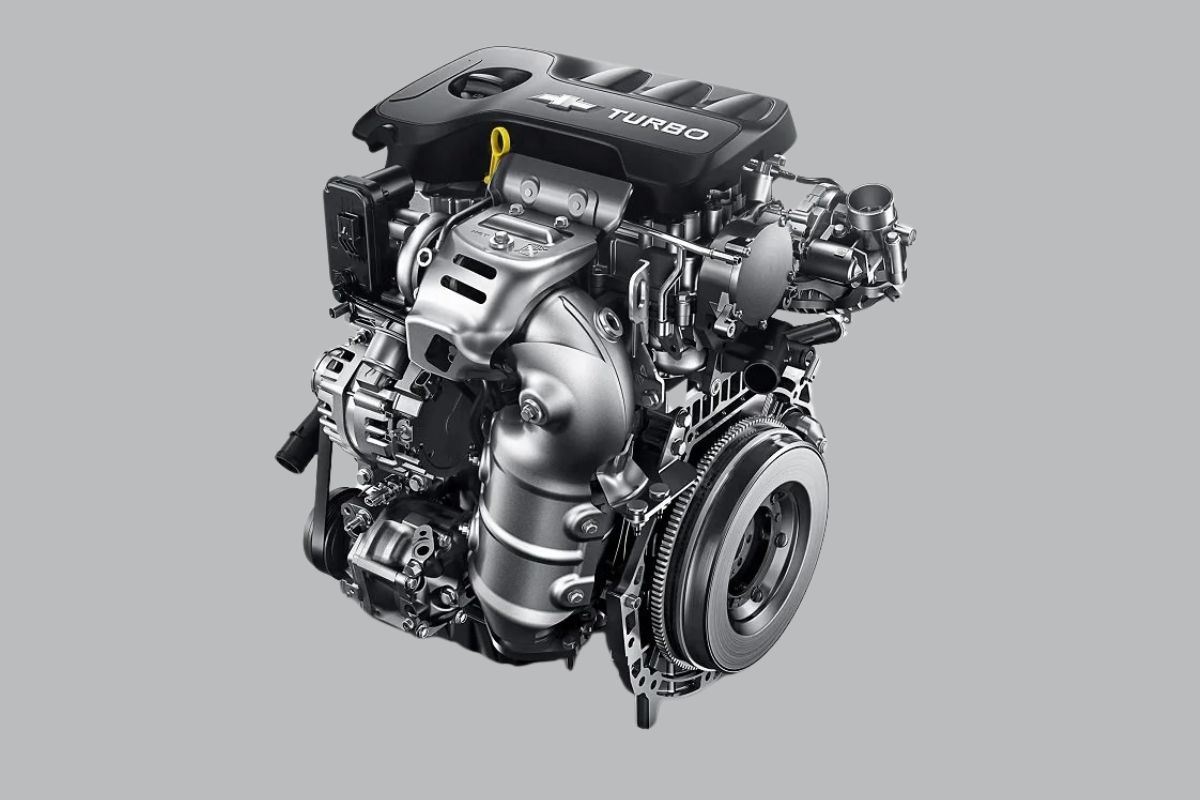

The Modern 1.0 Turbo Engines Impress By Delivering Power And Torque Comparable To, Or Even Superior To, Older 2.0 Naturally Aspirated Engines. We Uncover The Technologies Behind This Revolution In The Brazilian Market.
The automotive industry has undergone a significant transformation with “downsizing”, where smaller turbocharged engines are replacing larger displacement ones. Many consumers wonder how a 1.0 turbo engine can be as powerful as, or even smarter than, an older 2.0 naturally aspirated engine.
The quest for greater efficiency and lower emissions has led to the popularization of smaller turbocharged engines. These modern 1.0 turbo engines frequently challenge the logic that “larger displacement equals greater power”, presenting performance numbers that rival or exceed those of older 2.0 naturally aspirated engines, a reality in the Brazilian market as of May 2025. This phenomenon is the result of sophisticated engineering.
How Turbocharging Works In Modern Engines
The heart of the performance of turbocharged low-displacement engines is the turbocharger. This device utilizes the energy from exhaust gases, which would be wasted in a naturally aspirated engine, to spin a turbine. This turbine drives a compressor that forces more air (and consequently, more oxygen) into the engine’s cylinders. With more air, it is possible to burn more fuel, resulting in a considerable increase in power and torque relative to engine displacement.
-
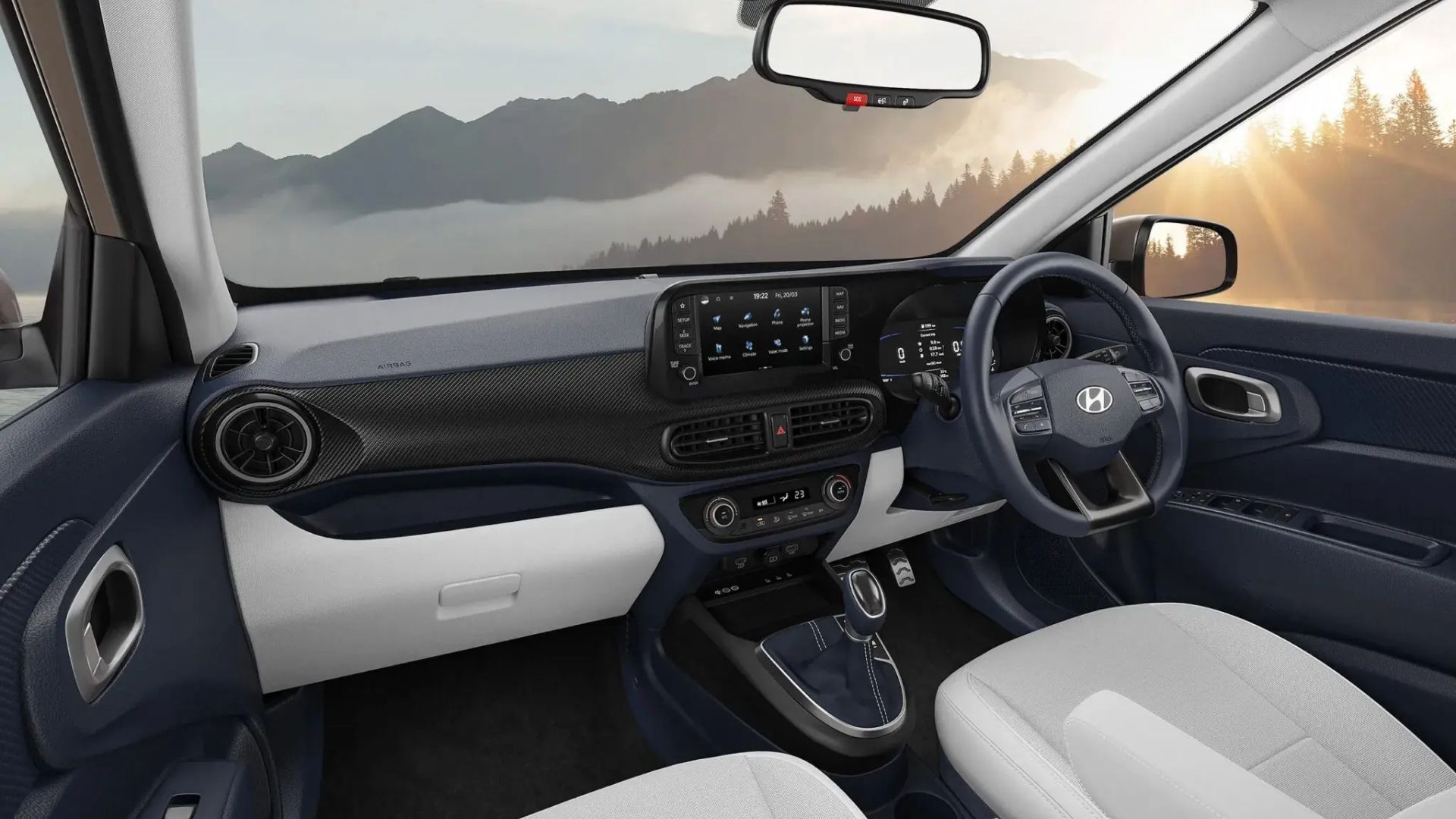
For R$ 32,000, a brand new Hyundai car is a rival to the Kwid with a 1.2 engine producing 82 hp, 6 airbags as standard, multimedia with wireless Android Auto, up to 391 liters in the trunk, and a refreshed look for 2026 in India.
-
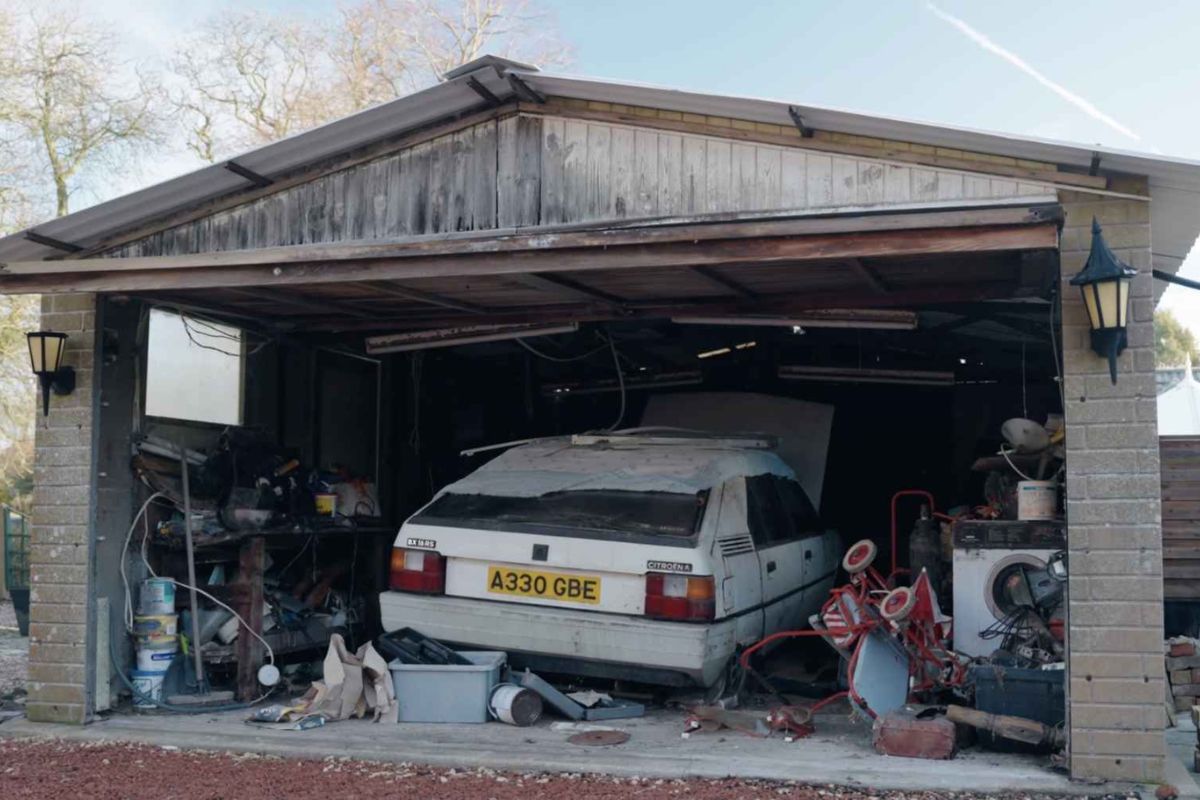
He bought a new car in 1983, locked it in the barn in 1988, and no one opened the door for 38 years until the family discovered what was stored inside and realized it looked like something out of a movie.
-
A 250cc motorcycle that can reach 560 km with a 14-liter tank, features disc brakes on both wheels and is among the most well-known in Brazil.
-
Man finds over 200 rare cars abandoned on a lot and tries to do the impossible in 8 hours with a surprise at the end.

Direct Fuel Injection (GDI)
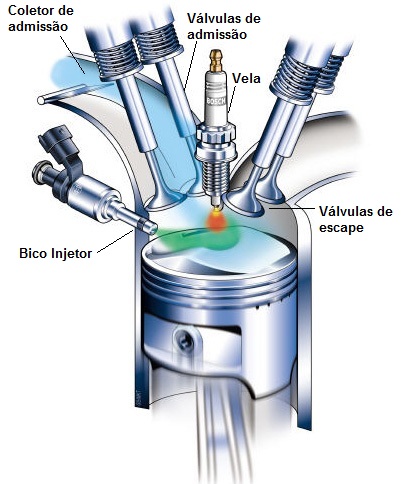
Unlike the multipoint injection (MPI) in older naturally aspirated engines, which inject fuel into the intake manifold, direct fuel injection (GDI) injects the fuel at extremely high pressure directly into the combustion chamber. This allows for extremely precise control over the quantity and timing of the injection, optimizing combustion.
A crucial benefit of GDI in turbo engines is the cooling charge effect: the vaporization of fuel in the hot chamber lowers the temperature of the air-fuel mixture, decreasing the risk of knocking and allowing for higher compression ratios, which improves efficiency.
The Role Of Variable Valve Timing (VVT) And Advanced Systems
Variable Valve Timing (VVT) dynamically adjusts the timing of the opening and closing of the intake and/or exhaust valves. This improves cylinder filling and the expulsion of burnt gases at different RPMs, resulting in a flatter and wider torque curve, higher power, and better fuel economy.
More advanced systems, such as Fiat’s MultiAir III, used in the Firefly 1.0 Turbo engine, offer independent and dynamic control of the lift and duration of the intake valves through electro-hydraulic means, reducing pumping losses and optimizing combustion.
The Importance Of The Intercooler For Maximum Performance Of Turbocharged Engines
When compressing air, the turbocharger heats it up. Hot air is less dense, which would limit performance. The intercooler, a heat exchanger, cools this compressed air before it enters the engine. With cooler and denser air, a greater mass of oxygen is delivered to the cylinders, allowing for more fuel combustion, resulting in more power and torque.
Moreover, lower intake temperatures reduce the risk of knocking. The efficiency of modern engines is the result of the synergy of these technologies.
In Practice: Volkswagen 1.0 TSI Vs. 2.0 EA113 And Fiat Firefly 1.0 Turbo Vs. E.torQ 1.8 Naturally Aspirated In Numbers
In comparison, the Volkswagen EA211 1.0 TSI (up to 128 hp with ethanol, 20.4 kgfm of torque between 2000-3500 rpm) matches or exceeds the power of the older VW EA113 2.0 naturally aspirated engine (about 120 hp, 18.4 kgfm at higher RPMs). The significant advantage of the TSI is the delivery of maximum torque at much lower RPMs, improving drivability.
Similarly, the Fiat Firefly 1.0 Turbo T200 (130 hp with ethanol, 20.4 kgfm at 1750 rpm) offers power close to that of the Fiat E.torQ 1.8 EVO VIS naturally aspirated engine (up to 139 hp, 19.3 kgfm at 3750 rpm), but with maximum torque available much earlier. Vehicles with 1.0 turbo engines generally have lower fuel consumption than those equipped with the older 2.0 or 1.8 naturally aspirated engines.
The Smart Technological Combination That Allows 1.0 Turbo Engines To Outperform Older 2.0 Naturally Aspirated Engines In Many Aspects
The robust power and torque of the new 1.0 turbo engines, which often match those of older 2.0 naturally aspirated engines, is not magic. It results from the combined and synergistic application of technologies such as turbocharging, direct fuel injection (GDI), advanced variable valve timing (VVT/MultiAir), and intercooling.
This engineering enables smaller engines to deliver vigorous performance, especially at low RPMs, with greater fuel efficiency and lower emissions, consolidating a trend in the Brazilian and global automotive market.










Por isso que nao duram nada ..hoje em dia virou sinônimo de descartáveis..ainda bem que estão entrando com os elétricos chineses pra acabar com esse monopólio de coisa ruim …Jamais compraria um 1.0 principalmente se for 3 cilindros turbo e com Correia banhada em óleo
Novos?? Isso SEMPRE aconteceu, a eficiência volumétrica de um motor turbo é o dobro de um motor aspirado. Essa proporção de eficiência vem sendo constatada desde a década de 50 no automobilismo.
Vamos lá:
A questão ambiental sem dúvidas é importante até mesmo para a sobrevivência da nossa especie, porém, mesmo sem um estudo mais profundo, acredito que as “novas tecnologias”de motores poluem mais que as antigas, digo isso por não acreditar que a extração de ****, indústria da transformação e usinagem desses novos motores, mais a emissão de gases durante a vida útil deles polui menos do que se comparado ao mesmo processo dos antigos, considerando que nos novos motores esse processo é repetido milhões de vezes mais do que nos antigos.
Mas, a questão da durabilidade dos motores modernos poderia sim ser melhorada e muito pelos fabricantes, quem leu a matéria e entende um mínimo de motores deve ter percebido que o sistema de injeção direta com turbo e intercooler é o mesmo usado em motores a diesel mais antigos, (por isso escrevi “novas tecnologias” entre “) a maior diferença esta no comando de válvulas variável que nos motores a diesel antigos que conheço nenhum usa, então se motores diesel antigos duravam três, quatro, cinco vezes mais do que um flex de hoje, da pra melhorar os atuais, até porque a taxa de compreensão que influencia muito na durabilidade do motor, nos casos do diesel é maior que nos flex atuais, lembrando que não sou engenheiro, estou mais para mecânico é essa é minha opinião baseada em análise de funcionamento dos motores ao longo dos anos.