





 English
  Francês
  Alemão
  Italiano
  Japonês
  Norueguês
  Portuguese
  Spanish
  6 min of reading
  0 comments


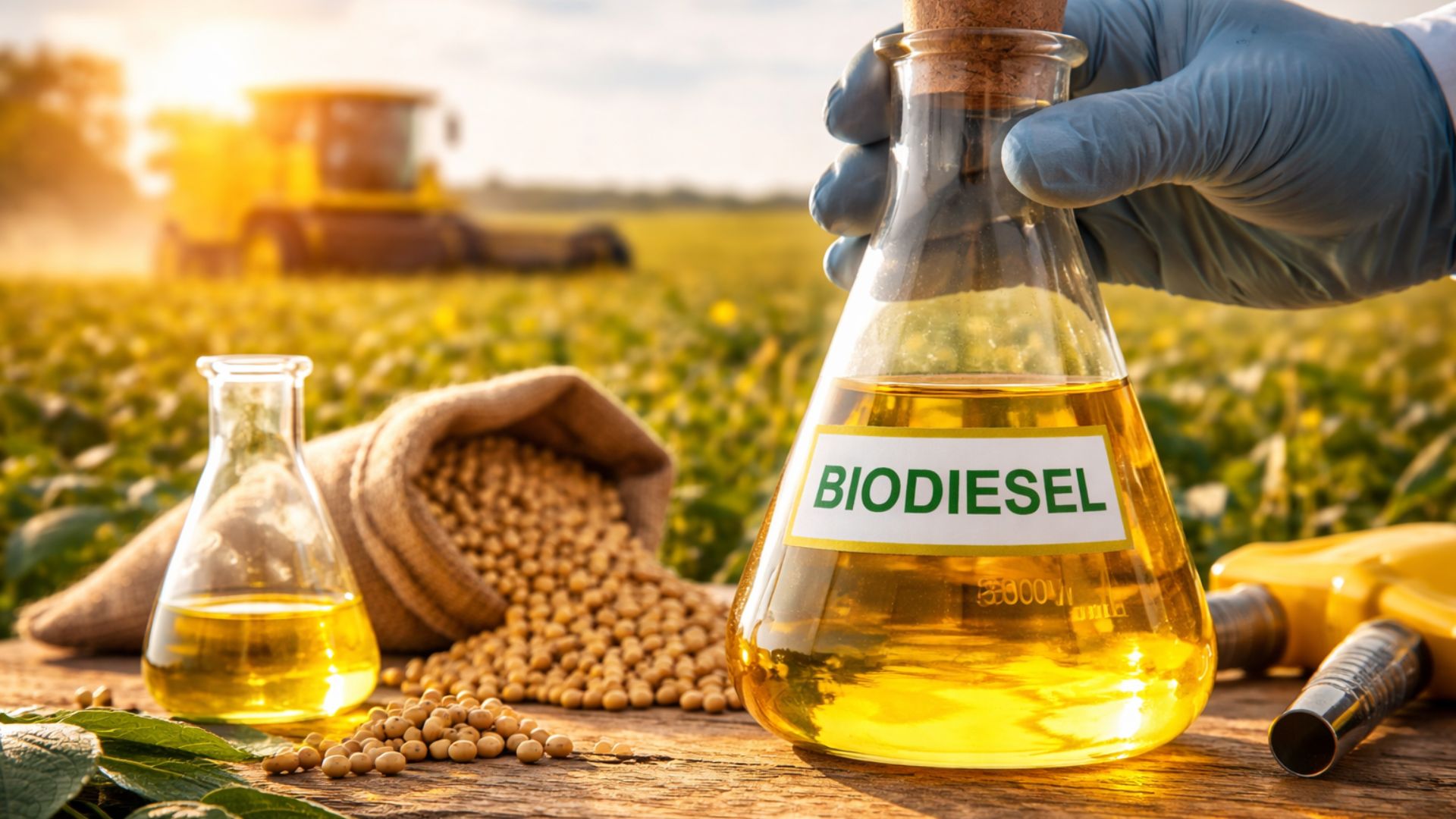
Entities of Agriculture Press for Expansion of Biodiesel Blend in Diesel to Strengthen Biofuels, Reduce External Dependence and Relieve Logistical Costs in the Field.
Representative entities of the Brazilian agriculture sector have intensified pressure on the government to increase the share of biofuels in the country’s energy matrix. In an open letter signed by 43 organizations from the sector, the institutions advocate for an immediate increase in the mandatory blend of biodiesel in fossil diesel, raising it from 15% to 17%.
According to the entities, the increase in the blend is a strategic measure to reduce Brazil’s dependence on imported diesel and minimize the impact of international oil fluctuations. The topic has gained traction amidst a global scenario marked by geopolitical instabilities and energy price volatility.
The proposal also arises at a crucial moment for the country. The period coincides with the harvest season, when road transport becomes essential for moving grains and other products throughout the national territory.
-
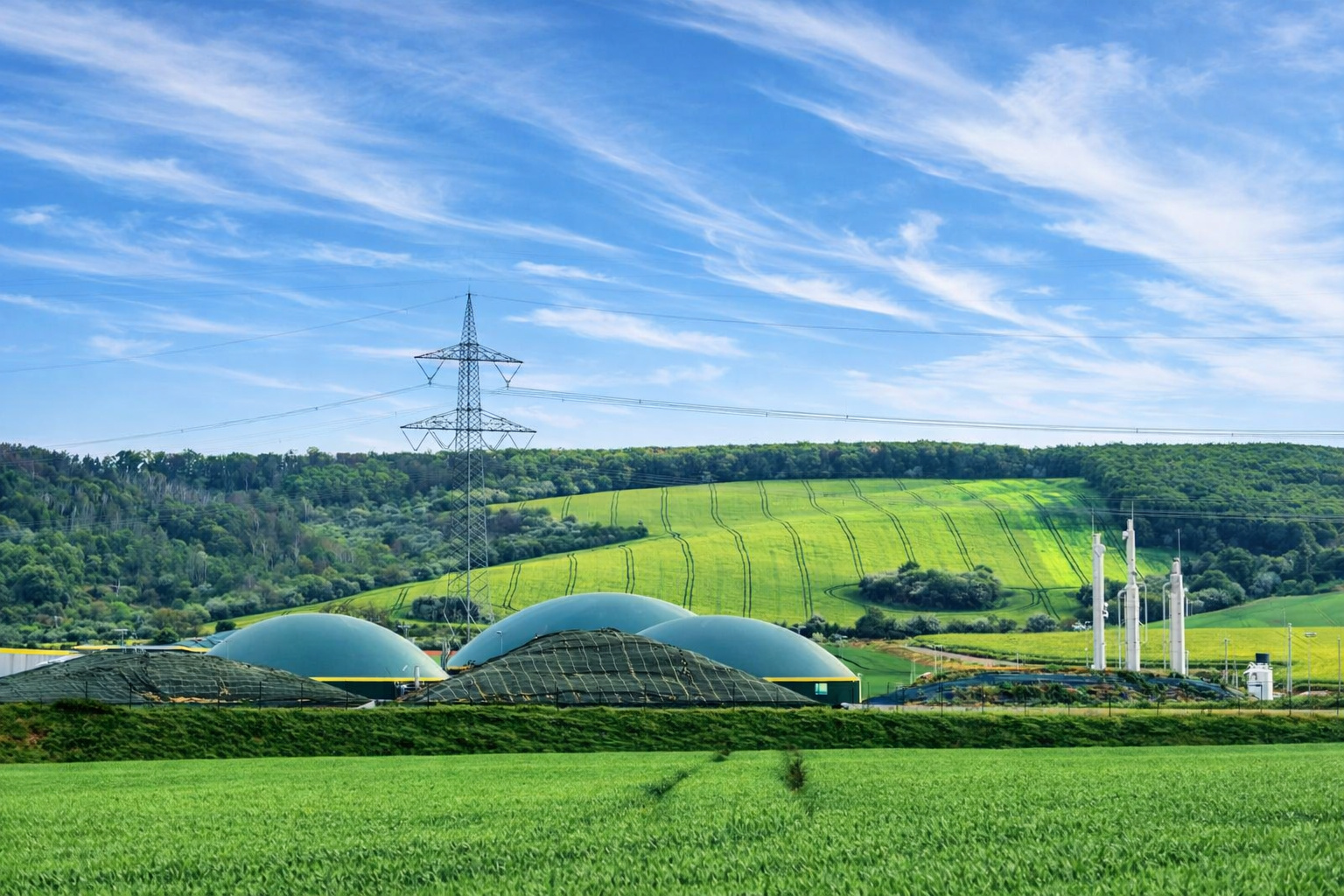
Brazil accelerates decarbonization in the South: International forum in Foz do Iguaçu gathers leaders to discuss the advancement of biomethane in the energy matrix and the potential of “caipira pre-salt.”
-
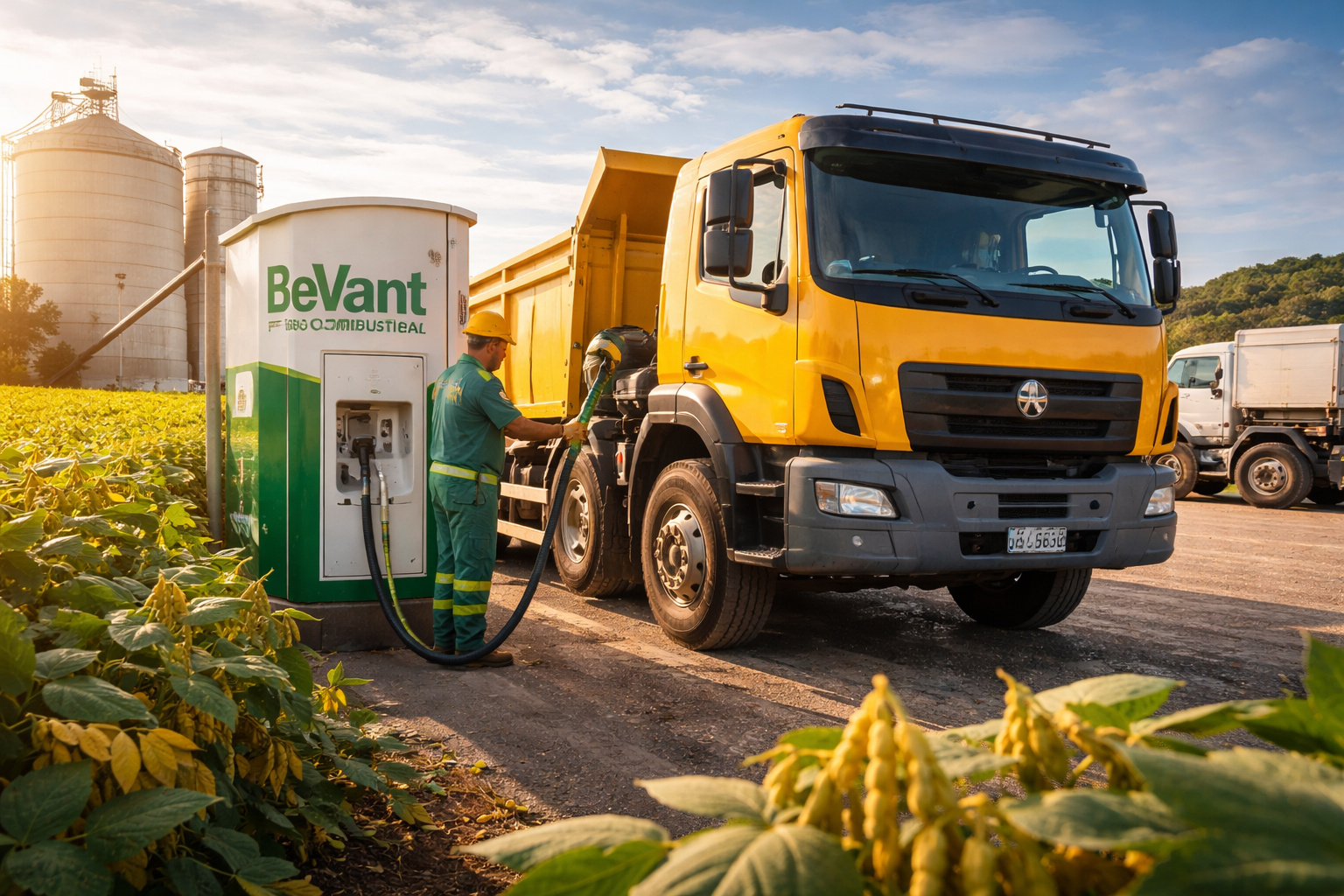
As diesel prices soar due to conflicts in the Middle East, a Brazilian city decides to test a little-known biofuel that promises to completely replace fossil fuel without adaptation and could change the future of energy in the country.
-
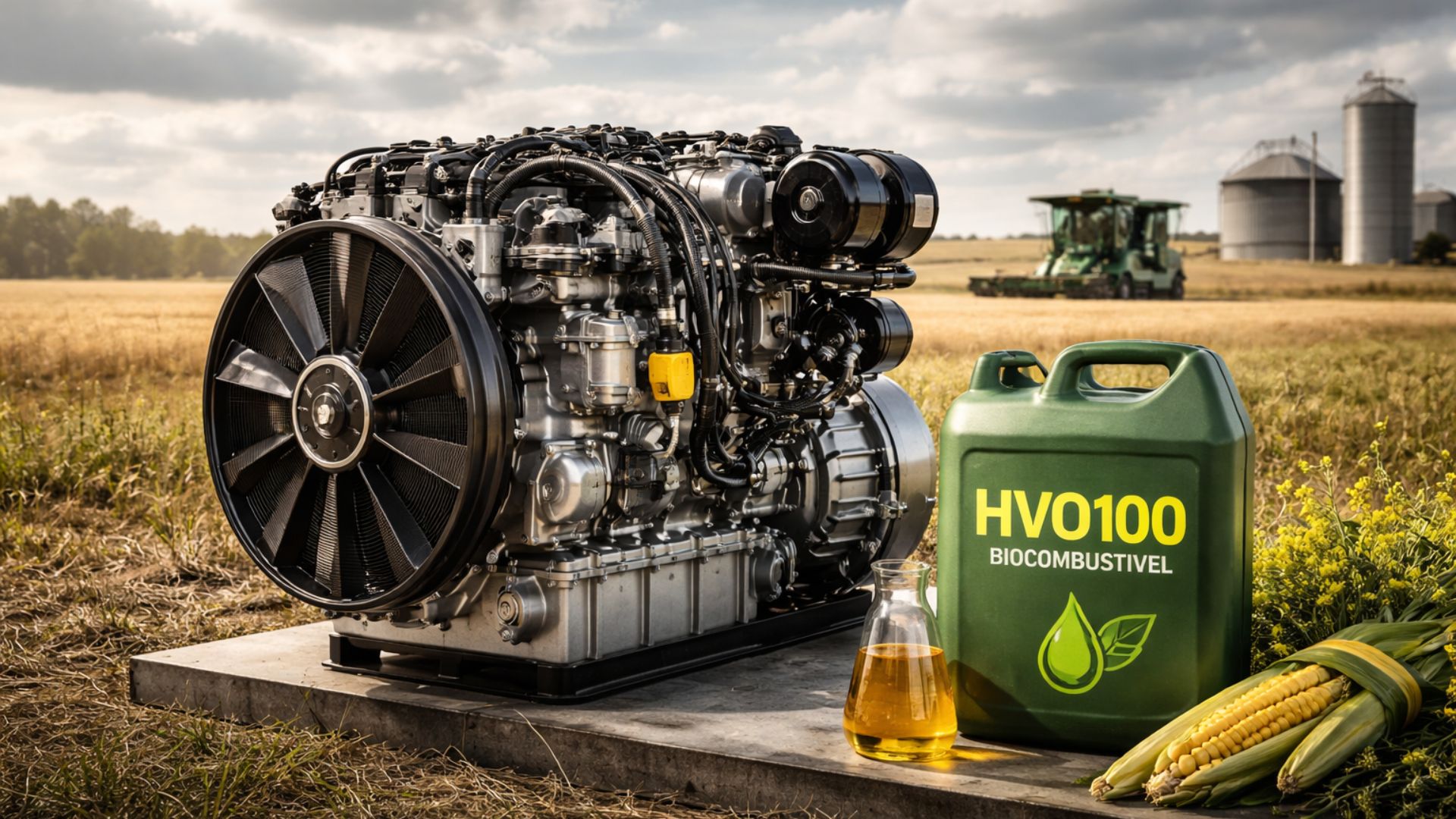
Innovation with biofuel engines transforms agribusiness by replacing diesel without the need for major adaptations, ensuring energy efficiency and helping to reduce dependence on oil.
-
Used Cooking Oil Transforms Into Kerosene: How 1 Million Tons of Used Fat Are at the Center of an Aviation Fuel Market That Could Attract Over $1 Trillion in Investments, Already Fuels Planes with Up to 80% Lower Emissions, and Triggered a Global Competition for This Waste

According to a report published by Globo Rural on March 11, the sector argues that expanding the use of renewable fuels can help protect the Brazilian economy against external shocks, in addition to ensuring greater predictability for rural producers, transporters, and companies in the logistics chain.
In this context, the defense of strengthening biofuels and expanding the use of biodiesel has once again become a central topic in discussions about Brazil’s energy policy.
Agriculture Bets on Biodiesel as an Alternative to Reduce Energy Vulnerability
In the open letter released by the entities, the agriculture sector states that expanding the share of biodiesel in the diesel sold in the country is an efficient way to reduce risks associated with the international fossil fuel market.
The document highlights that the world is currently experiencing a moment of high geopolitical sensitivity, with conflicts and tensions directly influencing oil prices. As a consequence, countries that rely on imported diesel may face unexpected increases in fuel costs.
For the organizations in the sector, strengthening national biofuels production represents an important strategy to ensure energy stability and reduce Brazil’s exposure to external fluctuations.
According to the letter, it is “imperative and strategic to strengthen internal solutions that ensure energy security, price stability, and risk mitigation of supply shortages.”
Within this strategy, the increase in the blend to the so-called B17 — diesel with 17% biodiesel — is considered by the sector a quick response aligned with national interests.
Dependence on Imported Diesel Concerns Energy Sector
One of the main points raised by the entities in the agriculture sector is Brazil’s structural dependence on imported diesel. Although the country has significant fuel production, part of the diesel consumed in the domestic market still needs to be purchased abroad.
This situation increases the country’s vulnerability during times of international instability. Geopolitical conflicts, logistical restrictions, or fluctuations in oil prices can directly impact fuel supply and costs.
According to the entities that signed the letter, tensions involving Iran have contributed to raising uncertainty in the international oil market, increasing the risk of difficulties in purchasing and transporting fossil diesel.
In this scenario, expanding the share of biofuels in the domestic market is seen as a way to reduce external dependence and enhance energy security. In this context, the increase in the blend of biodiesel in diesel sold in the country becomes relevant within the national energy strategy.


Harvest Flow Increases Importance of Fuel Debate
The discussion about the use of biofuels occurs at a decisive moment for the Brazilian productive sector. The country is going through the harvest period, when large volumes of grains and other products need to be transported to ports and distribution centers.
Road transport plays a central role in this logistics. Diesel trucks are responsible for a large part of the flow of goods between producing regions and consuming markets. For the agriculture sector, any significant increase in diesel prices can raise transportation costs and reduce the competitiveness of Brazilian exports.
For this reason, the entities argue that expanding the fuel supply in the domestic market through the increase in the blend of biodiesel can help reduce price pressures and ensure greater logistical stability.

Biodiesel Industry Has Installed Capacity to Meet Demand
Another argument presented by the entities is that Brazil already has sufficient infrastructure to accommodate a possible increase in the mandatory blend.
The country has several biodiesel production plants spread across different regions, many of which have available capacity to expand production if there is an increase in demand.
The national biofuels industry mainly uses raw materials produced within Brazilian territory. Among the most common inputs are soybean oil, bovine tallow, and other oilseeds.
This integration between agriculture and industry strengthens the productive chain of the agriculture sector and creates additional opportunities for rural producers and cooperatives. Thus, the increase in the blend can also stimulate investments and boost economic activity in different regions of the country.
National Energy Policy Council Analyzes Possible Change in Blend
The final decision regarding the expansion of the mandatory biodiesel blend rests with the National Energy Policy Council (CNPE), the body responsible for defining strategic guidelines for the Brazilian energy sector.
A meeting of the council that could assess the topic was initially scheduled for March 12, but was postponed to March 19. So far, there is no confirmation that the proposal for the increase in the blend will officially be on the agenda of the meeting.
According to the current schedule of Brazil’s energy policy, the mandatory blend was expected to increase from 15% to 16% in March. However, technical tests continue to be conducted to evaluate higher levels of biodiesel addition to fossil diesel.
Within the productive sector, some stakeholders argue that the percentage could reach up to 20%, a possibility foreseen in the so-called Future Fuel Law, especially in exceptional situations that affect fuel prices.
Technical Use of Biodiesel Is Already Considered Safe in Transport
The entities also emphasize that the use of biodiesel at higher levels is considered safe from a technical and mechanical perspective.
The fuel meets rigorous quality standards and is already widely used in road transport and various industrial applications. Unlike some alternative energy sources, biodiesel can be used in the current fleet without complex motor or infrastructure adaptations.
According to the biofuels sector, several companies already voluntarily adopt the use of B100, the pure form of the renewable fuel, in specific commercial operations. This practical experience reinforces confidence in the technology and demonstrates the potential for the expansion of biofuels within Brazil’s energy matrix.
Expansion of Biodiesel Can Strengthen Economy and Energy Transition
For the entities of agriculture, expanding the use of biofuels represents an opportunity to strengthen the national economy and reduce dependence on imported fossil fuels.
The biodiesel production chain involves farmers, cooperatives, processing industries, research centers, and logistics companies. With the increase in the blend, the demand for renewable fuel may grow, stimulating new investments in the sector.
In addition to economic impacts, the expansion of the use of biofuels is also associated with reducing greenhouse gas emissions, contributing to Brazil’s climate commitments.
In light of this scenario, the debate over the increase in the blend of biodiesel should continue to be present in discussions about energy security, economic development, and sustainability in the coming years.









Seja o primeiro a reagir!