





 English
  Francês
  Alemão
  Italiano
  Japonês
  Norueguês
  Portuguese
  Spanish
  3 min of reading
  0 comments


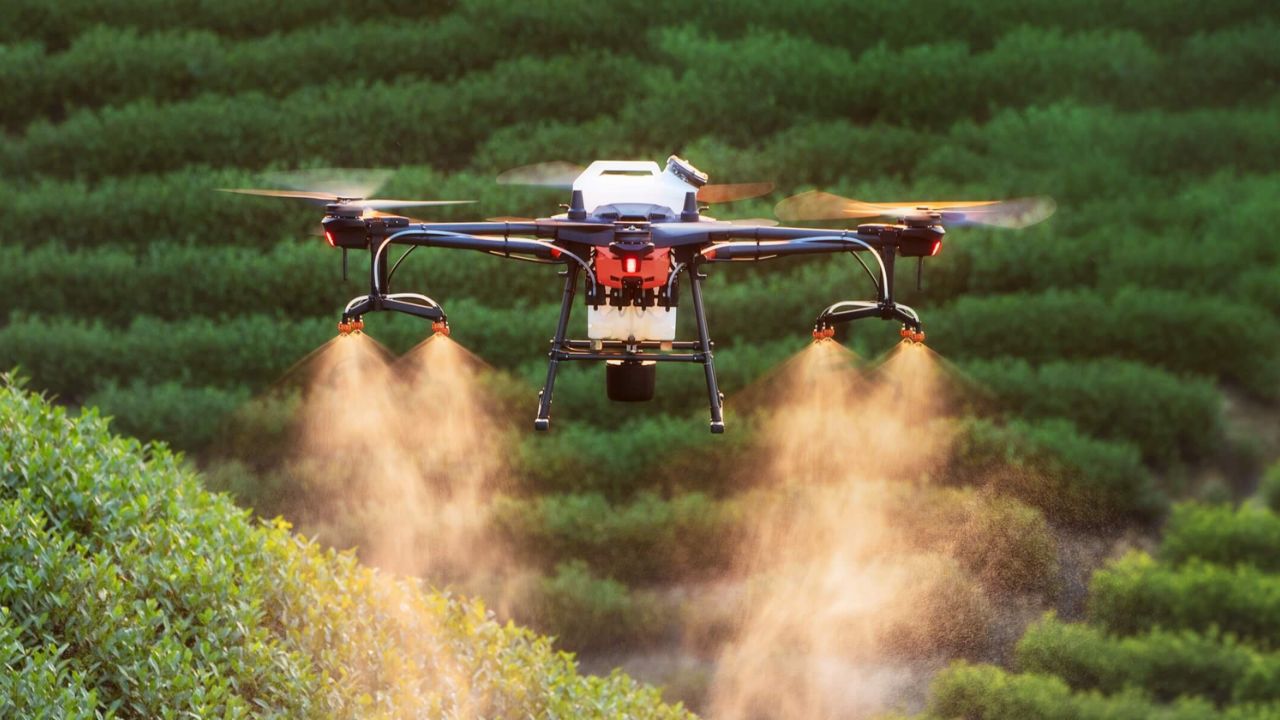
Drones Become Essential Tools for Brazilian Agriculture, With Growth Expected in the Coming Years
The use of agricultural drones in Brazil has rapidly advanced in recent years and is already causing a profound transformation in how agribusiness operates. Between 2018 and 2025, the number of active equipment in the field grew by approximately 9,900%, reaching about 35,000 drones in operation last year.
The projection for 2026 is even more ambitious: to reach the mark of 50,000 units, consolidating this technology as one of the main allies of Brazilian rural producers.
Thus, the expansion reflects the sector’s quest for greater efficiency, cost reduction, and sustainability. These agricultural drones have been used in different stages of production, from early pest and disease detection to soil and livestock monitoring, as well as topographic mapping and targeted spraying of pesticides.
-
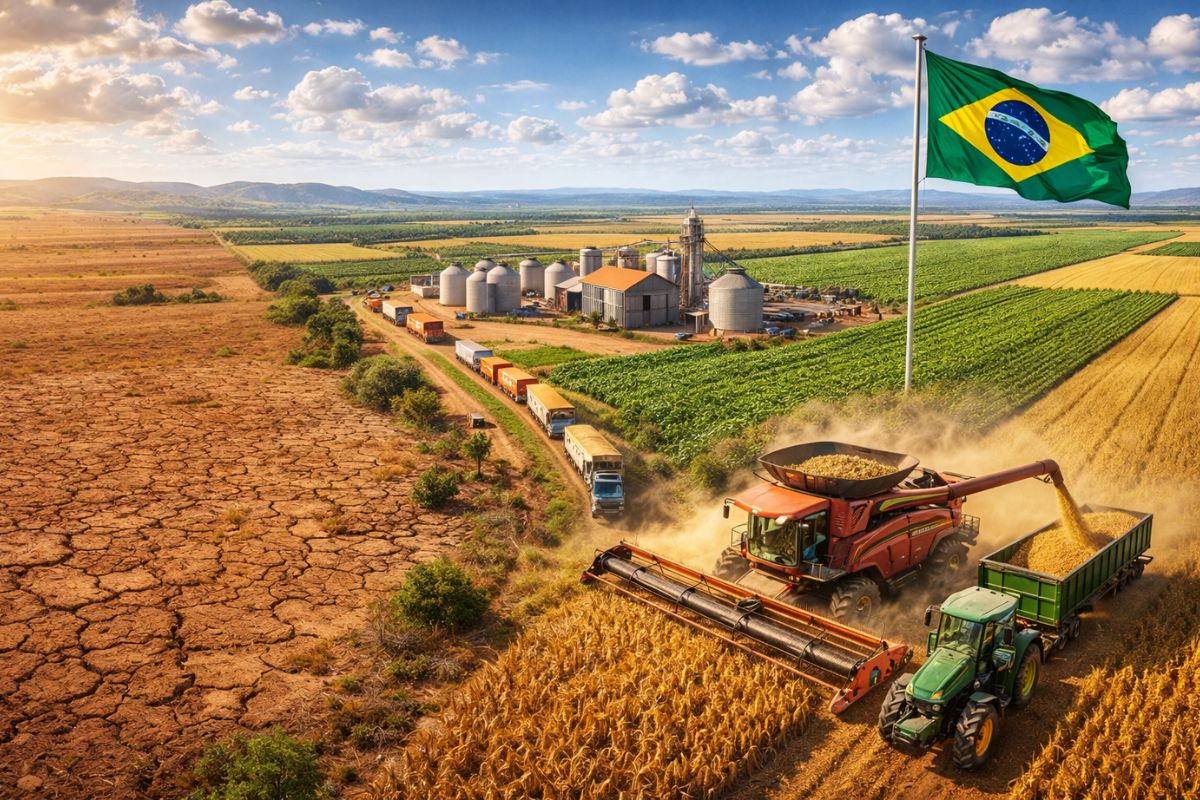
Forgotten region becomes a powerhouse in the heart of Brazil, transforming unproductive lands into fortune and making MATOPIBA the new billion-dollar agricultural empire that almost no one saw being born.
-
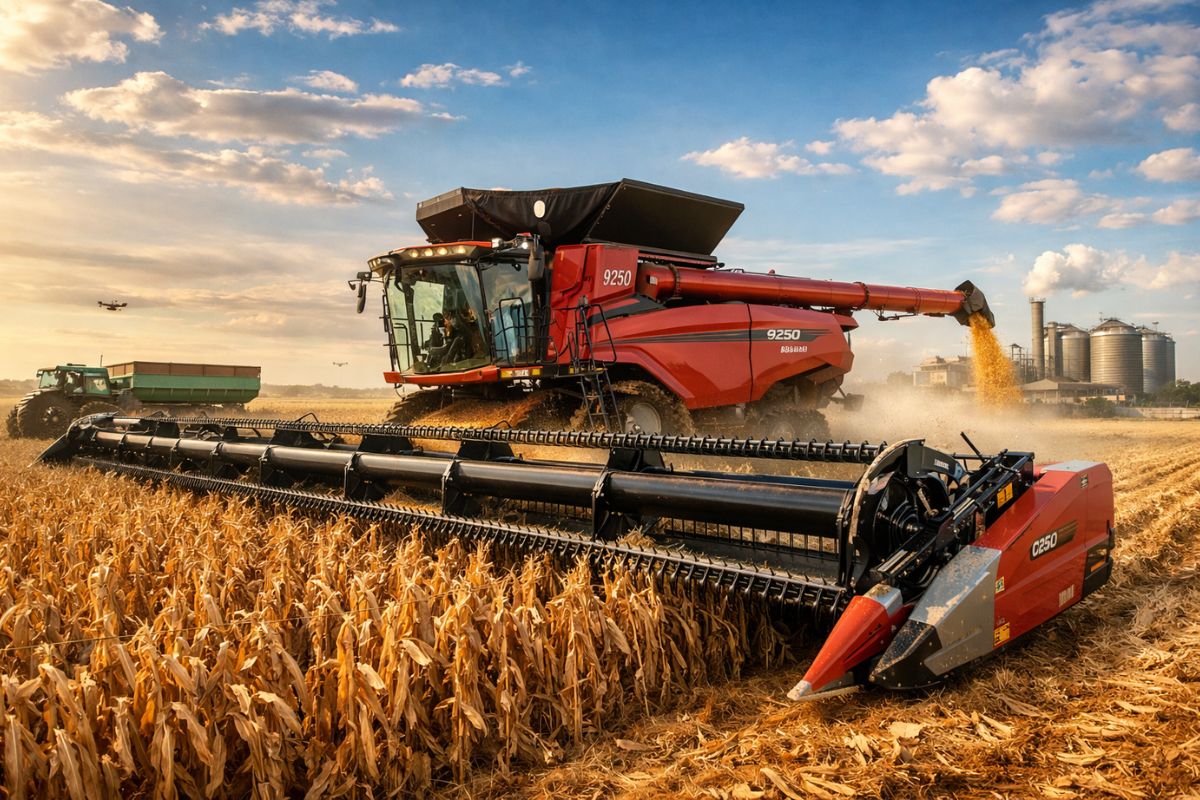
With a 775 hp engine, the world’s largest axial combine harvester arrives in Brazil, promising to harvest more in less time with advanced automation and the capacity for platforms up to 61 feet.
-
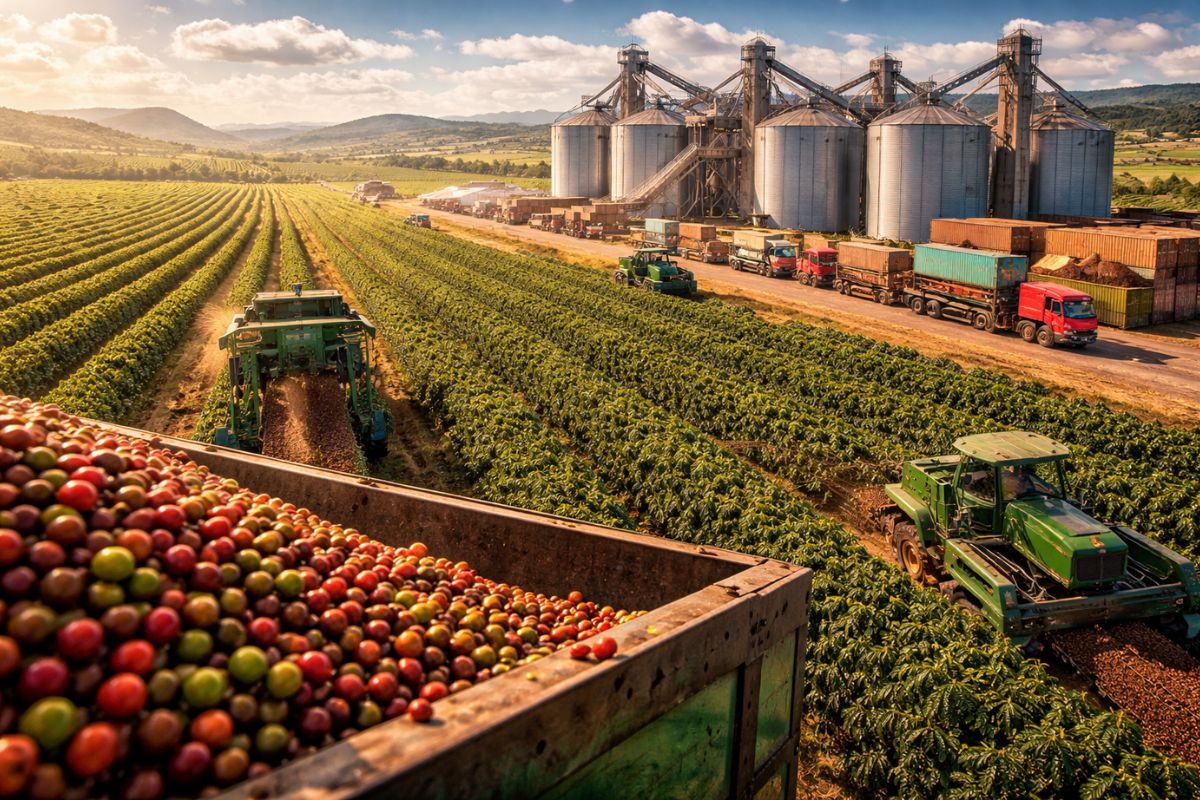
With 18 million feet, giant farms, and 2.2 million sacks per year, a mining group is building a coffee empire in Brazil with heavy mechanization, giant silos, and exports to various continents.
-
China and Russia suspend fertilizer exports, prices soar, and Brazil is already at real risk of shortages in the fields.

Moreover, the operational capacity is also noteworthy: while traditional methods can cover between 30 and 50 hectares per day, a drone can monitor or apply inputs over more than 100 hectares in the same period, with significantly greater precision.
Quality of Drone Information Draws Attention

Another factor driving the adoption of technology is the quality of the information generated. Equipped with high-resolution cameras, multispectral sensors, and georeferencing systems, drones enable detailed real-time analysis of crops. With this data, producers can make quicker and more accurate decisions, applying inputs only to the areas that truly need intervention. The result is reduced waste, lower environmental impact, and increased productivity.
Despite the impressive numbers, specialists point out that the lack of training is still the main barrier to a more consistent expansion of drone use in the field.
Many rural producers recognize the technology’s potential, but face difficulties in operating the equipment properly or interpreting the collected data correctly. Additionally, operating agricultural drones requires specific technical knowledge and compliance with current safety regulations and standards.
In this context, specialized events have played a fundamental role in disseminating knowledge and professionalizing the sector. The Drone Show, an exhibition held annually in June in São Paulo, brings together manufacturers, operators, researchers, and rural producers interested in learning about market innovations.
The event offers courses, workshops, and seminars aimed at both service providers and farmers who wish to incorporate drones into their production routines.
According to a report by the newspaper O Tempo, the proposal advocated by specialists and event organizers is clear: the drone was not designed to replace the tractor or other traditional agricultural machinery, but to complement operations in the field.
Therefore, the technology acts as a strategic tool, capable of enhancing the producer’s view of their property and optimizing the use of available resources. By integrating drones with other solutions, such as precision agriculture and rural management systems, Brazilian agribusiness gains efficiency and competitiveness.
Contribution to Sustainable Practices
In addition to productive gains, the use of drones also contributes to more sustainable practices. Targeted spraying, for instance, reduces the amount of pesticides applied, decreases chemical drift, and minimizes impacts on the environment and on workers’ health.
Constant monitoring of crops and livestock also helps prevent losses and identify problems before they become irreversible.
The rapid growth in the number of agricultural drones indicates that the technology has moved from being a trend to becoming a consolidated reality in the field. With ongoing investments in training and innovation, the expectation is that Brazil will further increase the use of these equipment in the coming years, reinforcing its prominent position in global agribusiness.
Knowledge dissemination initiatives, such as courses, fairs, and specialized content, will be decisive for producers of various sizes to leverage the full potential of this tool.









-

-

-

6 pessoas reagiram a isso.