





 Português
  Inglês
  Espanhol
  3 min de leitura
  1 comentário


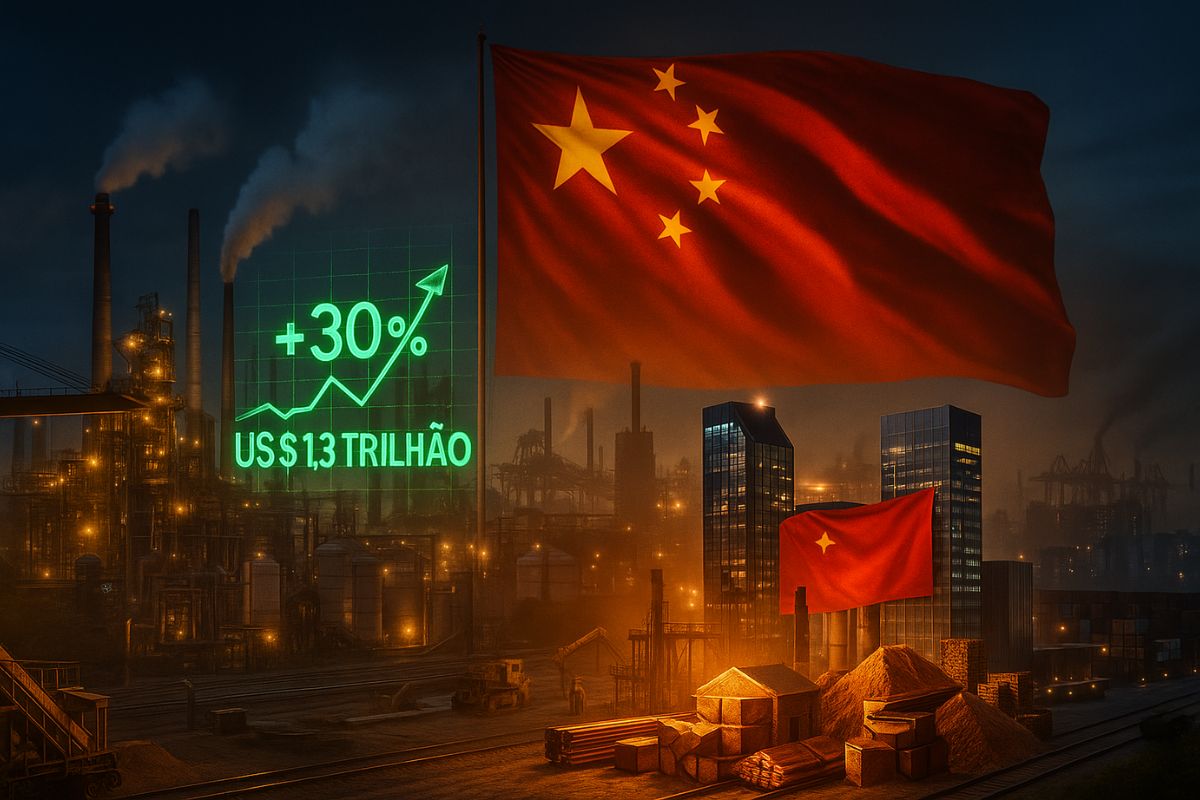


Monitor Mercantil Reports That China Consolidated, For The 15th Consecutive Year, Its Position As The World’s Largest Manufacturing Power
Between 2021 and 2025, China alone accounted for more than 30% of global industrial growth, adding US$ 1.13 trillion in value to its manufacturing sector. According to Monitor Mercantil, no other country has managed to match this weight in the expansion of global production.
This advancement secured China the 15th consecutive year as the largest manufacturer on the planet. Even in the face of geopolitical tensions and supply chain challenges, the country maintained a high pace of industrial growth, consolidating its position as the “factory of the world”.
Who Boosted The Chinese Industry
According to the Ministry of Industry and Information Technology, large companies — with annual revenues exceeding 20 million yuan — played a central role in this outcome.
-
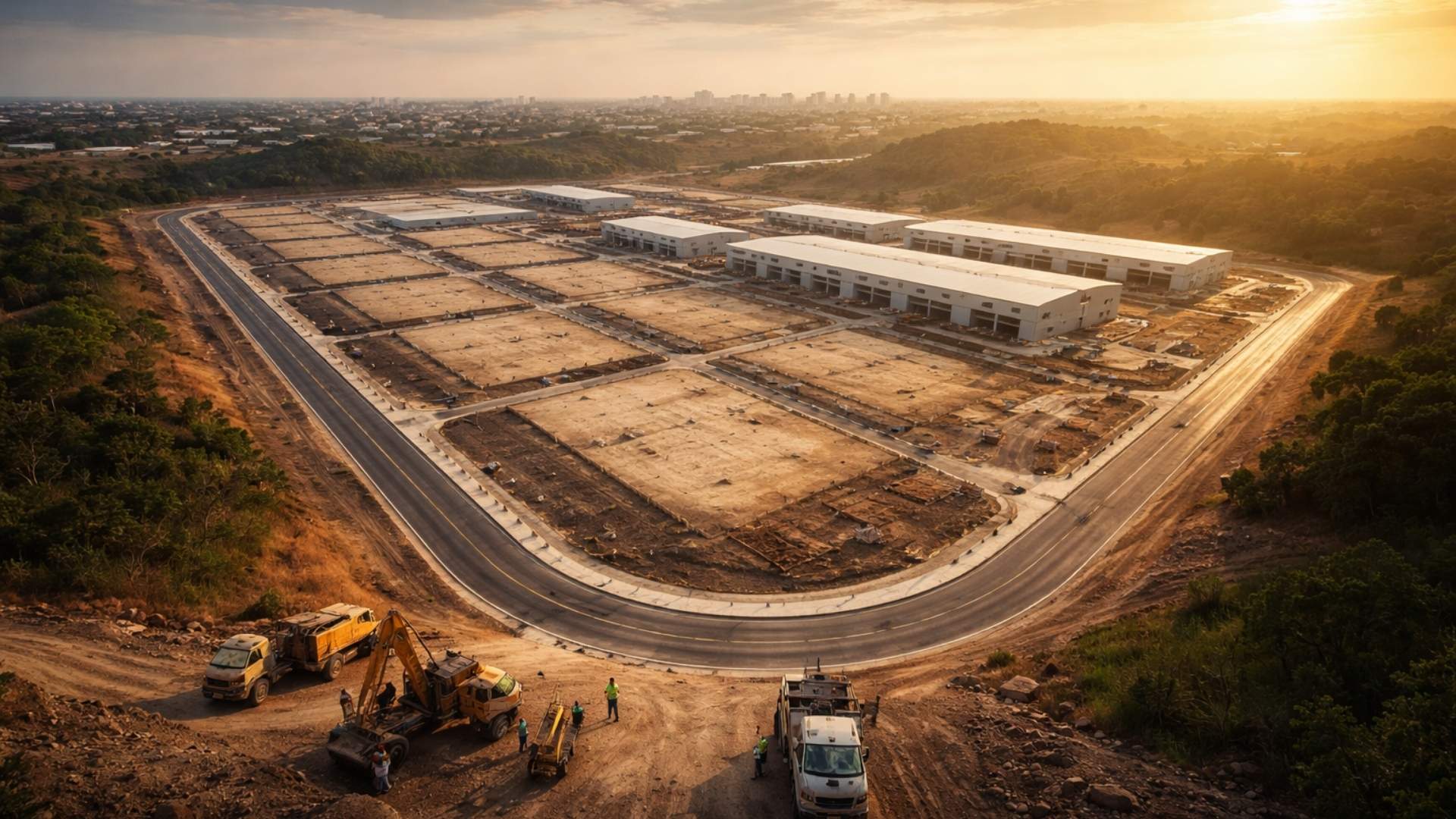
Brazilian city gains industrial hub for 85 companies that is equivalent to 55 football fields.

-
Peugeot and Citroën factory in Argentina cuts production by half and opens a layoff program for more than 2,000 employees after Brazil drastically reduced purchases of Argentine vehicles.

-
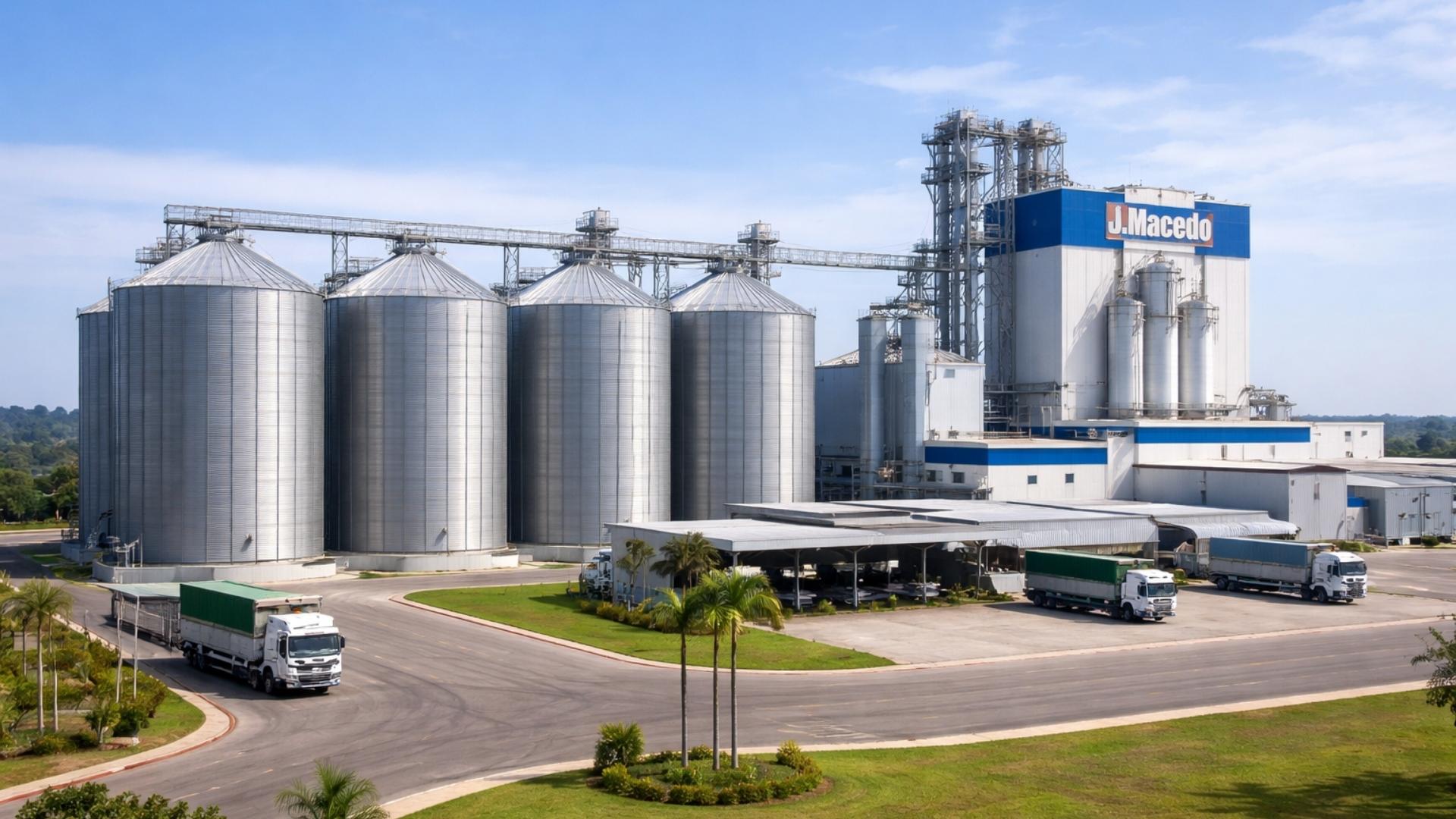
A Brazilian city gains a factory worth R$ 300 million with the capacity to process 200 thousand tons of wheat per year, a mill of 660 tons/day, silos for 42 thousand tons, and an industrial area of 276 thousand m².
-
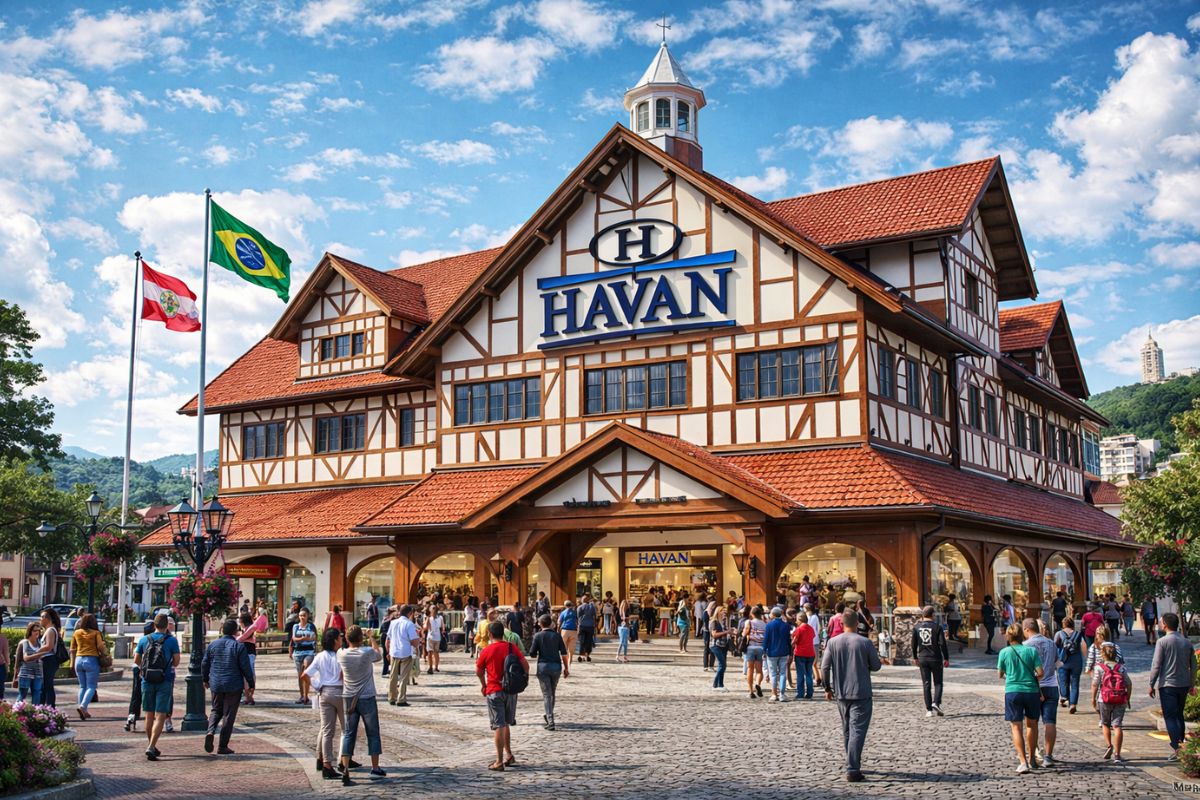
Havan will leave the shopping mall in Blumenau to inaugurate something that the chain has never done before: a megastore in half-timbered style in the Historic Center of the city, which is expected to be completed in May and change the landscape of local retail.

These companies increased investments in innovation, applying more than 1.6% of their operating revenue to research and development (R&D).
This effort helped place over 570 Chinese companies among the 2,500 largest investors in R&D globally.
For Minister Li Lecheng, quoted by Monitor Mercantil, this is the key to maintaining China’s competitiveness in an increasingly technological global landscape.
How Much The Chinese Industry Advanced In Five Years
During the 14th Five-Year Plan (2021-2025), the value-added output of Chinese manufacturing grew by over 8 trillion yuan, equivalent to US$ 1.13 trillion.
This amount alone surpasses the total of several entire industrial blocks, highlighting the scale of the country’s expansion.
China’s growth contrasts with the stagnation of industrial hubs in Europe and North America, which face high energy costs, partial deindustrialization, and political difficulties in maintaining competitiveness.
Where China Projects Influence
In addition to sustaining its industry internally, China also works to strengthen international supply chains.
The country has established industrial partnerships and joint initiatives to reduce vulnerabilities exposed after the pandemic and recent trade conflicts.
This strategy aims to enhance global resilience in strategic sectors such as semiconductors, wind energy, batteries, and telecommunications.
With this, China positions itself not only as a large-scale producer but also as a creator of new industrial networks.
Why China Maintains Leadership
The combination of production scale, innovation, and coordinated industrial policies explains China’s dominance.
Even under pressure from sanctions and trade disputes, the country has diversified markets, modernized factories, and maintained price competitiveness.
According to Monitor Mercantil, this performance reinforces that China will continue to be the main driver of global manufacturing until 2025 and beyond, in contrast to other economies facing industrial stagnation.
The data shows that no other economy has managed to rival China in recent industrial expansion.
This creates benefits but also exposes a growing global dependence on Chinese manufacturing.
Do you believe that China’s industrial leadership strengthens or weakens the global economy? Should Brazil align more closely with China in this process? Share your opinion in the comments — we want to hear your analysis.









Precisamos abandonar essa síndrome de vira-latas (odiando esse termo, já que amo os caramelos) e abrir novos caminhos para a indústria Brasileira! Ver uma bandeira estadunidense no Sete de Setembro mostra o quanto precisamos de VERDADEIRO patriotismo e soberania… #BrasilSoberano #foraDireita