





 Portuguese
  English
  Spanish
 4 min of reading
  0 comments


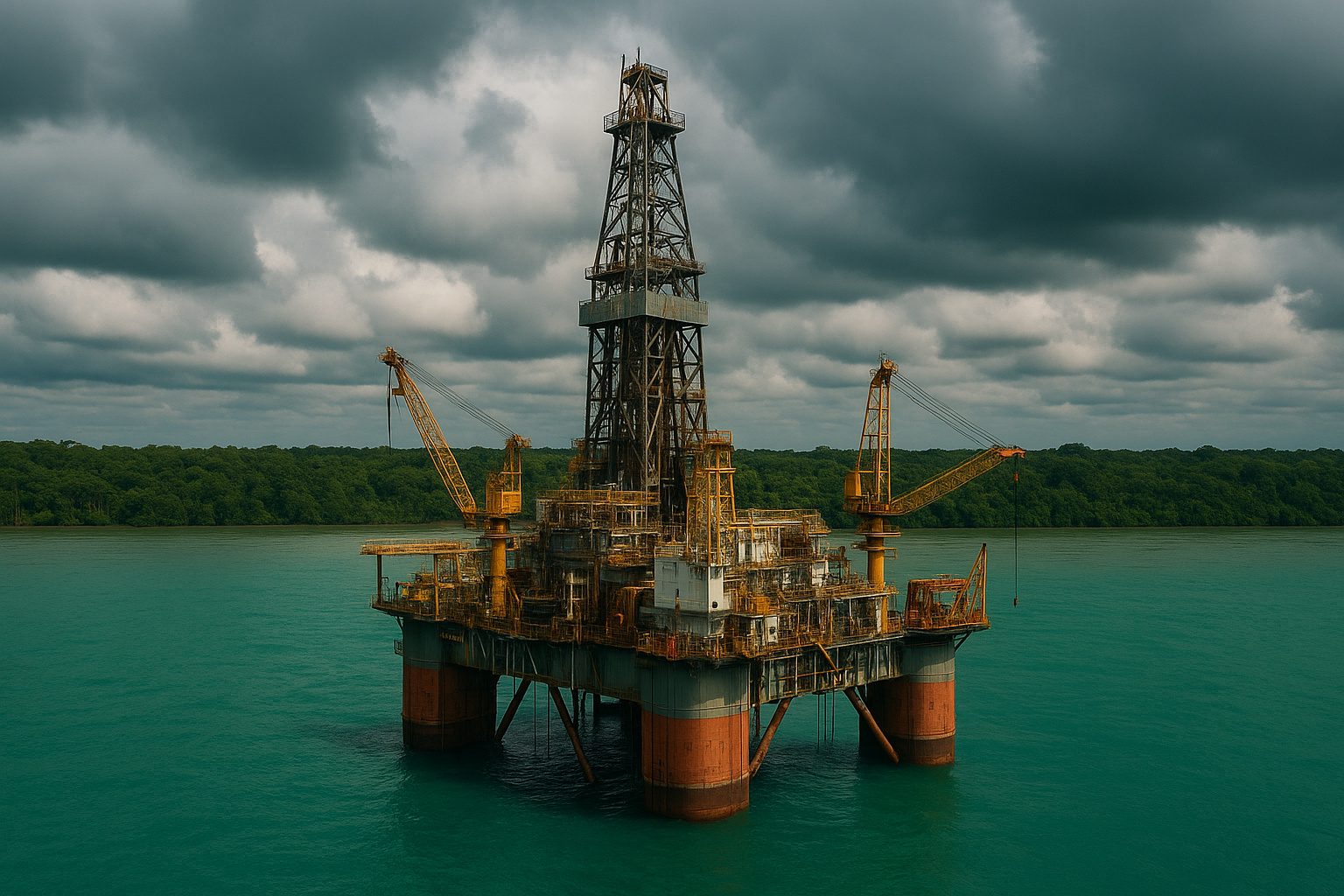
The License Granted by Ibama for Well FZA-M-59 Rekindles the Debate on Development, Energy Transition, and Environmental Preservation in the Equatorial Margin
The controversy surrounding oil exploration in the Amazon River Delta has returned to the center of national debate. The Brazilian Institute of Environment and Renewable Natural Resources (Ibama) authorized Petrobras to begin drilling an exploratory well in block FZA-M-59, located 500 kilometers from the mouth of the Amazon River and 175 kilometers from the coast of Amapá. The decision, announced last Monday (20), comes less than a month before the start of the COP30, the global climate conference that will be held in Belém (PA).
The authorization ends nearly five years of analyses and technical disputes, marking one of the most symbolic moments in the Brazilian energy sector. The area is considered one of the most promising in the country and has already been nicknamed by experts as the “new pre-salt of the Equatorial Margin”.
High Risk and Hope for Discovery
The president of Petrobras, Magda Chambriard, acknowledged that the project involves high exploratory risk, since there are no guarantees that the well contains oil in commercial volumes. “The risk of not finding anything is high, but drilling is necessary. Those who find oil are drills,” she stated in an interview with journalist Míriam Leitão from GloboNews.
-
Brazilian giant expands borders in the Southeast: Petrobras confirms new oil discovery in ultra-deep waters in the pre-salt of the Campos Basin.

-
Alert in the global energy market: Severe tropical cyclone hits the coast and disrupts gas production at major plants in Australia, threatening global supply.

-
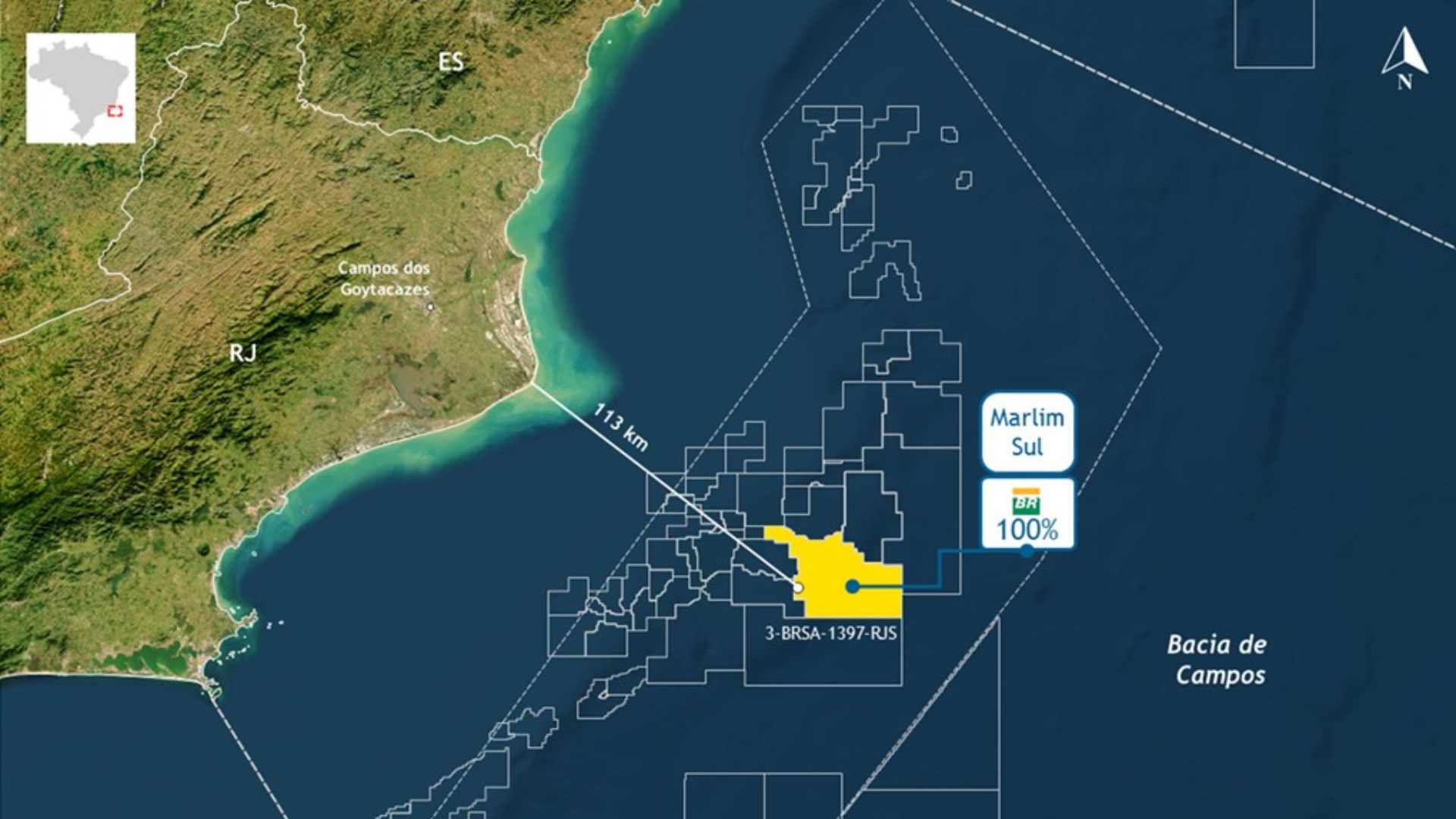
Petrobras finds high-quality oil in the pre-salt at 113 km from RJ and reignites expectations about strategic reserves in the Campos Basin.

-
Ocyan opens registrations for startups focused on innovation in the oil and gas sector and will select projects for Innovation Day with the support of Nexio.

According to Chambriard, the company began drilling with only one license for the main well but has already requested six additional permits for nearby areas, all located on the coast of Amapá. Petrobras’ strategy is to map the region and assess its energy potential, even in light of geological uncertainties.


The information was reported by GloboNews, which highlighted the billion-dollar value involved in the operation. Each day of drilling costs about US$ 4 million, according to data presented during the broadcast, emphasizing the economic weight of the decision.
Advances in Environmental Safety After Ibama Requirements
Ibama also argues that the process was rigorous and that Petrobras had to meet new environmental safety requirements to obtain the license. The main advancement was the establishment of a Center for Oil Spill Response and Wildlife Protection, located in Oiapoque, 170 kilometers from the drilling area — much closer than the initial plan, which proposed a structure 800 kilometers away.
According to the president of Ibama, Rodrigo Agostinho, this change was decisive for the approval. “If the center had remained in Belém, the request would have continued to be denied,” he stated. The new center is equipped with more fast vessels, positioned strategically around the operation, to ensure immediate response in case of a spill.
During the tests conducted in Oiapoque, Petrobras simulated four days of loss of contact with the rig, a scenario that had already occurred in 2011 due to strong ocean currents in the region. The exercise proved that with the new infrastructure, the emergency response would be much faster and more effective.
The Cost of Progress and the Environmental Price
Despite the advances, the authorization did not end the controversies. The former president of Ibama, Suely Araújo, who had denied the same type of license during the Temer government, criticized the current decision. According to her, the oil dispersion modeling used by Petrobras is outdated.
In the technical report, Ibama itself recognizes that it will be necessary to update the hydrodynamic model of the Equatorial Margin, which will only happen after the initial drilling. For experts, this represents a reversal of priorities, as the ideal would be to update the model before any operation.
Araújo also emphasized that, although the well is far from the mouth of the Amazon River, the sedimentary basin of the region is extremely sensitive. The area is home to the Amazónica Reef System, a unique and still little-studied ecosystem that extends from the coast of Amapá to Maranhão. Therefore, environmental organizations like the Climate Observatory have already announced that they intend to litigate the case, questioning the legality of the granted license.
Between Economy and Environment
The decision places the Brazilian government in front of a dilemma that reflects the global scenario: how to reconcile economic growth with environmental preservation. The start of drilling coincides with the preparation for COP30, where Brazil intends to position itself as a world leader in energy transition and Amazon protection.
While part of the political and business sector sees exploration as a strategic step toward energy self-sufficiency, environmentalists argue that insisting on fossil fuels is a setback, especially in the midst of the climate crisis and the quest for renewable sources.
In the end, the question remains open: will the exploration of the Amazon Delta be remembered as a milestone of national progress or as a symbol of environmental regression?








Seja o primeiro a reagir!