





 Português
  Inglês
  Espanhol
  3 min de leitura
  7 comentários


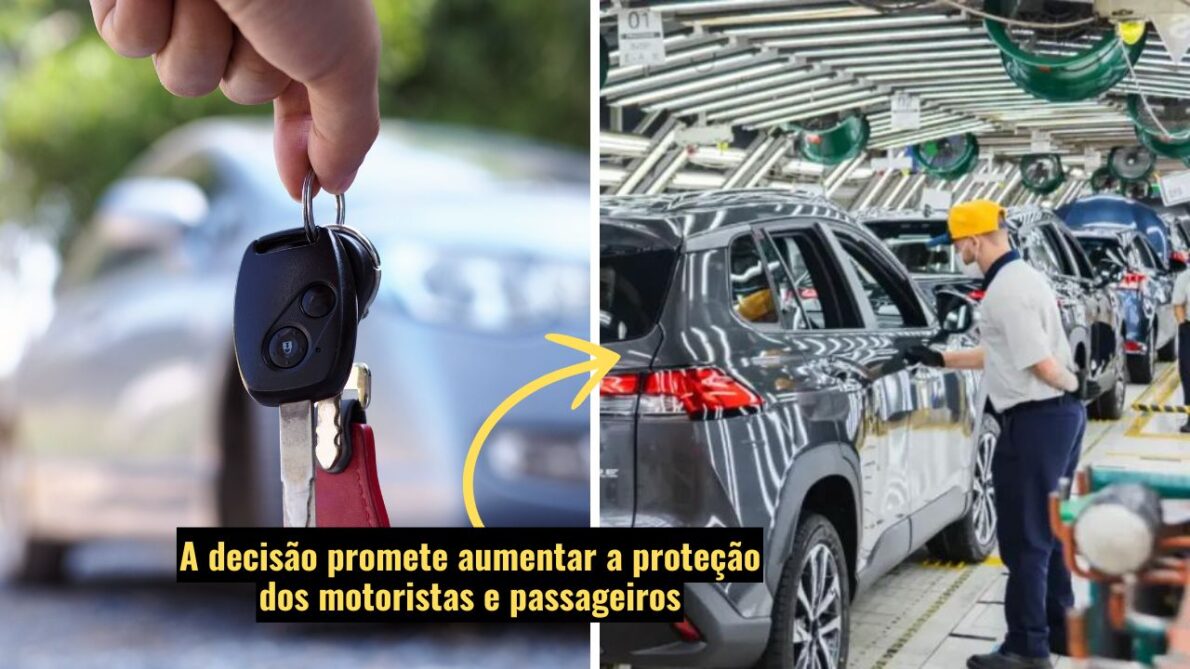

New Law Requires New Safety Items for New Vehicles Starting in 2024
Since January 1, 2024, the new law that mandates various safety items for new vehicles in Brazil is in effect. The decision promises to enhance the protection of drivers and passengers, bringing more technology to cars leaving the factory.
The new law requires that all new vehicles must have stability control, daytime running lights (DRLs), seat belt alert on the dashboard, and side impact tests. These measures, although welcome, have been postponed since 2021, due to the Covid-19 pandemic. The requirement was only officially confirmed now, thanks to Resolution 954/2022 from Contran.
Why Did the Change Take So Long?
The implementation of these new safety items in new vehicles was supposed to happen in January 2021. However, the National Association of Motor Vehicle Manufacturers (Anfavea) cited difficulties caused by the pandemic, which led the National Traffic Council (Contran) to postpone the deadline. Thus, the requirement was moved to 2024, directly affecting cars manufactured from this year onward.
-
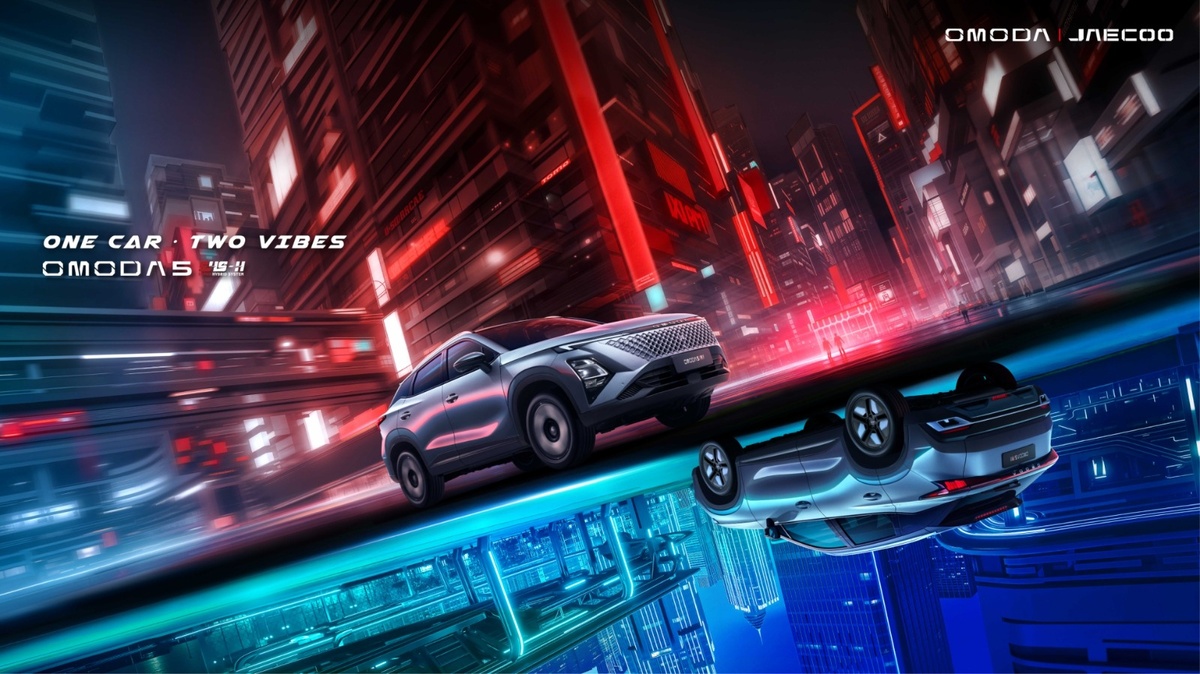
OMODA & JAECOO grows in Europe in 2026 with an integrated strategy of sales, innovation, local production, and technological advancement in the United Kingdom, Italy, and Spain.
-
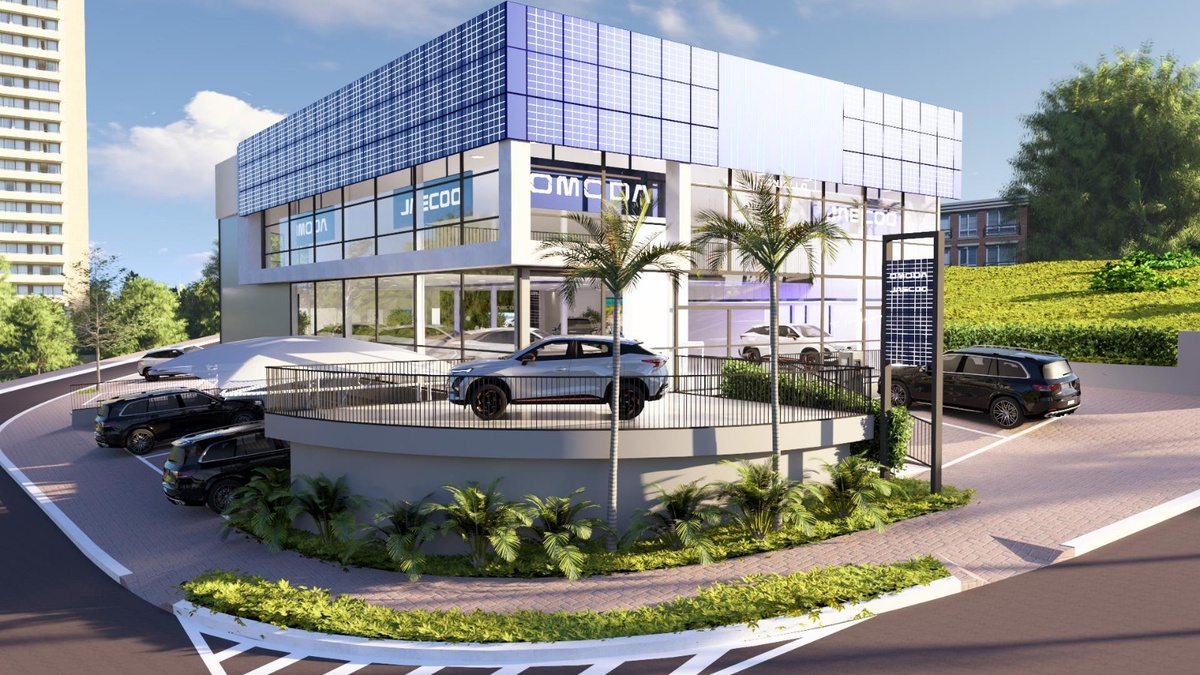
OMODA & JAECOO expands after-sales service in Brazil with competitive maintenance, a 7-year warranty, and high availability of parts for technological SUVs.
-
OMODA & JAECOO appoints Alessandra Souza as executive marketing director in Brazil and accelerates brand expansion with a focus on innovation, networking, and hybrid portfolio.

-
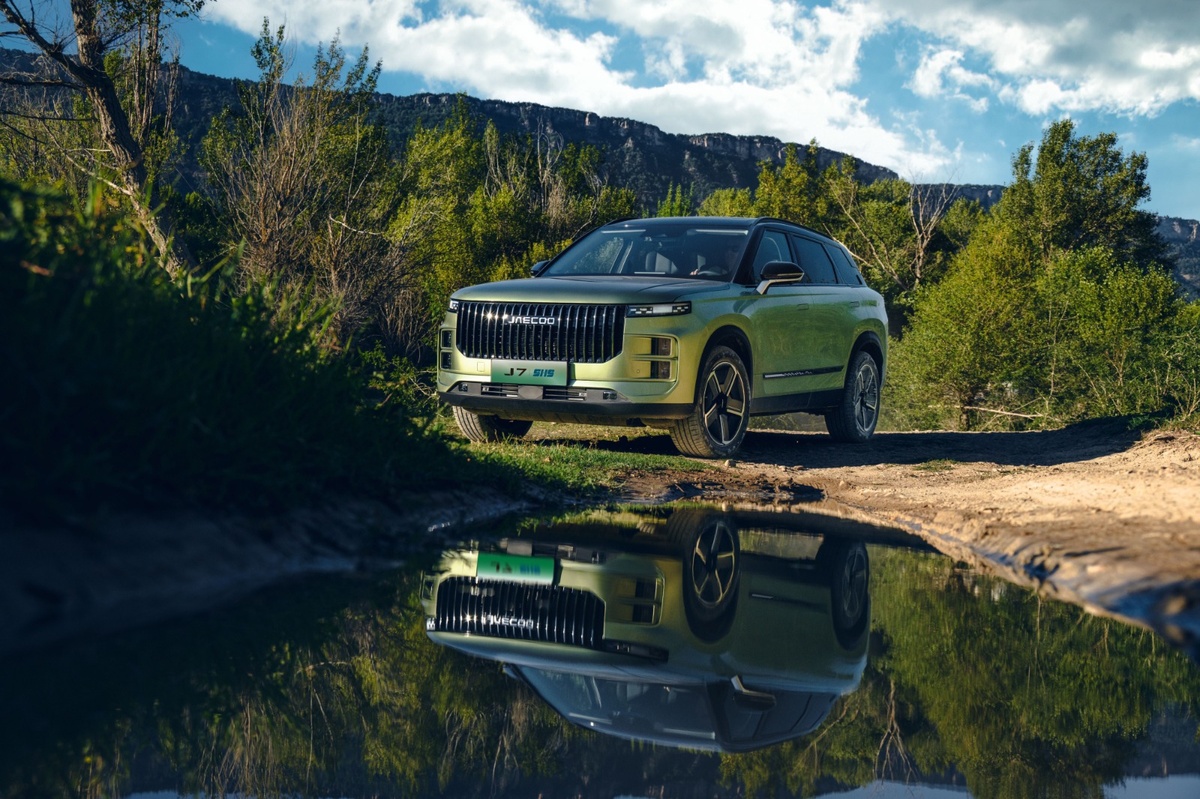
Jaecoo 7 with super hybrid SHS system exceeds 1,200 km of combined range with a 1.5 turbo engine, high-density battery, and intelligent energy management.

In addition to the items already mentioned, the regulation also includes sudden braking indicators and turn signal repeaters in the mirrors. An interesting point is that daytime running lights do not need to be LED; conventional bulbs are also accepted.
Vans, Buses, and Trucks Will Have Extended Deadline
Although passenger cars are already subject to the new law, larger vehicles like vans, buses, and trucks have an additional deadline. The stability control for these vehicles will only be mandatory starting January 1, 2025, according to Resolution 799 from Contran.
This means that anyone looking for a new vehicle should pay attention to safety specifications, especially if considering models manufactured in 2023, the so-called “two-head” cars (2023/2024 models), which do not follow the new rule.
Impact on Manufacturers and Consumers with New Law
The effect of the new law can already be felt in manufacturers, who are updating their models to meet the new requirements. An example of this is Renault, which has enhanced the safety of the Kwid, Stepway, Logan, and Oroch models for the 2024 line. The Kwid, one of the most affordable cars in Brazil, now features stability control in all versions, along with other safety features.
For consumers, this news is a relief, as it guarantees more safety in new cars. However, it also brings the need to be attentive to the models available. Many vehicles sold at the end of 2023 may not include these items, so it is essential to check if the car you are buying complies with the new regulation.
The Main Mandatory Safety Items
The items that will be mandatory for all new vehicles starting in 2024 include:
Stability Control (ESP): monitors the stability of the car and automatically adjusts the engine torque and brakes to prevent skidding.
Daytime Running Lights (DRLs): increase the car’s visibility during the day, reducing the risk of accidents.
Seat Belt Alert: issues a warning on the dashboard when the driver or passenger is not buckled in.
Side Impact Test: assesses the car’s resistance in side collisions, ensuring more safety for occupants.
Sudden Braking Indicators: alert drivers behind about potential abrupt braking by flashing the rear lights.
Turn Signal Repeaters in the Mirrors: improve the visibility of direction-changing intentions, especially on highways and high-speed roads.
The new safety law for new vehicles aims to enhance protection on Brazilian streets and roads. Although the deadline has been extended, the implementation of these measures promises to bring more peace of mind to drivers. For those considering buying a new car in 2024, it is essential to check if the chosen model meets all requirements, ensuring a safer and more modern vehicle.
TO LEARN MORE: Although it is a robust option filled with advantages, this Toyota SUV is often forgotten by Brazilians
Share your thoughts on this new safety law for new vehicles! Do you think these changes came too late or are they timely? And will car prices rise because of these requirements?









O único item verdadeiramente útil é o controle de estabilidade. O restante é perfumaria que só serve para encarecer os carros, principalmente os populares.
Tinha que vir com o sistema ADas de segurança
Muito bom só faltou colocar quanto que vai custar no bolso do consumidor com essas novas implementações.