





 English
  Francês
  Alemão
  Italiano
  Japonês
  Norueguês
  Portuguese
  Spanish
  3 min of reading
  0 comments


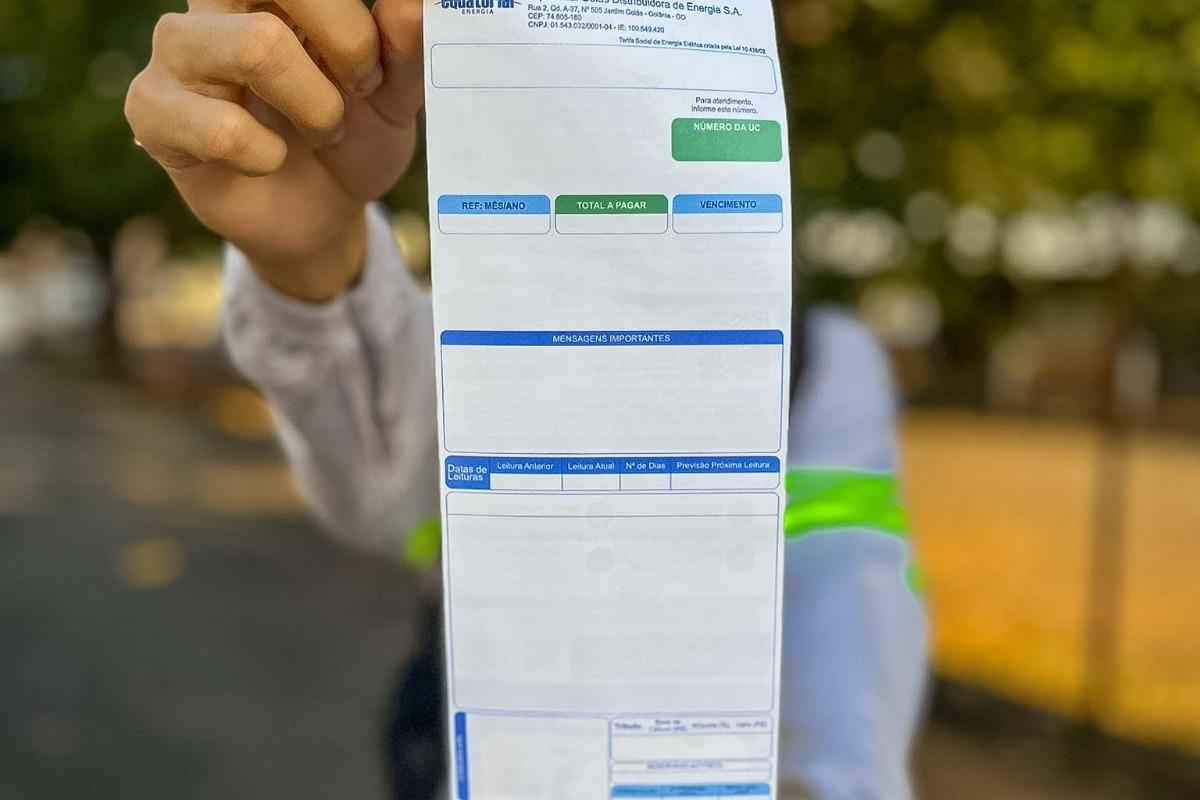
Change standardizes identification of consumer units, updates bills, and reorganizes service based on national guidelines from ANEEL
The Equatorial Energy Group confirmed that, starting in April 2026, it will begin adopting the national standard for identification of Consumer Units (UC), according to guidelines from the National Electric Energy Agency (ANEEL), promoting a structural update in energy bills and reorganizing how consumer data is presented and managed.
The initiative aims to simplify service, standardize information, and increase operational efficiency, while introducing a new bill model with a more modern layout, aligned with regulatory requirements and the need for clarity for consumers.
New national standard redefines identification of consumer units
The Consumer Unit (UC) will have a unique national code consisting of 15 digits, definitively replacing the old business partner and installation numbers, allowing for greater standardization and organization of information throughout the electric sector.
-
Itaipu Impresses the World: Hydroelectric Plant with 20 Turbines and 14,000 MW Generates Over 2.9 Billion MWh and Leads Global Clean Energy Production

-
Aneel Revokes CMAA Thermal Power Plants After Network Restrictions and Excess Energy in the System

-
13-Year-Old Scientist Creates Clean Energy Device For Just R$ 16, Wins $25,000 Prize And Surprises The World With Affordable Solution

-
Energisa Announces Investment Plan in Energy and Gas with Direct Impact on Network Expansion and Supply Reliability for Consumers


With this change, the identification of units becomes more direct and secure, facilitating both service and data management by distributors, as well as making processes more consistent across different regions of the country.
According to Agnelo Coelho Neto, commercial director of the Equatorial Group, standardization represents a significant advancement, as it helps to make information clearer and strengthens the security of service and customer relationship processes.
Implementation begins in April and progresses throughout 2026
The implementation schedule will be gradual throughout 2026, starting in April, when the new bill will be adopted in the states of Maranhão, Pará, Piauí, Alagoas, Goiás, and Amapá, marking the first phase of the transition to the new national standard.
Subsequently, in June 2026, the change will be implemented in Rio Grande do Sul, through CEEE Equatorial, expanding the reach of standardization and consolidating the application of the new system in different regions.
The update will cover all consumer units, including those that are inactive, ensuring that all registrations are aligned with the new model defined by ANEEL.
New energy bill features modern and clearer layout
The new electricity bill model will be available in both printed and digital versions, with a redesigned layout and a predominance of blue and green colors, offering a more organized visual presentation in line with the new standard.
The UC Number will appear at the top of the bill, following the national standard, while essential information, such as monthly consumption and due date, will continue to be displayed clearly and accessibly.
On the back of the bill, consumers will find additional relevant data, including distributor contacts, official website address, social media, continuity indicators, information about tariff flags, and data from the Citizen Bill campaign, increasing transparency and access to information.
Update does not change contracts or energy supply
The adoption of the new standard does not change existing contracts nor interfere with the continuity of electricity supply, ensuring that the service continues normally throughout the transition process.
In cases of change of ownership, the Consumer Unit number remains the same, with only the responsible person’s data, such as CPF or CNPJ, being updated, as the registration becomes linked to the property.
Customers will be able to consult the old and new numbers for a minimum period of one year, using the distributor’s digital channels, allowing for a gradual adaptation to the new system without operational impacts.










Seja o primeiro a reagir!