





 Portuguese
  English
  Spanish
  2 min of reading


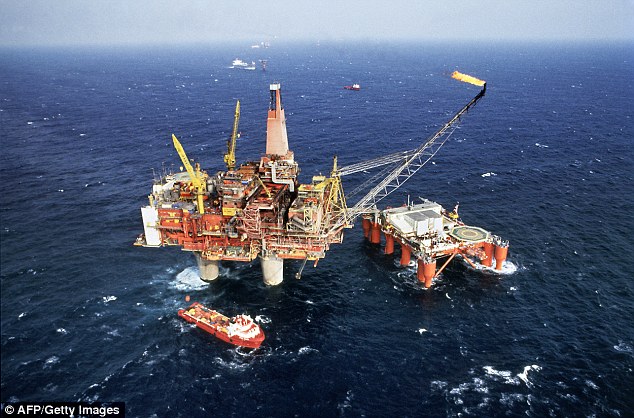
Norway’s Equinor Will Buy a Ten Percent Stake in Barra Energia’s License BM-S-8 in the Santos Basin off Brazil’s Coast.
Equinor said on Wednesday that the acquisition will allow “Equinor and its partners to fully align the interests of the two licenses in the Carcará area.” In early June, Equinor, ExxonMobil, and Galp completed transactions in BM-S-8 to start aligning their ownership stakes with those held by the three partners in the adjacent Carcará North block. BM-S-8 and Carcará North together make up the area that contains approximately 2 billion recoverable barrels of oil equivalent.

-
Haiti’s capital is experiencing an energy and construction crisis, facing blackouts, a blocked port, and buildings at risk after years of instability and a significant earthquake.

-
Government unlocks R$ 554 million for a highway that has been requested for decades and accelerates the duplication of BR.
-
Without bricks, without cement, and without endless construction: the cardboard house that is assembled in modules and can be moved.

-
Billions of barrels on the equatorial margin could lead Amapá to double its oil production in Brazil — the state aims to enter the route of companies in the Campos Basin, attract investments, and boost jobs and businesses in the oil and gas sector.

CEO Renato Bertani (left), Barra Energia and Anders Opedal, Equinor Manager in Brazil
Equinor is the operator of both blocks and aims to develop the unitized field with the ambition of delivering first oil between 2023 and 2024. Equinor said it would pay US$ 370 million for Barra’s 10% stake, the same amount paid by Queiroz Galvão Exploração e Produção (QGEP) in July 2017.
The closing is subject to usual conditions, including partner and government approval, and price adjustments considering a reference date of July 2016. After closing, Equinor intends to sell 3.5% to ExxonMobil and 3% to Galp, fully aligning interests across BM-S-8 and Carcará North.
In June, Equinor (or Statoil) made Petrobras sell 25% of Roncador to it, sparking the fury of state advocates and unionists. The state-owned company claims that the sale of its assets or part of them is part of the plans to restructure the company, especially financially, and the most effective way to do this right now is through partnerships. It is remarkable how many assets foreign companies have been acquiring in Brazil since our market opened, but would you like to know why our oil reserves attract so many multinationals? Check out the explanation in this other article here.









Seja o primeiro a reagir!