





 Portuguese
  English
  Spanish
 4 min of reading
  0 comments


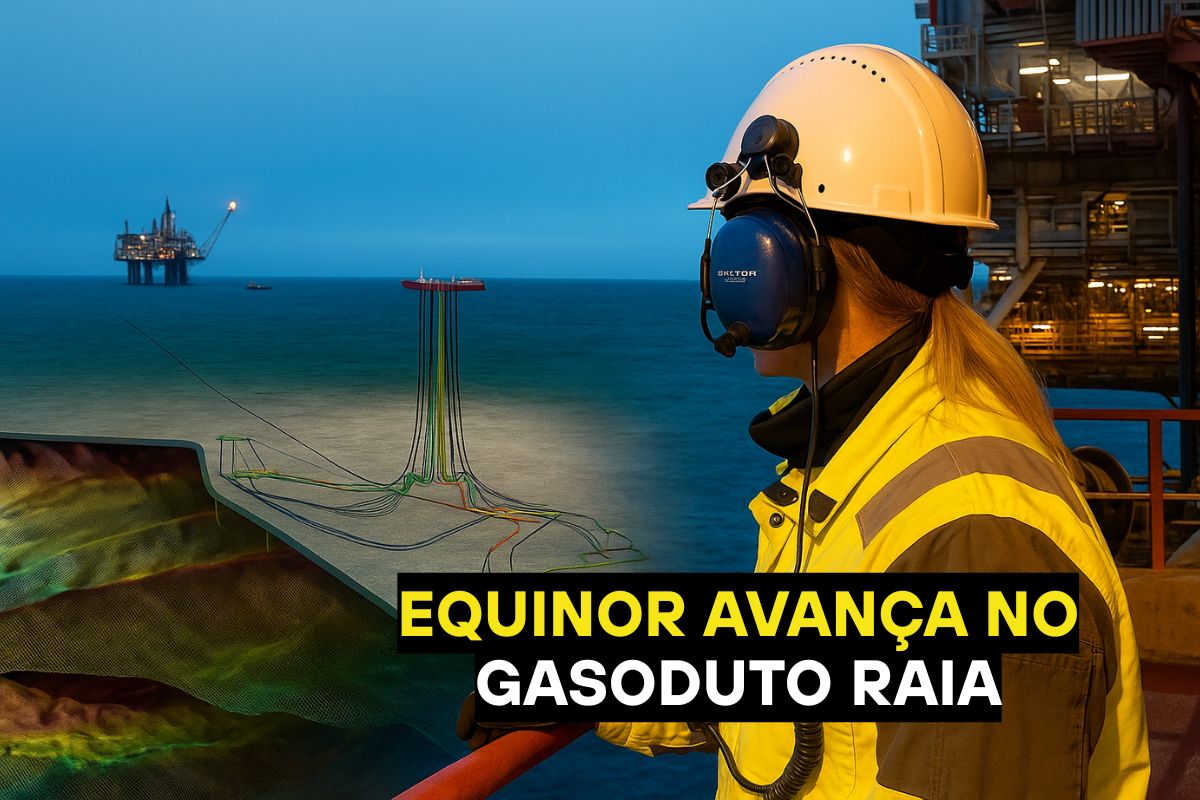
UOL Shows That Equinor Has Already Completed the Shallow Water Section of the Raia Pipeline and is Moving on to the Land Phase in Macaé, with Direct Impact on the Country’s Energy Security
Equinor confirmed the completion of the first 15 km of the Raia pipeline, part of the system that is expected to transport up to 16 million m³/day of natural gas starting in 2028. According to UOL, the installation of this shallow water section marks the beginning of integration with the national transportation network, and the next step will be the construction of 4 km on land until the connection with the Cabiúnas unit in Macaé.
The complete project will have 200 km of pipelines, including a segment in deep water that will connect the structure to the floating production storage and offloading unit (FPSO). According to UOL, when operational, the Raia could meet up to 15% of the national gas demand, becoming one of the strategic axes of the energy transition policy in Brazil.
What Has Already Been Delivered and What is Coming Next
According to UOL, the recently completed shallow water phase took about two months and served as an engineering milestone to validate installation and safety methods.
-
Offshore industrial demand in Macaé skyrockets with the recovery of oil and gas and could grow by up to 396% by 2026 in the Campos Basin.
-
Offshore industrial demand in Macaé surges with the recovery of oil and gas and could grow by up to 396% by 2026 in the Campos Basin.
-
Brazilian giant expands borders in the Southeast: Petrobras confirms new oil discovery in ultra-deep waters in the pre-salt of the Campos Basin.
-
Alert in the global energy market: Severe tropical cyclone hits the coast and disrupts gas production at major plants in Australia, threatening global supply.
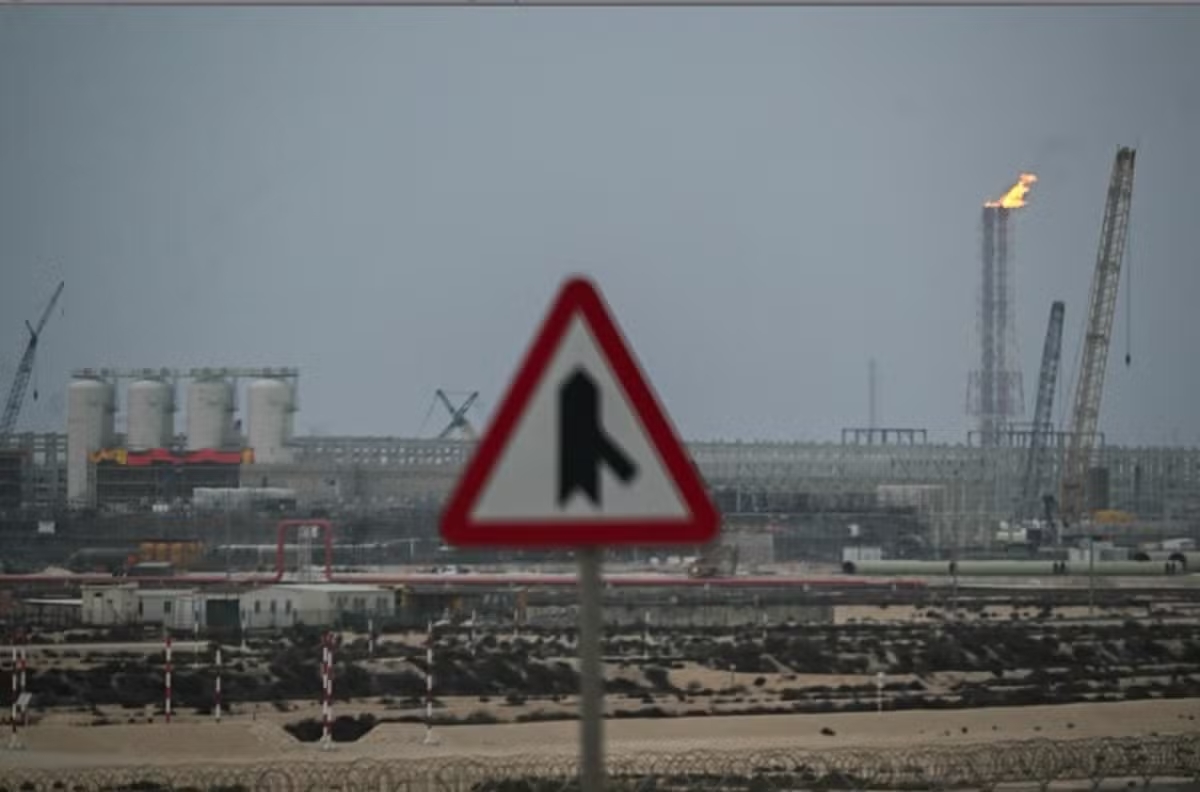
Now, Equinor is starting the execution of the 4 km land section, which will take the pipeline to the drainage network in Cabiúnas, a region that already concentrates a significant part of the national gas infrastructure.
The next phase will be the most complex: the installation of the deep water section, responsible for connecting the pipeline to the Raia FPSO, which will carry out initial production and processing.
This technical challenge should mobilize suppliers specialized in offshore logistics and increase job generation in high-qualification sectors.
A Powerful Consortium to Enable the Project
UOL highlights that the Raia field is operated by Equinor (35%), in partnership with Repsol Sinopec (35%) and Petrobras (30%).
This arrangement consolidates an international alliance around the pre-salt of the Campos Basin, balancing Norwegian know-how, Spanish-Chinese capital, and the strategic presence of the Brazilian state-owned company.
In practice, the shareholding composition ensures a division of risks and facilitates long-term financing.
At the same time, it preserves Petrobras as a relevant player in the gas segment, even in projects led by multinationals.
Production Capacity and Relevance for the Brazilian Market
With a potential of 16 million m³/day, the Raia pipeline can alone account for up to 15% of national gas consumption, according to data released by the company and reported by UOL.
This represents a structural change in the supply matrix, as Brazil still heavily depends on imports from Bolivia and LNG terminals.
Another differentiator is that the field also has recoverable reserves of over 1 billion barrels of oil equivalent, which means additional revenue from oil/condensate and greater economic attractiveness for the project as a whole.
Energy Security and Impacts of Partial Completion
Upon announcing the completion of the first phase, the pipeline manager, Pedro Veronesi, stated in a note that “safety was a priority at every stage” and that the team will move on to the land and deep water phases.
UOL emphasizes that the completion of this initial section demonstrates technical capacity and execution discipline, critical points in high-complexity projects.
For Brazil, the progress is symbolic: it signals that the production of gas from the pre-salt begins to be internalized into the transportation network in a phased manner, reducing the risks of supply shortages and providing predictability for the industrial sector, which is an energy-intensive consumer.
The completion of the shallow water section shows that Equinor is managing to meet the schedule of the Raia pipeline, a project that could reposition Brazil in the natural gas market.
With up to 15% of the national demand met, the enterprise has the potential to reduce external dependencies and strengthen energy security.
Do you believe that Equinor should prioritize speed to deliver the entire project by 2028 or caution to avoid environmental and technical risks? In your view, which impact is more relevant for the country: reducing gas imports or ensuring price stability for the industry? Share your opinion in the comments and help broaden this debate.









Seja o primeiro a reagir!