





 Portuguese
  English
  Spanish
 5 min of reading
  0 comments


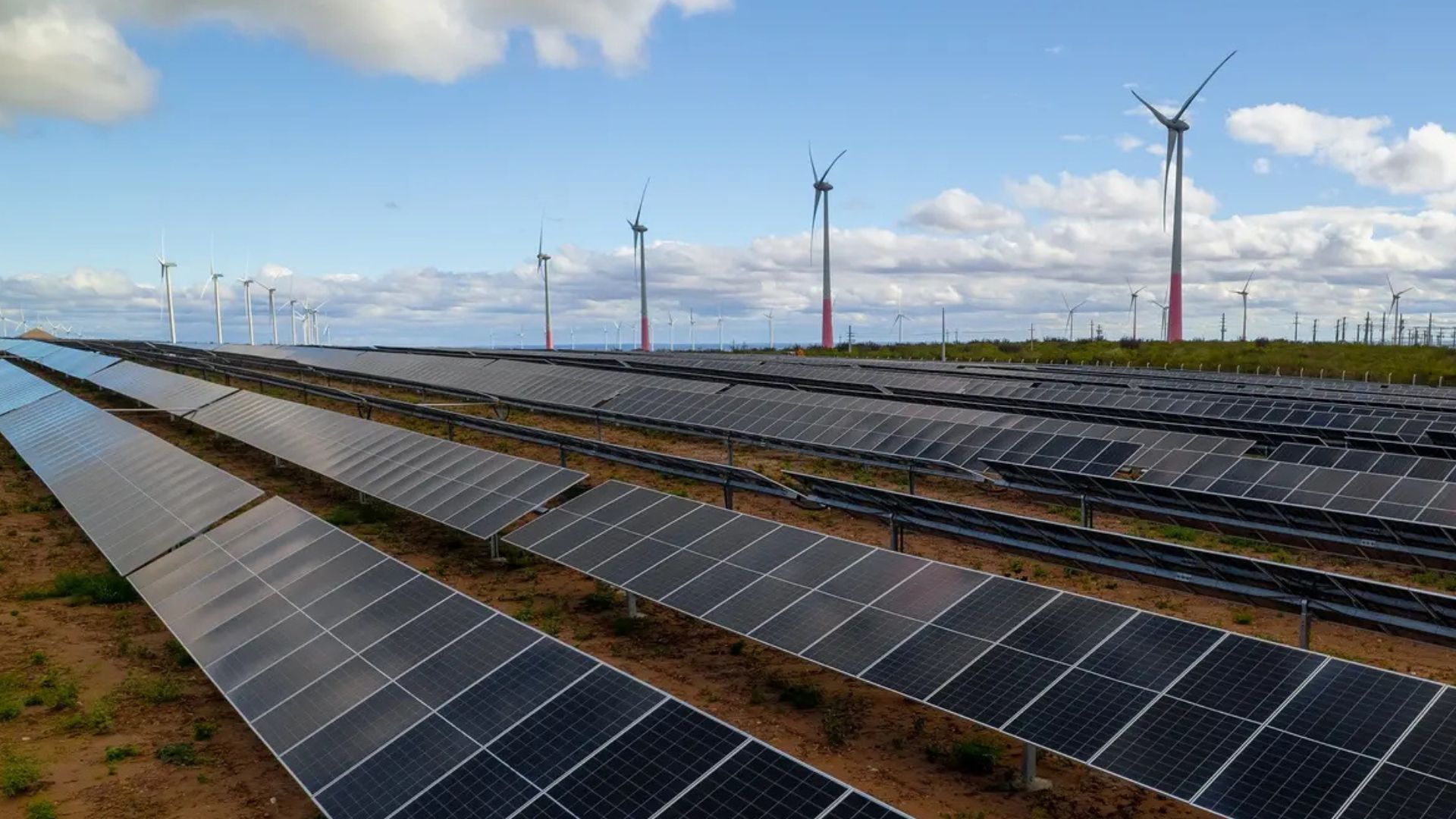
Equinor and Rio Energy Expand Renewable Energy Generation in the Northeast with the Operation of Serra da Babilônia, Their First Solar-Wind Hybrid Complex in Brazil, Adding 363 MW to the National Electric System
Equinor and its subsidiary Rio Energy announced the start of operations of their first solar-wind hybrid complex in the country, located at Serra da Babilônia, in Bahia. The official launch marks the commencement of the solar plant, which adds to the already existing wind farm, totaling 363 MW of installed capacity. This is one of the company’s most significant projects in Brazil and reinforces the presence of renewable energy in the national electric matrix.
Immediate Importance of Equinor’s Solar-Wind Hybrid Complex
According to official data released by Equinor, the solar component adds 140 MW, while the wind farm already had 223 MW, forming an integrated hybrid system capable of increasing productivity and reducing operational costs. In addition, the estimated annual production is 236 GWh, sufficient to supply approximately 143,000 Brazilian households, according to company information.
The new hybrid model combines two complementary sources: sun and wind. This integration improves the distribution of generation throughout the day and seasons. Thus, it reduces typical intermittency of systems formed by a single source. The complementarity between solar and wind ensures greater stability and predictability to the electric system.
-
Renewable energy advances over protected areas in Brazil, and a survey by the Energy Transition Observatory reveals silent impacts that challenge environmental conservation and pressure sensitive traditional territories.

-
Rio Grande do Sul accelerates energy transition: State invests in renewable technologies and consolidates decarbonization strategies and pathways to attract billions in new industrial investments.

-
With 160,000 m² of collectors, an area larger than 20 football fields, Silkeborg, in Denmark, hosts a solar thermal plant that heats 19,500 homes and could become the largest solar heating plant in the world.

-
A study reveals the expansion of renewable energy procurement in Brazil and shows how companies are taking advantage of opportunities to reduce expenses, ensure energy efficiency, and strengthen strategic environmental commitments.


Another essential point is the use of pre-existing infrastructure. The solar plant was installed utilizing substations, transmission lines, and access from the wind farm. This significantly reduces implementation costs and simplifies the operational process. Consequently, operational efficiency increases, and environmental impact is lower, as there is no need to build a new large-scale infrastructure.
The company also highlighted that the generated energy will be marketed in the Brazilian market through Danske Commodities, the trading division responsible for commercial operations in the country. This move demonstrates that the project was planned not only as a strategic asset but also as a competitive endeavor in the commercial environment.
Serra da Babilônia and Its Relevance to the Expansion of Renewable Energy
The Serra da Babilônia, located in Bahia, already operated as a wind farm before hybridization. With the addition of the solar plant, the site becomes Equinor’s first hybrid asset in Brazil. Thus, the project becomes a reference in innovation and aligns with international trends of integrating multiple renewable sources.
Since 2023, when Equinor acquired Rio Energy, Brazil has become a priority market for the company’s expansion in onshore generation. The presence of Rio Energy has strengthened Equinor’s national portfolio, ensuring a solid foundation for growth and diversification.
In addition to Serra da Babilônia, the group already operates other important projects, such as the Apodi Solar Complex (162 MW) and the Mendubim Solar Complex (531 MW). With the new hybrid asset, the company surpasses 600 MW of solar and wind capacity in production in Brazil. This number reinforces the company’s role in advancing the Brazilian energy transition, especially in a region that concentrates some of the best natural conditions for clean production.
Operational Benefits for Equinor and Strategic Benefits of the Hybrid Model
The adoption of the hybrid model generates a series of direct benefits to the electricity sector and, consequently, to Brazilian consumers.
First, there is an improvement in energy supply stability. Since solar generation tends to occur during the day and wind generation peaks during the night and windier periods, the combination of the two reduces variability. This integration makes supply more regular and less subject to abrupt drops in production.
Second, the utilization of the same infrastructure reduces costs and streamlines processes. This includes everything from access and logistics to operation, maintenance, and connection to the National Interconnected System. Thus, the investment becomes more efficient and competitive.
Another relevant aspect is the increased regional energy security. The Northeast, which already concentrates a large share of the country’s wind generation, gains more energy density without overloading the grid.
Finally, trading through a specialized trading company ensures greater speed in negotiations and facilitates long-term contracts, which is essential to encourage new investments in the sector.
Equinor and Rio Energy Initiative: Economic Impact in the Brazilian Northeast
The Northeast is already recognized as the main center of wind generation in Brazil. Now, it is also growing as a solar hub. In addition to expanding energy supply, the project stimulates the local economy through direct and indirect jobs during the implementation and operation phases.
The renewable energy sector has significant potential for regional development. Projects of this size benefit everything from logistics and maintenance services to small businesses, expanding economic opportunities for neighboring municipalities.
The expansion of the renewable matrix also promotes the attraction of new investments. Electricity-intensive industries, for example, seek regions with more stable and sustainable energy. Thus, Bahia positions itself increasingly as a strategic territory for future industrial and technological installations.
Furthermore, initiatives like this help in the reduction of greenhouse gas emissions, reinforcing environmental commitments and stimulating sustainable practices in the private sector.
Challenges for the Renewable Energy Sector in Brazil
Although the hybrid Serra da Babilônia represents a significant advancement, the sector still faces important challenges. One of the main challenges is the need for expansion and modernization of transmission infrastructure. In several regions, the grid operates near capacity, which complicates the inclusion of new projects.
Another sensitive point is the regulatory environment. For hybrid projects to grow, the country needs to maintain clear, stable rules aligned with emerging technologies. Adequate incentives help reduce costs and attract long-term investments.
There is also a need for continuous environmental assessment. Even with low impact, solar and wind farms require careful planning to preserve fauna, flora, and water resources. This ensures that the expansion always occurs sustainably.
Lastly, the training of local labor remains essential. The sector is growing rapidly and requires qualified professionals for operation, maintenance, and technological management.
Serra da Babilônia and the Future of Renewable Energy in Brazil
The start of operations at the Serra da Babilônia solar-wind hybrid complex symbolizes an important shift in how the country develops clean energy projects. The integration of two complementary sources shows that it is possible to produce more, with greater efficiency and lower environmental impact.
The use of existing infrastructure, structured commercialization, and increased generation in Bahia demonstrate that hybrid models can become increasingly common. Because of this, Brazil gains competitiveness and positions itself as one of the world leaders in renewable energies.









Seja o primeiro a reagir!