





 Portuguese
  English
  Spanish
 3 min of reading


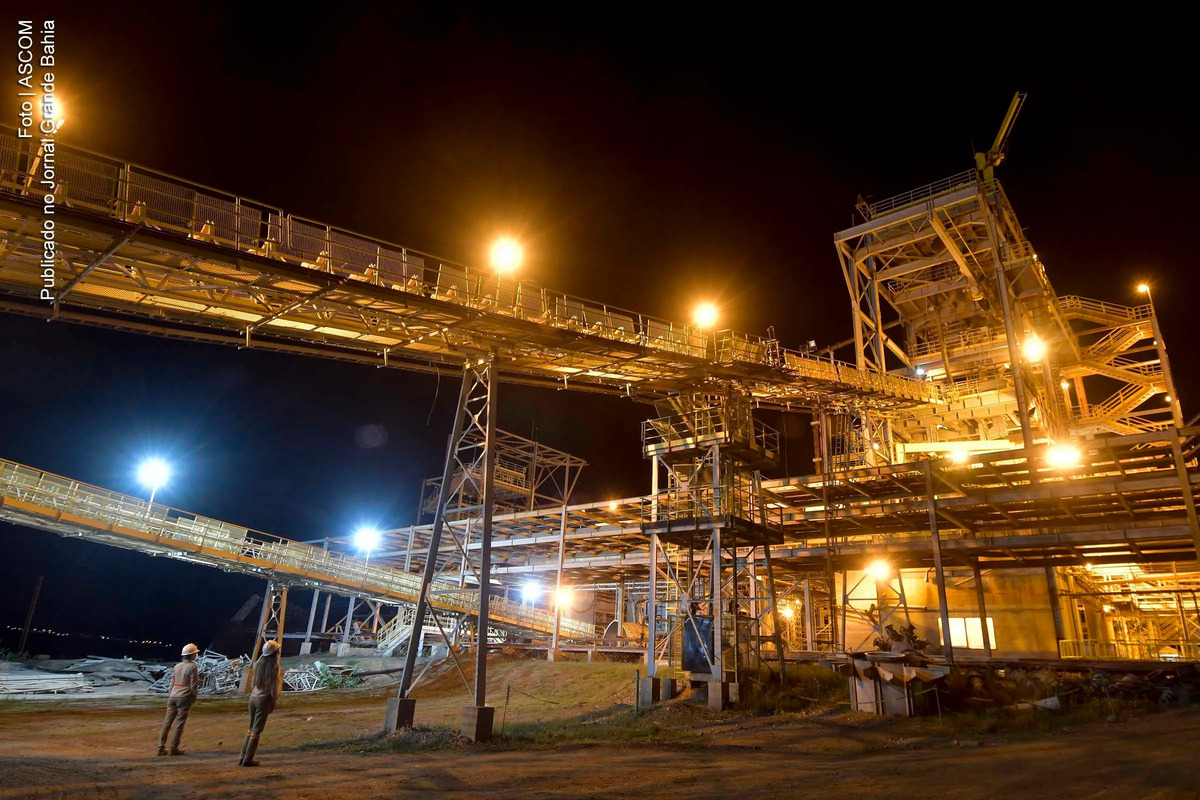
The FBDM and SLDM Units of Equinox Gold Located in Bahia Recently Made Significant Strides in Using Renewable Energy.
With the help of Enel Brasil, one of the key players in the electricity sector, the plants now exclusively use renewable energy from the wind farms Cumaru I and Cumaru V, in Rio Grande do Sul. This initiative serves as proof of Equinox Gold’s commitment to reducing greenhouse gas emissions and achieving other sustainability goals.
Investment in Renewable Energy Keeps Mining Company at the Top of the Market
By investing in wind energy, Equinox Gold consolidates its commitment to responsible mining practices and strengthens its position as a leader in the sector. This bold initiative is a game-changer, as it makes Equinox Gold the gold mining company pioneering investments in wind energy in Brazil, following in the footsteps of only one other company in the sector.
With the guaranteed supply of wind energy from Enel Brasil, Equinox Gold will reap environmental benefits, estimating a reduction of up to 70% in industry fees and energy costs for both facilities, in addition to saving approximately R$ 40 million per year.
-
Brazil may fall behind, and irreversibly so, in the global technological race involving the implementation of Data Centers and investments in Artificial Intelligence (AI). Much smaller but more agile economies, such as those of Argentina and Paraguay, have taken the lead.

-
Brazil is generating so much clean energy that the ONS had to implement an unprecedented emergency plan to contain the solar and wind surplus in the grid.

-
USA covers canal with 2,556 solar panels and transforms irrigation into a clean power plant in the middle of a drought-stricken region

-
In a historic decision, Aneel regulates the use of batteries in the Brazilian electrical system and lays the groundwork for large-scale energy storage, reducing waste, enhancing energy security, and attracting new billion-dollar projects.


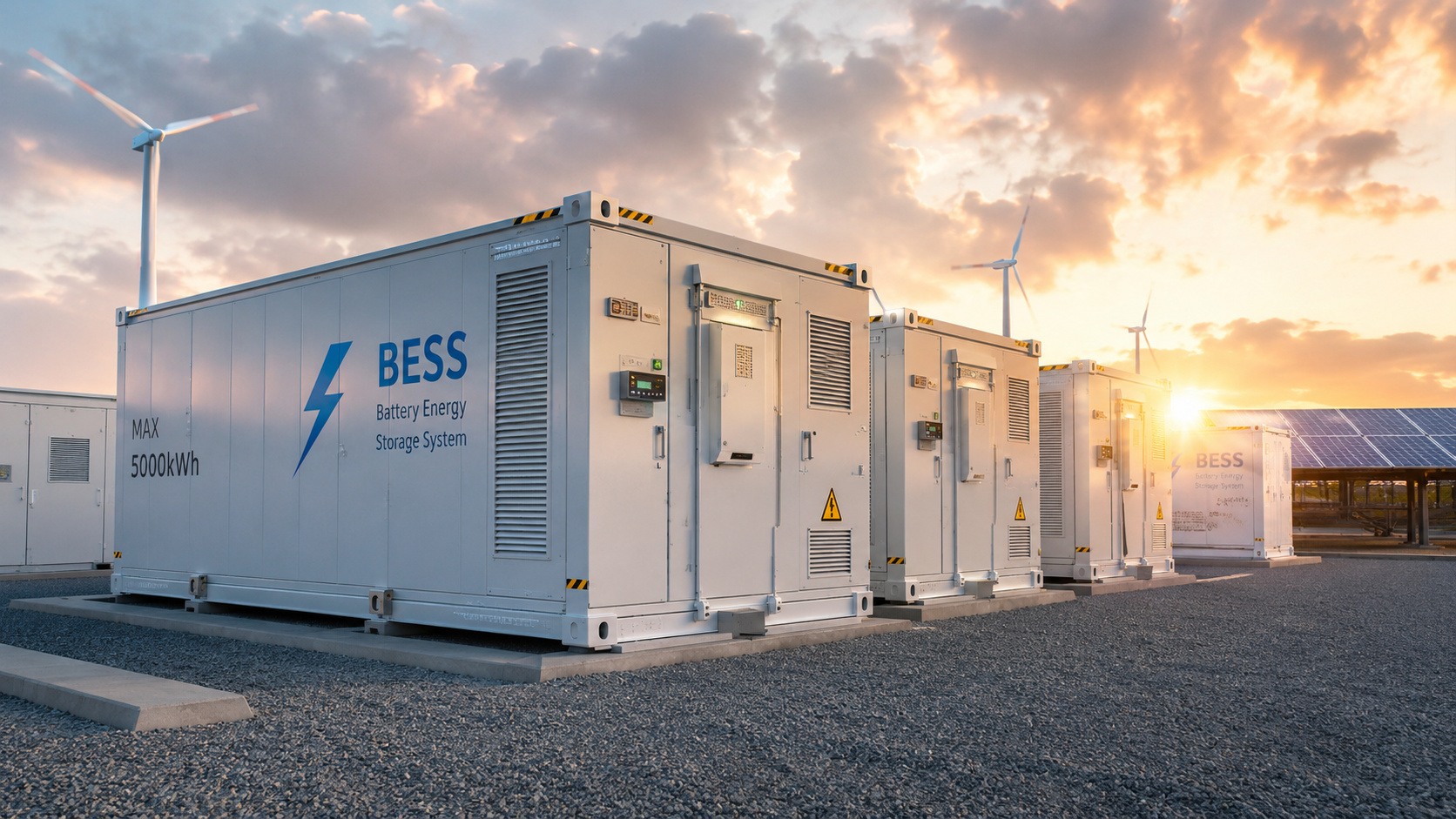
The contract with Enel Brasil – managed by Enel Trading, Enel’s trading company in the free market – follows the self-production model. This business model equates consumers to self-producers of energy, allowing consumer companies to produce renewable energy, primarily from wind and solar energy. This reduces sector charges, in addition to other competitive advantages offered in a free energy market, such as price predictability and free negotiation of contractual conditions.
Moreover, the model directly contributes to expanding the use of renewable energies in the energy matrix, reducing greenhouse gas emissions in the production process for energy consumers and publicly demonstrating measurable commitments related to the ESG (Environmental, Social, and Governance) agenda.
Use of Clean Energy and the Reduction of Greenhouse Gas Emissions
The company’s global goal is to reduce greenhouse gas emissions by 25% by 2030, taking additional measures to mitigate the potentially negative impact of its operations on the climate, according to a climate action report released in early February.
To this end, it implemented a process to understand its carbon footprint, identifying improvement opportunities and taking concrete steps to establish a comprehensive climate action strategy. It also continues to evaluate new opportunities for contracting energy from sustainable sources for two other operations in Brazil, with supply expected to start in 2024. The goal is to further enhance the environmental return of the program.
The mining industry is investing in renewable energy with the aim of making the production process of cleaner energy and sustainable, which significantly helps to reduce environmental impact. And wind energy is gaining more and more ground.
According to data released by the Global Wind Energy Council (GWEC) in 2022, Brazil will occupy sixth place in the global wind energy generation ranking and will break the record for installed capacity expansion of the system. According to the Brazilian Wind Energy Association (ABEEólica), the country has an installed capacity of 21 GW of wind energy production and a wind potential of over 500 GW. The largest producer in Brazil is the state of Rio Grande do Norte.







Be the first to react!