





 English
  Francês
  Alemão
  Italiano
  Japonês
  Norueguês
  Portuguese
  Spanish
  3 min of reading


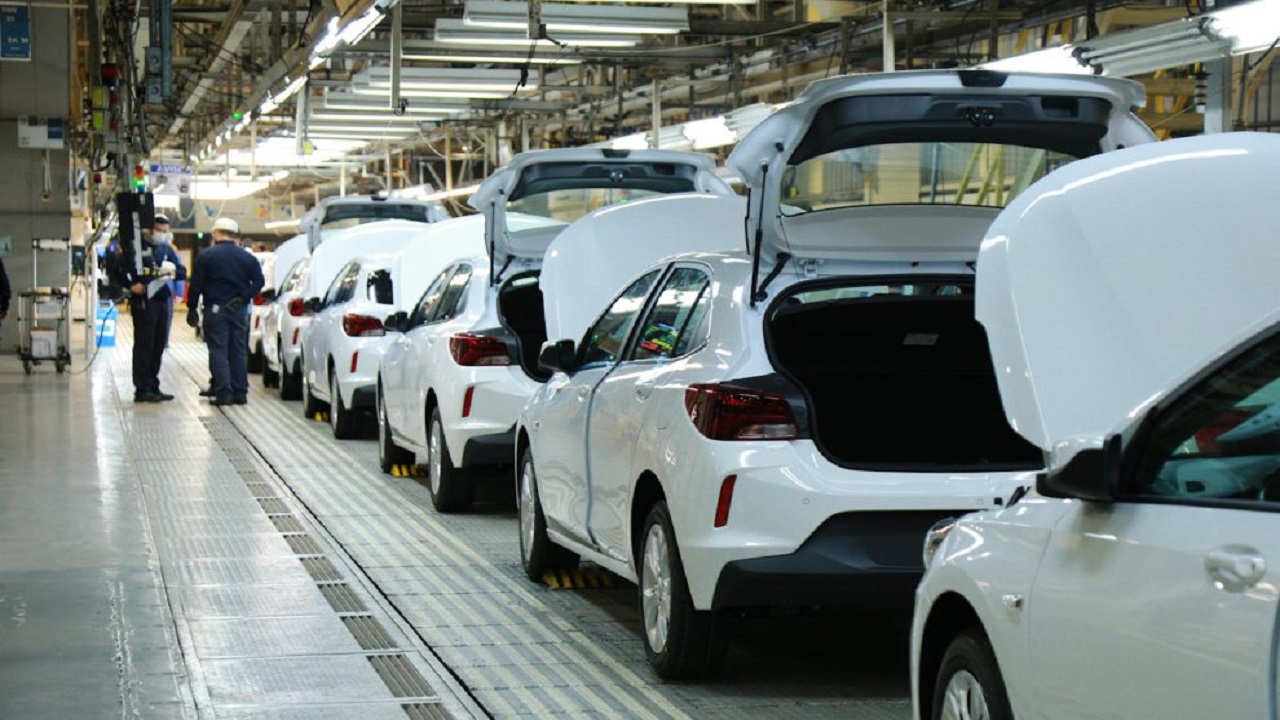
The Semiconductor Crisis Is Just The Start Of The Serious Situation Forming In The Automotive Industry. The Estimate Is That Manufacturing Units Will Stop Producing Completely By The End Of The Year Due To A Lack Of Magnesium, A Key Component In The Production Of Sector Components
According to the Financial Times, a new supply crisis for production lines in the industry is approaching, in addition to the current semiconductor supply issue that automakers have been facing for some time. Experts highlight that the next threat to the automotive industry is a severe magnesium shortage that will affect the entire world. Magnesium is used in various aluminum alloys, and it is highly likely that before the end of the year, the lack of this important material could lead to partial or even total factory closures worldwide.
Read Other Related News
In Addition To The Semiconductor Crisis, The Global Automotive Industry Should Also Worry About The Lack Of Magnesium
There are many automotive parts that use magnesium in their composition, including: body panels, wheels, axles, engine blocks, brakes, suspension plates, fuel tanks, among other parts.
Thus, with aluminum and magnesium interconnected, the likelihood of a supply crisis is very high. Just like in the case of semiconductors, the problem is concentrated in China, as about 85% of the world’s magnesium supply comes from the Asian country.
-
Engineers propose a fourth traffic light for intersections – the change promises to affect crossings, queues, and waiting times.

-
Chevrolet Suburban Z71 lands in Brazil with a V8 engine, off-road design, air suspension, seven seats, and colossal size, a rare version imported for around R$ 1.3 million with luxury and exclusivity.

-
The Chevrolet Onix 1.0 turbo achieves 17.7 km per liter on the highway and ranks among the three most economical cars in Brazil in 2026, alongside two more expensive Toyota hybrids available at dealerships.

-
Little sister of the Hilux: Toyota launches Land Cruiser FJ with 4 radical versions, 2.7 engine with 166 hp and 4×4 traction with locking.

Currently, China is facing a severe energy crisis. Yulin – which is the city that produces the most magnesium in China – had to order the immediate closure of 35 of its 50 production units.
Approximately 15 remaining local units have been instructed to cut their operations by half, which will drastically impact the production volume of the units. This reduction aligns with the short lifespan of magnesium, which oxidizes at a high rate.
Critical Situation In The European Automotive Industry
In Europe, the situation is heading towards a critical phase, with magnesium reserves possibly drying up by the end of this year. In the United States, despite the crisis in the automotive industry, the situation is a bit more optimistic, as the U.S. can also be a global producer of magnesium, although its production capacity is below the Chinese level.
In this way, the automotive industry could recover in the medium term, depending on improvements in the situation in China. But unfortunately, the threat of a severe global problem arising soon remains real and alarming for automotive manufacturing industries. The concern now is how Brazil will deal with the looming crisis.
Currently, some brands are trying to recover from the semiconductor shortage, but some factories have temporarily closed. With the lack of aluminum alloys and the magnesium shortage, the prospects for both Brazilian and foreign industries are likely to worsen in the long term.
The Impact Of The Semiconductor Chip Crisis On Entry-Level Cars
Cars and more cars are waiting for these components to be able to leave the factories. This is one of the main reasons for the absence of entry-level cars in Brazilian dealerships, and those who buy a new one wait months for the vehicle to arrive.
Semi-conductor chips are responsible for modern safety systems, air conditioning, entertainment, transmission, driver assistance, and lighting. With the pandemic, Asian manufacturers of this product had no buyers, as automakers were halting production, so they turned to other markets.
Currently, the semiconductor chip crisis makes the product scarcer and more expensive. As a result, automakers choose to use more sophisticated components only in vehicles that already have a high price, in order to achieve a greater profit margin.










Seja o primeiro a reagir!