





 Português
  Inglês
  Espanhol
  4 min de leitura
  1 comentário


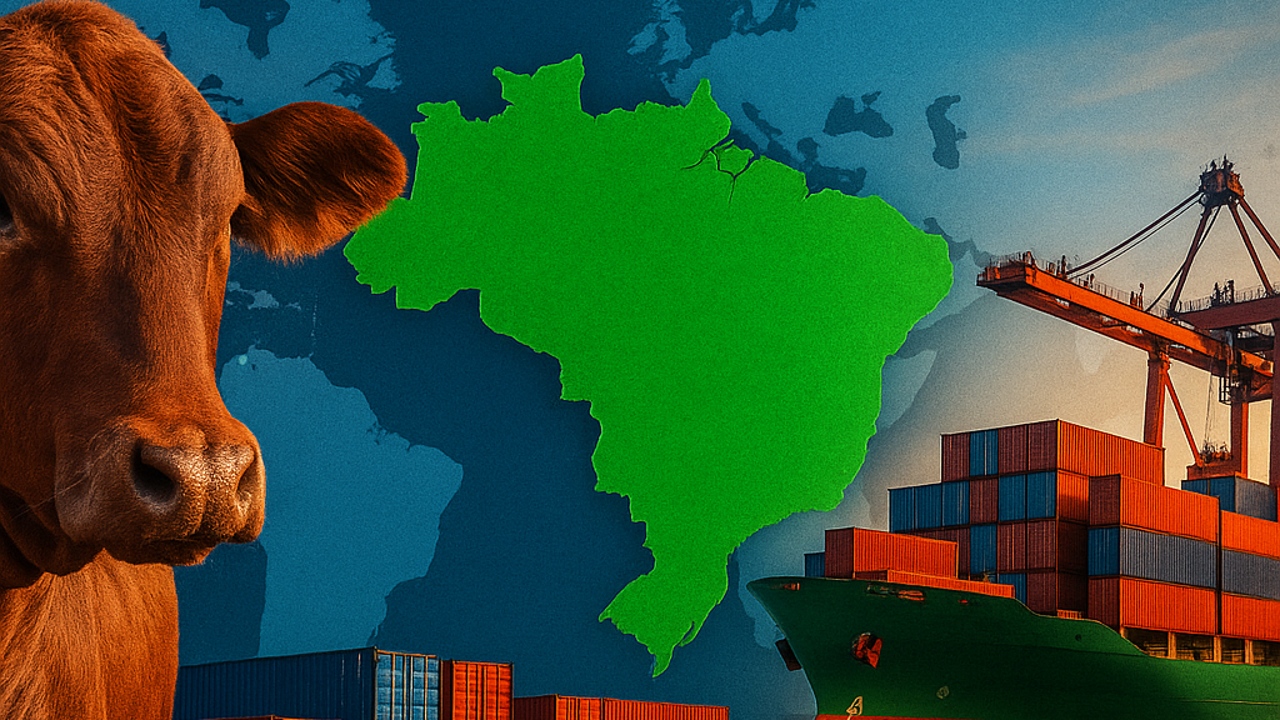

With The Smallest Cattle Herd In The US In 70 Years, Decline In European Production And Retreat In China, Experts Point Out That Only South America Can Prevent A Global Beef Crisis
The global beef market is about to face one of the biggest challenges in recent history: a shortage that could reach 2 million tons by 2026, according to data from Minerva Foods. The reduction of herds in the United States, decline in production in Europe, and retreat in domestic consumption in China create a concerning deficit scenario, which at the same time opens a window of opportunities for South America, especially for Brazil.
US, Europe And China: The Pillars Of Scarcity
The crisis begins in the United States, which is currently facing the smallest cattle herd in 70 years. This affects not only domestic supply but also important partners like Mexico, a traditional buyer of American beef.
In Europe, the situation is equally critical. Issues related to the common agricultural policy, higher production costs, and environmental pressures have reduced livestock activity. China, the largest global consumer, is experiencing a retreat in the size of its herd, limiting domestic supply at a time when internal demand continues to grow.
-
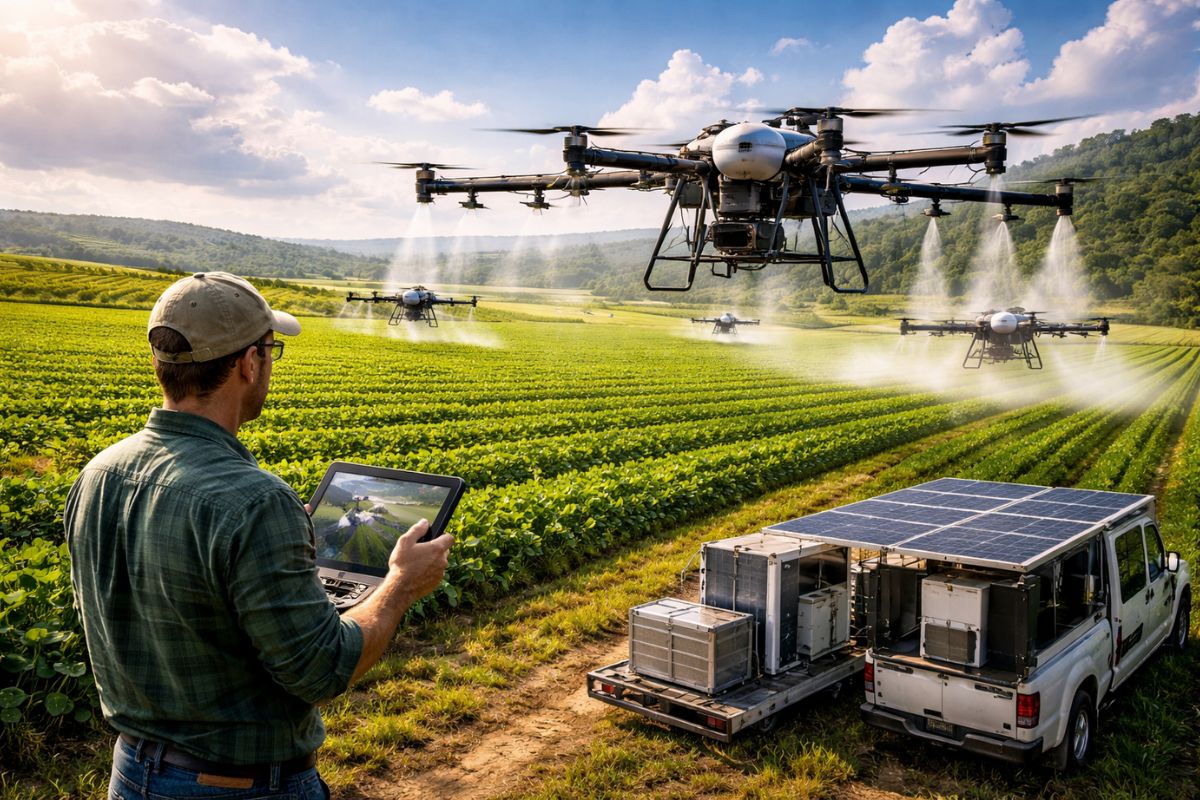
Alone, the producer applies 7,400 hectares with the T100 drone in an optimized structure, replaces the generator with a silent battery, and demonstrates how technology reduces costs, increases productivity, and even challenges the uniport in the field.
-
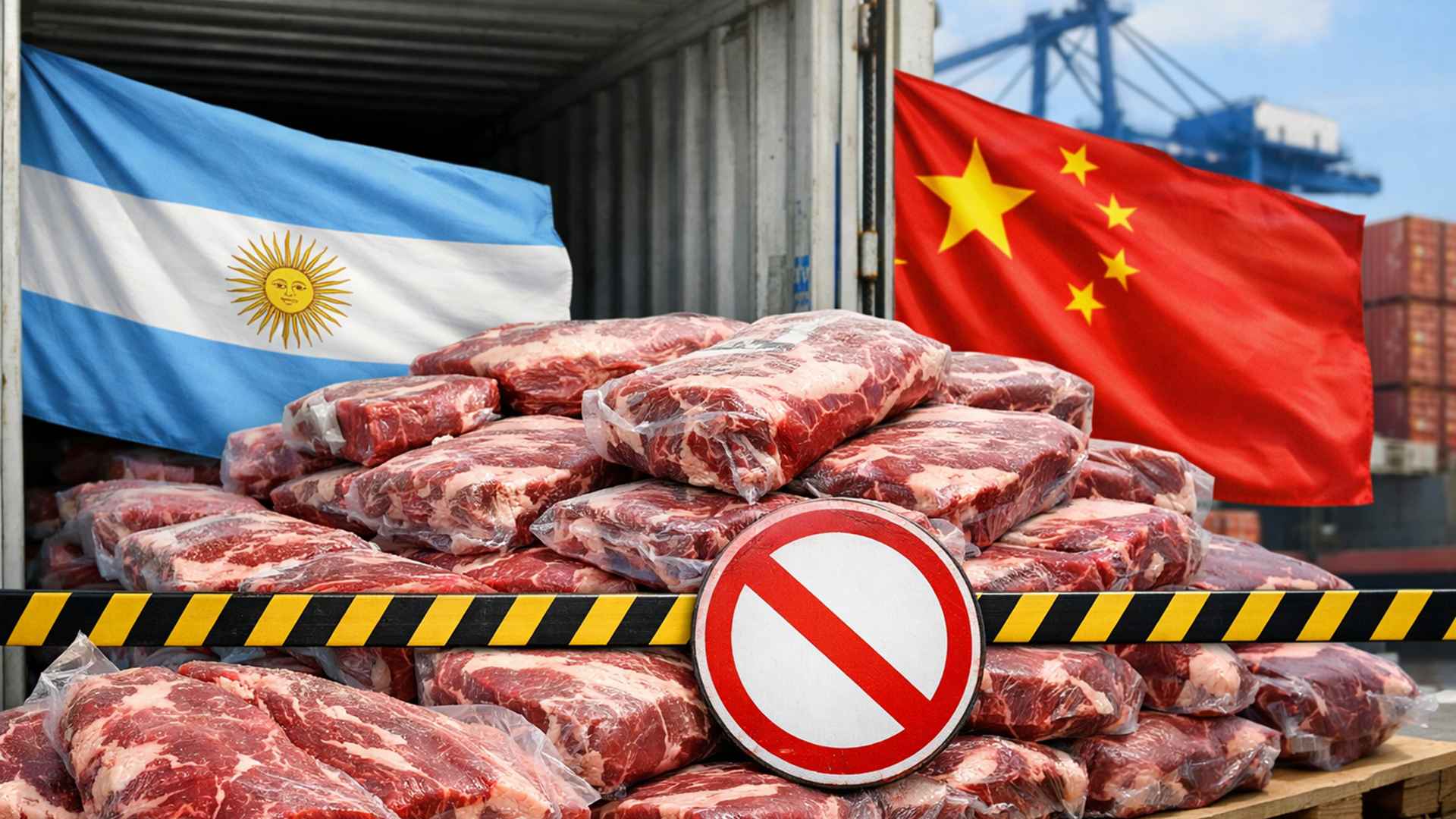
China banned the export of 22 tons of meat from Argentina.
-
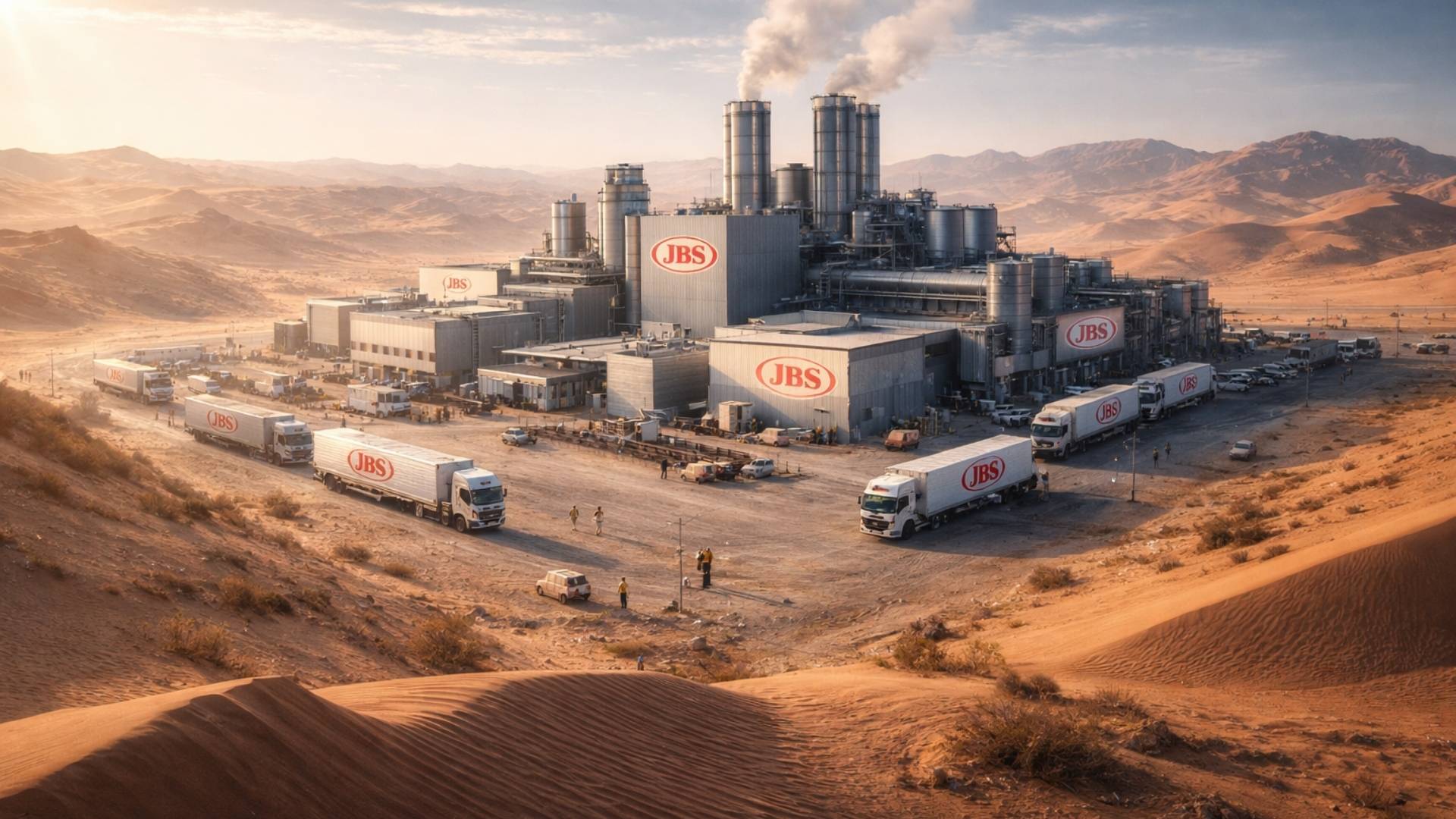
JBS, founded by the Batista brothers, continues to conquer the world: entrepreneurs built a ‘factory in the desert’ creating 3,000 jobs.
-
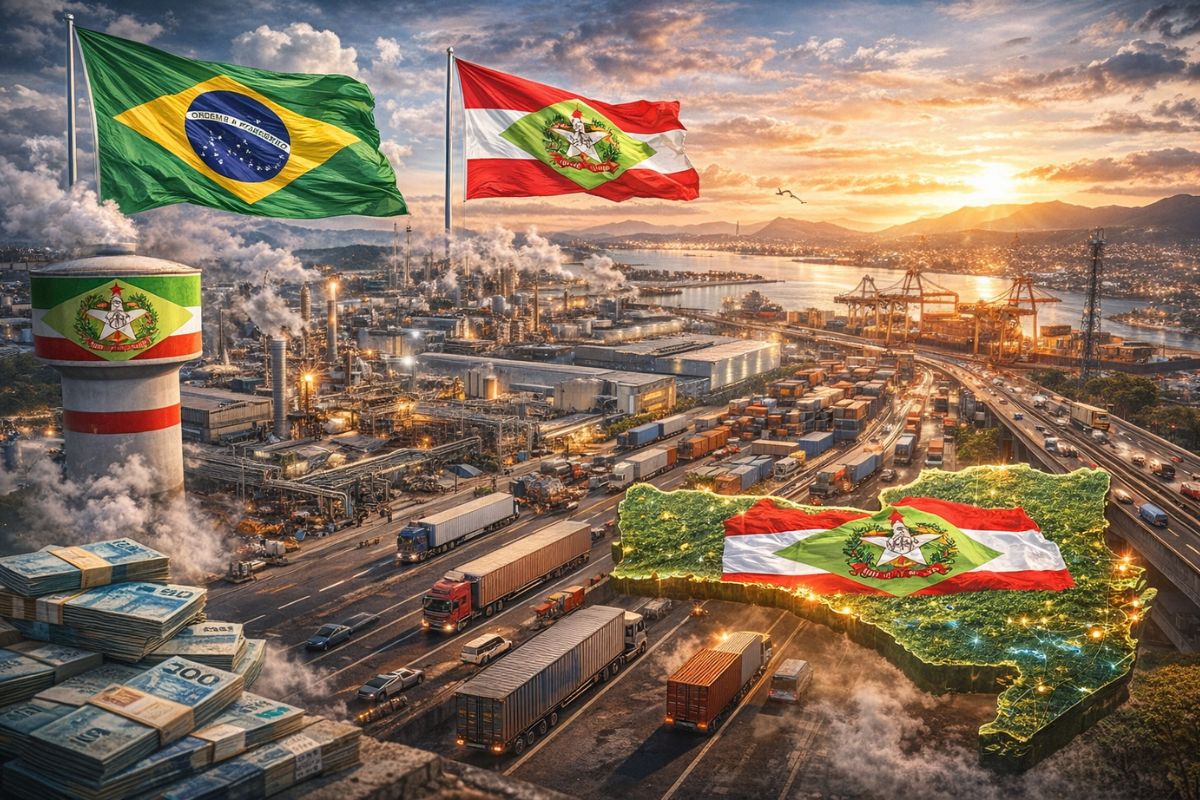
With only 1% of Brazil’s territory, Santa Catarina has built one of the most competitive industrial parks in the country, with 64,000 companies, nearly 1 million jobs, and a growth rate of 5.3% while the national industry is practically stagnant.

This situation in the US, Europe, and China explains a large part of the global deficit that is emerging. The immediate consequence is an open space for South American countries like Brazil, Argentina, Uruguay, Paraguay, and Colombia.
Minerva Foods And The Expansion In South America
Minerva Foods, one of the largest meat processors in the region, is also one of the companies that are moving the most to take advantage of the moment. Recently, it completed the integration of 13 plants acquired from Marfrig, a move that significantly expanded its production capacity.
According to the CEO, Fernando Galletti de Queiroz, “South America has never occupied so much space in the international market, and every day new markets are opening… we are breaking records with and without tariffs.”
The company is already projecting a 10% increase in production by 2026, particularly targeting markets like Mexico and Japan, which are being directly impacted by the trade war between the United States and China.
The CFO, Edison Ticle, adds that the current context guarantees at least two years of an extremely favorable scenario for South American exporters. For him, it will only be by 2028 that the United States is expected to restore its herds, leaving space for Brazil and its neighbors to gain even more strength.
Brazilian Competitiveness: Costs And Productivity
One of Brazil’s major differentiators is cost competitiveness. While the US deals with high prices for imported inputs, Brazil has advanced in productivity and technology.
Consultant Alexandre Mendonça de Barros (MB Agro) explains: “more than 70% of North American agricultural inputs come from China and India, and 90% of potassium is imported from Canada.” This dependence raises production costs in the US, reduces margins, and has already led to the closure of slaughterhouses and a decrease in slaughtering.
In Brazil, the scenario is different. Besides having a herd of approximately 200 million head, the country has made progress in using genetics, intensive management, and digital technology. If it reaches US productivity standards — 400 kg per carcass compared to the current 300 kg — Brazil could double its annual production.
Technology: The Bet To Gain Market
Technological innovation is central to this change. Minerva estimates annual gains of R$ 288 million from the use of artificial intelligence applied to carcass classification, cattle trading, logistics, and pricing.
Another advancement comes from the increasing use of DDG (Dried Distillers Grains), a byproduct of corn ethanol used as feed. This input has revolutionized feedlots near ethanol plants, allowing for faster weight gain, shorter time to slaughter, and much more efficient logistics.
These combined factors are making Brazilian beef an increasingly competitive product capable of meeting demanding markets.
Outlook For 2025, 2026 And Beyond
For 2025, Minerva projects revenue between R$ 50 billion and R$ 58 billion and EBITDA of R$ 4.7 billion to R$ 5.2 billion, consolidating its position as one of the largest exporters in the world.
Analysts highlight that the years 2026 and 2027 will be decisive: the decline in supply in the US, Europe, and China, combined with the growth in global demand, will place South America at the center of attention.
As Fernando Queiroz summarizes: “this window will be more important in 2026 and 2027. With the United States at its smallest herd, Europe devastated in production, and China reducing its herd, South America will take center stage globally.”
In light of this outlook, Brazil not only reinforces its leadership in exports but takes on a strategic role in global food security. The productive scale, competitive costs, and investment in technology put the country in a unique position to meet the approaching scarcity.
Leave your opinion in the comments.








En iyi Su Arıtma cihazı olarak Hidrojenli, bakır ve çinko destekli, -300 ORP değeri ile güçlü antioksidan özellik gösteren alkali