





 Portuguese
  English
  Spanish
  5 min of reading
  0 comments


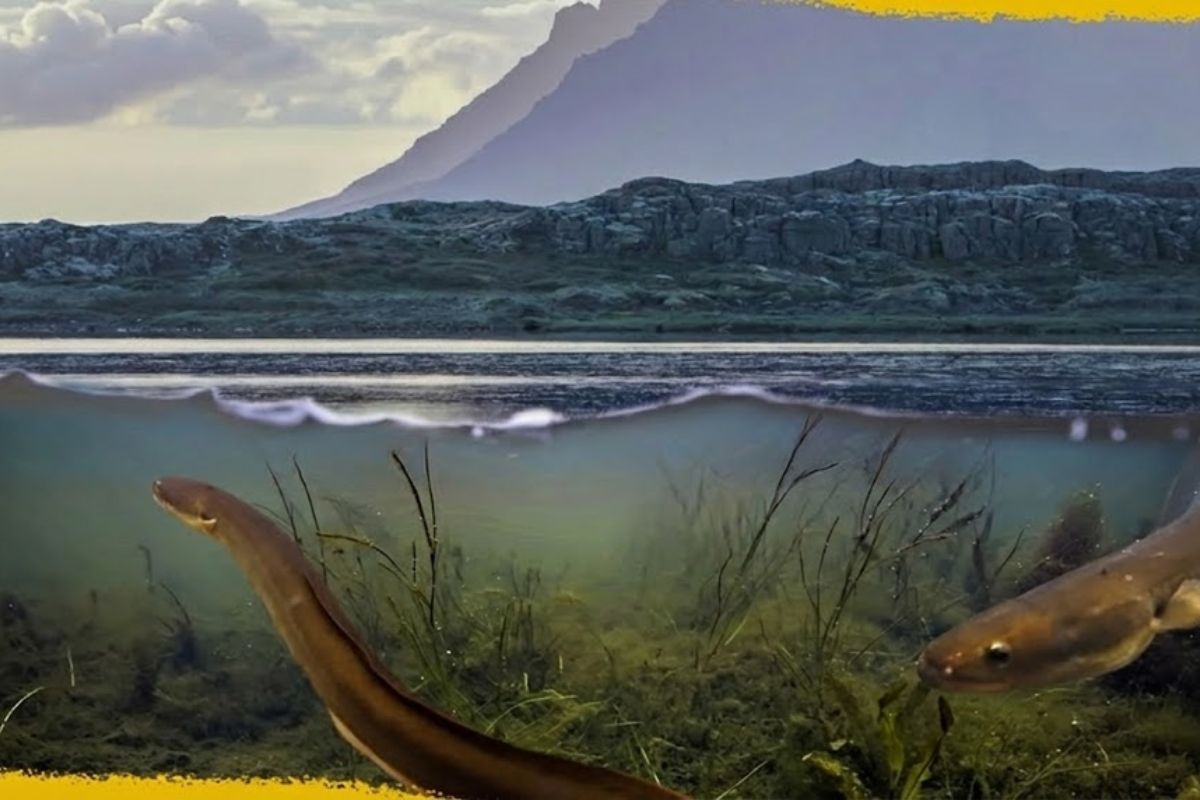
Project in Iceland Swamp Eliminates Drainage Channels, Restores Natural Water Flow, Reconnects Ecosystems, Helps Critically Endangered Eels, Recovers Carbon-Storing Peatlands and Creates a Lively Mosaic of Lakes, Streams, Birds and Wildlife Again.
The Icelandic swamp is undergoing a profound transformation, with excavators undoing artificial ditches that drained the landscape for decades and returning water to its natural course. The intervention aims to restore the original hydrological dynamics by reconnecting lakes and streams that had been separated by human-made channels.
By recovering the swamp, the project also reopens pathways for threatened migratory fish, strengthens bird habitats, and rehydrates peatlands that have been accumulating carbon for thousands of years. The goal is to convert a degraded area into a functional wetland system, diverse and again integrated into the natural flow of the region.
The Ditches That Drained the Swamp Throughout the 20th Century

Much of the ditches present in the swamp were excavated in the 20th century to drain wetlands and expand areas for agriculture and grazing. These channels altered the local hydrology, lowering the water level and drying extensive peatlands.
-
China accelerates global science and may surpass the United States in 2 years with increased public investment, continuous growth, and direct impact on the global technological competition.

-
Scientific studies indicate that drought may be strengthening a much greater silent threat: more resistant superbugs.
-
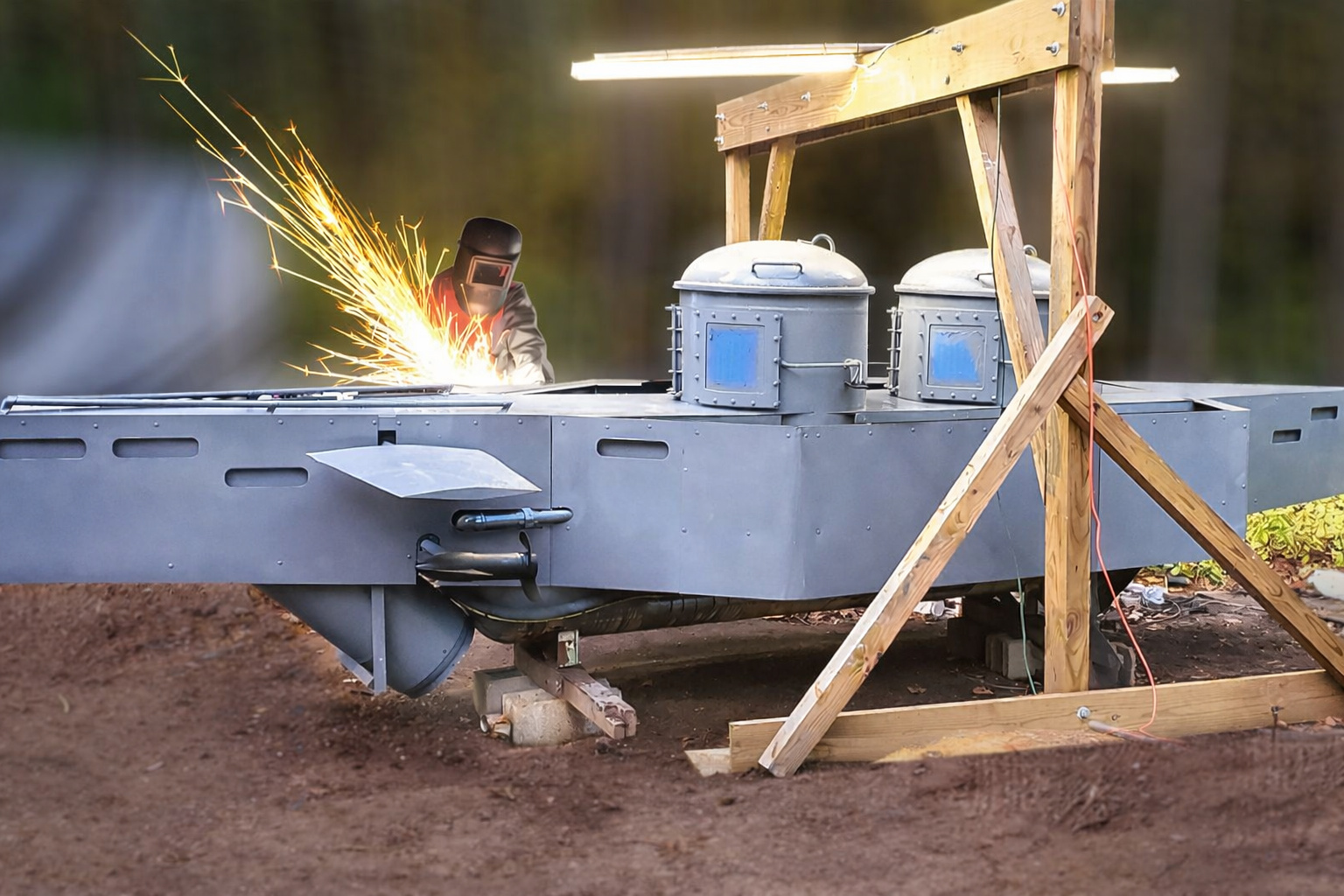
Man builds functional 5-meter submarine in his garage using gas cylinders, PVC pipes, and a refrigerator motor, and navigates with the vessel on a lake in Colombia.
-
Millions of people have been eating yam for centuries without knowing that this humble tuber contains a compound called diosgenin, which scientists have now discovered can improve memory and help control blood sugar levels.


Some of these ditches are so deep that a person can stand inside them. They act as permanent drains, removing water from the soil and directly affecting plants, birds, and migratory fish that depend on waterlogged environments.
Peatlands of the Swamp Store Carbon for Millennia

Peatlands are formed by partially decomposed plant matter that accumulates in waterlogged soils over thousands of years.
With little oxygen available, decomposition is slow, allowing carbon to be stored in the soil.
When the swamp is drained, the peat dries out and begins to release carbon. The ditches affect not only the excavated channel, but the entire surrounding area, because they lower the groundwater table and turn wet soils into dry surfaces.
The project aims to close over three kilometers of ditches, which will allow the restoration of 216 hectares of peatlands. This area is equivalent to about 300 football fields, demonstrating the scale of the planned recovery.
Rehydration Gives Life Back to the Swamp Soil
The solution to drainage is straightforward. If a ditch was opened to dry the peat, it can be closed to rewet the ground.
By blocking the channels, water slowly spreads back into the soil, recreating ideal conditions for mosses, reeds, and grasses adapted to flooded environments.
The swamp begins to function as a natural sponge, maintaining consistent moisture and supporting vegetation typical of wetlands. This process is essential for stabilizing the ecosystem and preventing further carbon loss.
Icelandic Swamp Is a Strategic Paradise for Birds
The area is at the northern edge of the Eastern Atlantic migratory route, a vital corridor linking Africa to the Arctic. This transforms the swamp into a crucial point for birds that breed and rest during migrations.
The environment provides protected spots for nesting and an abundance of food. Each small tuft of vegetation can become shelter, and the proximity to fresh water ensures a constant supply of prey. The landscape functions as a large natural refuge for different species.
Hills formed by the accumulation of bird droppings over thousands of years show the continuous use of the area as a nesting territory. These natural mounds reinforce that the swamp is already, and can again fully be, a biodiversity hotspot.
Water Reconnection Is Vital for Migratory Fish
In addition to peatlands and birds, the connectivity of fresh water is a central part of the swamp restoration. The erosion of ditches created drops and unevenness that act as barriers for migratory fish and eels.
These obstacles prevent species from reaching larger lakes upstream. The solution involves reshaping sections with step pools and closing artificial channels, allowing water to flow again through more natural and winding courses.
In some places, ditches that cut through old streams will be blocked so that water can return to its original bed. In others, the connection between lakes will be reestablished with shallower and horizontal channels, facilitating the passage of fish.
European Eel Depends on Swamp to Survive
Among the benefited species is the European eel, classified as critically endangered. Its life cycle begins in the Sargasso Sea in the Atlantic, from where the larvae travel through ocean currents to Europe.
After years in the ocean, young eels enter rivers and wetlands like this swamp. There, they grow for up to two decades before returning to the sea to reproduce. Any barrier along the way interrupts this delicate cycle, making water reconnection essential.
Surveys with electric fishing have identified where certain species are absent precisely because of the barriers created by ditches. This data guides which sections need to be prioritized for restoration.
Closing Ditches Removes Barriers and Recreates Natural Courses

The project includes closing Y and L-shaped ditch systems, as well as reconfiguring channels that currently divert water artificially. In some cases, the ditch will be temporarily kept open to preserve spawning areas already used by fish.
In other areas, the intervention will reconnect three lakes and a stream, restoring the total connectivity of the system. The goal is to allow continuous flow between lakes, streams, and the sea, which is essential for migratory species.
Investment Transforms Degraded Landscape Into Living Ecosystem
The total cost of the project is 137,000 euros. This amount covers the closing of 3,000 meters of ditches, the reshaping of four major obstacles, the reconfiguration of waterways, and environmental monitoring.
The initiative combines peatland restoration, water reconnection, and recovery of bird and fish habitats into a single integrated effort.
The swamp ceases to be a drained marsh and returns to being a pulsing wetland system, with water, wildlife, and restored ecological functions.
By returning water to the soil, reconnecting lakes, and paving the way for threatened species, the project demonstrates how engineering can be used to rebuild ecosystems instead of degrading them.
Do you think wetland restoration projects like this should receive more investment around the world?






-

-

-

-

-

-

48 pessoas reagiram a isso.