





 English
  Francês
  Alemão
  Italiano
  Japonês
  Norueguês
  Portuguese
  Spanish
  6 min of reading
  0 comments


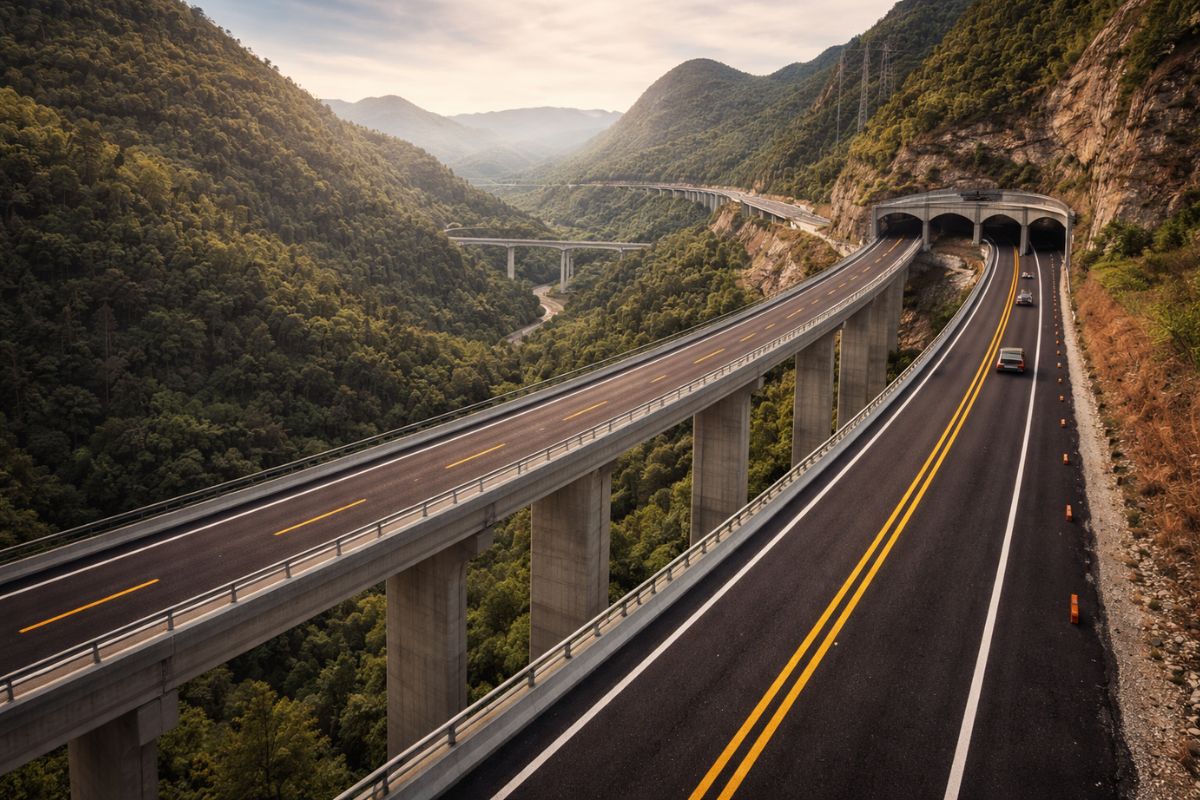
The project for the duplication of BR 262 foresees R$ 8.6 billion in investments, 180 kilometers of roads, 4 tunnels, 40 km of bike paths, and dozens of viaducts and bridges to overcome the terrain of the Serra region of Espírito Santo, with bidding expected for the second half of 2026
The duplication of BR 262 is about to become the largest engineering project ever undertaken in Espírito Santo. Data from the project prepared by the National Department of Transport Infrastructure (Dnit) reveal the scale of the undertaking: 50 viaducts, 28 bridges, 4 tunnels totaling 2 kilometers in length, 6 exclusive pedestrian walkways, and 40 kilometers of bike paths. The estimated budget reaches R$ 8.6 billion, spread over 180.6 kilometers of roads that will cut through the most complex mountainous region of the state.
The main bidding, which covers the section of the Serra region considered the most difficult to construct, is scheduled for the second half of 2026. The federal government decided to fund the duplication of BR 262 with public resources after all previous attempts at concession failed, as no concessionaire deemed the project commercially viable. The second phase, up to the border with Minas Gerais, will be executed under a concession regime as it is a less complex section.
What the project for the duplication of BR 262 foresees in numbers

The numbers of the project are impressive and place the duplication of BR 262 at a level that Espírito Santo has never faced in terms of road engineering.
-
A project of nearly 9 million reais already has the first kilometer paved in Santa Catarina and promises to completely transform the access between Jaraguá do Sul and Rio dos Cedros in an area where tourism is growing at a rapid pace.
-
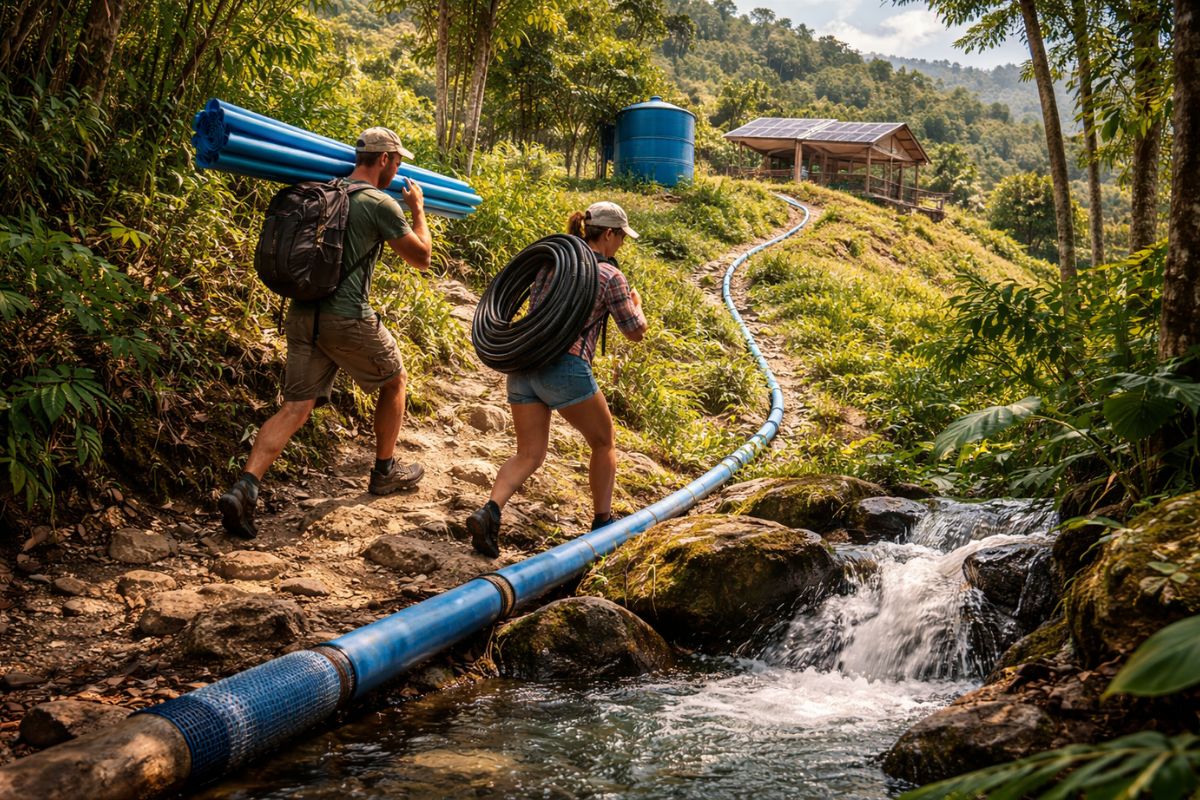
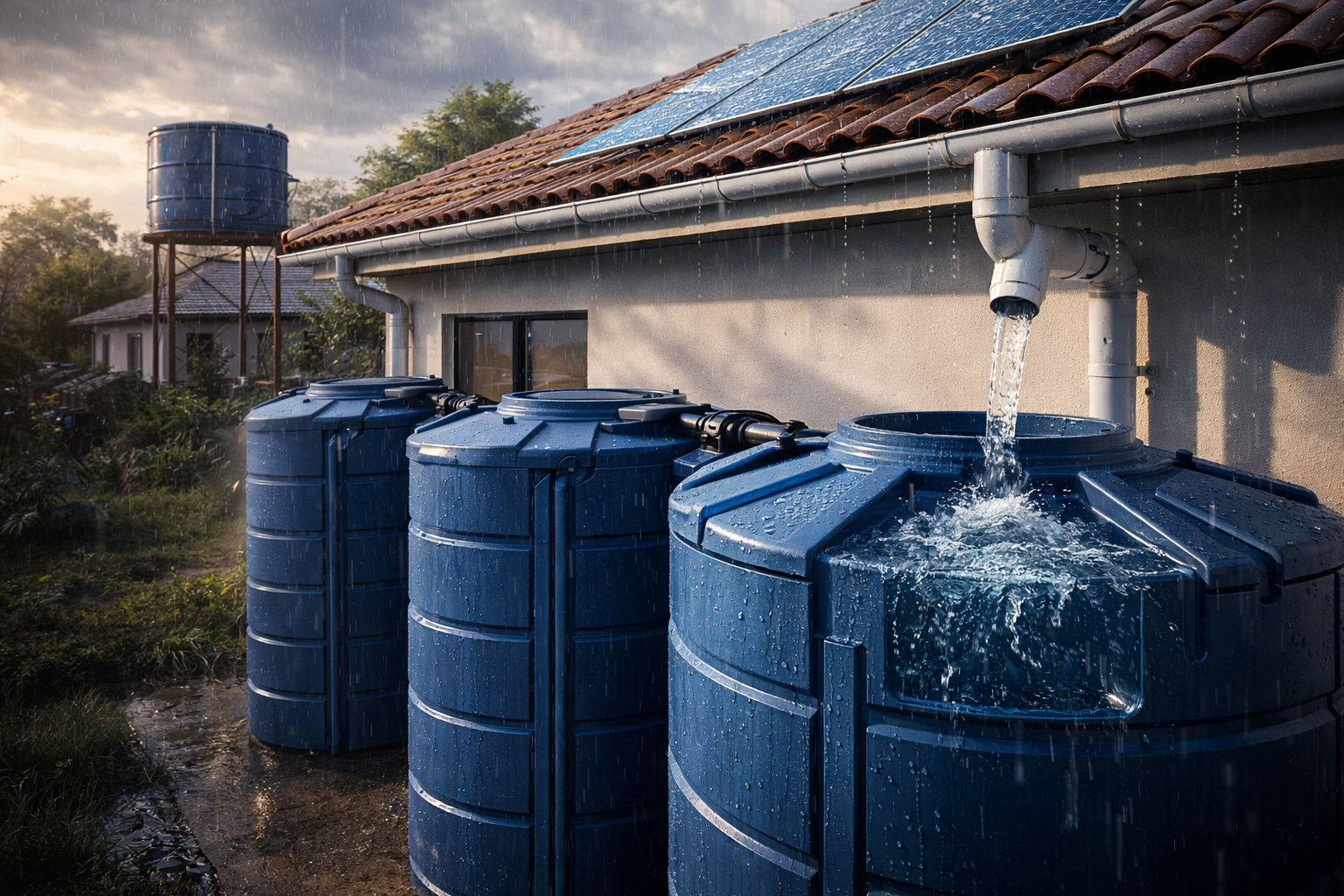
A couple builds a system to bring water from the spring to their land, climbs a hill with materials on their backs, and creates a simple, cheap, and sustainable solution to ensure their own water supply.
-
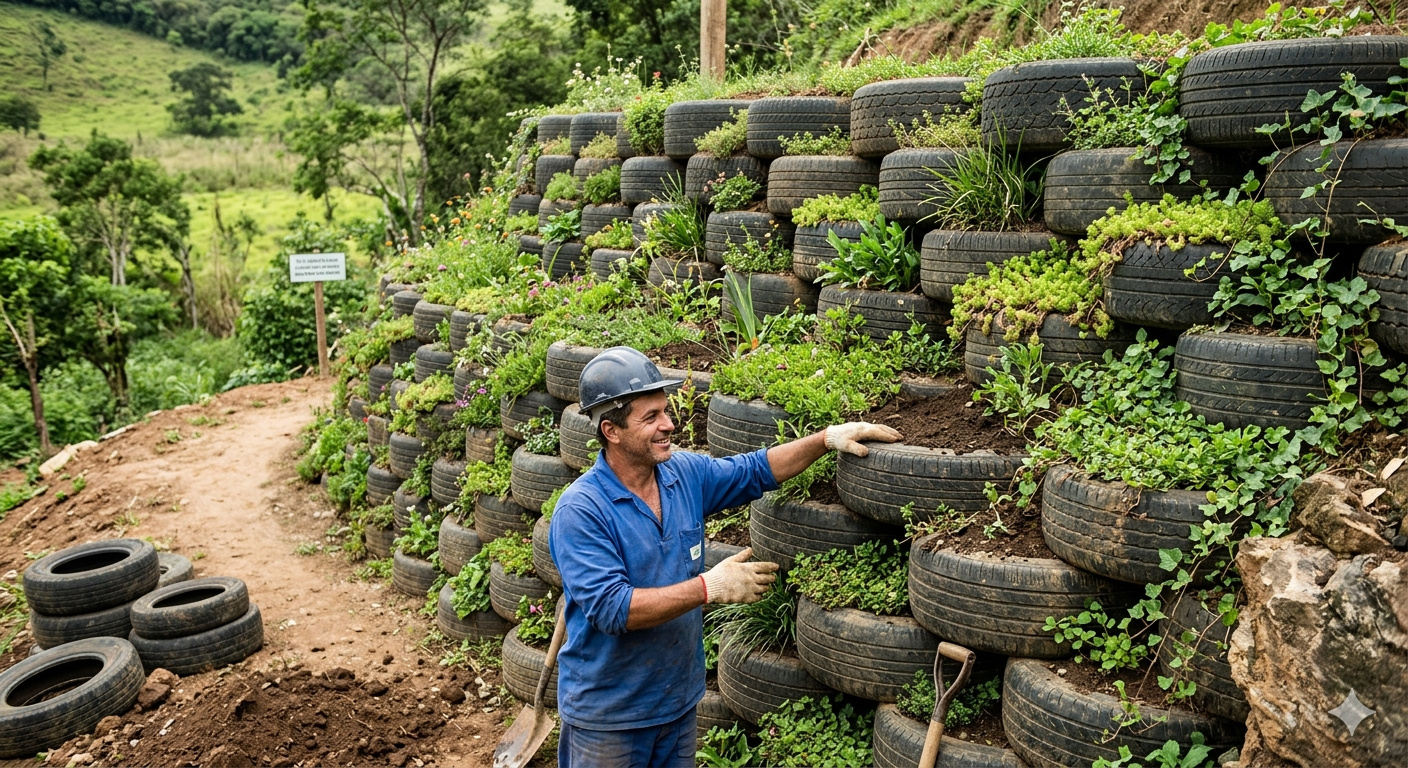
Goodbye expensive retaining wall: builder teaches how to create an ecological structure with recycled tires that holds the soil, reduces costs, and repurposes materials that would go to waste.
-
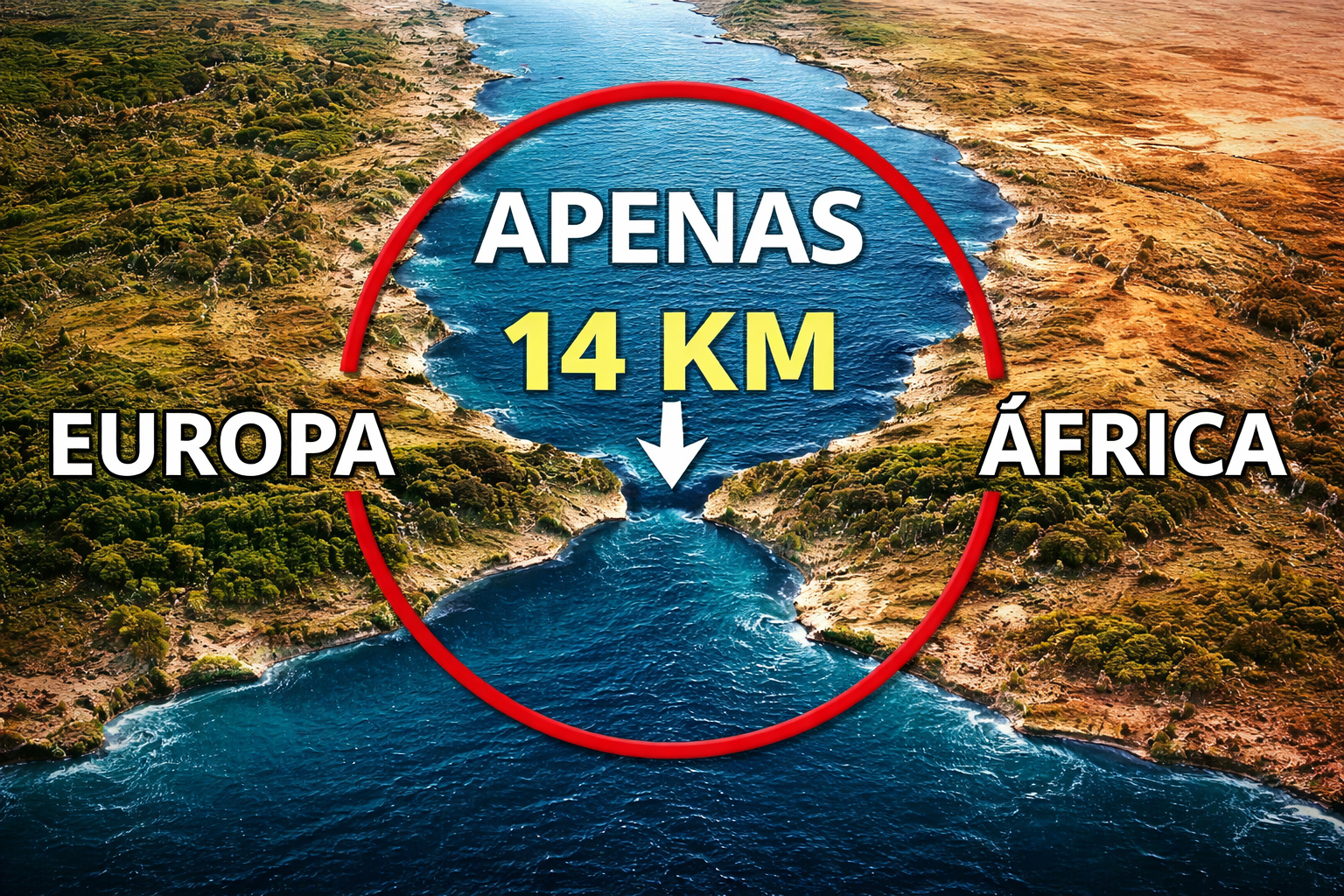
For 45 years, Spain and Morocco have been trying to connect Europe to Africa through a project of just 14 kilometers in the Strait of Gibraltar, and an active tectonic fault on the seabed continues to make the project nearly impossible.

In addition to the 50 viaducts and underpasses, the 28 bridges, and the 4 tunnels, Dnit foresees 176.8 thousand square meters of special art works, 31 grade-separated intersections, 24 operational returns, and 22.6 kilometers of urbanized sections.
The expectation is that the state will gain a highway comparable to the Imigrantes, which cuts through the mountainous terrain of São Paulo.
The inclusion of 40 kilometers of bike paths and 6 exclusive pedestrian walkways indicates that the project goes beyond simply increasing road capacity.
The duplication of BR 262 incorporates elements of urban mobility and road safety that did not exist in the original layout of the highway, transforming the relationship between the municipalities of the Serra region and the rest of Espírito Santo.
Structures planned in the duplication project
| Structure | Quantity |
| Viaducts and underpasses | 50 |
| Bridges | 28 |
| Tunnels (totaling 2 km) | 4 |
| Exclusive walkways | 6 |
| Bike paths | 40 km |
| Grade-separated intersections | 31 |
| Operational returns | 24 |
| Urbanized sections | 22.6 km |
Why the Serra region is the most difficult section of the entire duplication of BR 262

The Serra region of Espírito Santo presents the greatest geological and topographical challenges of the entire route. The current road is marked by sharp curves, steep inclines, and sections where the mountainous terrain requires engineering solutions that go far beyond simple paving.
It is in this section that most of the viaducts, bridges, and tunnels planned in the project are concentrated, precisely because the terrain does not allow for the construction of a conventional highway at grade.
For comparison, the largest engineering project ever undertaken in Espírito Santo to date was the Mestre Álvaro Bypass, with 19.7 kilometers built over swampy soil in the Serra.
That project cost R$ 456 million and took four years to complete. The duplication of BR 262, with a budget 15 times larger and a length almost ten times greater, completely redefines the scale of road infrastructure in the state.
How the project is divided into phases and lots
The duplication project of BR 262 in Espírito Santo has been divided into two phases, totaling five lots. The first phase covers the Serra region, from the junction with BR 101 to Conceição do Castelo, and focuses on the sections of greatest technical complexity.
The state government has committed to allocate R$ 2.3 billion from the reparations agreement for the 2015 Mariana dam collapse for this first stage.
The first three lots make up the first phase. Lot 1 goes from km 15.9 to km 50.8, with 34.9 kilometers of duplication plus 28.8 kilometers of restoration, at a cost of R$ 3 billion. Lot 2 continues to km 86.9, in Domingos Martins, with 36.1 kilometers and a cost of R$ 1 billion.
Lot 3 goes up to km 120.9, in Conceição do Castelo, with 34 kilometers and a cost of R$ 1.9 billion.
The second phase, which will be executed under a concession regime, includes Lots 4 and 5 and goes from Conceição do Castelo to the border with Minas Gerais.
Lot 4 covers 36.1 kilometers to Ibatiba, at a cost of R$ 1.5 billion, and Lot 5 extends for 39 kilometers to Rio José Preto, at a cost of R$ 1 billion. These sections have less rugged terrain, making the concession commercially viable.
Why previous bids failed and the federal government took over the project
Over the past decades, both the federal and state governments have attempted several times to bid for BR 262 under the concession model, similar to that adopted for BR 101. The logic was simple: a concessionaire would take over the duplication, drivers would pay tolls, and the funds would finance the works.
All bids were deserted because the cost of duplicating BR 262 in the Serra region was deemed too high to be commercially viable.
In light of the repeated failures, the federal government changed its strategy. Instead of waiting for a concessionaire willing to tackle the project, it decided to carry out the work with public funds and only consider concession after the highway is completed.
The main bidding, based on technical and price criteria, is scheduled for the second half of 2026. In April 2026, the supervision of the work and the registration will be bid.
What changes in Espírito Santo when the duplication of BR 262 is completed
The duplication of BR 262 will redesign the logistics of all of Espírito Santo. The highway is the main connection between the capital Vitória and the interior of the state, as well as the route that links the coastal region of Espírito Santo to Minas Gerais.
With the duplication, travel time will be reduced, road safety will increase drastically, and the flow of goods will gain efficiency in a region that currently suffers from congestion, accidents on sharp curves, and sections without shoulders.
For the municipalities of the Serra region, the project means real integration with the rest of the state. Cities like Domingos Martins, Venda Nova do Imigrante, and Conceição do Castelo depend on BR 262 for tourism, commerce, and essential services.
The presence of bike paths, walkways, and urbanized sections in the project indicates that the duplication of BR 262 will not just be a wider highway, but an infrastructure designed to serve pedestrians, cyclists, and communities living along the road.
The duplication of BR 262 represents the largest investment in road infrastructure in the history of Espírito Santo. It is R$ 8.6 billion to overcome the most challenging terrain in the state with 50 viaducts, 28 bridges, and tunnels totaling 2 kilometers drilled into the rock.
After decades of failed attempts, the project finally has a date to come to fruition. The first step will be the bidding in the second half of 2026.
Do you frequently use BR 262? Do you believe this project will come to fruition on time or do you fear more delays like those that have marked the history of this highway? Leave your opinion in the comments and share this article with those who need to know what is coming on this road.





Seja o primeiro a reagir!