





 Português
  Inglês
  Espanhol
  3 min de leitura
  3 comentários


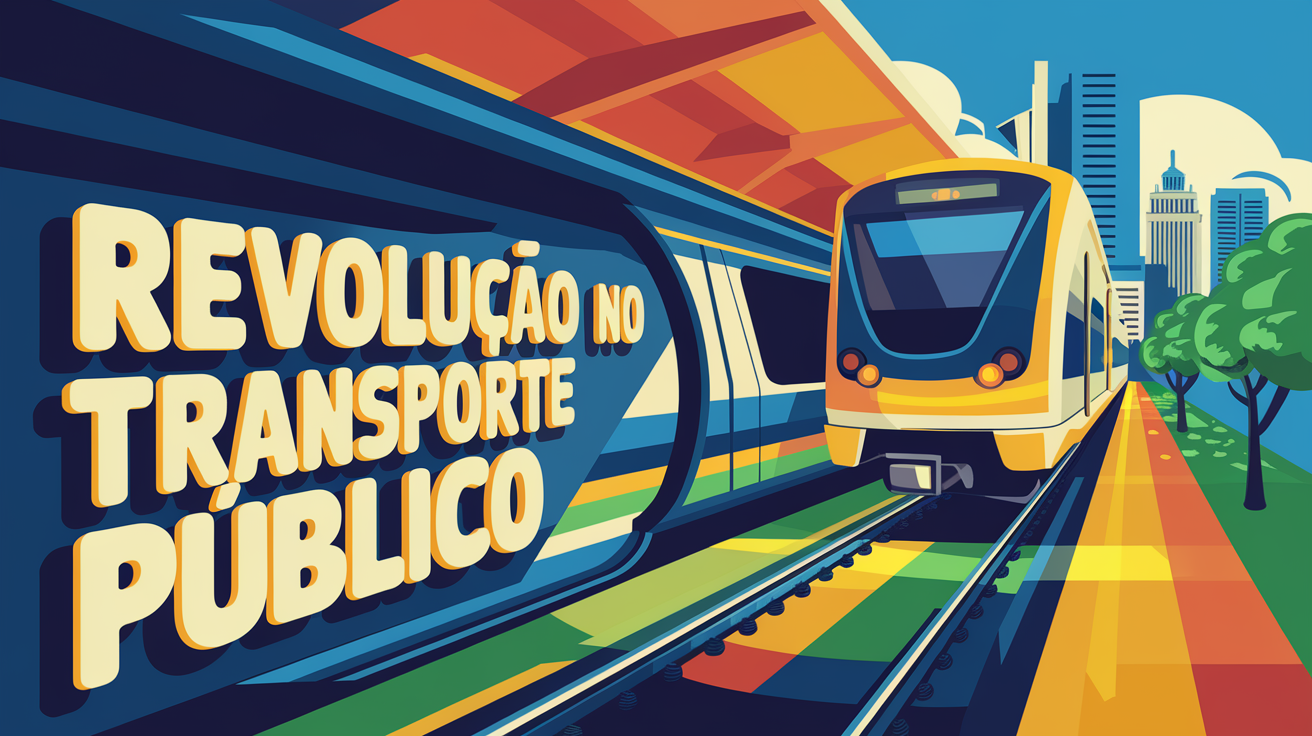


Government Announces Program That Plans to Expand by One Thousand Kilometers the State’s Rail Network. With an Estimated Investment of R$ 194 Billion, the Project Includes Intercity Trains, VLTs, Urban Trains, and Metro, Aiming to Improve Urban and Interurban Mobility and Generate About 150,000 Jobs.
Imagine a São Paulo connected by modern trains, fast and more sustainable travels. This is the ambitious goal of the São Paulo government with the “SP nos Trilhos” program, launched in 2024.
With colossal investments and a promise to significantly improve urban and interurban mobility, the project aims to expand the state’s rail network by one thousand kilometers.
The plan includes more than 40 initiatives, such as intercity trains (TICs), light rail vehicles (VLTs), metro, and urban trains.
-
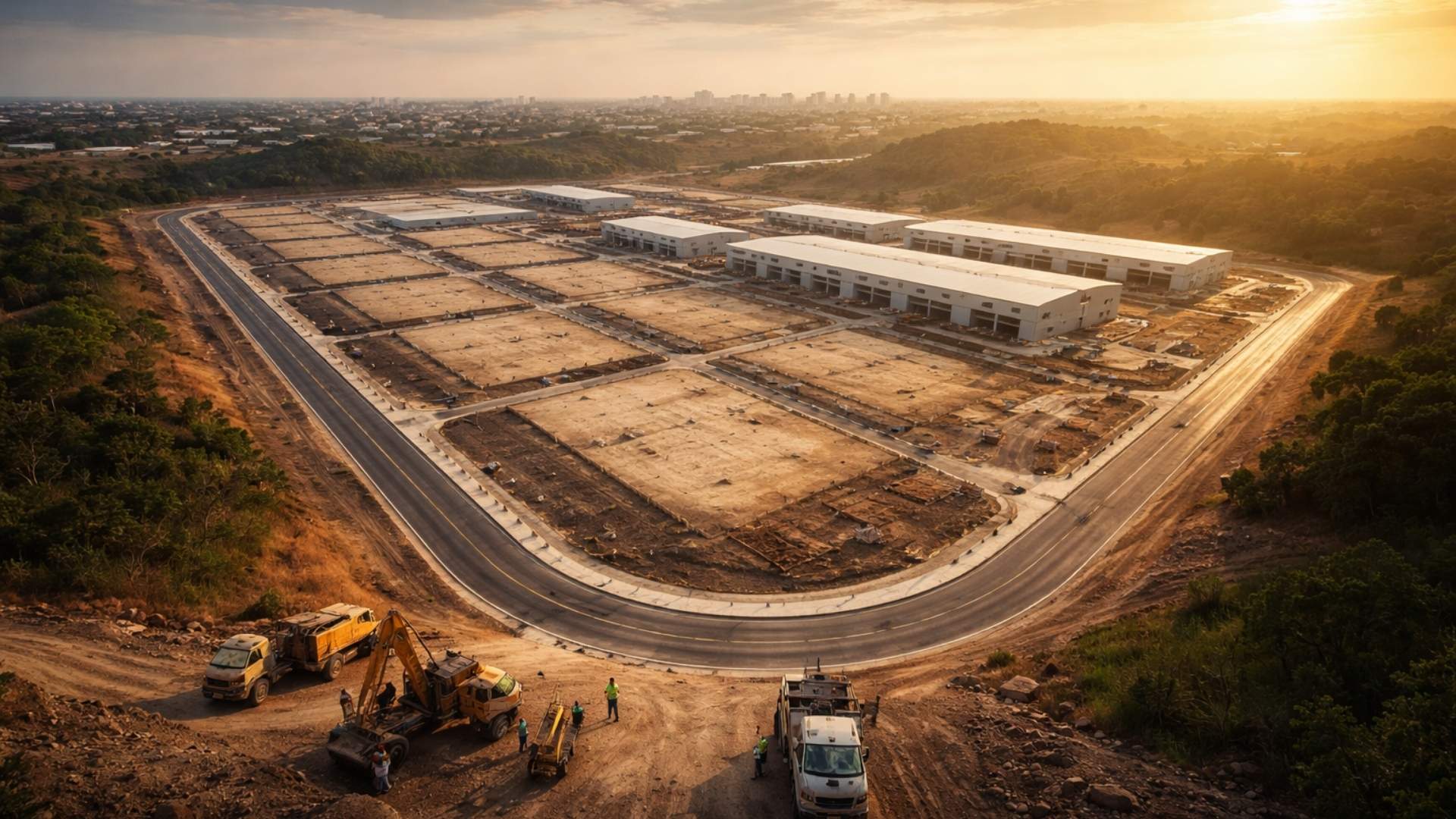
Brazilian city gains industrial hub for 85 companies that is equivalent to 55 football fields.

-
Peugeot and Citroën factory in Argentina cuts production by half and opens a layoff program for more than 2,000 employees after Brazil drastically reduced purchases of Argentine vehicles.

-
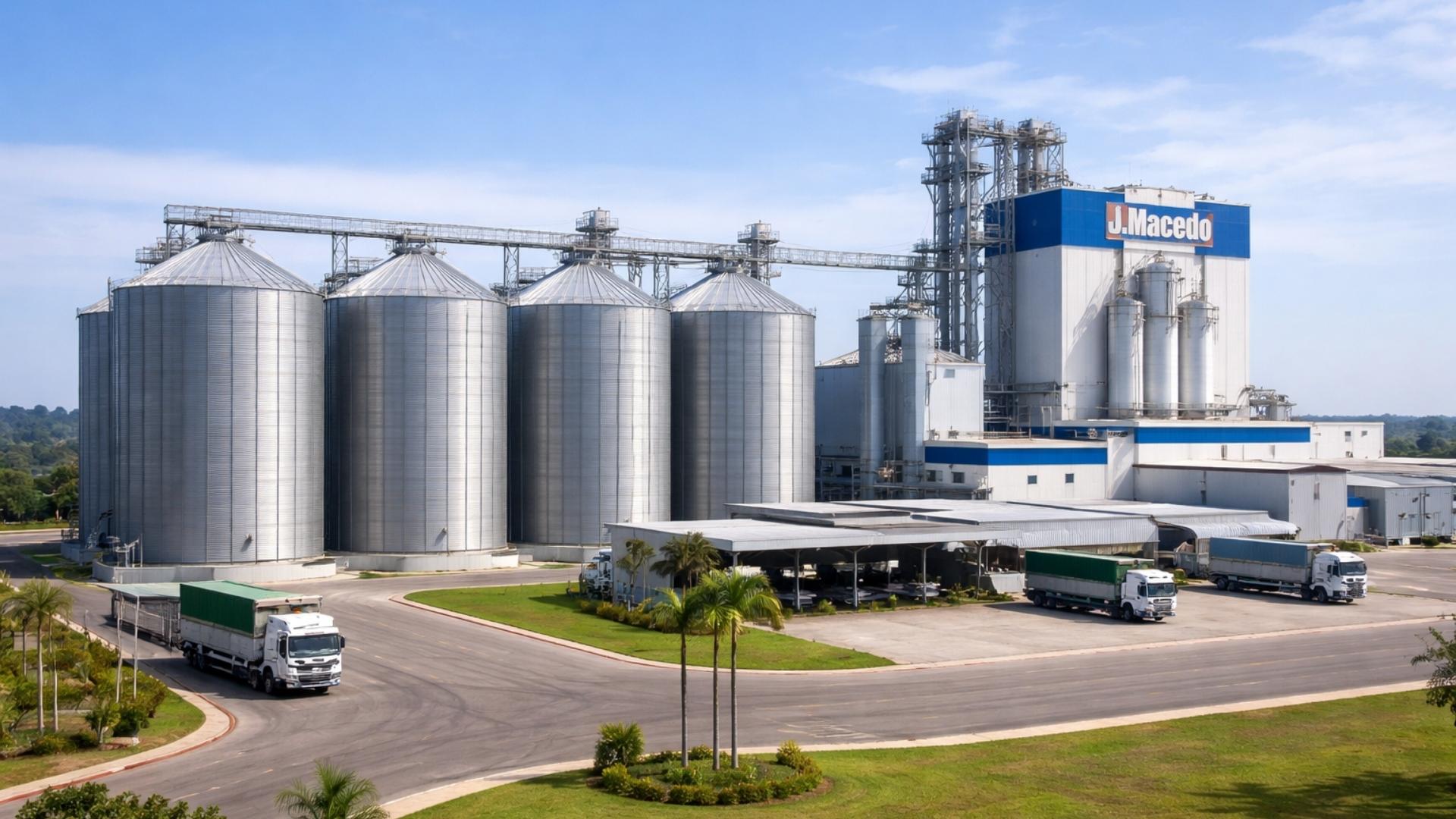
A Brazilian city gains a factory worth R$ 300 million with the capacity to process 200 thousand tons of wheat per year, a mill of 660 tons/day, silos for 42 thousand tons, and an industrial area of 276 thousand m².
-
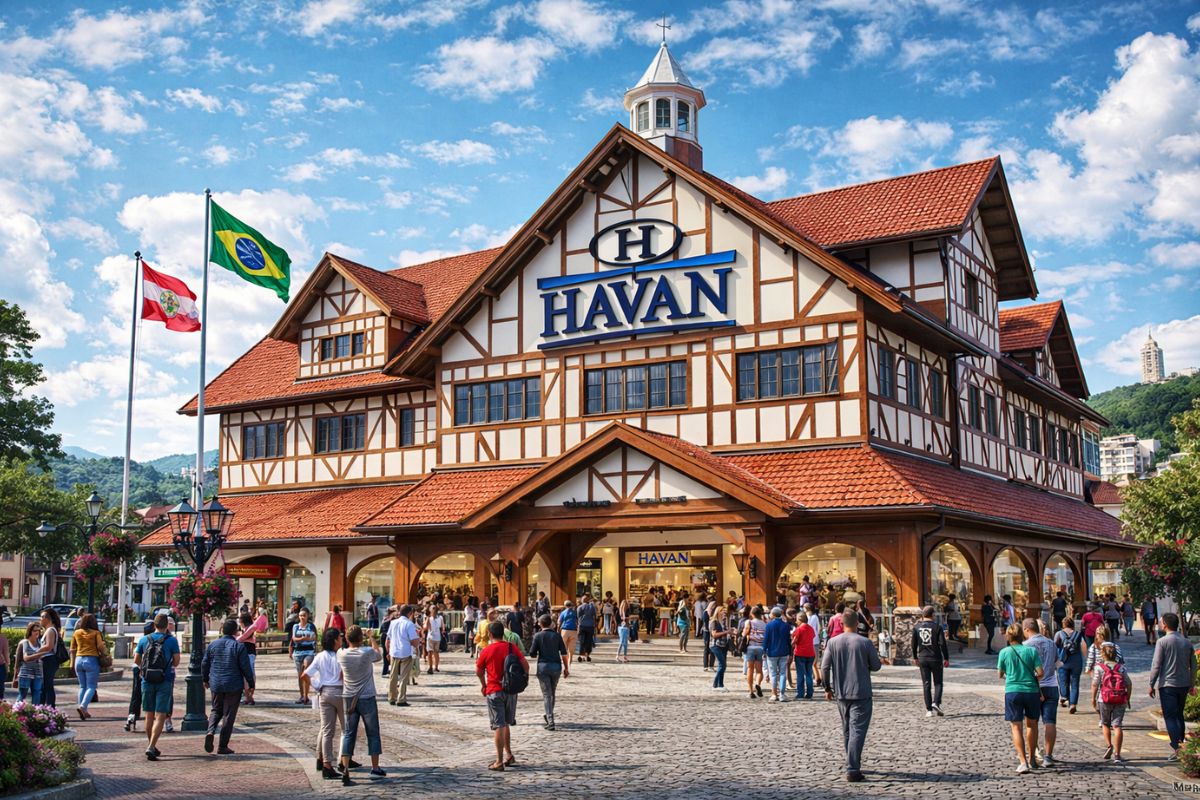
Havan will leave the shopping mall in Blumenau to inaugurate something that the chain has never done before: a megastore in half-timbered style in the Historic Center of the city, which is expected to be completed in May and change the landscape of local retail.

Governor Tarcísio de Freitas, a defender of rail transport, believes that São Paulo will be a key player in this transformation.
“Highways are increasingly congested, we need a sustainable solution that aligns with what the world is doing. We will make the railway be reborn in the state of São Paulo and the residents will ride trains again,” said the governor.
Billion-Dollar Investments and Jobs in São Paulo
According to the state government, the rail expansion will have an estimated cost of R$ 194 billion, covering projects in Greater São Paulo, the interior, and the coast.
In addition to improving public transportation, the program is expected to generate about 150,000 direct and indirect jobs, providing relief for the local economy and an incentive for economic recovery.
TIC Eixo Norte: The Fastest in Brazil
Among the most notable projects is the TIC Eixo Norte, which will connect São Paulo to Campinas with an investment of R$ 14.2 billion.
The route, auctioned in February 2024, will start at the Palmeiras-Barra Funda station and end at a new railroad terminal in Campinas, with a stop in Jundiaí.
With operation expected to begin in May 2031, the express service promises to significantly reduce travel time to just 64 minutes.
The train will have the capacity to carry up to 860 passengers per trip, reaching speeds of up to 140 km/h, making it the fastest rail transport in Brazil.
TIC Eixo Oeste: Connection with Sorocaba
Another highlighted project is the TIC Eixo Oeste, which will connect the capital to Sorocaba in just 60 minutes. Currently, the road journey takes about 1 hour and 50 minutes by car and 2 hours and 10 minutes by bus.
With an investment of R$ 10 billion, this rail line will have 100 kilometers of extension and will be made possible through a public-private partnership (PPP).
TIC Eixo Leste and TIC Eixo Sul: More Studies Underway
Still in the study phase, the TIC Eixo Leste and TIC Eixo Sul also promise to benefit millions of residents.
The Eixo Leste will connect São Paulo to São José dos Campos, with a length varying from 80 to 130 kilometers, traveled in 75 minutes.
The TIC Eixo Sul will connect the capital to Baixada Santista, serving 1.8 million people. The route, also between 80 and 130 kilometers, will take approximately 90 minutes. These two projects together are estimated to require investments of R$ 25 billion.
The Impact of Rail Expansion
With the promise of alleviating congestion on highways, the “SP nos Trilhos” aims for a sustainable and efficient solution. The reduction of polluting emissions and the encouragement of collective transport are some of the expected benefits.
Experts also point out that investment in railways is essential for the economic development of peripheral regions and the decentralization of economic activities in the state.
Challenges Ahead for São Paulo
Despite the optimism, the project faces significant challenges, such as environmental licensing issues, land expropriations, and the need to attract private investments to make the construction feasible.
Will the government be able to overcome these barriers and deliver on time?
Do you think this rail expansion will be enough to solve São Paulo’s transportation problems or will it just be another political promise? Leave your opinion in the comments!








Parabéns são Paulo ,
Este estado está muito a frente dos outros estados em relação as ferrovias inclusive meu estado
Minas Gerais por enquanto não podemos dizer
O trem bao só 😂😁
Isso aí Tarcísio, futuro presidente do Brasil!!!tamo junto!!🙏🙏
Maravilhosa a notícia de investimento no setor ferroviário. No entanto, a primeira frase da chamada do artigo já desestimula a continuar a leitura . Esquecer os ônibus?! Só se for uma convocação aos automóveis, pior dos mundos . Não há mobilidade eficiente sem integração modal. E não há capilaridade sem o rodoviário . Por último, não há uma estação de trem ao alcance imediato de cada cidadão .