





 Português
  Inglês
  Espanhol
  3 min de leitura


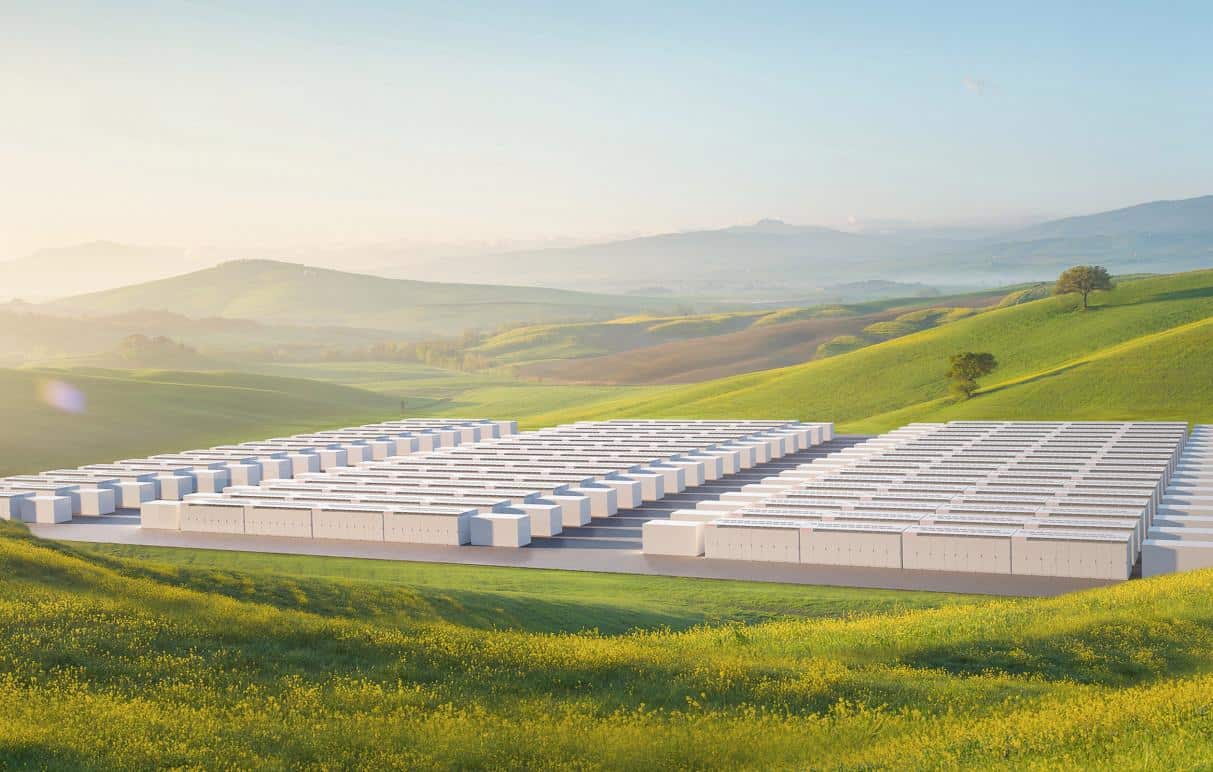
British Scientists Discover New Ceramic Material That Can Store Solar Energy Without Using Any Type of Battery. Energy Storage Can Remain Intact For Up To 4 Months.
Several years ago, scientists in Japan synthesized a type of ceramic with an Ultra Porous structure. At that time, there was already a suspicion of this material’s properties to absorb heat and solar radiation. Some time later, other scientists in the United Kingdom confirmed such suspicion, concluding that the type of ceramic is indeed capable of directly capturing solar energy and achieving energy storage.
Understand How This Material Can Store Solar Energy
The structure of the ceramic material, called Metal Organic Frameworks (MOFs), is composed of a network of metal ions linked by carbon molecules, enabling the formation of a 3D structure. As mentioned earlier, this structure stands out from others due to its porous characteristic, meaning it can host other small molecules within its structure and, thus, generate composite materials.
Contrary to what you might think, this material will not absorb solar energy instantaneously. Therefore, the researchers in the United Kingdom had the idea to take this porous material and incorporate several molecules of another material that actually performs energy storage, forming a complete molecule that acts as a photo switch, capable of changing its shape upon contacting sunlight.
-
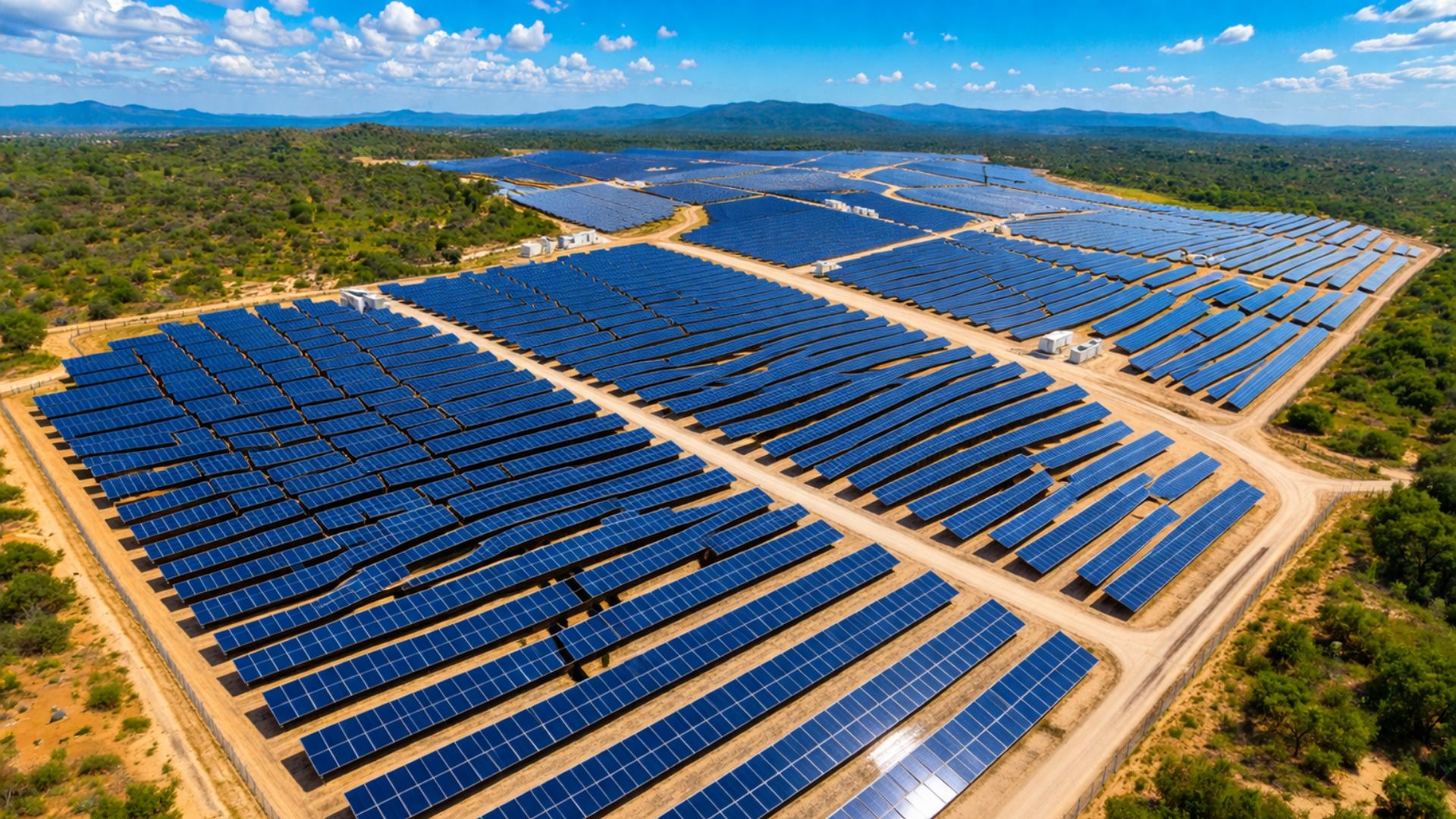
The Sol do Agreste Photovoltaic Complex begins operations in Pernambuco and accelerates the expansion of solar energy in Brazil, directly impacting the reduction of emissions and strengthening the sustainable energy matrix.
-
The Sol do Agreste Photovoltaic Complex begins operations in Pernambuco and accelerates the expansion of solar energy in Brazil, directly impacting the reduction of emissions and strengthening the sustainable energy matrix.
-
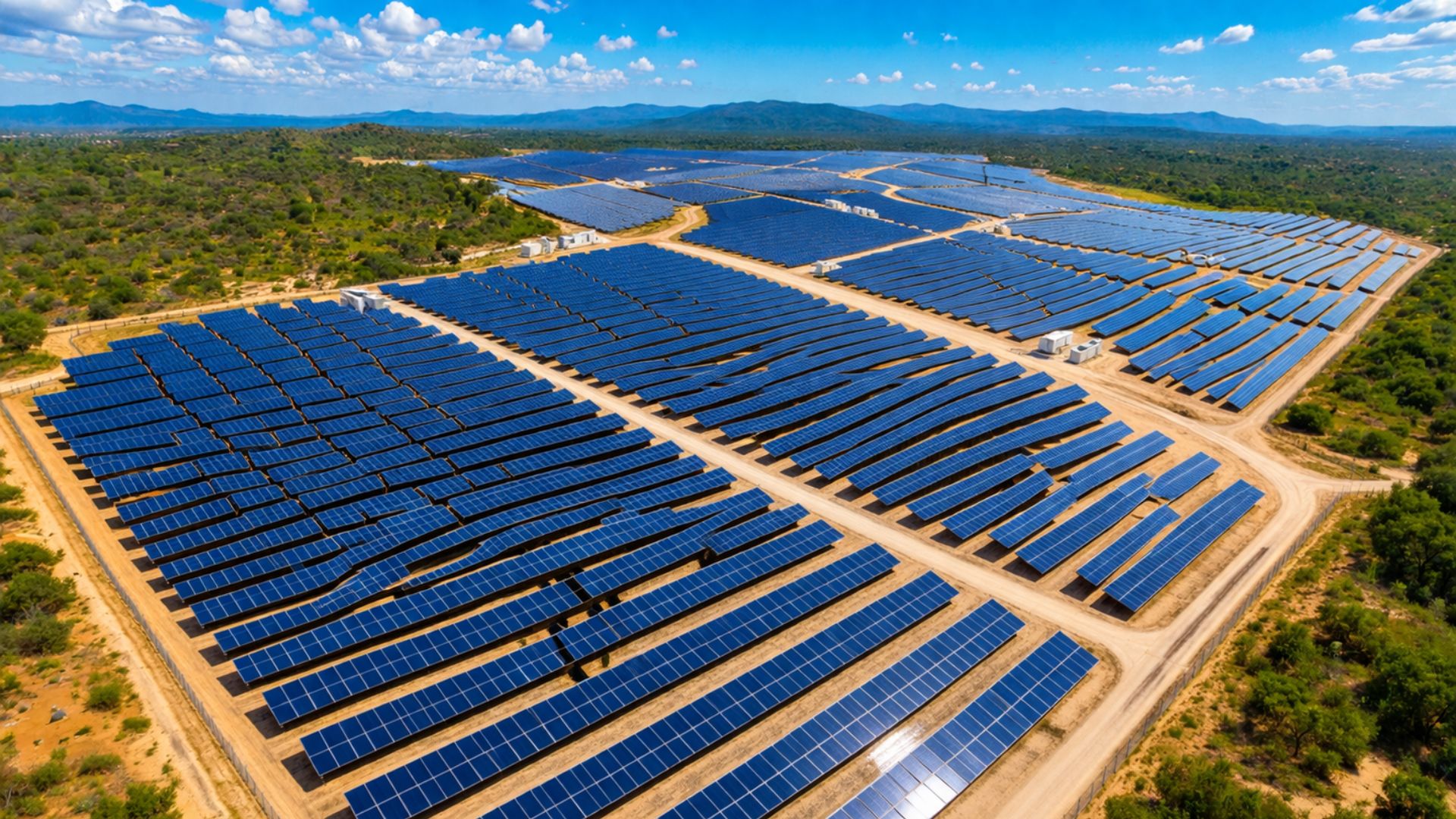
Renewable energy advances over protected areas in Brazil, and a survey by the Energy Transition Observatory reveals silent impacts that challenge environmental conservation and pressure sensitive traditional territories.

-
Rio Grande do Sul accelerates energy transition: State invests in renewable technologies and consolidates decarbonization strategies and pathways to attract billions in new industrial investments.


The material works like a spring that, when compressed, will accumulate energy and, upon releasing from compression, the spring will return to its natural state and release that energy. So this is very similar to what happens with this ceramic material.
Within its pores, the molecules of Azobenzene, which is the material that absorbs solar energy, reside in a distended shape, that is, as if it were a stretched spring. When they come into contact with ultraviolet light, the molecules absorb the light and change their stretched shape to a more compressed one.
New Material Promises To Store Solar Energy For About 4 Months
All this process of compression and decompression releases energy, and thus, at room temperature, this energy will remain stored, and some tests already conducted in laboratories confirm that the material has the capacity to retain energy for at least 4 months until the molecules start to return to their original state and the energy begins to dissipate.
This is a significant advancement, considering that current batteries, even when charged, if not used for a long period, chemical reactions will cause the stored energy to be lost.
To regain that energy again with this new material, just apply a heat source to this material, and this release will occur very quickly, as if you were recharging a battery. The material could be used for two applications, using heat directly or using heat to generate electric energy.
China Tests Unique Energy Storage Technology
In October of last year, China connected to its power grid the flow battery with the highest power and energy storage capacity ever developed.
The flow battery, called Dalian, has a capacity of 100 MW, which will be used to mitigate the peaks and valleys of sustainable energy generation, providing electricity at a constant level even when the wind is not turning the wind turbines or at night when solar panels are not generating electricity.
The flow battery project was created by the group of Professor Xianfeng Li from the Dalian Institute of Physical Chemistry, Chinese Academy of Sciences, and the system was developed and integrated by Rongke Power Co.










Seja o primeiro a reagir!