





 Portuguese
  English
  Spanish
  3 min of reading
  0 comments


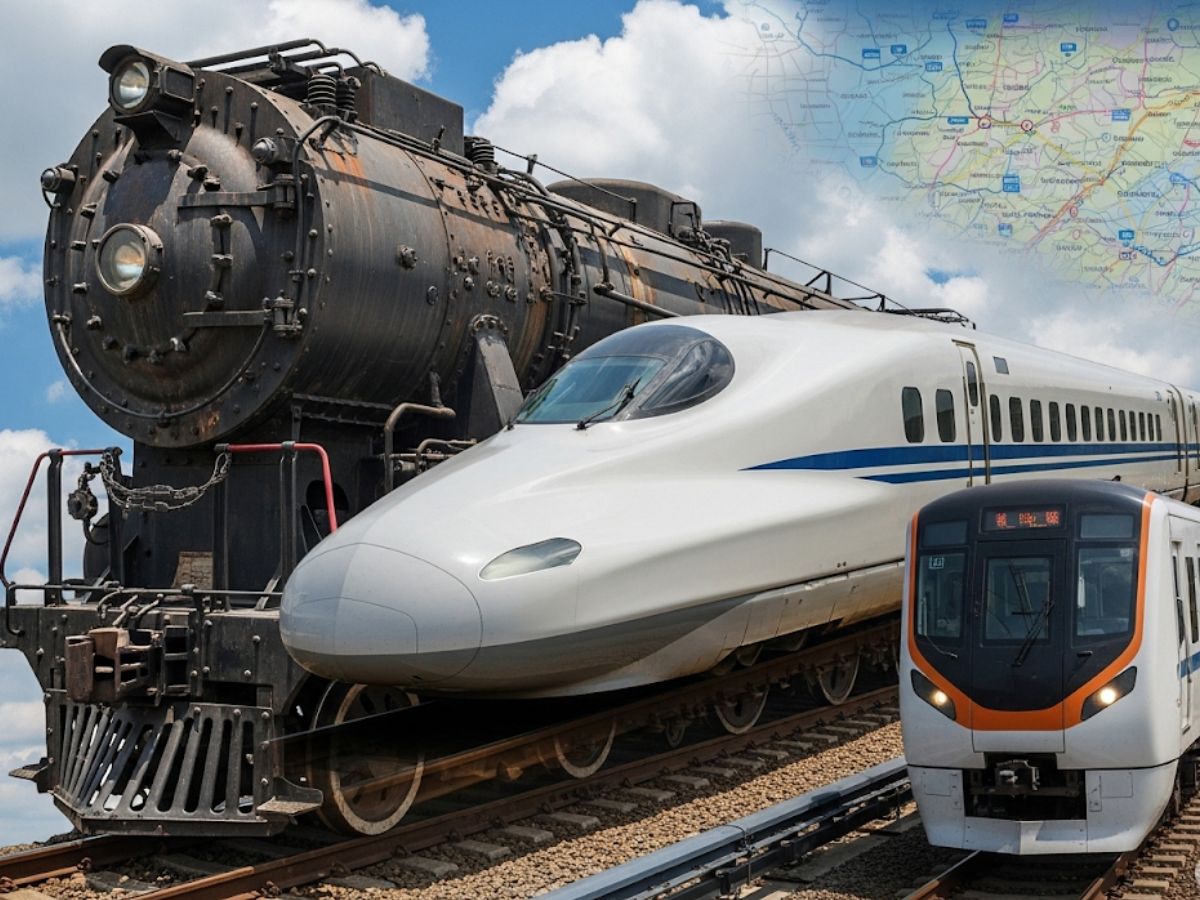
Discover the Trans-European Transport Network (TEN-T), an ambitious EU initiative to modernize roads, railways, and inland waterways, creating a cohesive transport network that is sustainable until 2050
The Trans-European Transport Network (TEN-T) is one of the most ambitious infrastructure initiatives of the European Union (EU). Its goal is to create a unified and high-quality transport network that encompasses roads, railways, waterways, ports, airports, and multimodal terminals throughout the continent.
This strategic project aims to strengthen the internal market, boost economic growth, and enhance cohesion among member countries. The TEN-T is essential for the EU’s environmental goals and adapts to new geopolitical realities, such as the need for military mobility.
What Is the TEN-T and What Is Its Strategic Importance for European Integration?
The TEN-T policy seeks to overcome the fragmentation of national transport networks. Its roots date back to the Treaty of Rome (1957), gaining momentum in the 1990s and being consolidated by Regulation (EU) 2024/1679. The TEN-T is vital for the free movement of people and goods, reinforcing the internal market and the competitiveness of the EU.
-
A couple buys an old chalet, breaks the kitchen floor for renovation, and finds over a thousand coins of gold and silver hidden since the English Civil War over 4 centuries ago.

-
Rigid bags with their days numbered: new trend prioritizes comfort in 2026.

-
YouTuber creates an excavator equipped with a giant 4.5-meter sword to challenge his brother to a rematch, and the invention quickly goes viral on social media.

-
The U.S. Army surprises the world by presenting the UH-60MX Black Hawk helicopter capable of flying without pilots, controlled by a tablet, featuring the MATRIX system, smart sensors, and full autonomy in real combat and rescue missions.


The network is structured into three levels with distinct deadlines:
Core Network: The most strategic connections and nodes, to be completed by 2030.
Extended Core Network: An intermediate layer, with a deadline by 2040.
Comprehensive Network: Ensuring connectivity to all regions, with an expected completion by 2050.
Strategic Corridors and Cross-Cutting Priorities
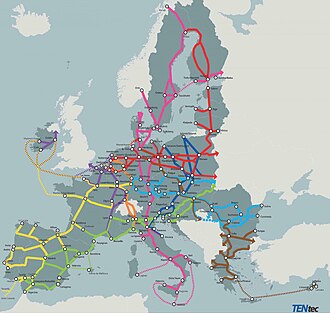
To operationalize the TEN-T, nine European Transport Corridors have been defined. They are multimodal, facilitating key traffic flows and extending to neighboring countries such as Switzerland and Ukraine. These corridors also integrate freight rail corridors for coordinated planning.
In addition to geographic corridors, there are two horizontal priorities:
European Railway Traffic Management System (ERTMS): Aims to standardize signaling and railway control across Europe, enhancing safety and interoperability.
European Maritime Space: Promotes short-sea shipping as a sustainable alternative and improves port connections.
How Is the Transport Network TEN-T Financed and Managed by the EU?
The completion of the Core Network of the TEN-T will require approximately €515 billion by 2030. The main EU funding instrument is the Connecting Europe Facility (CEF), with a budget of €25.81 billion for transport in the period 2021-2027. However, most of the funding comes from the Member States.
Other sources include the European Structural and Investment Funds (ESIF), loans from the European Investment Bank (EIB), and the private sector. Governance is facilitated by eleven European Coordinators, responsible for each corridor or horizontal priority, who preside over Advisory Forums and develop Work Plans. The information system TENtec stores data for network management.
The Technical Requirements and Challenges of the Unified Transport Network of Europe
The TEN-T aims for a consistent quality level throughout the network. For railways, requirements include speeds of 160 km/h or more on the Core Network, implementation of the ERTMS, and promotion of standardized European gauge. Roads must adhere to safety standards, and inland waterways need to ensure good navigation conditions and implement River Information Services (RIS).
Major airports must have long-distance rail connections by 2050. Urban nodes must adopt Sustainable Urban Mobility Plans (SUMPs) and develop multimodal terminals. The TEN-T contributes to the European Green Deal by promoting modal shift and infrastructure for alternative fuels. Despite progress, challenges such as cross-border coordination, funding gaps, and delays in implementing the ERTMS persist.
Perspectives and the Commitment to a Transport Network in Europe for the 21st Century
The Trans-European Transport Network is an essential transformative initiative for the single market and the cohesion of the EU. Its success by 2050 will depend on sustained political commitment, continuous funding, and the ability to adapt to technological advancements and environmental imperatives.
The TEN-T is a critical enabler for the EU’s grand ambitions, including the Green Deal. Overcoming the implementation challenges, such as complex cross-border coordination and technical harmonization, will be crucial for this mega transport network to fulfill its promise of unifying Europe with modern and sustainable infrastructures.






Seja o primeiro a reagir!