





 Portuguese
  English
  Spanish
  7 min of reading
  4 comments


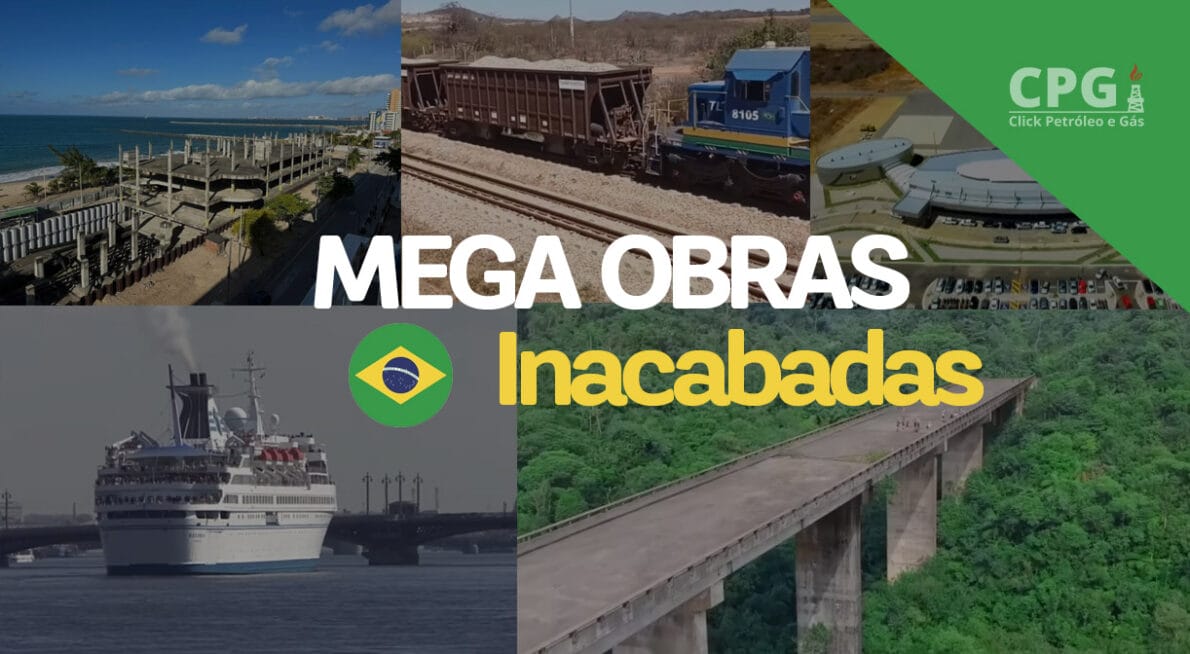


The Promise Was Of Modernity, Progress And Development. Works That Would Transform Cities, Modernize Infrastructure, And Boost Tourism. However, Thousands Of Constructions Remain Stopped, Accumulating Debts, Devaluing Assets, And Disillusioning Brazilians Who Dreamed Of A Better Future. The Justifications Are Various, But The Results Are The Same: Ghost Structures, Forgotten And Wasting Money That Could Have Been Used To Improve The Lives Of The Population.
In Brazil, it is estimated that almost nine thousand public works are unfinished, according to recent data from the Federal Court of Accounts (TCU).
These works, started with promises of positive economic and social impact, face a variety of problems, including calculation errors, mismanagement, corruption, and embezzlement of funds.
The impact of this is alarming, with billions of reais wasted on projects that were never completed. In this article, based on research and videos published by the YouTube channel Ricardo Clipes, we will explore some of the most notorious works, their costs, and what went wrong.
-
With an investment of R$ 612 million, a capacity to process 1.2 million liters of milk per day, Piracanjuba inaugurates a mega cheese factory that increases national production, reduces dependence on imports, and repositions Brazil on the global dairy map.
-
A megaproject worth R$ 89 billion is advancing in Iraq and promises to change the game in global trade by creating a new corridor between Asia and Europe, reducing traditional routes and repositioning the country as a logistics powerhouse.
-
Goodbye bedside table: floating shelves become a trend in 2026 by freeing up space in the bedroom, improving circulation, bringing visual lightness, and integrating technology without taking up floor space.

-
Brazilian city gains industrial hub for 85 companies that is equivalent to 55 football fields.


Administrative Center Of Taguatinga
Location: Federal District
Estimated Cost: R$ 1.5 billion
Status: Unfinished and abandoned
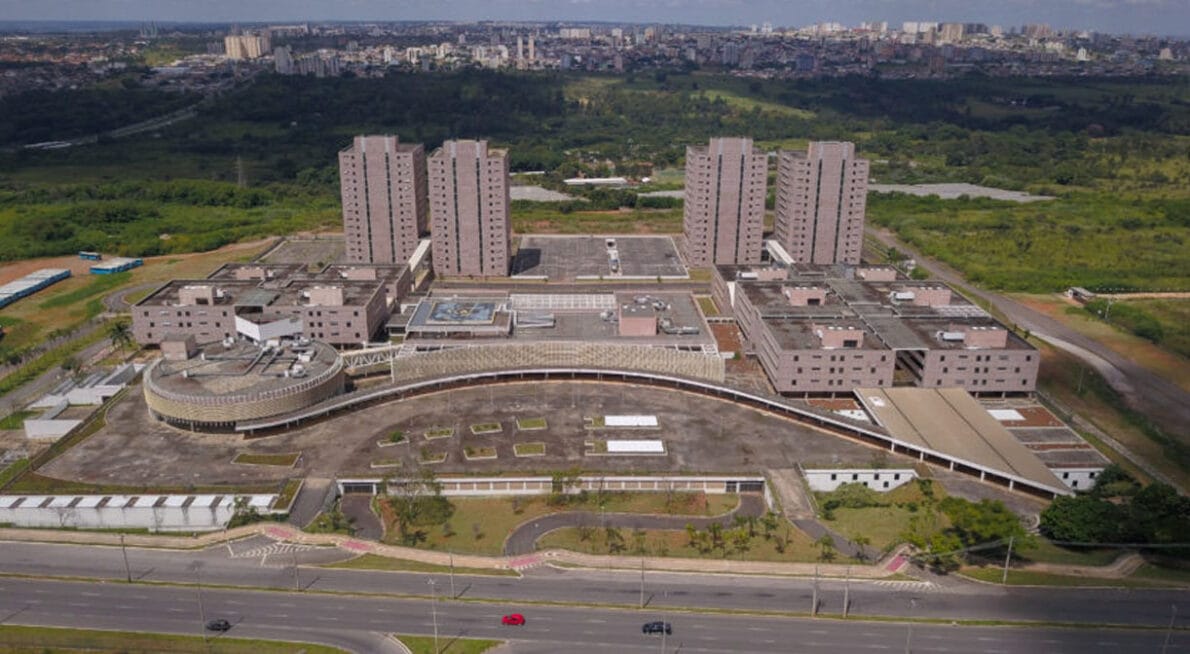
The Administrative Center Of Taguatinga, in the Federal District, was designed to house all local government secretariats in one place.
The monumental project started in 2009 and was expected to be completed by 2014. With 182 thousand square meters and 16 buildings, the complex was supposed to accommodate 13,000 public servants and offer 3,000 parking spaces.
However, disagreements between rulers and concessionaires resulted in an incomplete inauguration and the work was never used for its original purpose. Today, the site resembles a ghost town, completely deserted and deteriorating over time.
Impact: According to information from Folha de S. Paulo, in addition to the financial loss of R$ 1.5 billion, the absence of a centralized space for public administration hampers the efficiency of local government, forcing the dispersion of services and increasing operational costs.
VLT Of Cuiabá
Location: Cuiabá, Mato Grosso
Estimated Cost: R$ 1 billion
Status: Abandoned, conversion to BRT planned
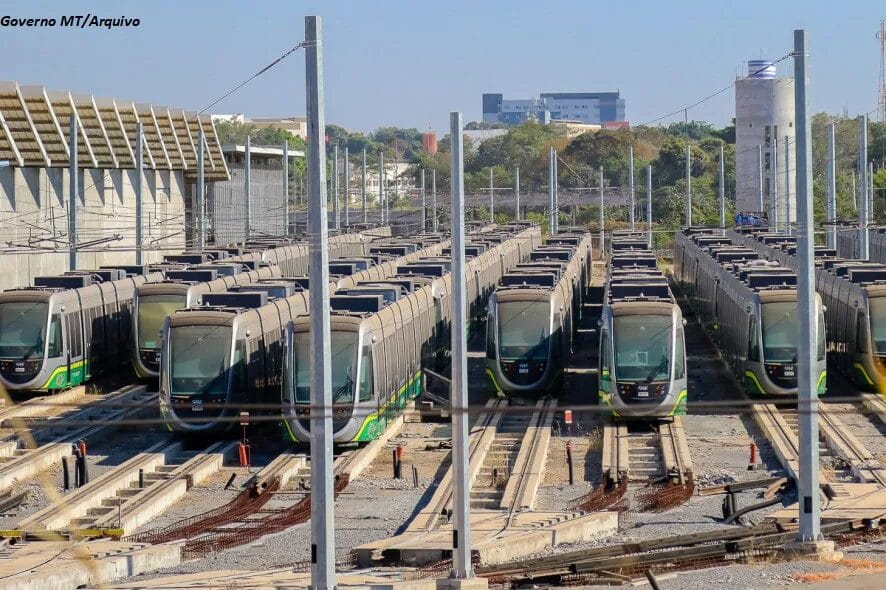
Started in 2012, the Light Vehicle on Rails (VLT) of Cuiabá promised to revolutionize public transportation in the city.
Planned to be operational for the 2014 World Cup, the project faced significant delays and was halted in 2015, according to G1.
The state government is now trying to convert the project into a BRT (Bus Rapid Transit) system, which will require an additional investment of R$ 468 million.
The trains, which were supposed to be the heart of the transportation system, are standing still and serve as a constant reminder of the initial project’s failure.
Impact: According to Diário de Cuiabá, the local population continues to suffer from inefficient public transportation and the high cost of the unfinished project still weighs on public coffers.
Ceará Aquarium
Location: Fortaleza, Ceará
Estimated Cost: R$ 200 million
Status: 70% completed, currently abandoned
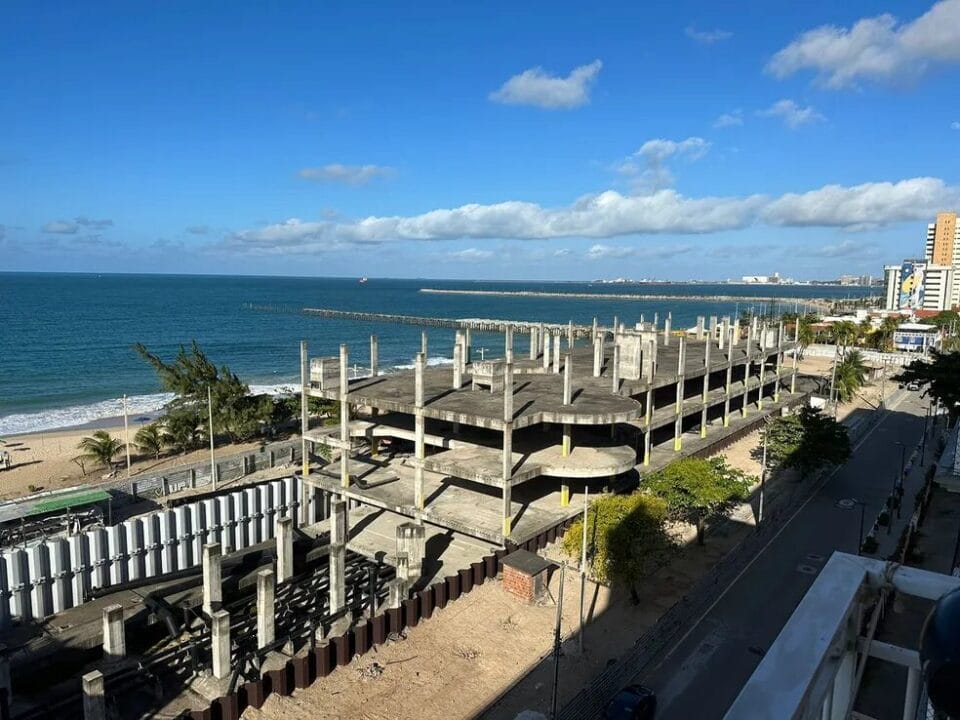
In 2012, Fortaleza launched the Ceará Aquarium project, which promised to be the largest in Latin America, with 15 million liters of water and 35,000 marine animals from 500 species.
It was intended for the 2014 World Cup, but only 70% was completed when work was halted in 2015.
The cost to resume and complete the project is now estimated at over R$ 500 million, according to the newspaper O Povo, leaving the future of the project uncertain.
The semi-finished structure already shows signs of wear, and the initial expectation of attracting millions of tourists per year has faded away.
Impact: According to the G1 portal, the local economy has lost a huge potential for tourist revenue, which would have benefited merchants, workers, and the entire tourist infrastructure of the region.
Tourist Pier Of Natal
Location: Natal, Rio Grande do Norte
Estimated Cost: R$ 72 million
Status: Completed, but inoperative
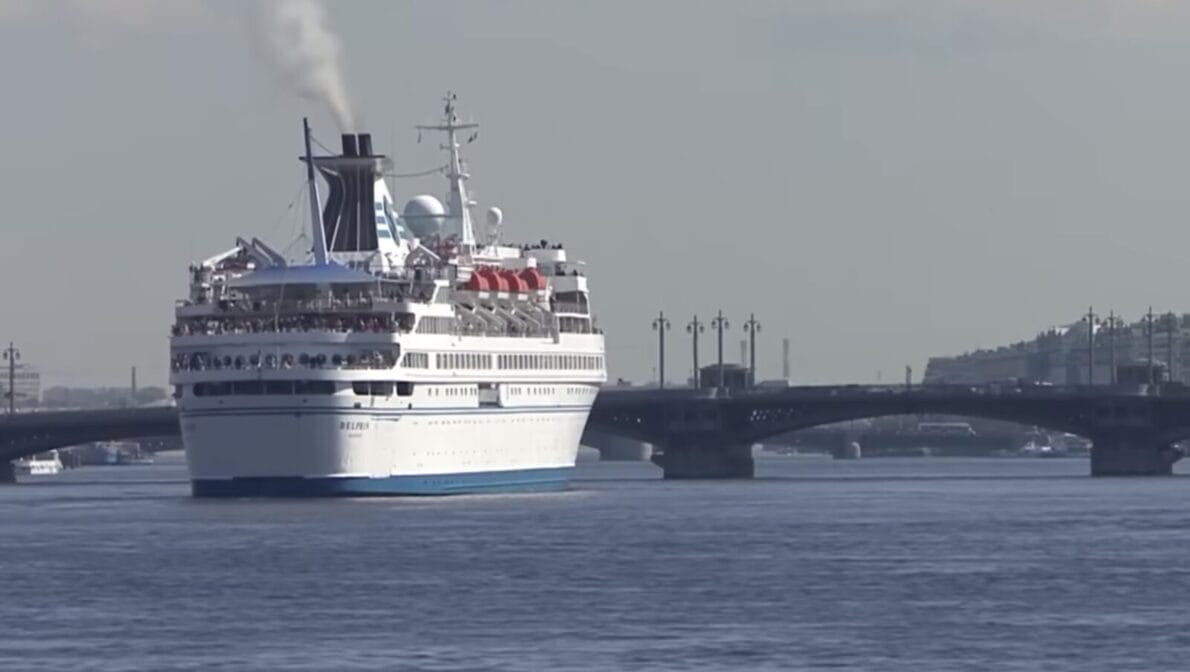
The Tourist Pier Of Natal was completed, but with a monumental planning error, according to the website Tribuna do Norte. After spending R$ 72 million, they discovered that vessels could not access the site due to insufficient height to pass under the Newton Navarro Bridge.
This error, considered grotesque by experts, suggests questionable intentions on the part of those involved.
Accusations of political and economic interests surround the project, especially considering that some authorities would benefit from the absence of cruise ships in the area, as reported by Folha de S. Paulo.
Impact: The pier remains underutilized and represents an example of flawed planning that did not take basic engineering data into account. The local economy suffers from the loss of maritime tourism.
Transnordestina Railway
Location: Northeast Brazil
Estimated Cost: R$ 6.3 billion
Status: Interrupted, resumption planned for 2025
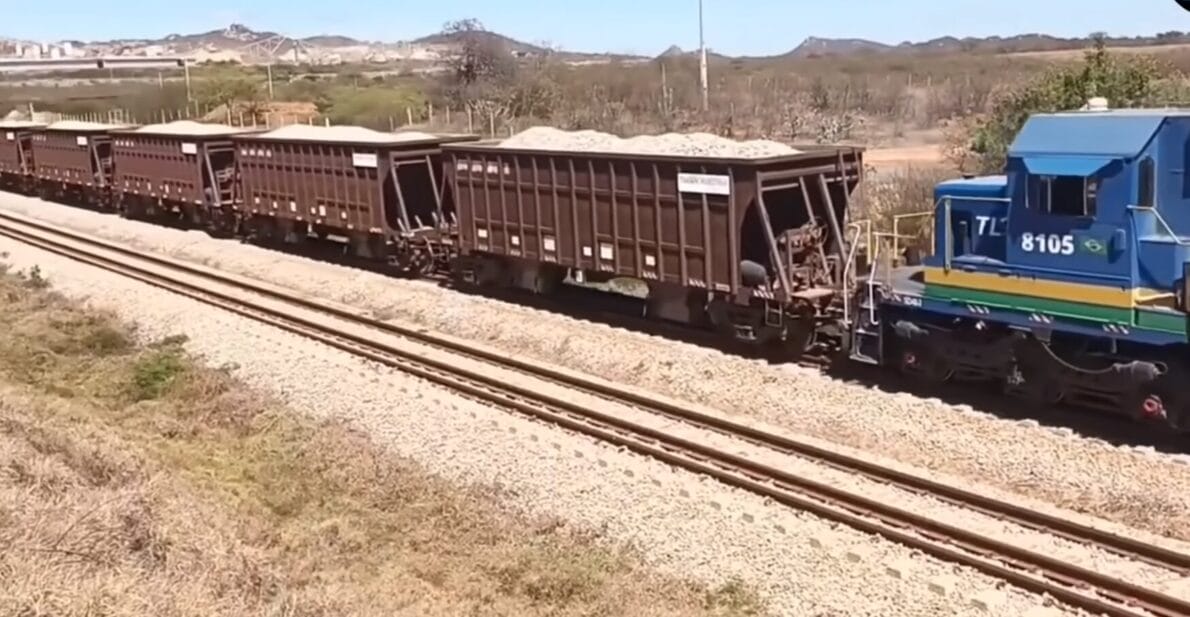
Started in 2006, the Transnordestina Railway was supposed to connect Piauí, Ceará, and Pernambuco, but since then, the project has been interrupted several times due to corruption allegations and inadequate management.
Although it has already consumed more than R$ 6.3 billion, construction resumed in 2019 and is expected to be completed by 2025, according to data from the newspaper Valor Econômico. The expectation is that the railway will boost the transportation of grains and minerals, in addition to benefiting local economies.
Impact: According to an analysis by Estadão, the unfinished railway represents a significant delay in the logistical infrastructure of the Northeast, affecting the competitiveness of Brazilian exports.
Franco-Brazilian Binational Bridge
Location: Oiapoque, Amapá
Estimated Cost: R$ 118 million
Status: Completed, but with limited use
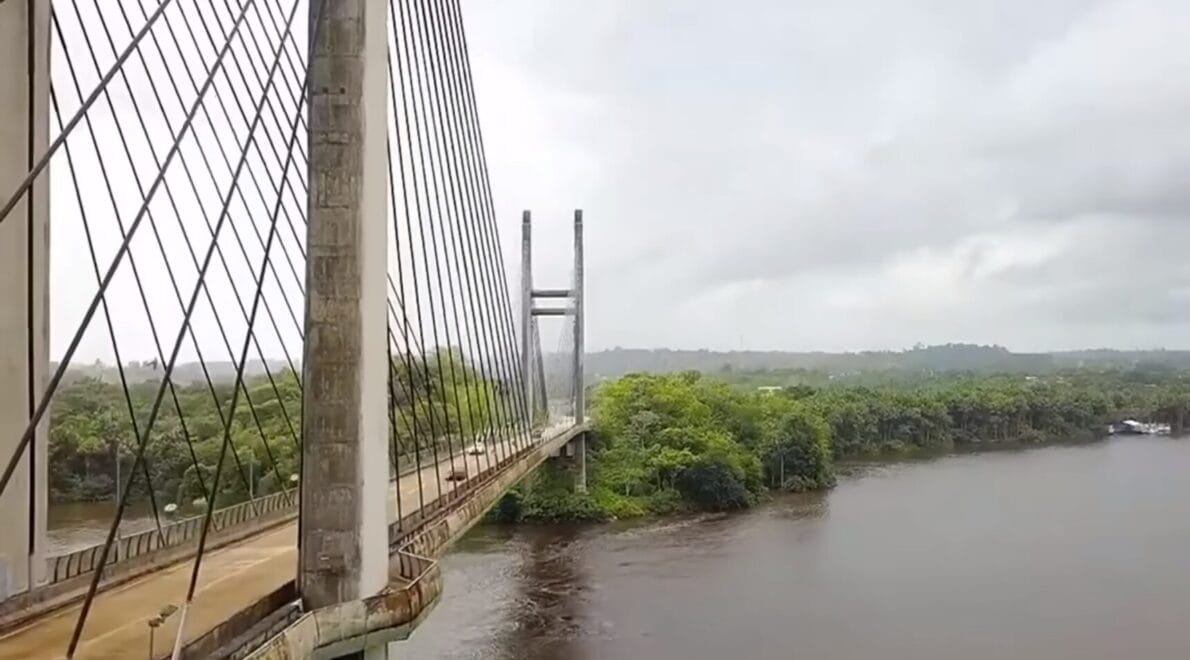
Connecting Brazil to French Guiana, the Franco-Brazilian Binational Bridge was completed in 2012, but only began to be used in 2017.
The delay in the bridge’s release was attributed to bureaucracy and lack of agreements between the two countries, according to the newspaper O Globo.
Moreover, the cost to cross the bridge makes it inaccessible for many locals, due to the requirements for insurance and international documents.
Impact: According to a report by G1, the potential for integration and economic development between the two regions remains underused, and many continue to use ferries for crossing, preferring more economical alternatives.
Viaducts Of Serra Do Mar
Location: Serra do Mar, São Paulo
Estimated Cost: US$ 59 million (at the time)
Status: Unfinished for over 50 years
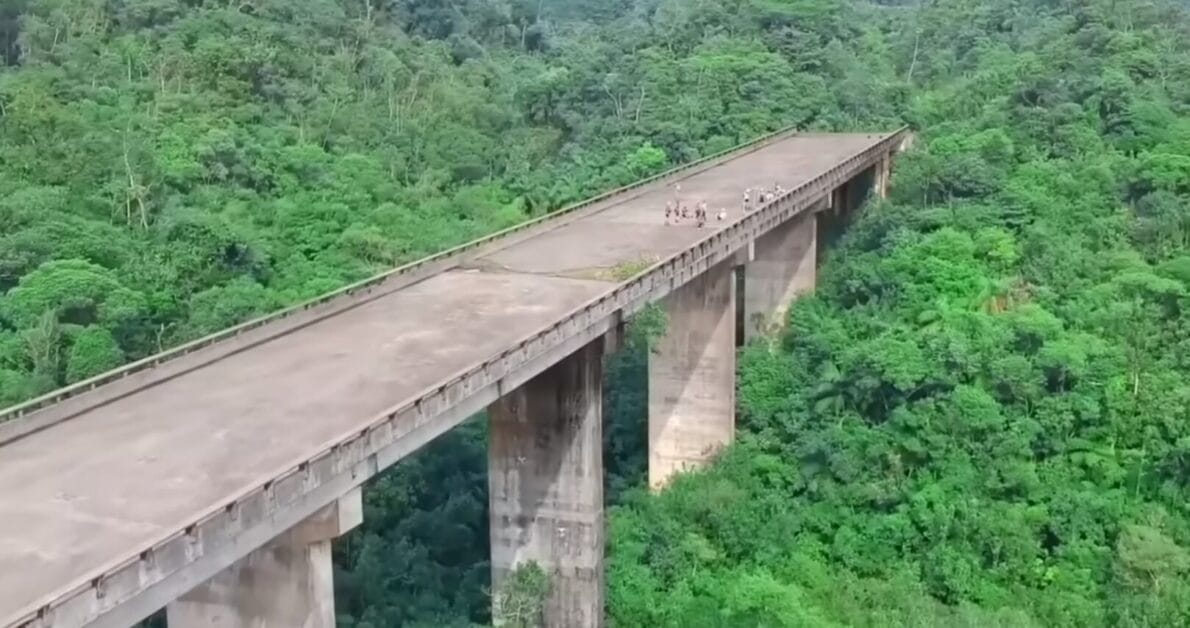
In the middle of the Atlantic Forest, two unfinished and abandoned viaducts stand out in the landscape of Serra do Mar.
Started in the 1960s, the work was part of the Rio-Santos Highway project but was abandoned due to changes in the route and increased costs.
The viaducts are now a symbol of waste and neglect, and have become an attraction for adventurers who practice bungee jumping.
Impact: According to the UOL portal, the unfinished road not only caused significant financial loss but also affects the tourism and economic potential of the region.
University City Of Amazonas
Location: Manaus, Amazonas
Estimated Cost: R$ 92 million
Status: Unfinished and abandoned
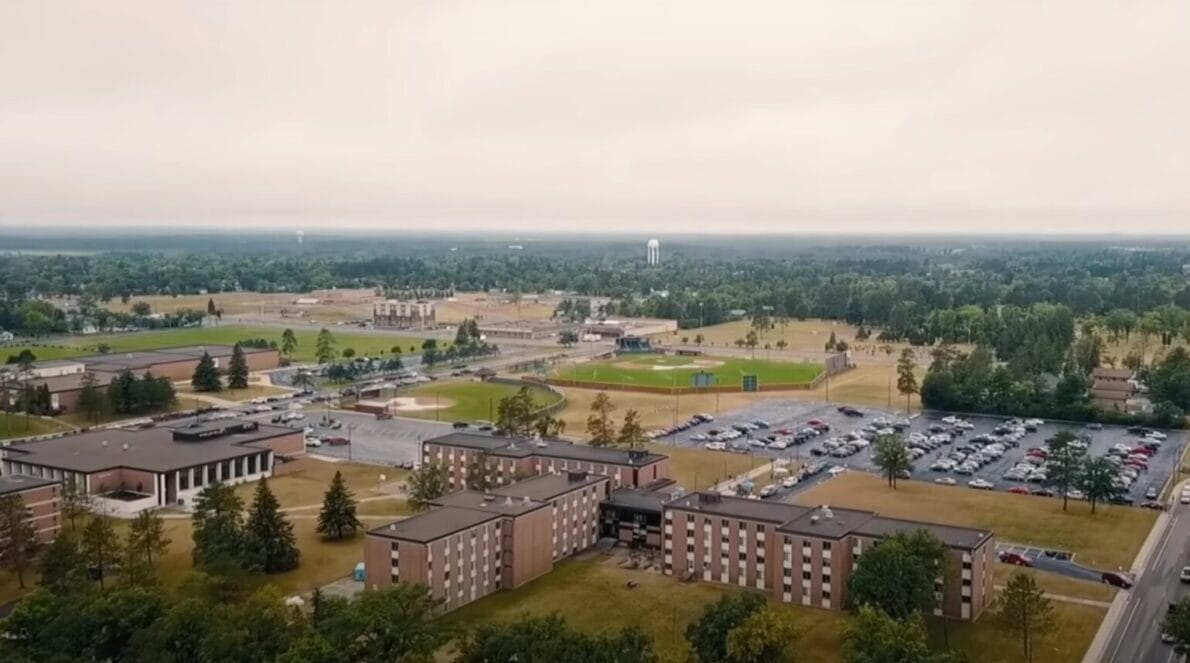
The university city, planned to be an educational and housing hub for students, started in 2013 but was abandoned in 2017.
Located 27 km from the capital, Manaus, the structure promised to accommodate up to 2,000 students, centralizing academic activities and offering affordable housing.
However, the lack of resources and planning resulted in the abandonment of the project, according to the newspaper A Crítica. With part of the facilities exposed to the weather and vandalism, the complex is far from fulfilling its original mission.
Impact: The interruption of the works represents a significant loss for the educational and social development of the region, according to an analysis by Estadão.
Students remain without access to the promised facilities, and the initial investment was practically lost.
Airport In The Shape Of A Capybara
Location: Serra da Capivara, Piauí
Estimated Cost: R$ 22 million
Status: Completed, but underutilized
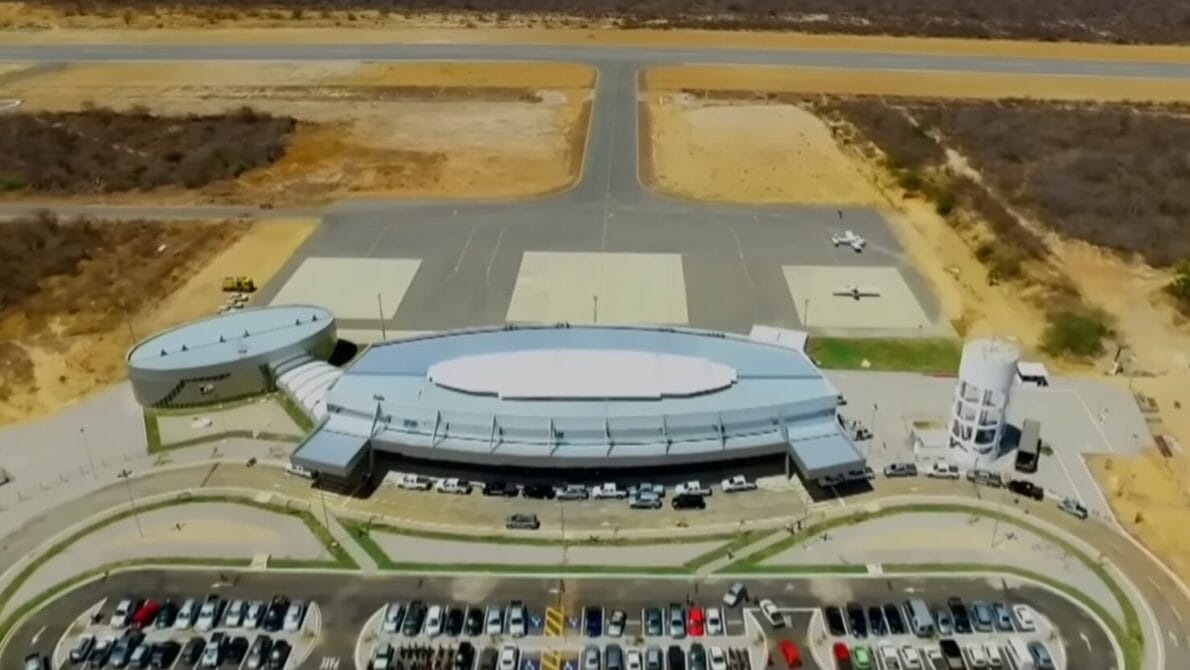
The airport of Serra da Capivara was an attempt to boost tourism in the archaeological region recognized for its historical significance.
Completed in 2015, the airport cost R$ 22 million but fails to attract regular commercial flights.
The low demand, 18 passengers per month, and the isolated location are factors that contributed to its failure, according to a report by G1. Despite the investment and an annual maintenance of R$ 1.8 million, the infrastructure remains virtually unused.
Impact: According to an analysis by Folha de S. Paulo, the tourism potential of the region has not been explored as expected, resulting in waste of resources and economic opportunities for Piauí.
Petrochemical Complex Of Rio De Janeiro (COMPERJ)
Location: Rio de Janeiro
Estimated Cost: R$ 47 billion
Status: Unfinished, resumption planned
The Petrochemical Complex Of Rio De Janeiro (COMPERJ) is one of the most expensive works in the history of Brazil, started in 2006 by Petrobras.
With an initial completion forecast for 2011, the project was halted due to corruption scandals that impacted Petrobras and the companies involved, as reported by the newspaper O Globo.
Today, about 80% of the work is complete, but there are still uncertainties about its conclusion and utilization.
Impact: According to an analysis by Exame magazine, COMPERJ represents a colossal loss for the national petrochemical industry, affecting jobs and the economic development of Rio de Janeiro.
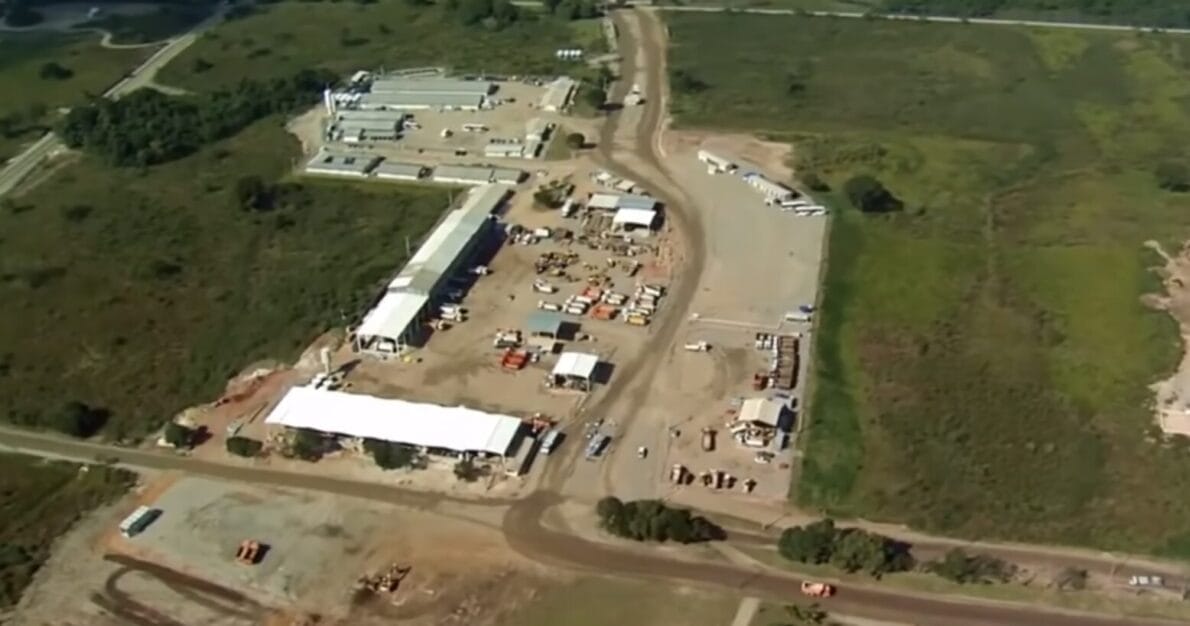
Corruption, Bad Management = Abandoned Works
The reality of unfinished works in Brazil is a reflection of the mismanagement and corruption that afflict the country.
The examples above are just the tip of the iceberg, as many other works face similar fates, with billions of reais being poorly utilized.
The lack of effective oversight and the impunity of those responsible perpetuate this vicious cycle of waste and disrespect for public money.
Did we miss any work, reader? Additionally, in your view, what can we do to ensure that future projects are completed efficiently and beneficially for the population?






Essa foto da ponte de Natal é ****. Coloquem uma foto condizente com a realidade!
Basta observar as datas que vamos ver o quanto PSDB. PT são nefastos para o Brasil.
O estaleiro enseada do paraguasul