





 Portuguese
  English
  Spanish
  4 min of reading
  0 comments



To Save A Few Bucks At The Pump, Many People Drive Their Car In High Gear And Low Rev, Making The Engine Suffer. What Seems Like Care Increases Internal Wear, Contaminates The Oil, Elevates Consumption, And May Anticipate A Repair Bill In The Thousands Of Reais In Your Pocket Much More Quickly.
In Recent Years Of Rising Fuel Prices, With Variations Of Over R$ 0.50 At Gas Stations, Many Drivers Have Started To Adopt A Supposed Trick To Spend Less On Gas, Driving In High Gear And Very Low Rev To Try To Save At The Pump.
The Problem Is That This Practice, Despite Appearing Harmless, Causes The Engine To Work Choked, Under Extreme Effort And In Silence, Shortening Its Lifespan, Increasing Consumption And Paving The Way For A Hefty Repair Bill Much Earlier Than The Owner Imagines.
The Trick To Save That Is Mistreating The Car
The Habit You Should Abandon To Avoid Destroying Your Car’s Engine Happens When The Driver Accelerates With The Vehicle In High Gear, Without Downshifting, Even With The Engine Rev Very Low.
-
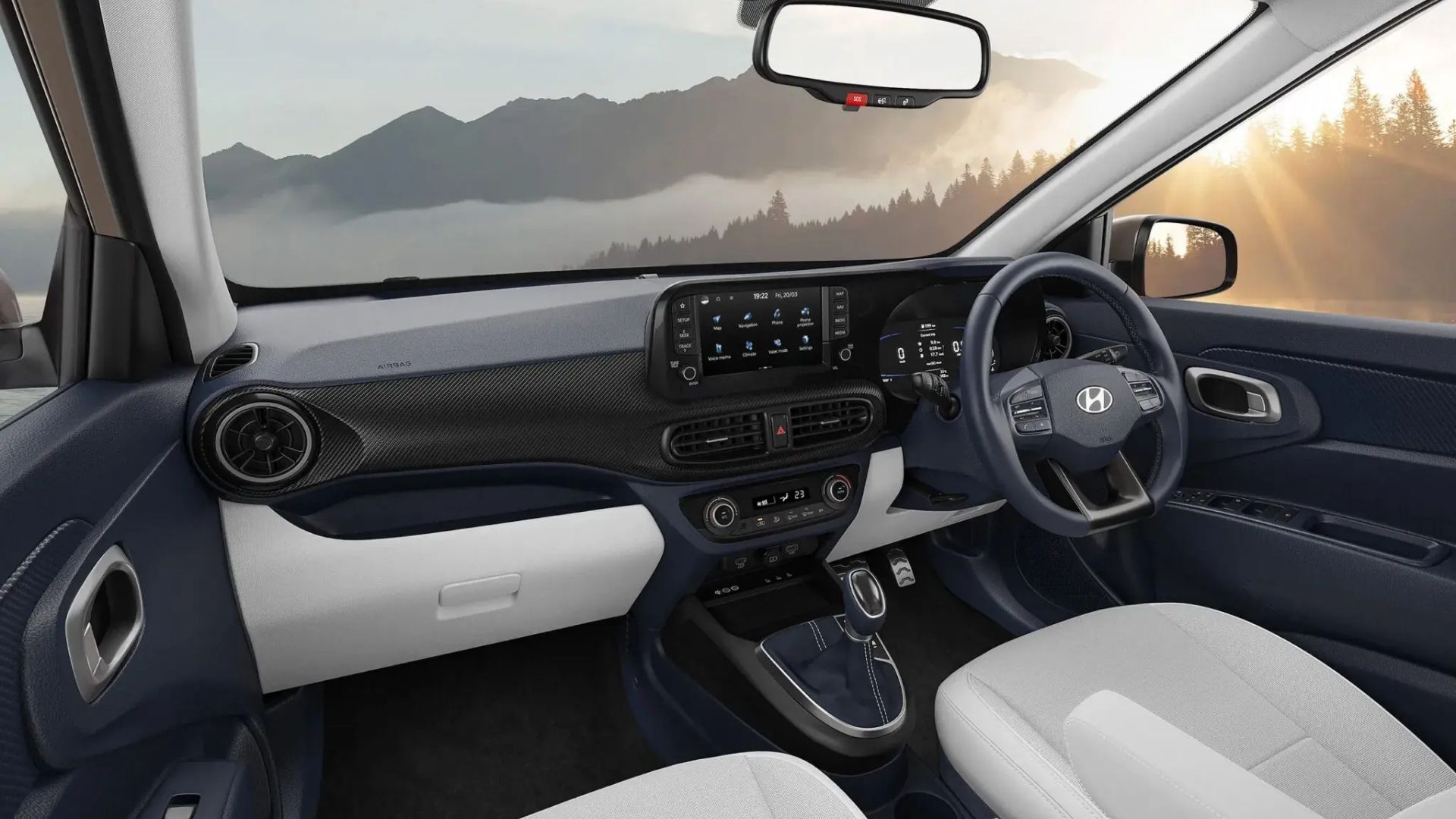
For R$ 32,000, a brand new Hyundai car is a rival to the Kwid with a 1.2 engine producing 82 hp, 6 airbags as standard, multimedia with wireless Android Auto, up to 391 liters in the trunk, and a refreshed look for 2026 in India.
-
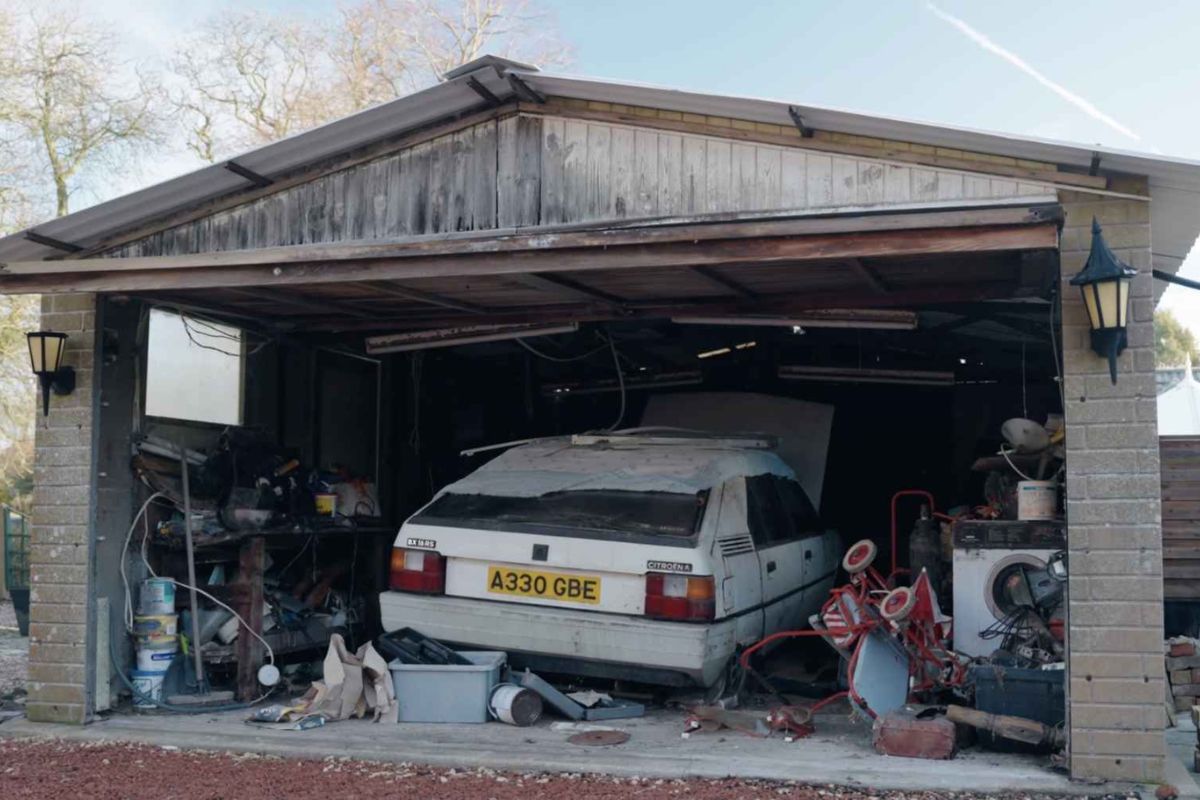
He bought a new car in 1983, locked it in the barn in 1988, and no one opened the door for 38 years until the family discovered what was stored inside and realized it looked like something out of a movie.
-
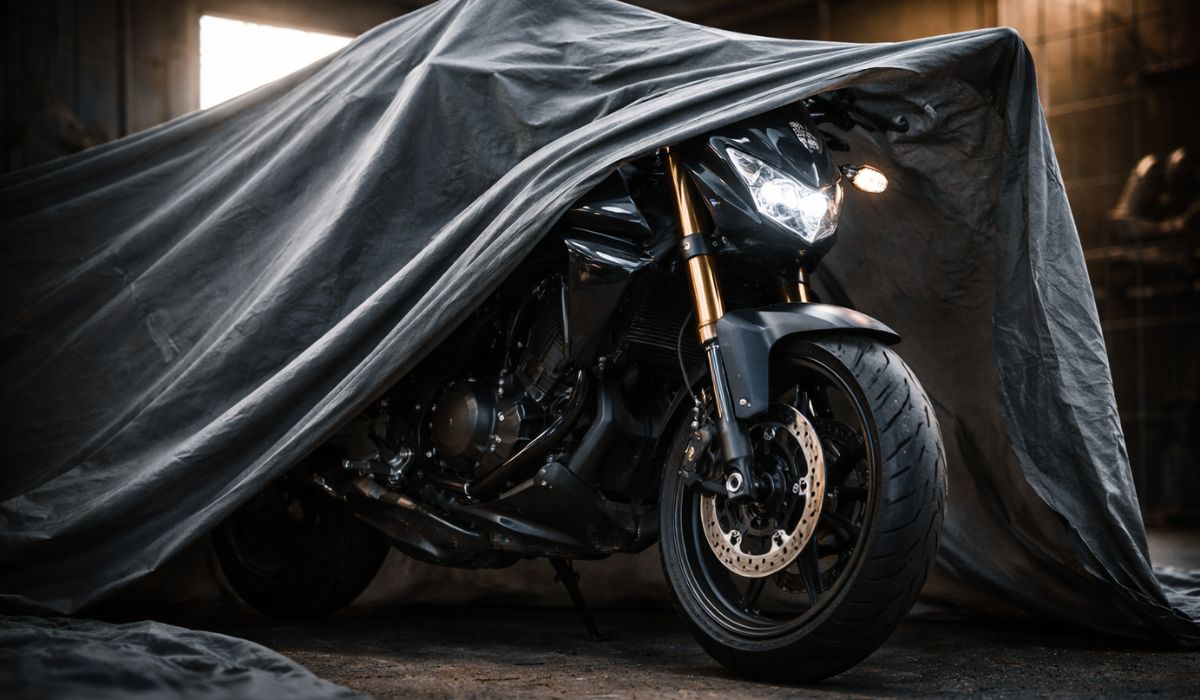
A 250cc motorcycle that can reach 560 km with a 14-liter tank, features disc brakes on both wheels and is among the most well-known in Brazil.
-
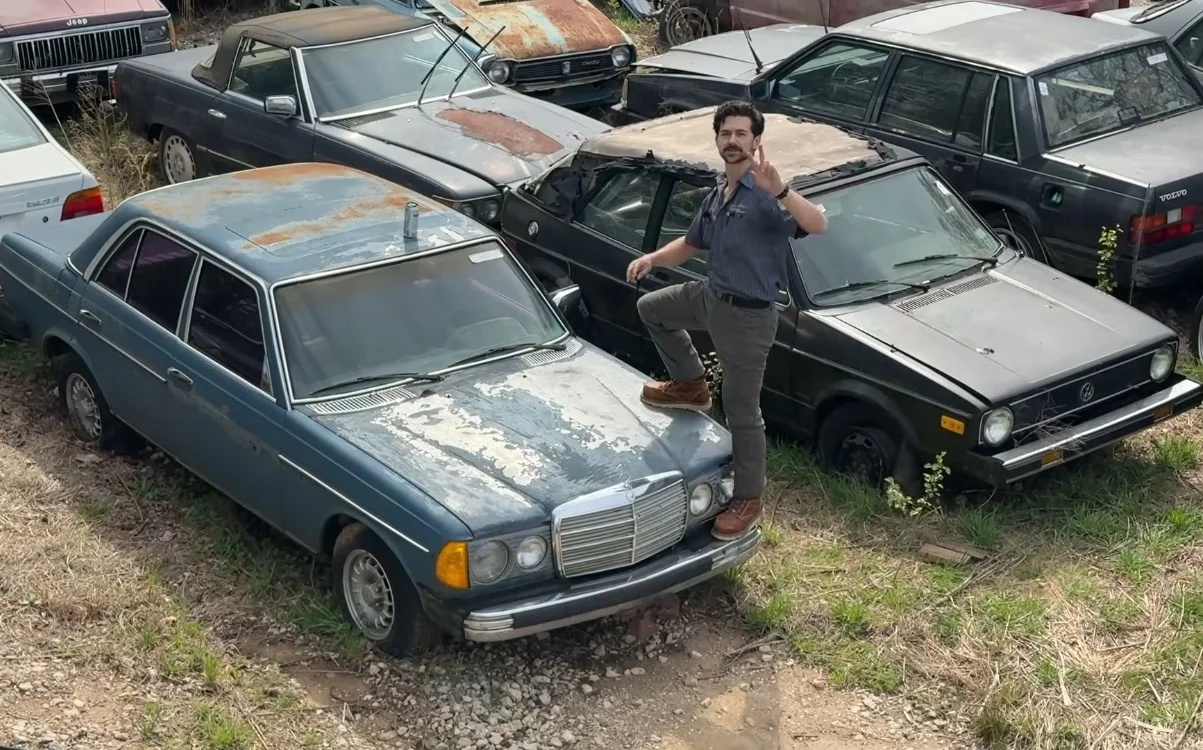
Man finds over 200 rare cars abandoned on a lot and tries to do the impossible in 8 hours with a surprise at the end.

In These Situations, The Engine “Chokes” Because It Doesn’t Receive Enough Torque To Respond To Acceleration. Instead Of Working Efficiently, It Operates At Its Limit, Under Excessive Strain, As If It Were Always Carrying A Weight Much Greater Than It Should.
This Behavior Is Much More Common In Cars With Manual Transmissions, Especially In Urban Traffic, Where Stops And Starts Are Constant.
In An Attempt To Avoid Gear Changes, The Driver Keeps The Car Stuck, Believing They Are Being Economical, When In Fact They Are Accumulating Wear And Consumption At The Same Time.
The Result Is Exactly The Opposite Of The Desired Economy: Accelerated Wear Of Internal Parts, Increased Fuel Consumption, And The Risk Of Needing A Rebuild Sooner Than Expected, With Costs Easily In The Thousands Of Reais.
What Happens Inside The Engine At Low Rev
When The Driver Floors The Accelerator With The Engine Below About 2,000 RPM, The System Enters A Critical Condition.
The Exaggerated Effort Can Cause Pre-Ignition, Abnormal Pressure Increase In The Cylinders, And Elevated Internal Temperature, A Completely Different Scenario From Smooth And Controlled Use.
In This Situation, Components Such As Pistons, Cylinders, And Springs Work Under Excessive Load, Suffering Premature Wear.
At The Same Time, The Engine Oil Loses Some Of Its Lubricating Properties, Failing To Form The Ideal Film That Protects The Metal Surfaces. This Favors The Formation Of Carbon Deposits In Sensitive Areas.
Over Time, Combustion Gases Begin To Escape From The Chamber To The Crankcase, Increasing Internal Pressure And Contaminating The Lubricating Oil.
Instead Of Circulating Clean, It Starts To Transport Residues And Impurities That Continue To Attack The Car’s Mechanical Components With Every Revolution Of The Engine.
Moisture, Contaminated Oil, And Anticipated Loss
The Situation Becomes Even Worse During Cold Starts. The Presence Of Moisture, Combined With Gases And Residues From Combustion, Can Generate Acidic Substances Inside The Engine.
These Compounds Attack The Walls Of The Cylinders And Parts Of The Distribution System, Accelerating Wear In Key Areas For The Car’s Operation.
The Most Common Consequences Of This Incorrect Use Are Compression Loss, Increased Fuel Consumption, And The Need For Mechanical Review Long Before Expected.
In Many Cases, The Repair Involves Complex Services, Such As Engine Overhauls, A Type Of Intervention That Easily Exceeds The Range Of Thousands Of Reais.
All Of This Often Arises From An Apparently Simple And “Economical” Habit: Insisting On Accelerating The Car In High Gear And Very Low Rev Instead Of Downshifting At The Right Time.
How To Drive To Protect Your Car’s Engine
Prevention Is Simple And Starts With Attention To The Car’s Behavior. If There Is A Need To Accelerate And The Rev Is Low, The Recommendation Is Clear: Downshift To Let The Engine Work In The Ideal Rev Range, Instead Of Demanding Too Much Force When It Is Weak.
Higher Gears Should Only Be Used When The Car Is Already At Constant Speed, Such As On Highways Or Express Lanes.
In Urban Traffic, Downshifting Is Part Of The Correct Use Of The Transmission, Even If This Means Changing Gears More Often Throughout The Journey.
Listening To The Sound Of The Engine And Observing The Tachometer Helps Avoid Unnecessary Strain. When The Engine “Screams” At High Rev Or “Chokes” At Very Low Rev, It’s A Sign That Something Is Wrong With The Gear Choice.
And You, Do You Usually Leave The Car In High Gear With Low Rev To Try To Save Or Did You Already Have The Habit Of Downshifting Before Accelerating More Strongly?










-

-

2 pessoas reagiram a isso.