





 Portuguese
  English
  Spanish
  4 min of reading
  0 comments


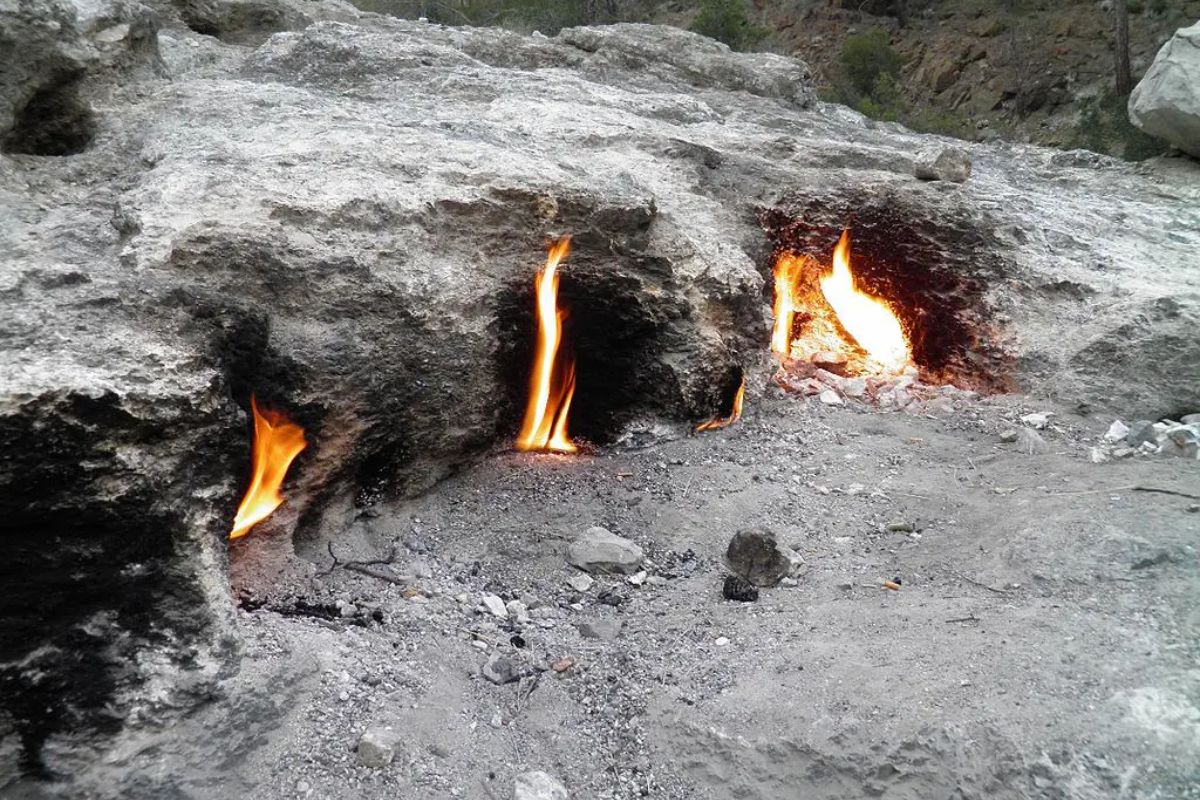
Companies in France and Australia Begin in 2025 the First Large-Scale Drilling in Search of a Gas That Does Not Need to Be Manufactured, Just Extracted from Nature, and Can Change the Future with This Clean Energy Source.
In 2025, the world turns its attention to a new and promising energy frontier: white hydrogen. Also known as geological hydrogen, it stands out for being a clean energy source found directly in nature. Unlike other forms of hydrogen, it does not need to be manufactured through expensive and complex industrial processes.
The urgency to decarbonize the economy and the search for energy security drives a true global race. Companies in France and Australia are at the forefront, with large-scale exploratory drilling scheduled to commence. The number of companies dedicated to exploration jumped from just ten in 2020 to over one hundred in 2025, signaling optimism around this new energy source.
What Is White Hydrogen and Why Is This Clean Energy Source So Promising?
White hydrogen, or geological hydrogen, is molecular hydrogen (H₂) found in its free gaseous form underground. It is considered a primary energy source because its formation occurs through natural geological processes, such as the reaction of water with iron-rich rocks (serpentinization) or the breakdown of water molecules by natural radiation (radiolysis).
-
A forgotten cord on the floor of a basement in Vienna leads a plumber to a box containing 30 kilograms of gold with Mozart’s face, hidden before World War II. The treasure, worth 2.3 million euros, was just centimeters away from a worker who ignored the sign a day earlier.

-
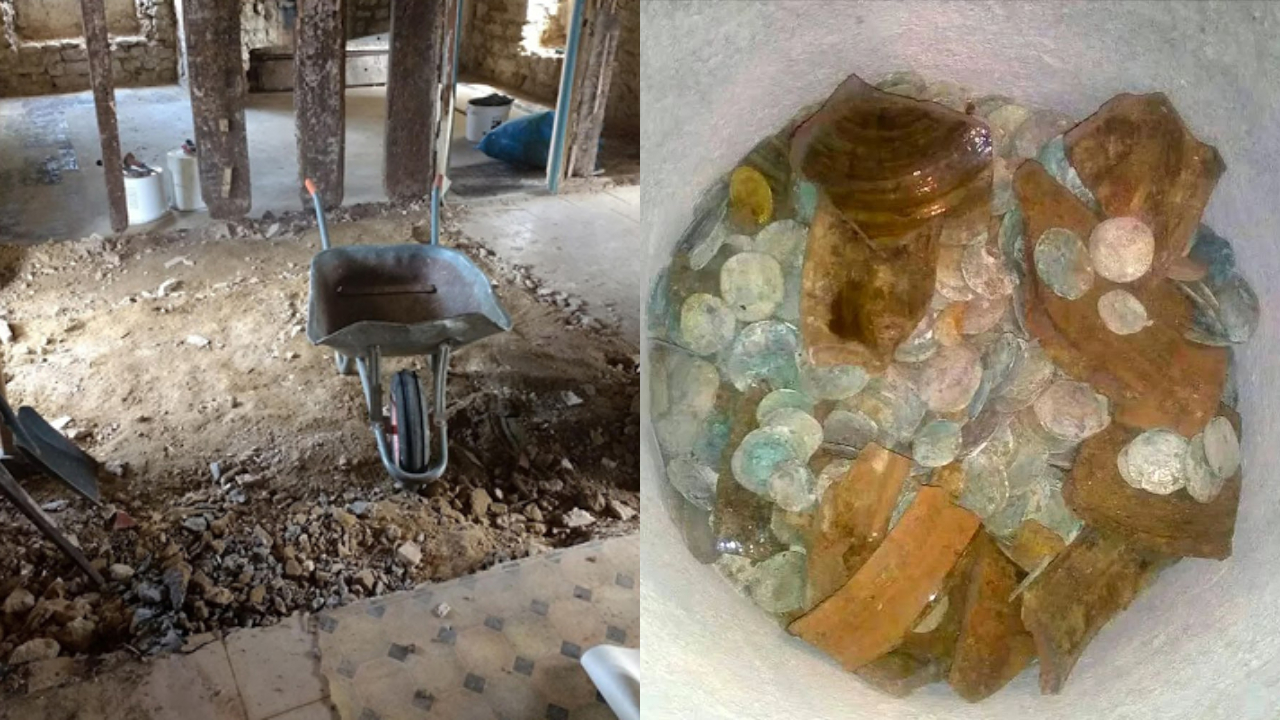
A couple buys an old chalet, breaks the kitchen floor for renovation, and finds over a thousand coins of gold and silver hidden since the English Civil War over 4 centuries ago.
-
Rigid bags with their days numbered: new trend prioritizes comfort in 2026.

-
YouTuber creates an excavator equipped with a giant 4.5-meter sword to challenge his brother to a rematch, and the invention quickly goes viral on social media.


Its main advantage is the potential for low cost and a low carbon footprint. Initial estimates indicate that its production cost could be less than US$ 1 per kilogram under ideal conditions. This value is very competitive compared to green hydrogen (produced by electrolysis), which can cost between US$ 3 and US$ 8 per kilogram. Additionally, its extraction has a potentially lower environmental impact in terms of land and water usage.
France and Australia at the Forefront: The Pioneering Projects of 2025

France has established itself as one of the epicenters of exploration in Europe. In the Lorraine region, the company La Française de l’Énergie (FDE) has identified reservoirs of this clean energy source that may contain an estimated total of 92 million tons of hydrogen. The company already holds exploration licenses and plans a pilot well with depths of up to 4,000 meters.
In Australia, Gold Hydrogen stands out with the Ramsay Project. The company has confirmed the existence of hydrogen with high purity levels, reaching up to 95.8%, along with the presence of the valuable helium gas. By 2025, Gold Hydrogen plans to drill at up to five new locations, aiming to enable the commercialization of both gases. Other companies, such as Koloma in the U.S., are also advancing with significant investments from giants like Amazon and Mitsubishi.
Why Could White Hydrogen Cost Less Than 1 Dollar?
The projected low cost is the main driver of the race for white hydrogen. This economic advantage, however, is bolstered by the frequent coproduction of helium, a high-value gas used in semiconductors and medical equipment. Revenue from helium sales can subsidize the production costs of hydrogen, making projects even more viable.
Incentive policies also play a crucial role. In the United States, the Inflation Reduction Act offers tax credits of up to US$ 3 per kilogram of clean hydrogen. In Europe, the REPowerEU plan sets ambitious production and import targets. These incentives help mitigate risks and attract the necessary investments to develop this emerging industry.
The Technical Obstacles for the New Clean Energy Source


Despite the optimism, extracting this clean energy source faces challenges. The technology for exploration is still in its early phase, with a Technology Readiness Level (TRL) estimated between 4 and 6, while mature technologies, such as gray hydrogen production, have a TRL of 9.
The main obstacles include developing efficient drilling techniques in complex geology, such as crystalline rocks, and creating solutions for purification, storage, and transportation. The purity of the hydrogen found can vary, and the presence of other gases requires separation processes that add cost and complexity. Transportation is also a challenge due to hydrogen’s low density and the risk of embrittlement of metal pipelines.
Could White Hydrogen Redefine the Global Geopolitical Map?
The emergence of white hydrogen has the potential to alter the global energy landscape. Countries with abundant geological resources may become new energy exporters, reducing dependence on oil and gas producing nations. For many countries, exploring a domestic resource represents a pathway to greater energy security and independence.
However, this reconfiguration is not without risks. New forms of dependency may arise, and the competition for access to the most promising reservoirs may generate tensions. Developing specific and harmonized laws and regulations will be crucial to ensure that the exploration of this new clean energy source is carried out safely, sustainably, and that its potential is fully realized.








Seja o primeiro a reagir!