





 Português
  Inglês
  Espanhol
  4 min de leitura
  0 comentários


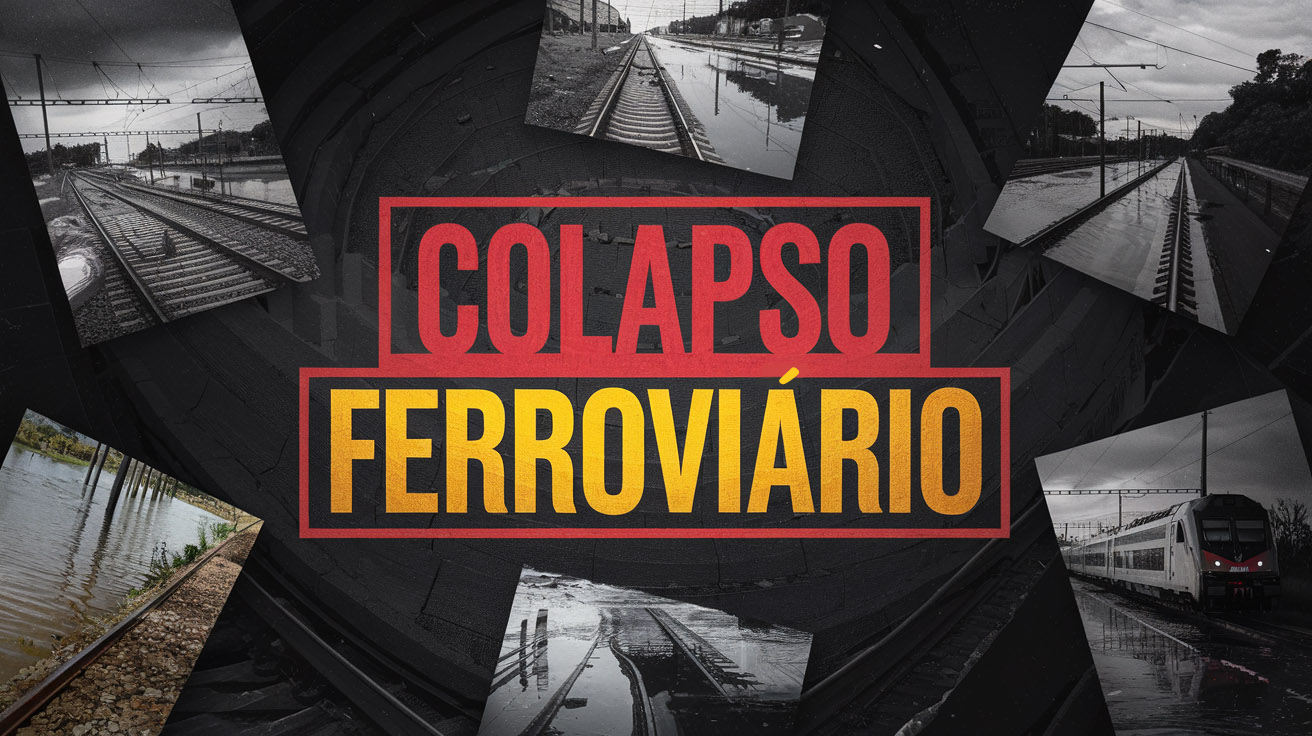
Brazilian State Faces Its Largest Rail Collapse. With 800 km of Destroyed Lines and Affected Businesses, the State Needs R$ 4 Billion to Recover Its Rail Infrastructure and Avoid an Even Greater Economic Collapse. Workers Have Been Laid Off and the Future of Railways is Uncertain.
The railway system of Rio Grande do Sul, which was once a pillar of the state’s economic development, is experiencing its worst crisis in decades.
The catastrophic floods of May 2024 destroyed more than 800 km of tracks, isolating the state from the rest of Brazil and seriously compromising its transportation logistics.
The impact is so profound that the estimated cost for the reconstruction of the railways may exceed the impressive figure of R$ 4 billion, according to estimates from the sector and public authorities consulted by the newspaper Correio do Povo.
-
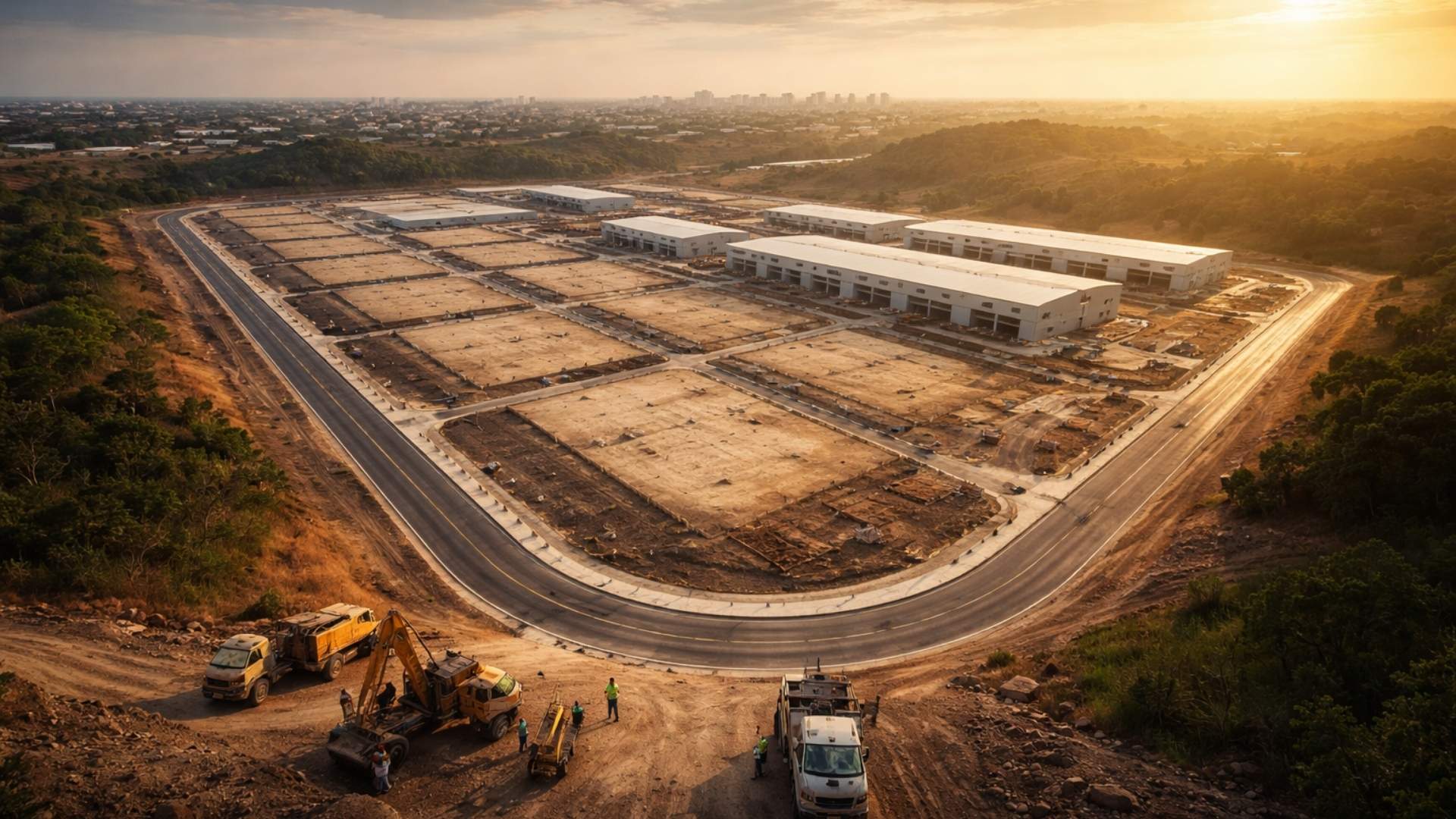
Brazilian city gains industrial hub for 85 companies that is equivalent to 55 football fields.

-
Peugeot and Citroën factory in Argentina cuts production by half and opens a layoff program for more than 2,000 employees after Brazil drastically reduced purchases of Argentine vehicles.

-
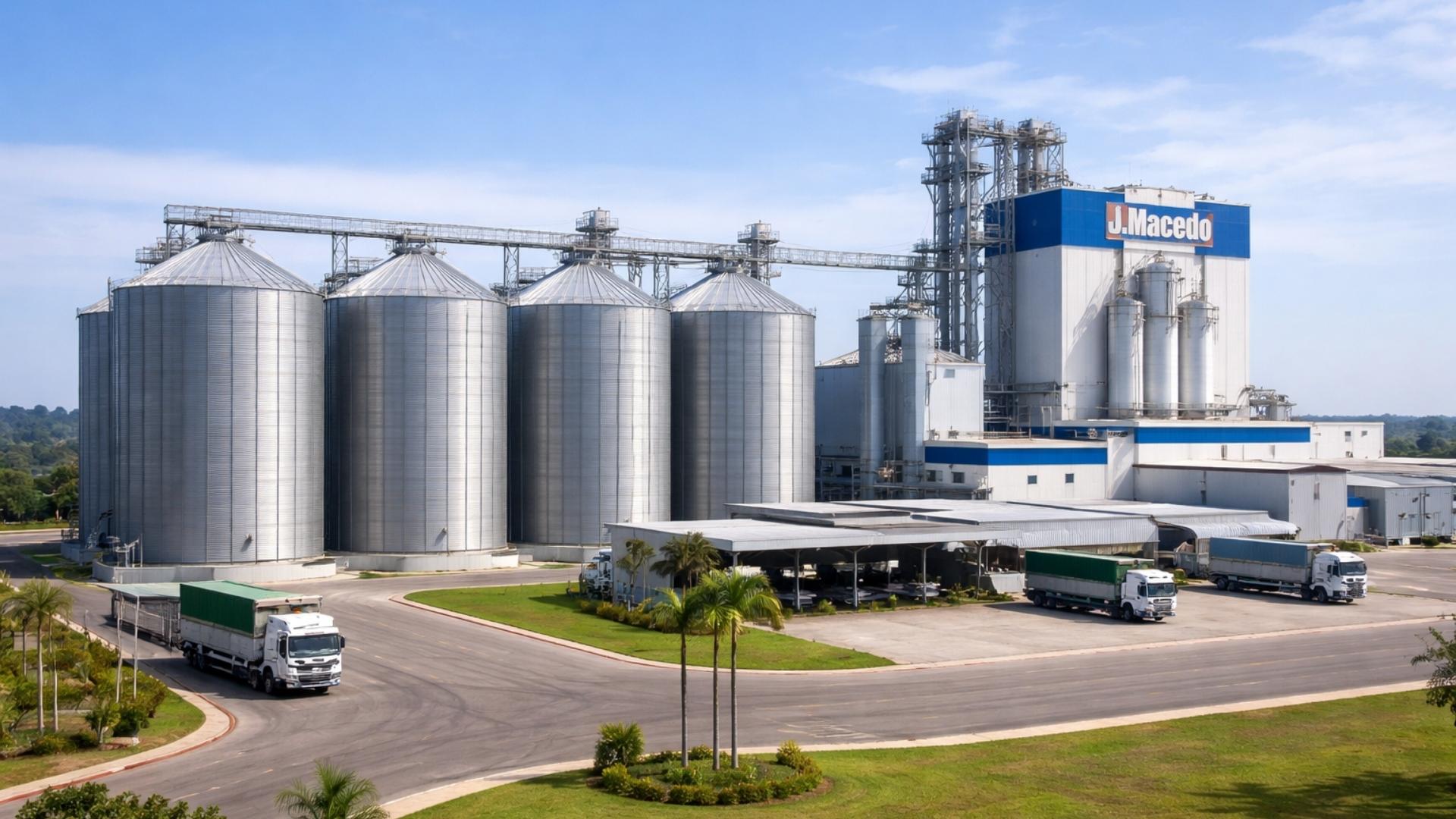
A Brazilian city gains a factory worth R$ 300 million with the capacity to process 200 thousand tons of wheat per year, a mill of 660 tons/day, silos for 42 thousand tons, and an industrial area of 276 thousand m².
-
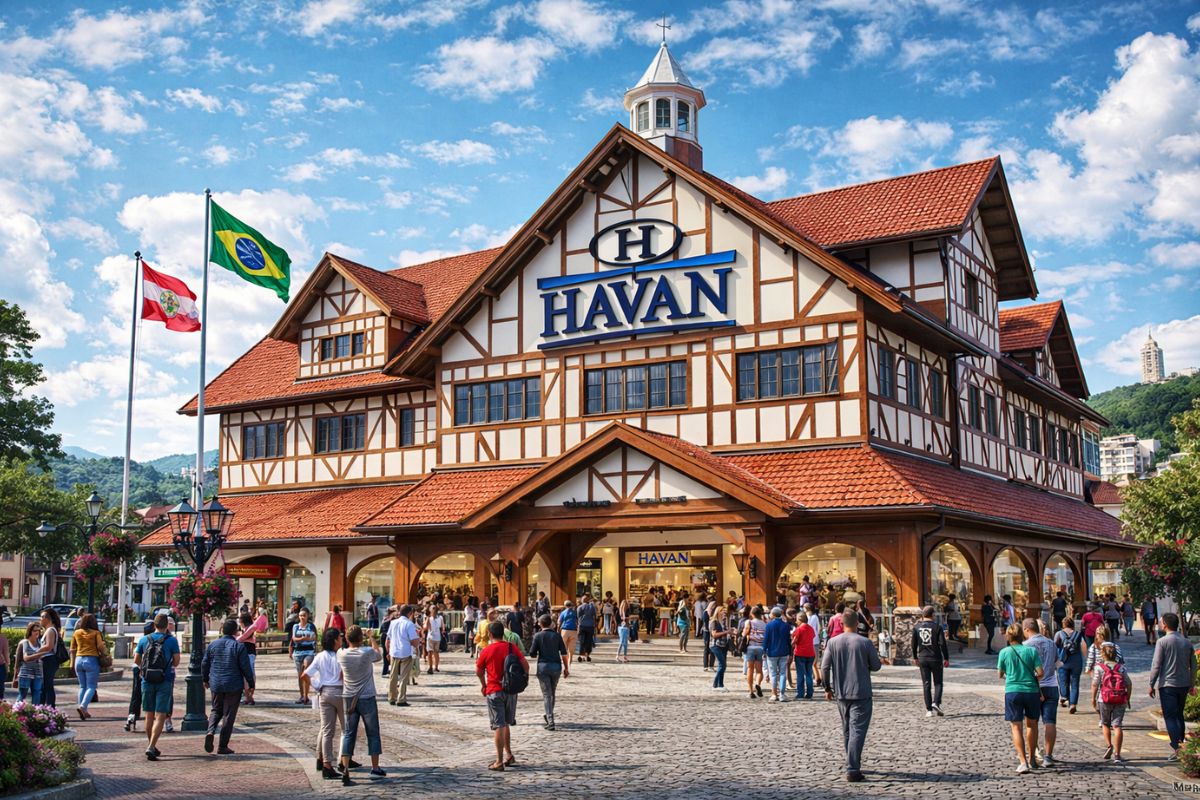
Havan will leave the shopping mall in Blumenau to inaugurate something that the chain has never done before: a megastore in half-timbered style in the Historic Center of the city, which is expected to be completed in May and change the landscape of local retail.

The destruction of rail lines directly affected the transport of essential goods, such as grains, fuels, and chemicals, harming large companies and thousands of workers who depend on this infrastructure to survive.
The situation is so critical that experts warn of a possible regional economic collapse if a viable solution is not urgently implemented.
Mass Destruction: Unused Rail Lines
According to information from Correio do Povo, torrential rains deeply damaged the railway network in two of the state’s most strategic sections: the Canoas-Vacaria branch and the Porto Alegre-Uruguaiana route, which connects Brazil to Argentina and Paraguay.
Bridges collapsed, tunnels were blocked by landslides, and tracks were twisted by the force of the waters, interrupting the transport of goods and isolating entire cities.
The state depends on these railways for the transport of agricultural commodities such as soybeans, corn, and wheat, as well as petrochemicals.
Companies like Refinaria Alberto Pasqualini (Refap) and Braskem, located in the Metropolitan Region of Porto Alegre, were seriously affected.
“About 80% to 85% of Braskem’s logistical transport was done by trains before the floods”, reported Correio do Povo.
Since then, the company has had to use trucks and ships to maintain its minimum operations, increasing its logistical costs.
Workers Laid Off and Families in Desperation
The destruction of the railway network has also brought devastating consequences for workers in the sector.
According to the president of the Railway Workers Union of Rio Grande do Sul (Sindifergs), João Calegari, more than 330 workers have been laid off, while another 80 employees were reassigned to railways in other states, such as Paraná and Santa Catarina.
“We are concerned not only about the lack of transportation in RS but also about the situation of families who depend on this system,” Calegari declared to Correio do Povo.
The lack of jobs and the end of temporary contracts have increased food insecurity and social vulnerability in the most affected areas.
Many railway workers stated that there is no forecast for rehire, as recovery works may take more than a year, according to preliminary estimates from the National Agency of Land Transport (ANTT).
Companies Pressure Government and Concessionaire
The concessionaire Rumo Logística, responsible for the operation of the railways in Rio Grande do Sul, stated to Correio do Povo that it maintains constant contact with public authorities to find a definitive solution.
However, the company’s concession contract is close to expiration, expected in 2027, leading to a stalemate over who will be responsible for the billion-dollar investment in the recovery of railway infrastructure.
According to the Ministry of Transport, negotiations are progressing slowly due to the complexity of the project and the need for substantial resources.
The company claims that the damages exceed the amount projected for regular maintenance and that it cannot bear the costs alone.
Rail Infrastructure Abandoned for Decades
Even before the floods, the railway system in Rio Grande do Sul was already facing serious structural problems.
According to Correio do Povo, over the past few decades, the active railway network in the state has been reduced from 3,150 km to just 1,650 km, primarily due to lack of investment and inefficient management by the concessionaire companies.
Many sections have been deactivated because they were considered economically unviable, while others have been abandoned after decades without maintenance.
Corroded bridges, rusty tracks, and disused railroad stations are pictures of a glorious past that seems increasingly distant.
Study Warns of Future Risks
A report published by the Ministry of Transport in 2023 already warned of the increased frequency of natural disasters that could compromise the transport infrastructure in Brazil, especially the railways located in risk areas, such as the Porto Alegre-Uruguaiana Railway.
The study, conducted in partnership with the National Institute for Space Research (Inpe), revealed that 60% of Brazilian railway lines are vulnerable to extreme weather events, such as floods and landslides.
The report recommended the modernization of railway structures and the implementation of public policies to prevent disasters, but few advances have been recorded so far.
With the railway system in Rio Grande do Sul in ruins and its regional economy compromised, will the state be able to reconnect to the rest of Brazil?
The challenge is immense, but time is running out for economic recovery. The Correio do Povo will continue to follow the developments of this historic crisis.








-

-

-

-

-

10 pessoas reagiram a isso.