





 Português
  Inglês
  Espanhol
  5 min de leitura
  0 comentários


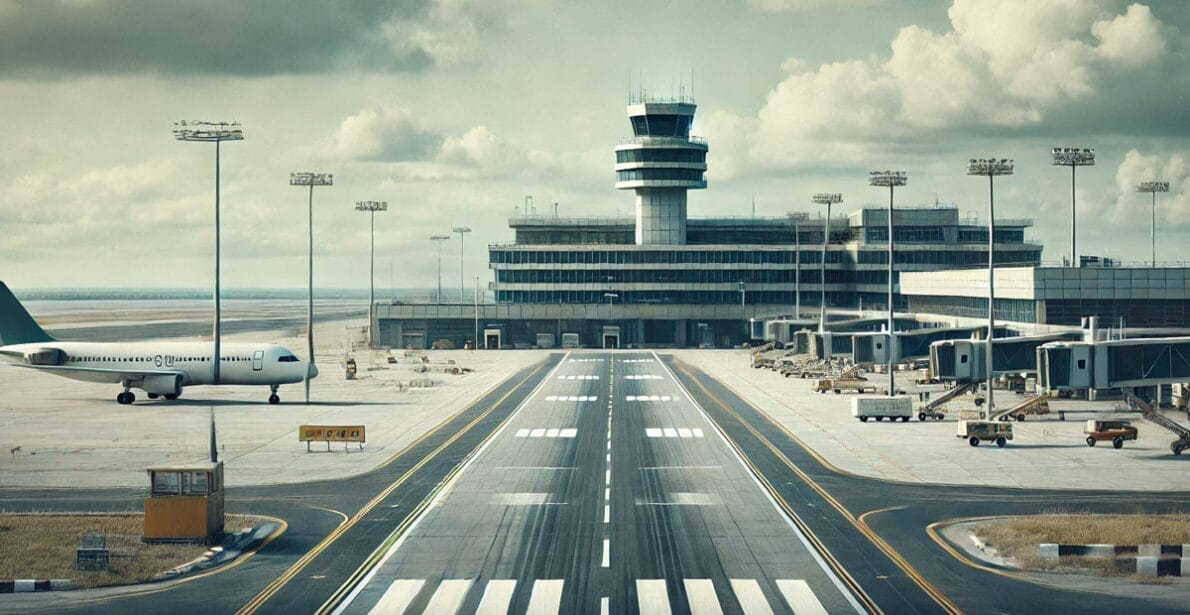
The Interior of São Paulo Prepares for the Arrival of a New International Airport. The Project Is Part of the Largest Regional Aviation Plan in Brazil, Which Promises to Transform Tourism and Logistics in the Country, Generating Jobs and Connecting New Regions.
A new era for Aviation in Brazil is about to begin, and it has everything to do with the interior of São Paulo.
In the heart of the state, a city that is already famous for its thermal waters is now preparing for an even greater leap.
The promise of a new international airport in Olímpia is about to come true, bringing not only improvements in connectivity and logistics but also a direct impact on tourism and the regional economy.
-
Brazilian city gains industrial hub for 85 companies that is equivalent to 55 football fields.

-
Peugeot and Citroën factory in Argentina cuts production by half and opens a layoff program for more than 2,000 employees after Brazil drastically reduced purchases of Argentine vehicles.

-
A Brazilian city gains a factory worth R$ 300 million with the capacity to process 200 thousand tons of wheat per year, a mill of 660 tons/day, silos for 42 thousand tons, and an industrial area of 276 thousand m².

-
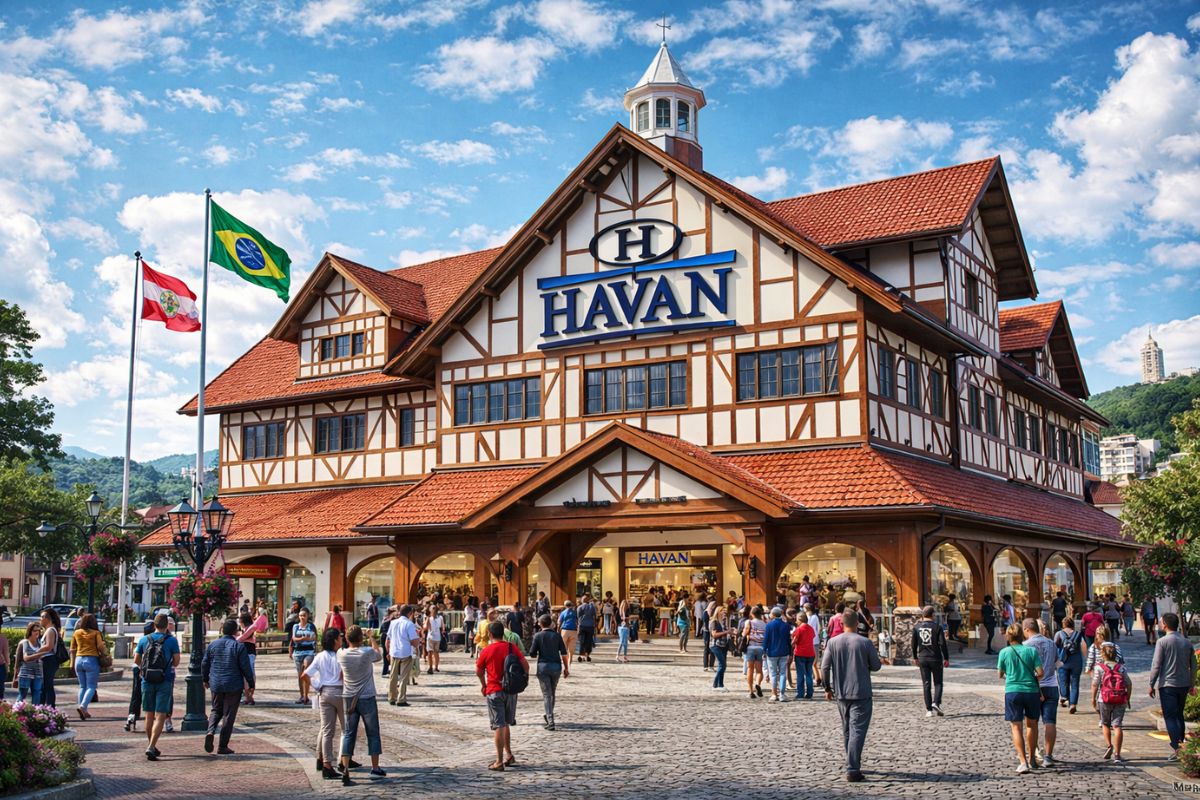
Havan will leave the shopping mall in Blumenau to inaugurate something that the chain has never done before: a megastore in half-timbered style in the Historic Center of the city, which is expected to be completed in May and change the landscape of local retail.

The North Paulista International Airport, as it will be known, is part of an ambitious aviation plan announced by the federal government.
This project is no small feat: more than 130 airports across Brazil are scheduled to be renovated or built, with the goal of strengthening regional aviation and improving access to strategic areas.
Olímpia is one of the key points of this transformation, and the impact could be enormous, especially in tourism and agribusiness.
Achievements and Promises: The Role of Olímpia in the Project
The city of Olímpia does not hide its pride in being one of the chosen ones to host a new international airport.
Mayor Fernando Cunha celebrated on his social media, highlighting what he called a “historic achievement.”
According to his words, “This is a historic achievement and a source of pride for our city. A legacy we will leave in our management to change the future of Olímpia.”
This enthusiasm is understandable, as the construction is expected to have a profound impact on local economic development, attracting more tourists and expanding business opportunities.
The project for the new airport is budgeted at over R$ 140 million, and its construction is considered strategic for the development of regional aviation.
As highlighted by the Minister of Ports and Airports, Silvio Costa Filho, in an interview with CNN, the airport in Olímpia is just one of the facilities included in the development plan.
“Infraero is bidding for 20 new airports. One example is the airport in Olímpia, which is a project of over R$ 140 million, very important for the regional tourism there in Olímpia. This airport is strategic.”
Regional Aviation in Focus: How the Plan Impacts Brazil
The aviation development plan, which encompasses 130 units, aims not only to serve tourism but also to boost agribusiness and improve access to public health.
This project promises to create a significant impact on the country’s internal connectivity, facilitating access to regions that previously had complicated logistics.
For Minister Silvio Costa Filho, the goal is clear: to strengthen regional aviation and ensure that important areas like Olímpia and other regions can develop.
By the end of this year, the expectation is that around 30 airports will be delivered already renovated or constructed.
According to the minister, this goal mainly includes smaller terminals that are part of concessions to the private sector.
“By December, we will deliver around 30 renovated airports in Brazil. This is a priority for us by the end of this year,” said Costa Filho.
The focus is on efficiency and improving regional air transport, something that will directly impact tourism and business in various parts of the country.
Concessions and the Future of Aviation: What’s Coming Up?
One of the pillars of this plan involves airport concessions that include not only new airports but also the modernization of large existing terminals.
An example of this is Guarulhos Airport, whose current concession expires in 2032.
As pointed out by the minister, the goal is to test a new concession model that allows the inclusion of up to 80 regional airports in contracts with the current concessionaires.
This approach aims to increase efficiency in management and ensure that more regions of the country benefit from improvements in airport infrastructure.
In the case of Olímpia, the forecast is that the airport will be among the 20 new terminals whose bidding will be conducted by Infraero in the coming months.
The construction of the airport may take up to five years to complete, according to government estimates.
The plan includes deadlines of up to 48 months for the completion of some works, but the overall goal is for the complete regional aviation project to be delivered by 2029.
Local Impact: What the Airport Means for Olímpia
The new North Paulista International Airport is seen as a watershed moment for Olímpia.
In addition to generating 5,000 direct and indirect jobs during its construction, the expectation is that it will also boost the flow of tourists to the city, known for its thermal waters and resorts.
With the increase in air connectivity, Olímpia can further establish itself as one of the main tourist hubs in the interior of São Paulo.
For the local economy, the impact goes far beyond tourism.
Agribusiness will also be one of the main beneficiaries, as the airport will allow for quicker distribution of products to other regions of the country and even abroad.
Public health, another sector highlighted by the minister, can also benefit from increased air connectivity, facilitating the movement of professionals and patients.
What Is the Future of Aviation in Brazil?
With the construction and renovation of more than 130 airports, Brazil is preparing for a true revolution in regional aviation.
The new International Airport of Olímpia is just one piece of this puzzle, but a fundamental piece for the development of the interior of São Paulo.
The question that remains is: is Brazil ready for this leap in airport infrastructure? How will the country deal with the challenges of implementing a project of this magnitude in the coming years?








Seja o primeiro a reagir!