





 Português
  Inglês
  Espanhol
  4 min de leitura
  0 comentários


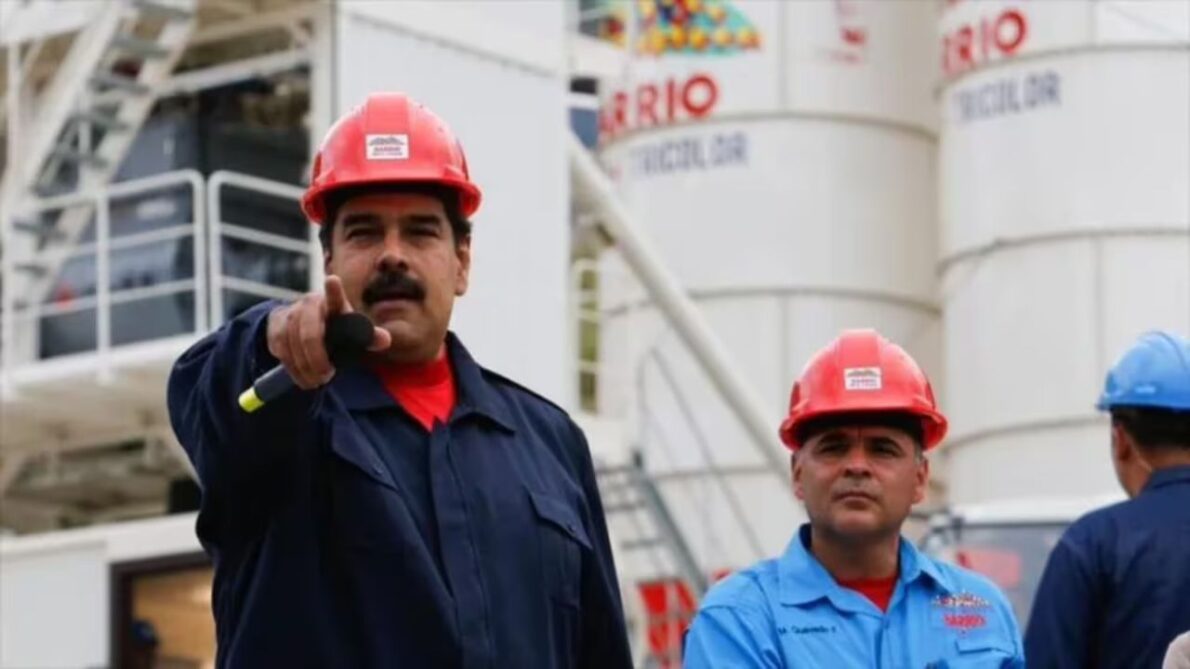
The Fall of Maduro’s Empire? U.S. Prepares Study That Could Cut 30% of Venezuela’s Oil Revenues and Shake the Dictatorship!
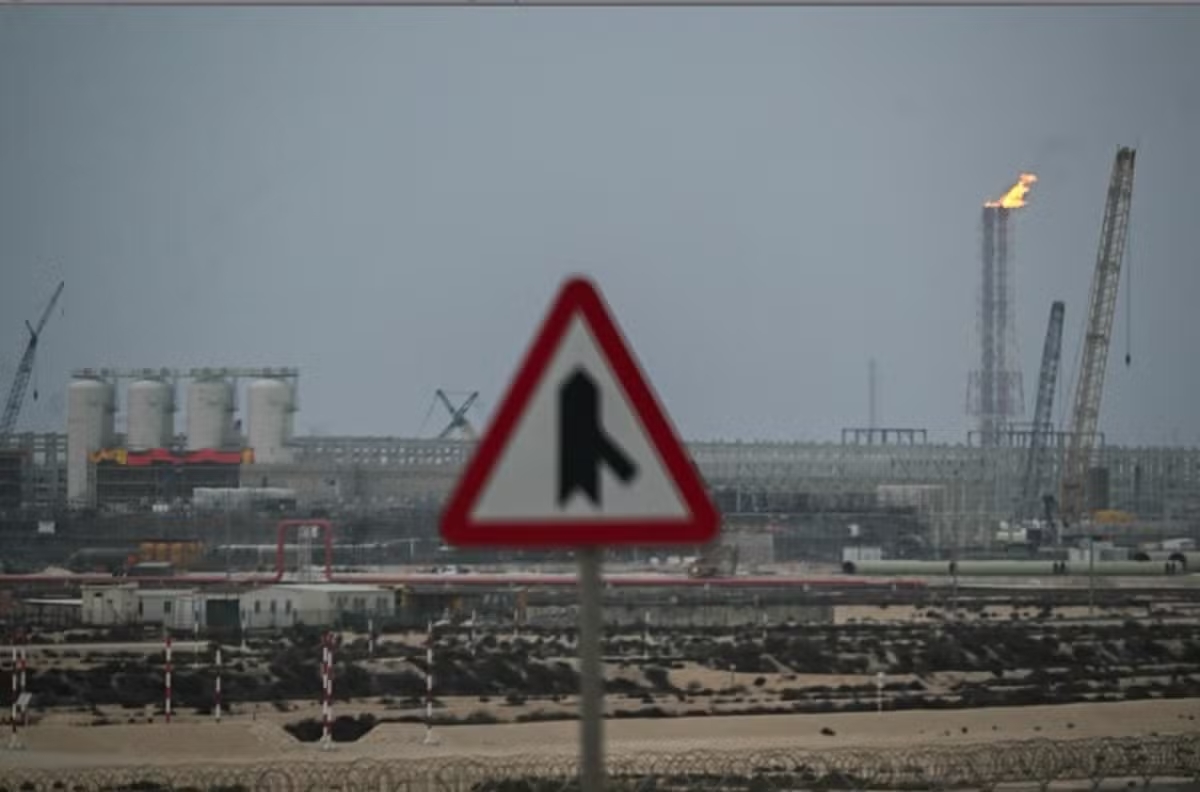
The White House has begun a technical-political study to determine whether the abrupt decline in hydrocarbon production in Venezuela affects the dictatorship, impacts the U.S. economy, and shakes the energy market. This is a race against time: Maduro plans to take office on January 10, 2025.
The Dilemma of Chevron and the Dialogue with the Venezuelan Opposition
(From Washington, United States) The White House is considering suspending Chevron’s license, which authorizes the company to extract oil in Venezuela, as a way to force a dialogue between dictator Nicolás Maduro and the political opposition. The aim is to allow Edmundo González Urrutia to return from exile in Spain to assume the presidency on January 10, 2025.
The Biden administration has already imposed legal, financial, and diplomatic sanctions against the entire structure of the populist regime, but this strategy to prevent electoral fraud and the constant violation of human rights has had little impact. Maduro’s state and paramilitary troops have tortured and killed dozens of opponents in Venezuela, and González Urrutia, presidential candidate, had to flee to Madrid for fear of unlawful imprisonment ordered by the judiciary, which answers to the dictatorial regime.
-
Offshore industrial demand in Macaé skyrockets with the recovery of oil and gas and could grow by up to 396% by 2026 in the Campos Basin.
-
Offshore industrial demand in Macaé surges with the recovery of oil and gas and could grow by up to 396% by 2026 in the Campos Basin.
-
Brazilian giant expands borders in the Southeast: Petrobras confirms new oil discovery in ultra-deep waters in the pre-salt of the Campos Basin.
-
Alert in the global energy market: Severe tropical cyclone hits the coast and disrupts gas production at major plants in Australia, threatening global supply.

The Technical-Political Study of the United States
In this context, the National Security Council, the State Department, and the Department of Energy of the United States have initiated an in-depth technical-political study to assess whether suspending the oil extraction license granted to Chevron could serve as leverage to open a negotiation process, culminating in González Urrutia’s inauguration as president of Venezuela.
Chevron, Maduro, and the Venezuelan opposition – represented by González Urrutia and María Corina Machado – already know that the Biden administration is considering suspending the oil extraction license, which started in 2022 and has been renewed without problems every six months.
Impacts of Suspending Chevron’s License
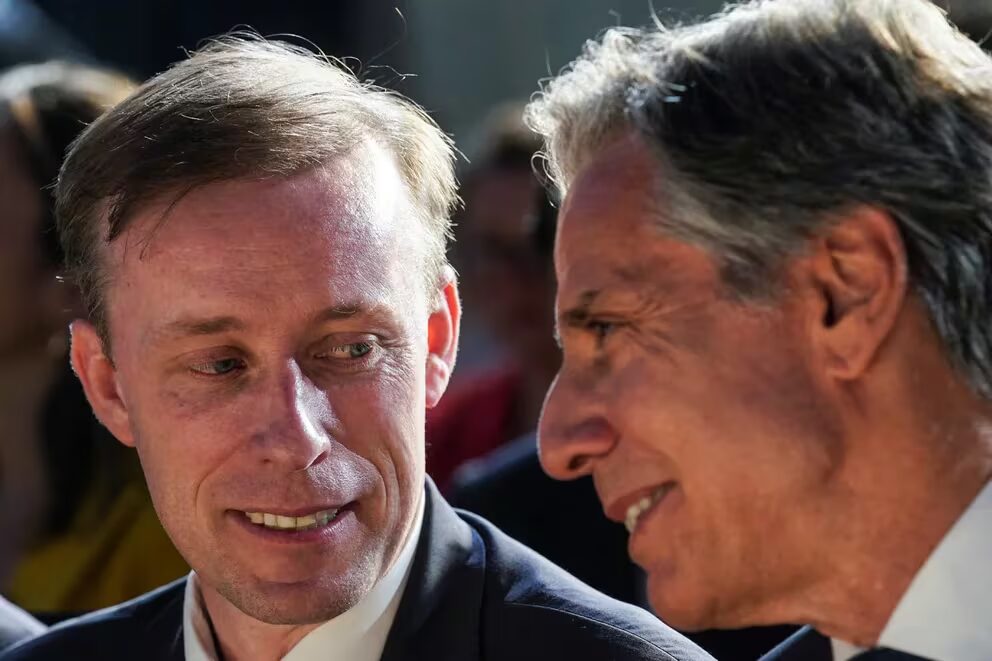
“Are measures beyond individual sanctions being considered that could affect Venezuela’s oil sector? For example, are restrictions on the license of Chevron or other foreign companies already operating in the country being discussed?”, was asked yesterday at the White House.
“We are constantly and closely monitoring the political and economic developments in Venezuela, and we are committed to calibrating our sanctions policy appropriately, in response both to the events on the ground and to the wider national interests of the United States”, responded a spokesperson for the Biden administration.
This response reflects the logic of power that seeks to balance Kamala Harris’s electoral agenda, Chevron’s economic-financial strategy, and the political needs of the Venezuelan opposition.
Chevron’s Position and Economic Concerns
Biden will not make any decision that could complicate Harris’s campaign. Suspending Chevron’s license could eventually increase fuel prices due to supply shortages. And Washington still remembers that Jimmy Carter lost reelection to Ronald Reagan because of rising gasoline prices and the hostage crisis.
Chevron’s directors have already visited the West Wing of the White House and argued that suspending the license could cause shortages, rising prices per gallon, and a new wave of illegal immigration, as a consequence of declining revenue in the complex Venezuelan economy.
Mike Wirth, CEO of Chevron, reinforced the American company’s arguments during a conference call in early August. “We’re there (Venezuela) to help develop the economy, support the population, create jobs, and not to get involved in politics, which can change from one party to another in any country”, he stated. He added: “We do not have a role in choosing governments. We are a commercial actor, not a political actor”.
Consequences for Venezuela and the United States
The National Security Council and the State Department have sufficient evidence to respond to Chevron’s staff arguments, which came to the White House to suggest that a potential suspension of the license could cause chaos in energy supply.
The oil company produces about 200,000 barrels per day, an amount that would not impact the global market if Chevron is prevented from continuing to extract oil in Venezuela. With regard to barrel prices, it is unlikely that they would spike in the United States due to falling demand.
On the other hand, suspending the license could cause economic and political upheaval in the Venezuelan dictatorship. The 200,000 barrels per day represent about 20% of national oil exports and approximately 30% of the regime’s oil revenue.
The Future of U.S.-Venezuela Relations
“Maduro’s regime remains in power using oil revenues, which depend on U.S. intervention,” pointed out Democratic Senator Dick Durbin, majority leader in the Senate.
“The message must be clear and direct: the United States will no longer do business with Maduro’s dictatorship,” stated Republican Representative María Elvira Salazar while presenting a bill to prevent American companies from doing business with Maduro’s regime.
Despite the presidential campaign that pits Harris against Trump, senators and representatives from both parties agree on the need to impose economic sanctions on the populist regime. The goal is to suffocate the dictatorship so that it accepts a negotiation table with González Urrutia and María Corina Machado.
The White House shares the Congress’s strategy, but it will take time to make a decision.










Seja o primeiro a reagir!