





 Portuguese
  English
  Spanish
  3 min of reading
  0 comments



Increase In Consumption And Industrial Demands Threaten Electricity Supply In The USA And The World!
According to the USA, they are facing a growing energy crisis, with consumption on the rise and industrial demands surpassing current capacity. As the global population continues to grow and urbanization expands, the challenges of meeting this demand become increasingly critical. This article explores the causes and implications of this energy crisis, analyzing the role of artificial intelligence, industrial expansion, and energy policies.
The Impact Of Population Growth And Urbanization
On November 15, 2022, the world population reached 8 billion, according to the UN, and this number has been steadily increasing since the 1960s. This population growth and urbanization have put pressure on natural resources and energy infrastructure. It is estimated that by 2050, 60% of the global population will be living in urban centers, requiring a 50% increase in food and energy production compared to 2012.
Currently, the food sector is responsible for 40% of global greenhouse gas emissions, using 70% of available freshwater and consuming 30% to 40% of global energy. In the United States, this demand is exacerbated by the growing energy needs in states like Georgia and Arizona, which are already struggling to meet industrial and residential demand.
-
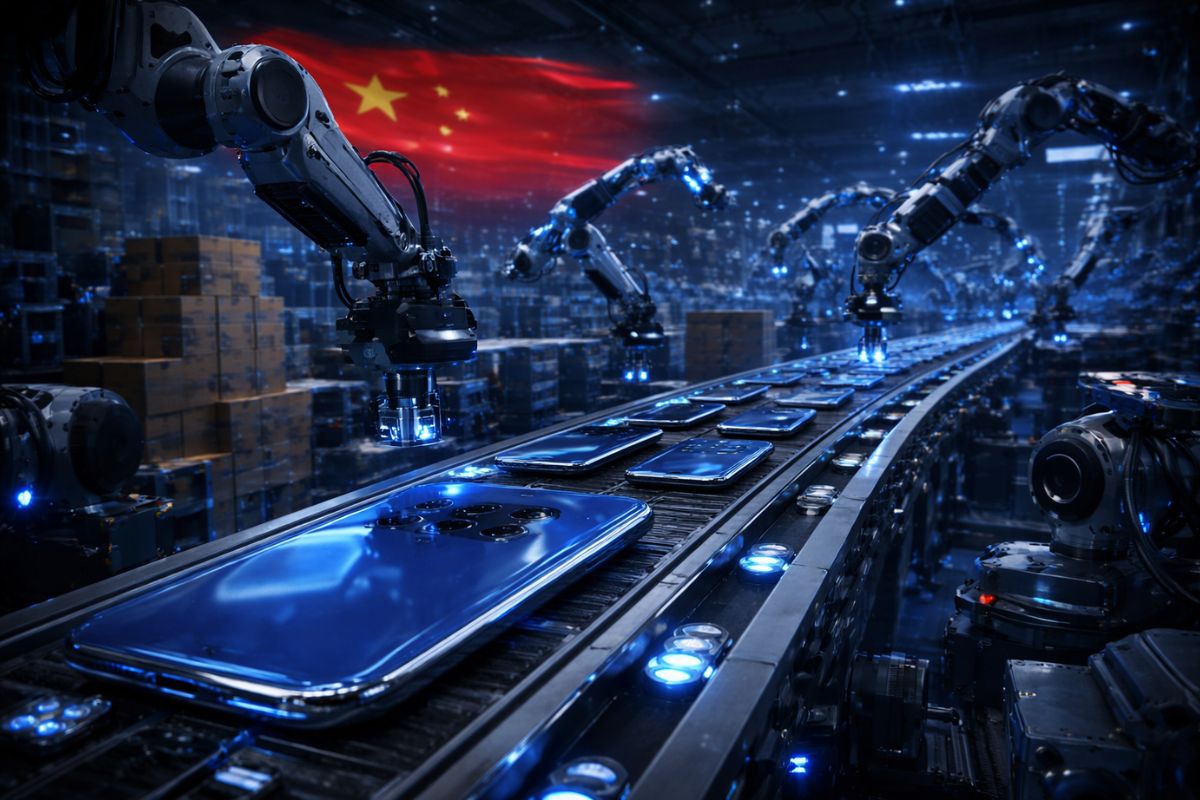
China inaugurates a ghost factory that operates in the dark 24 hours a day without any human workers and produces 10 million smartphones a year using 97% of equipment developed by the company itself.
-
A thousand-year-old caliphate city may be hidden beneath a pasture in Spain where anyone could walk by without noticing anything, but LiDAR technology has revealed terraces, walls, and a planned urban grid beneath the surface.

-
In 2028, Earth will cross debris left by the Swift-Tuttle comet in 1479, and the world’s most famous meteor shower could turn into a storm of hundreds of shooting stars per hour, a phenomenon that hasn’t occurred since before Columbus arrived in America.

-
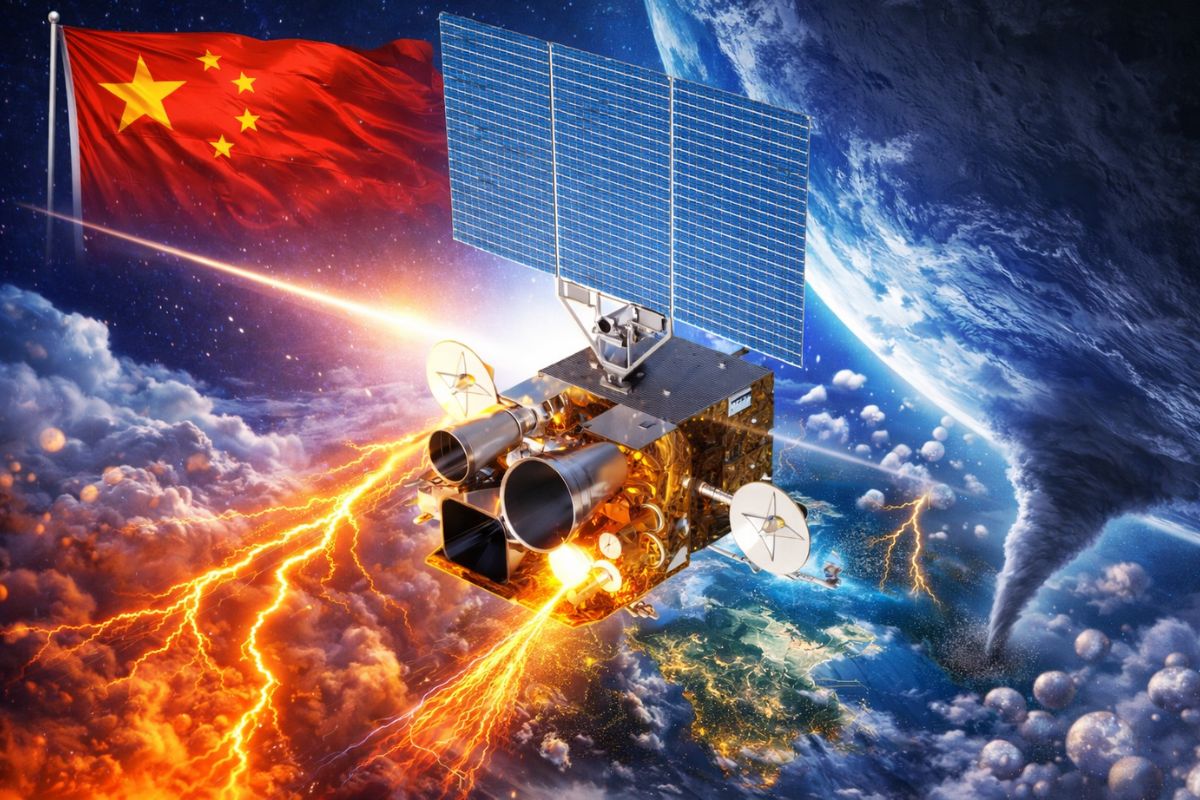
China launches the world’s most advanced weather satellite with 6 scientific instruments, a lightning detector, and artificial intelligence capable of predicting storms, tornadoes, and hail with unprecedented accuracy.

The Role Of Artificial Intelligence And Data Centers
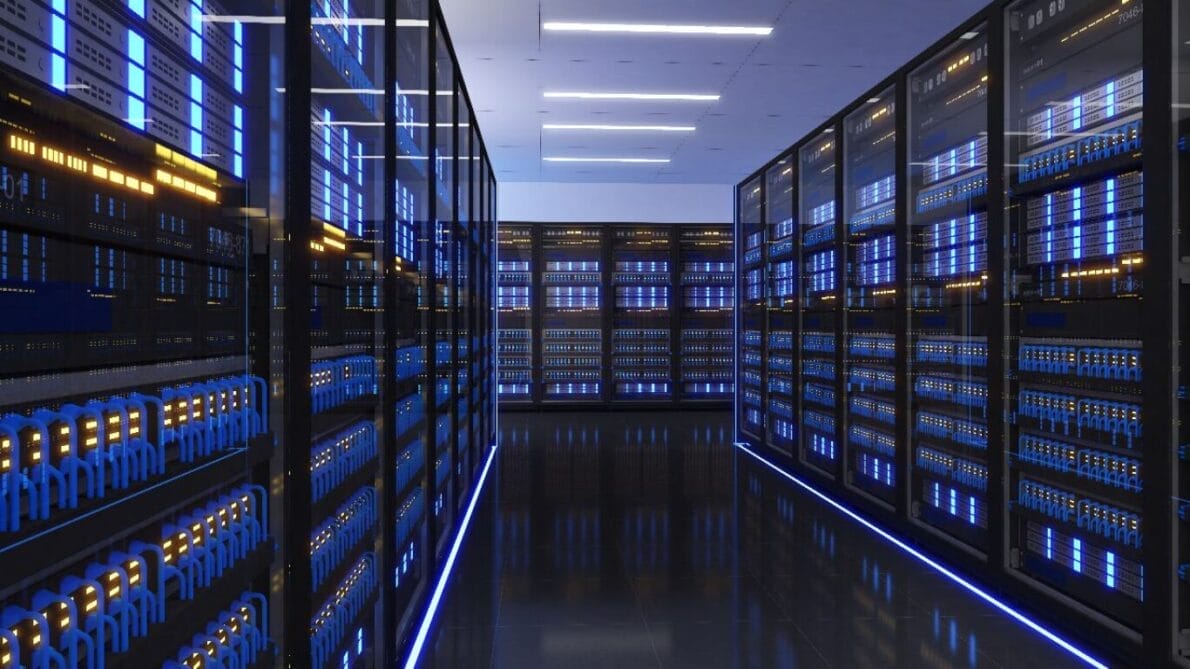
Data centers are emerging as a new villain in electricity consumption. The construction of large computing infrastructure warehouses requires a significant amount of energy, surpassing that of traditional processing centers. Thus, technology companies like Microsoft, Amazon, and Apple are rapidly expanding their data centers, increasing pressure on the energy system.
The construction of these centers in Northern Virginia and Texas will require the capacity of several nuclear power plants to meet the demand. According to the International Energy Agency, data centers consumed more than 4% of electricity in the USA in 2022, with predictions to reach 6% by 2026.
Challenges And Solutions For The Energy Crisis
The Biden government’s industrial policy has attracted companies to build factories in the USA, especially in clean technology, such as solar panels and batteries for electric cars. However, industrial expansion and the race for electricity have sparked debates on how to finance new energy supplies and the need to extend the lifespan of fossil fuel plants.
Energy efficiency is a viable solution to reduce electricity demand. However, between 2006 and 2021, energy efficiency helped reduce demand by 220 TWh, equivalent to the annual consumption of Florida. Nevertheless, investments in sustainable programs have decreased since 2019, hindering the construction of new clean energy infrastructures like battery, wind, and solar plants.
The Future Of Electricity In The USA
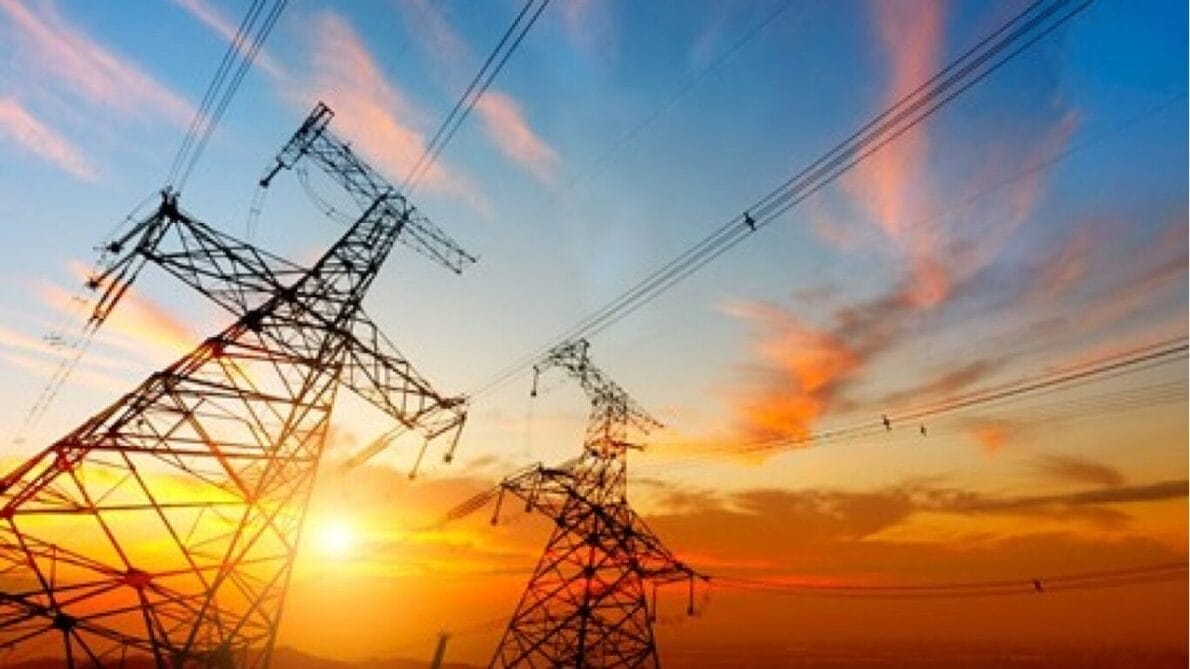
The real challenge is whether the USA can meet the growing energy demand without resorting to fossil fuels. Energy Innovation suggests that clean and cheap solutions are available, but they require political will and sustainable investments. The construction of high-voltage transmission lines is crucial to integrate new energy sources, but it faces political and financial obstacles.
Therefore, the USA’s ability to overcome this energy crisis will depend on political decisions and strategic investments. Thus, the government must decide between allowing energy suppliers to continue relying on fossil fuels or forcing them to adopt cleaner solutions. The response to this crisis will define the future of electricity in the country and its global impact in the fight against climate change.







Seja o primeiro a reagir!