





 Portuguese
  English
  Spanish
  4 min of reading
  9 comments


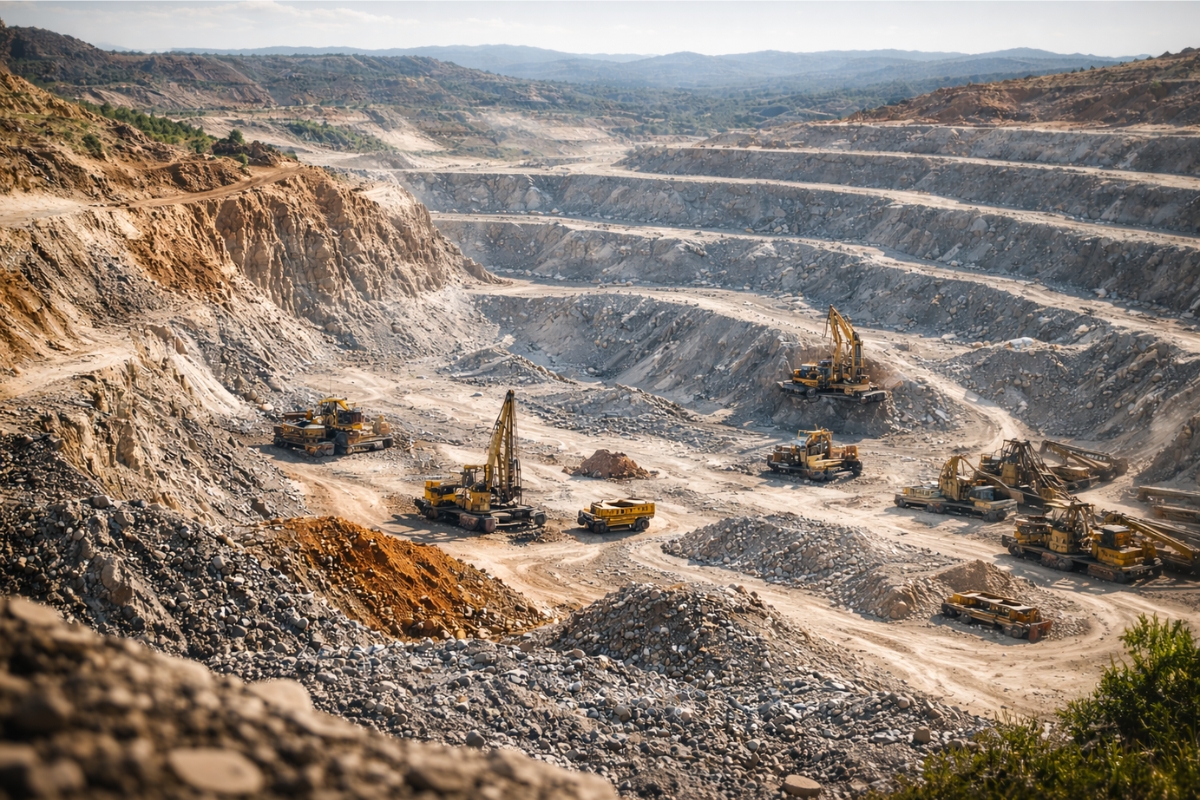


In The United States, US Government Made An Offer Of Up To US$ 100 Billion In Credit For 54 Countries, Including Brazil, To Finance Projects And Map Critical Minerals, Triggering Debate On Mineral Sovereignty And Drawing The Attention Of Brazilian Authorities And The Mining Sector.
The Global Competition For Critical Minerals Has Gained A New Chapter And Placed Brazil At The Center Of An International Strategy Led By The United States.
The US government Presented A Proposal To Create An International Bloc Focused On The Exploration And Financing Of Minerals Considered Strategic For Defense And High Technology. The Initiative Involves 54 Countries And Promises To Mobilize Up To US$ 100 Billion In Credit Capacity.
The Movement Comes Amid A Strong Concentration Of The Global Supply Chain Of These Minerals In China, A Scenario Seen By Washington As A Direct Risk To Its Industry And National Security.
-
The government requests the Federal Revenue Service for a new system to automate the income tax declaration, reducing errors, time, and bureaucracy for millions of Brazilians.

-
Pix in installments, international Pix, and contactless payment without internet: the Central Bank revealed the new features coming to the tool that is already used by almost every adult in Brazil.

-
Mercado Livre has just started selling medications with delivery in up to three hours to your door, and this move could completely change the way Brazilians buy medicines on a daily basis.

-
In Dubai, rising tensions from the war in the Middle East are causing super-rich individuals to leave the Gulf and direct their fortunes to a new financial refuge in Asia.


Invitation From The United States Targets 54 Countries With High Mineral Potential
The Proposal Was Presented As An International Partnership. The Goal Is To Attract Nations With High Geological Potential, Such As Brazil, Indonesia, And African Countries.
The Plan Offers Financial Support And Technical Cooperation For Two Major Historical Bottlenecks In Global Mining: The High Cost Of Capital And Limited Knowledge About The Subsurface.
During The Presentation Of The Initiative, The Vice President Of The United States, JD Vance, Highlighted That Participating Countries Would Have Access To Structured Private Financing Based On Public Credit Instruments.
According To Him, The Financing Capacity Could Reach US$ 100 Billion Through The Office Of Strategic Capital.

Agreements With Argentina And Mexico Were Made Hours After The Announcement
Just A Few Hours After The Invitation Was Announced, The United States Signed Mineral Cooperation Agreements With Argentina And Mexico.
The Agreements Provide For Financing And Support For Geological Mapping, Indicating That The Strategy Has Already Begun To Take Shape.
The Movement Draws Attention Because It Demonstrates Speed In International Coordination And Reinforces US Interest In Restructuring The Global Supply Chain Of Critical Minerals.
Brazil Has More Than 70 Percent Of Its Territory Without Detailed Geological Mapping
In The Case Of Brazil, The Scenario Is Considered Challenging.
Currently, Only About 30 Percent Of The Continental Territory Is Mapped At A Scale Of 1 To 100,000, Considered One Of The Most Accurate For Identifying Mineral Resources.
In Practice, This Means That More Than 70 Percent Of The Country’s Geological Potential Is Still Unknown.
Companies In The Sector Claim That The Brazilian Geological Service Operates With A Budget Much Lower Than Necessary To Properly Assess The National Mineral Resources.
This Detail Draws Attention Because It Reveals A Historical Gap That Could Directly Impact The Country’s Ability To Seize Strategic Opportunities.
Critical Minerals Require High Investment And Face Credit Barriers
Financing Is Another Major Obstacle To The Advancement Of Mineral Projects In Brazil.
Many Mining Companies, Especially Small And Medium-Sized Ones, Find It Difficult To Raise Funds. The Reason Is Clear: Lack Of Consolidated Assets, Absence Of Recurring Cash Flow, And Limited Operational History.
The Scenario Becomes Even More Sensitive When It Comes To Critical Minerals, Such As Rare Earths.
These Projects Require High Investments, Long Maturation Periods, And Involve Geological, Technological, And Market Uncertainties. As A Result, The Risk Perceived By Financiers Increases And The Cost Of Credit Rises, When It Doesn’t Completely Invalidate Access To Resources.
Brazilian Government Evaluates Proposal With Caution And Raises Concerns
Despite The Attractive Financial Potential, Members Of The Brazilian Government Evaluate That The Proposal Needs To Be Examined With Caution.
There Are Concerns About Possible Trade Conditions, Exclusivity Risks, And Impacts On The Autonomy Of Brazilian Trade Policy.
Another Sensitive Point Involves External Participation In Geological Mapping Activities, Which Could Generate Debates About Mineral Sovereignty And The Control Of Strategic Subsurface Information.
There Is Also A Need To Align The American Invitation With Ongoing Agreements And Strategic Partnerships.
The Initiative By The United States Could Represent A Relevant Change In The Global Landscape Of Critical Minerals, But It Also Places Brazil In Front Of Strategic Decisions That Could Influence Its Mineral And Trade Policy In The Coming Years.
The Topic Is Already Generating Activity In The Sector And Is Likely To Spark Intense Discussions About Sovereignty, Investments, And International Positioning. Do You Believe That Brazil Should Join This Proposal Or Keep Its Distance? Share Your Opinion In The Comments.









O que me pergunto é o seguinte: como os EUA vão financiar países com até 100 bilhões (para cada) se não conseguem nem fechar o orçamento interno direito? Todo ano estão correndo o risco de dar calote e esticam cada vez mais a corda
O que é do Brasil nunca deve pertencer a outro país. Já chega o que historicamente os EUA sabotaram e exploraram o Brasil.
Aderir a proposta americana, sem dúvida. Essa de Soberania só existe em um país forte… que se basta… Do que adianta a falsa soberania enquanto se caminha como caranguejo… ou tartaruga ferida em asfalto quente? … “É preferível comer pudim a dois do que m… sozinho”.
Errado querida. Não tem que aderir a coisa nenhuma que seja pra benefício alheio e não nosso. Pergunta pros EUA se eles querem dividir as tecnologias deles com a gente? Claro que não. Cada país tem que defender o que é seu e não ter um povo vira lata que acha que tem que se sujeitar a outro país