





 Portuguese
  English
  Spanish
  3 min of reading
  16 comments


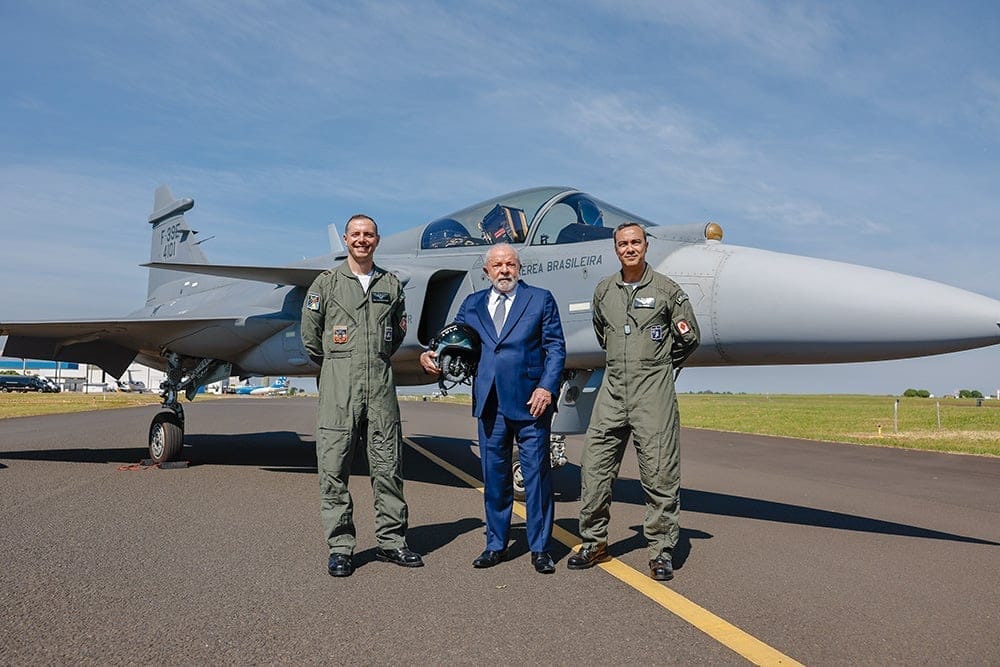

The US Pressured Brazil to Lose Competition, Raising Questions About the Purchase of Swedish Fighters by the FAB!
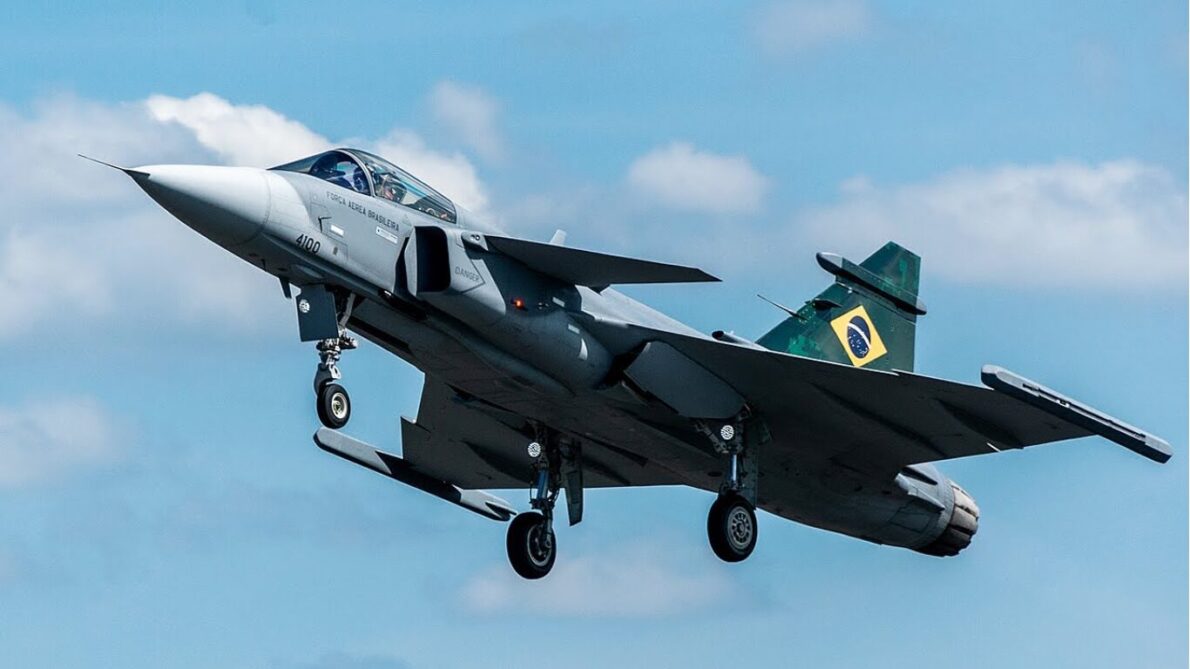
According to Cartacapital, a recent subpoena from the Swedish manufacturer Saab by the United States Department of Justice raised alarm bells in Brasília. The measure pertains to the contract for the purchase of 36 Swedish Gripen Fighters, signed by Brazil in 2014. Additionally, there is a reopening of questions regarding possible political interference linked to former president Lula, a case that had previously been shelved due to lack of evidence. Now, the question remains: are the US playing dirty after losing the competition to Saab?
US Interference and the Discomfort with Brazil’s Autonomy
Since the contract was signed with Saab, the United States has shown disadvantages. The truth is that, at the time, Boeing also agreed to sell its fighters to Brazil but lost out to the Swedish manufacturer. Now, with this new action, there is a clear attempt to “rig the game.” The US is using its famous anti-corruption law, the Foreign Corrupt Practices Act (FCPA), which, according to many experts, has been similarly used in Lava Jato to destabilize international competitors.
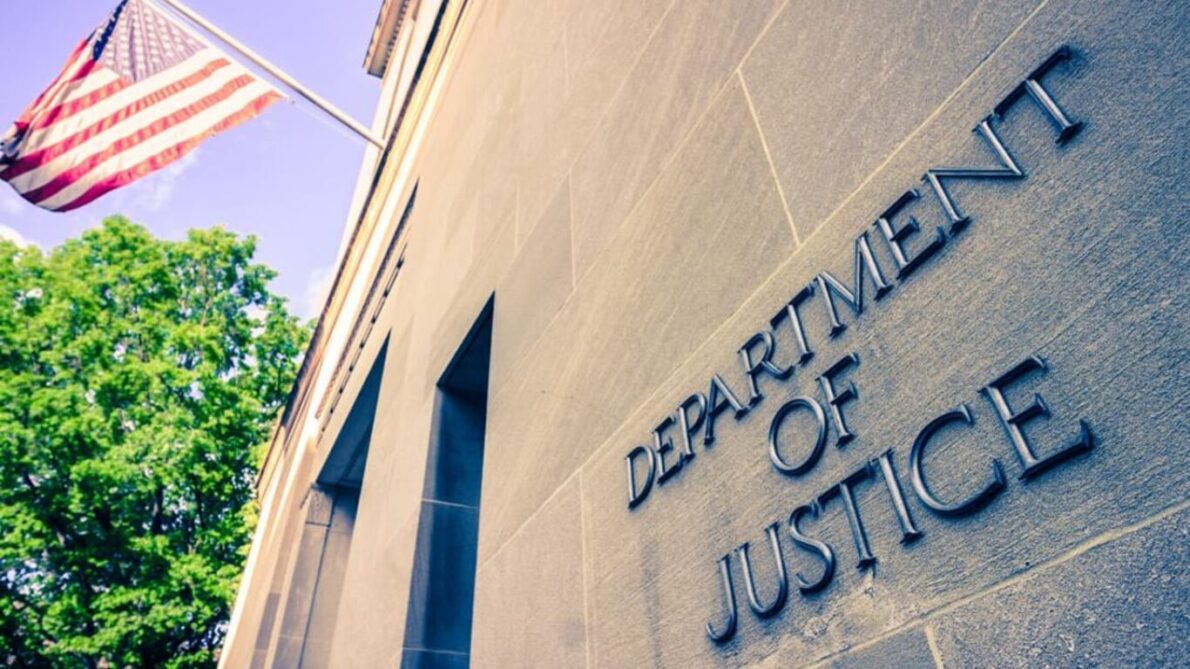
The Brazilian government, however, is far from satisfied. Lula described the action as a “undue interference,” and the Attorney General of Brazil, Jorge Messias, accused the Americans of trying to turn the tables in favor of their own interests, undermining agreements that ensure Brazil greater military and technological autonomy.
-
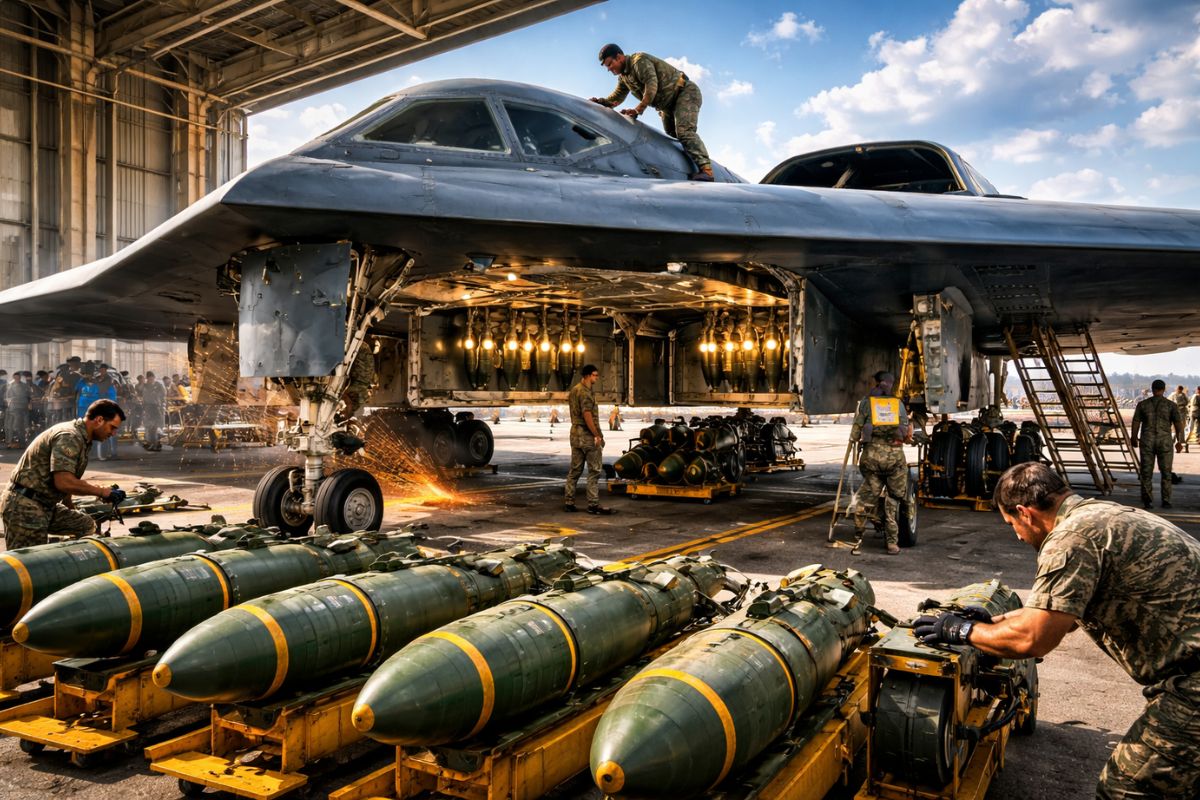
Valued at over $2 billion, the B-2 Spirit bomber requires meticulous inspection, bombs calibrated in a controlled environment, and extreme preparation to disappear from radar and launch attacks with lethal precision.
-
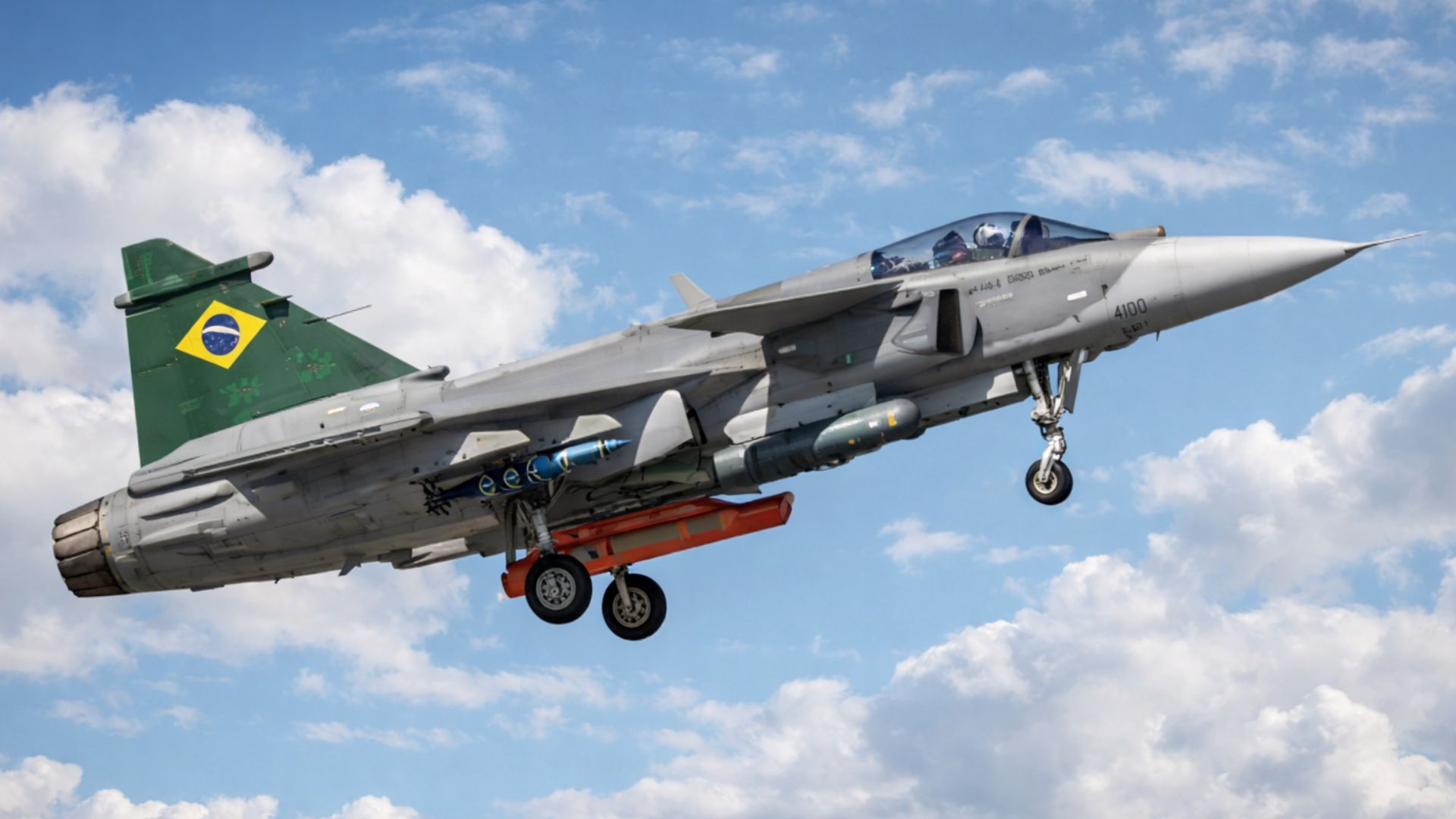
Brazil presents the first national F-39 Gripen fighter and redefines air defense with technological advancement, job creation, and strengthening of the defense industry on the global stage.
-
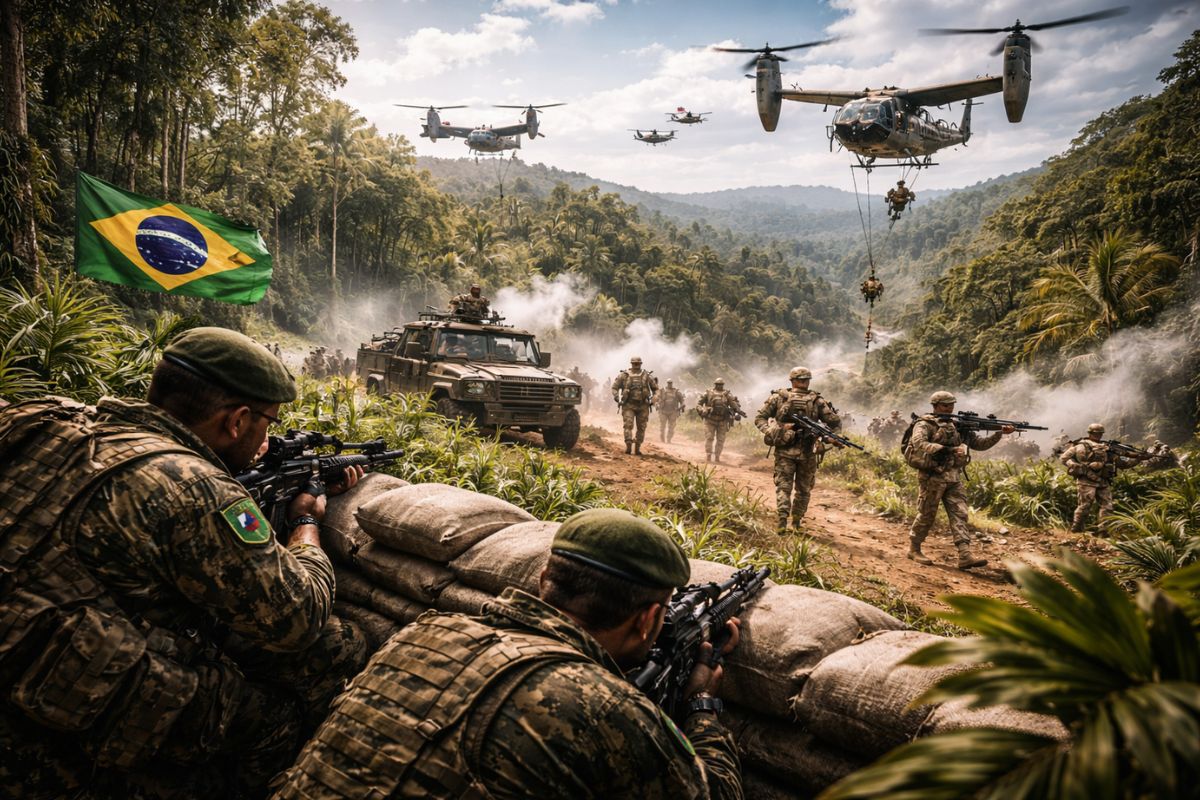
If the USA were to go to war with Brazil, Washington’s greatest fear would not be the attack itself, but facing a vast territory, prolonged resistance, and a costly, chaotic, and unpredictable occupation.
-
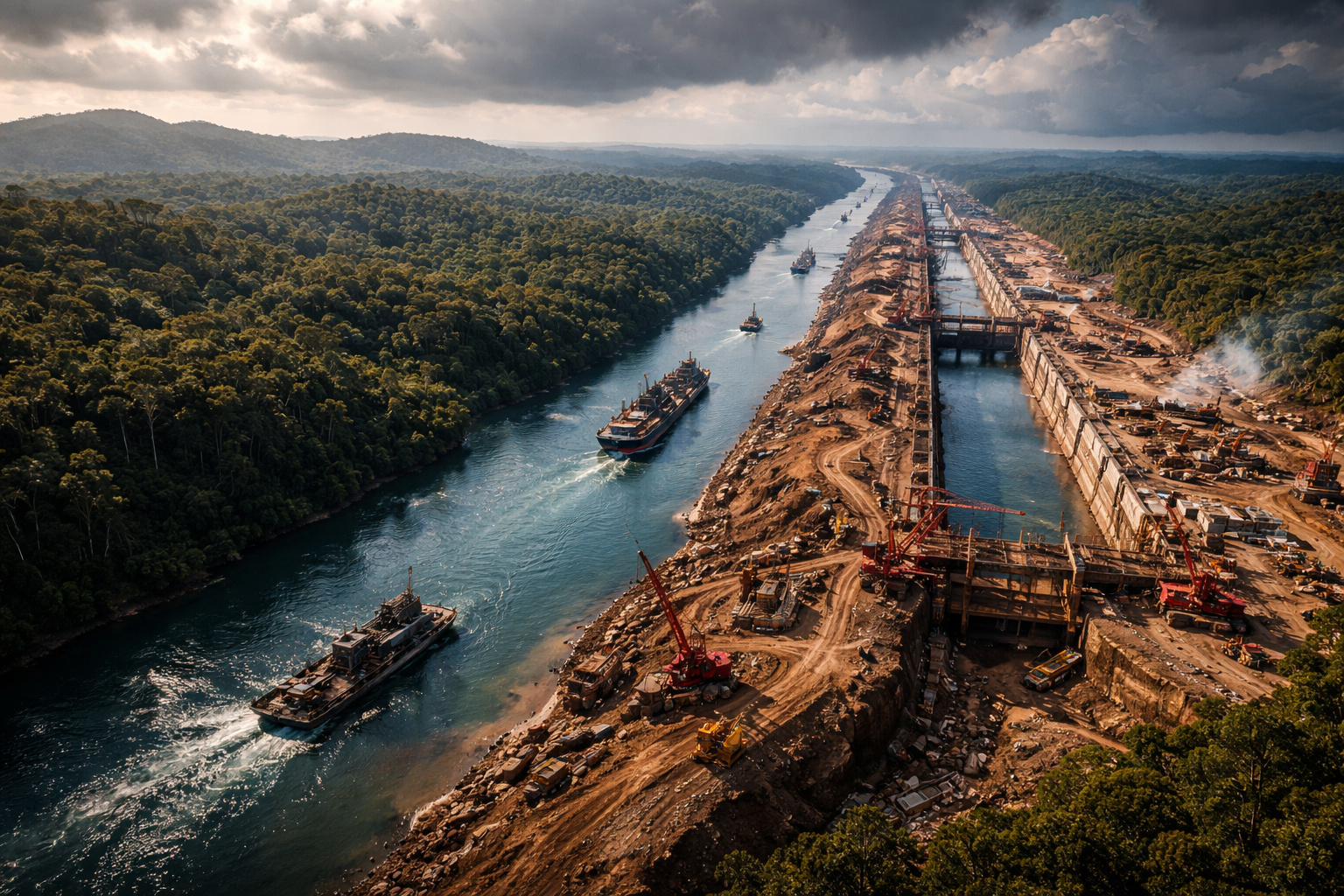
In 2013, Nicaragua sold the concession for a canal to rival Panama to a Chinese billionaire who lost 85% of his fortune, disappeared, and was declared bankrupt. Now the project resurfaces with a new route, a new Chinese partner, and a cost of $64.5 billion.

Technology Transfer: What Did the US Lose with Swedish Gripen Fighters?
One of the main reasons Brazil chose the Swedish Gripen Fighters was the promise of technology transfer, something that Boeing and the French Dassault (with the Rafale aircraft) did not offer. This point was crucial for the Brazilian government, seeking greater independence and growth in the military industry. Saab agreed to cooperate and share knowledge, which strengthens the aerospace industry in Brazil.
However, the US move to block this cooperation is seen as a attempt to curb Brazil’s development. The country is currently experiencing economic growth and increasing global influence, which naturally unsettles the powers that previously dominated the military arms market.
The American Fear of Brazil’s Military and Technological Ascendance
The situation becomes even more complex with the success of the KC-390 military cargo aircraft from Embraer, which has been gaining international market and becoming a direct threat to the traditional Lockheed C-130 Hercules, widely used by the American armed forces. Embraer is not only capturing market shares but also offers the much-desired technology transfer, something that many countries are beginning to prefer.
This Brazilian ascendance in strategic areas, such as aerospace, adds to the fact that Brazil is becoming increasingly close to China. Chinese President Xi Jinping is expected to visit Brazil soon, further strengthening this alliance and potentially aggravating the United States. After all, Brazil is preparing to engage in ambitious projects, such as the New Silk Road, which directly challenge American economic and political interests.
Therefore, the subpoena to Saab does not seem to be a simple request for clarification, but rather another attempt to invade Brazil and halt its evolution in the international military market.









EUA acostumado a sabotar o desenvolvimento do Brasil. Nunca quiseram nosso bem, mas nos manter subjugados. Agora temos outros aliados como o BRICS e uma China com trilhões de dólares para investir de verdade no desenvolvimento dos seus parceiros comerciais e não aqueles investimentos CARACU de outrora com americanos.
EUA não fizeram o dever de casa com o seu parceiro o Brasil, agora vem os Chineses querendo investir no Brasil…sejam bem vindos Chineses, estamos prontos para aprender sua língua e fazer business
O brasil também teria que fazer o mesmo! O calote que os EUA fizeram em 1993 com MBT Osório… Que venceu o Abrams tanque americano… O brasil deveria lembrar eles dessa época.